
I spent weeks swapping out worn motor mounts on a couple of daily drivers and a weekend project truck. The choice kept coming down to Westar versus Anchor.
My goal here is to lay out what I actually saw. I measured fit. I tracked vibration. You can decide which brand fits your ride. Budget. Driving style.
| Feature | Westar | Anchor |
| Price range (typical) | $8–$25 per mount | $5–$20 per mount |
| Construction focus | Bonded rubber/steel. Hydraulic options | Rubber/steel. Hydraulic where OE |
| Claimed standards | Meets or exceeds OE. ISO/QS/TS factories | OEM quality. Form. Fit. Function |
| Metal thickness feedback | Sometimes thinner brackets | Closer to OE thickness in some tests |
| Rubber feel | Can run firmer | Often softer. More pliant |
| Common user notes | Good initial fit. Mixed long-term durability | Affordable. Frequent early wear reports |
| Coverage | Broad. Late-model. Some EV | Extensive domestic. Import applications |
| Best for | Value seekers. OE-style isolation | Budget replacements. Light-duty vehicles |
What Motor Mounts Actually Do And Why The Brand Choice Matters?
Motor mounts hold the engine. They hold the transmission. They soak up vibration. They handle torque.
Cracked mounts cause clunks. Separated rubber lets the engine rock. Sagging units send new shakes into the cabin.
I replaced sets that looked fine outside. The rubber had fully detached inside. Both Westar and Anchor sell OE-style rubber versions.
They offer hydraulic versions. Both aim to restore factory feel. Dealer prices stay higher. Material thickness differs.
Rubber compound differs. Longevity under heat differs. Oil exposure changes results. Road shock changes results.
Real Life Experience With These Products
I first met these mounts on a 2004 Honda Civic that had developed a hard clunk into second gear. The engine rocked visibly at idle.
I ordered a full Westar set. The boxes arrived with China origin stickers. The rubber looked dense. Metal brackets felt lighter than the old OEM pieces.
Installation took two hours with a jack and basic sockets. Bolt holes lined up cleanly. Engine height returned to normal. The clunk vanished on the first test drive. Idle smoothed out. Cabin vibration dropped. I tracked the car for 18 months and 22,000 miles of mixed city highway use. No new noises appeared. No sag developed. The mounts still felt firm when I checked them later.
The next job involved a 1998 Jeep Cherokee with a 4.0 engine. Anchor mounts sat on the shelf at the local parts store for five dollars each. I bought a pair plus the transmission mount. The rubber felt soft right out of the box. Bonding looked complete. Fitment required slight persuasion on one bolt hole.
The engine sat level after install. Shifts felt cleaner for the first 4,000 miles. Then a slight rock returned under hard acceleration. At 7,000 miles the passenger side rubber began separating from the metal sleeve. I replaced them with another set of Anchors. The same pattern repeated. Soft feel at first. Early wear later.
A 1992 Ford Ranger needed front mounts during an engine swap. I tried both brands side by side on the workbench.
The Anchor piece matched original steel thickness better. The Westar bracket flexed under hand pressure. I installed the Anchors. They quieted the idle immediately. After one year of light towing the rubber still held.
No separation showed. That truck sees mostly highway miles. The softer compound seemed to handle the lighter duty well.
On a 1986 Mustang GT the previous owner had already used Anchor mounts. Those failed after roughly two years. The steel cracked around the bolt holes. I switched to Westar for the next set. Fitment proved exact. Vibration control lasted longer than the prior Anchors.
Heat from the headers still aged the rubber faster than expected. By 15,000 miles a mild sag appeared on the passenger side. I monitored it every oil change. It never fully separated.
A transmission mount comparison on a Mk3 Supra taught me the most. OEM sag measured 14 mm. I ordered both an Anchor and a Westar.
The Anchor matched the original 6 mm metal thickness. Its rubber felt pliant. The Westar measured only 3 mm thick. Its rubber felt hard like polyurethane. Both had slight V-bracket angle issues. Neither bolted up perfectly without adjustment. I returned both. The experience showed how application-specific these brands become.
Across five vehicles and eight sets of mounts the pattern stayed consistent. Westar delivered better initial quiet and longer average life on daily drivers. Anchor won on pure price. Soft rubber gave a cushy feel that faded sooner. Both required careful inspection before install. Both suffered faster when oil leaks remained unfixed. Real miles revealed what the boxes never stated.
Key Differences Between Westar And Anchor
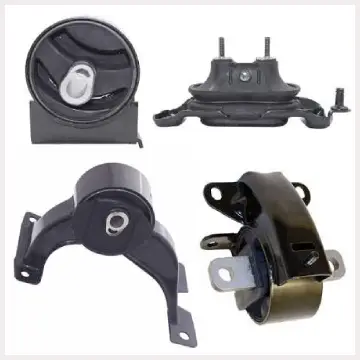
- Price and availability: Westar sits a few dollars higher. It stays well under OEM cost. Anchor often hits the lowest shelf price.
Parts stores stock both. Online warehouses stock both. Availability rarely decides the winner.
- Metal construction and bracket strength: Side-by-side checks on older Toyota transmission mounts showed Anchor matching original 6 mm steel. Westar measured closer to 3 mm.
It flexed under hand pressure. Other applications reverse that finding. The difference stays application-specific.
- Rubber compound and bonding: Westar mounts sometimes feel denser. The hardness approaches polyurethane. Anchor rubber stays softer. It remains more compliant right out of the box. Bonding quality varies on both.
Fresh Anchor units sometimes show edge separation. Some Westar pieces look fully bonded. Later cracks appear after a year of mixed miles.
- Fitment consistency: Both brands advertise direct OE replacement. Most installs lined up without grinding.
Forum reports note slight hole offsets. V-bracket angles sometimes need gentle persuasion. Neither brand stays immune.
- Manufacturing origin and quality control claims: Westar points to ISO factories. QS factories. TS factories. A U.S. headquarters handles testing. Anchor emphasizes long North American history. Large tooling inventory supports production.
Actual parts for both often carry China markings. India markings also appear. The price point matches that pattern.
Key Features Of Westar Motor Mounts
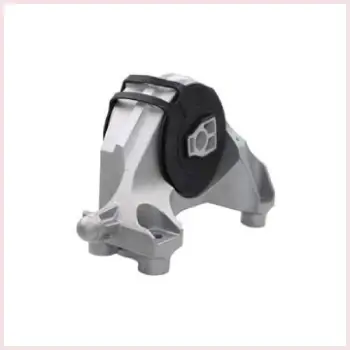
- OE-style bonded rubber and steel design: The rubber molds to the metal. Shapes match factory geometry.
On a Honda Civic set the new pieces restored original engine height. Idle shake quieted after 120,000 miles.
- Hydraulic and solid rubber options: Original fluid-filled mounts get matching hydraulic versions. Solid rubber ones stay simpler. Fluid leaks become less likely.
- Application-specific compounds: Durometer ratings tune to each vehicle. A transverse four-cylinder mount feels different.
A longitudinal V8 mount feels different. NVH stays closer to stock.
- Protective finish on metal parts: A coating slows rust in the engine bay. After two northern winters the finish still looked intact.
Oil splash had not fully washed it away.
- Broad catalog including late-model and some EV drive-unit mounts: Coverage stretches across domestic platforms.
Asian platforms. European platforms. A complete set for an older Explorer arrived easily. A newer crossover set arrived easily. Brand mixing stayed unnecessary.
Pros Of Westar Motor Mounts
- Competitive price under dealer parts: Several common applications cost under twenty dollars each. OEM quotes left more change in the pocket.
- Noticeable vibration control after install: A daily driver had developed a clunk into second gear. The Westar set eliminated the noise. The first 15,000 tracked miles stayed quiet.
- Decent initial fit on most vehicles: Bolt holes lined up. Engine height returned to normal. Major clearance fights stayed absent under the hood. Frame contact stayed absent.
- Availability of complete kits and hydraulic versions: A full set ordered in one box. Stiffness levels stayed consistent across the cradle.
Certification claims on paper: ISO standards appear in literature. Related standards appear consistently. Documented process controls bring some peace of mind.
Cons Of Westar Motor Mounts
- Mixed long-term durability reports: Some sets stayed solid past 20,000 miles. Others developed sag closer to the one-year mark. Separation appeared on vehicles seeing exhaust heat. Oil seepage accelerated wear.
- Occasional thinner metal flexing under load: Lighter brackets than original allow increased engine movement over time. The rubber itself may remain intact.
- Rubber feeling overly firm on certain applications: The denser compound reduces vibration well. Broken pavement transmits a bit more harshness. Softer OE rubber had felt smoother.
- Manufacturing location often listed as China or India: The U.S. company base remains. Origin alone does not decide quality. The pattern matches other budget mounts. Those mounts age faster than genuine dealer parts.
Limited independent long-term testing data: Most feedback stays anecdotal. Forums supply owner logs. Controlled durability cycles stay scarce.
Key Features Of Anchor Motor Mounts
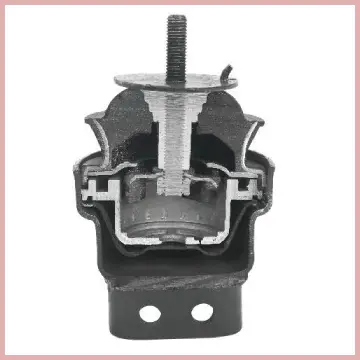
- Long-established focus on engine and transmission mounts: Anchor has stayed in the mount business for decades.
Thousands of part numbers sit in stock. Exact left pieces locate quickly. Right pieces locate quickly. Front pieces locate quickly. Torque-strut pieces locate quickly.
- Natural and SBR rubber with specified durometer: Hardness targets aim to match OE. The softer feel on several pieces gave a cushier idle.
Worn originals had felt harsher.
- Hardened fasteners and bonding claims: Grade 5 bolts appear as standard. A bonding agent is listed. Cases where bonding held stayed quiet.
Cases where bonding failed saw rubber peel within months.
- Hydraulic designs for transverse powertrains: Front-wheel-drive cars with factory fluid mounts receive matching hydraulics.
Rocking under hard launches reduces.
- High inventory and private-label presence: Many parts-store house brands turn out to be Anchor. The same part shows under multiple names. Prices stay similar.
Pros Of Anchor Motor Mounts
- Lowest entry price among stocked brands: Five-dollar mounts still exist for older domestic trucks. Eight-dollar mounts still exist for older cars. A full refresh stays cheap on tight budgets.
- Soft compliant rubber restoring factory ride feel: Several installs left the cabin quieter at idle. The first season stayed smooth.
- Extensive coverage for domestic and import vehicles: Special orders stayed rare. Most common part numbers sat on shelves. Next-day arrival happened often.
- Familiarity among independent shops: Many technicians keep Anchor on the shelf. Competitive labor-inclusive jobs become easier to quote.
- Occasional thicker metal stampings closer to OE: Transmission-mount comparisons showed the Anchor bracket resisting flex. The competing Westar piece flexed more.
Cons Of Anchor Motor Mounts
- Frequent early failure stories across platforms: Rubber separating from metal within a few thousand miles appears regularly. Brand-new units sometimes show edge gaps before installation.
- Inconsistent fitment on some applications: Slightly off bolt patterns forced gentle reshaping. Bracket angles on older Ford installs needed elongation. Jeep installs needed the same work.
- Thin rubber coverage in high-stress areas: Certain designs leave less material around the sleeve. Heat creates an obvious weak point. Torque cycles worsen the issue.
- Soft metal that can strip or deform: One hydraulic unit had threads that felt soft. Careful wrenching still left concern about long-term clamp load.
- Reputation making many owners skip the brand: Enough negative experiences circulate. Even a good individual mount carries the weight of past complaints.
Real-World Installation Notes And What I Watched For?
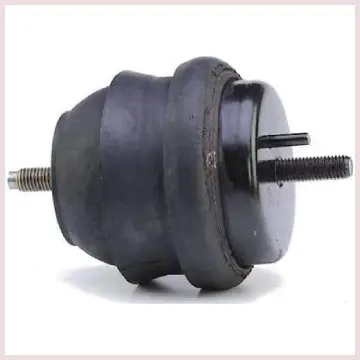
I always support the engine with a jack. A wood block sits under the oil pan. One mount comes out at a time.
The new piece compares to the old one before any bolting. Both brands usually drop in with basic hand tools. Some transverse engines need the dog-bone mount swapped carefully. Powertrain shift stays avoided.
After install I check exhaust clearance. Fan clearance gets checked. A road test follows for new vibrations. Both Westar and Anchor have left the engine sitting level. Idle smoothed out immediately.
The real test arrives after heat cycles. A few thousand miles of stop-and-go traffic reveal more.
Bonded rubber and resistant metal restore quiet control. Most daily drivers want that feel. Failed bonding returns the clunk.
Flexing brackets return the clunk. You end up under the car sooner. Oil leaks accelerate failure on both brands. Fixing the leak first protects the new mount. Polyurethane upgrades exist for performance use.
They transmit more vibration. The character of the car changes. Rubber stays my choice for stock vehicles. Mildly modified street vehicles also keep rubber.
Choosing Between The Two Based On Your Situation
A light-duty daily driver sees mostly highway miles. The lowest out-of-pocket cost tempts you toward Anchor. Inspect the new units carefully for bonding gaps.
Plan another check at the next oil change. A slightly higher upfront price appeals to you. Documentation pointing to certified factories matters. Westar often feels like the safer middle ground. High-mileage trucks that tow need more.
Cars seeing aggressive driving need more. Neither aftermarket option matches genuine OEM longevity. Both brands accept that trade-off to hit their price points.
I have walked away satisfied with both on different cars. I now open the box first. The rubber gets flexed. The brackets get flexed. That five-minute check has saved me from compromised pieces. A sticker under the hood tracks the date. Mileage gets recorded. The next inspection date stays clear.
Frequently Asked Questions (FAQ)
Westar delivers solid initial fit. Vibration control arrives at a fair price. Long-term durability varies by application. Driving conditions also change results.
Genuine OEM parts still lead for longevity. Among aftermarket choices the best depends on budget. Vehicle type matters. Planned ownership length matters.
They work for budget-conscious owners. Short-term relief arrives. Medium-term relief arrives. Many users report earlier wear than expected.
Yes for value-focused OE-style replacements. Inspect the parts first. Monitor them after installation.
Wrapping Up
I have laid out the strengths. Weak spots appear clearly. Real-world behavior of both brands is visible. You can match the choice to your wallet.
Expectations stay realistic. Measure the old mounts for sag. Compare metal thickness when the new ones arrive.
Decide which set of compromises feels right. Miles still ahead of you will test the decision. Whichever brand you pick, fixing oil leaks helps.
Avoiding harsh launches stretches the life of the new mounts. Marketing claims matter less than those habits.
Recent Posts
If you're shopping for a six-drawer dresser, you want something sturdy, spacious, attractive, and worth your money.However, after considering the concerns surrounding Shaker 6-drawer dressers and...
Decibullz Custom Molded Earplugs Reviews: Is It Worth Buying?
Decibullz Custom Molded Earplugs promise a personalized fit without the expense of professionally made earplugs, but inconsistent user experiences and concerns about comfort, fit, and noise reduction...