
I spent months testing custom seat covers on my daily driver and weekend adventure rig. The Wet Okole versus Coverking debate kept coming up.
My goal here is simple. I want to give you a clear practical side-by-side. You can decide which brand fits the way you use your vehicle.
That covers beach runs. Muddy trails. Kids and dogs. Or seats that still look sharp after years of daily use.
| Feature | Wet Okole | Coverking |
| Primary Material Focus | Marine-grade neoprene (wetsuit style) | Multiple options including Neosupreme, CR-Grade Neoprene, Ballistic, Leatherette, Spacermesh, Polycotton |
| Water Protection | Excellent, often with sealed seams | Good to excellent depending on material chosen |
| Fit Style | Custom vehicle-specific with stretch and air-release valves on many sets | Custom CAD-patterned for exact vehicle and seat configuration |
| Comfort Feel | Soft, cushioned foam backing, can retain heat | Varies widely by fabric; some breathe better, some feel firmer |
| Style Options | Solid colors, two-tone, some prints, piping choices | Extensive solids, two-tones, camo patterns, licensed designs, multiple textures |
| Airbag Compatibility | Available on many models with cutouts | Explicit side-airbag compatible patterns standard on most custom sets |
| Installation Effort | Moderate to high, stretching and tucking required | Moderate, often with color-coded straps and install kits |
| Price Range (typical full set) | $200–$500+ | $120–$600+ depending on material |
| Best Everyday Strength | Wet, dirty, outdoor conditions | Versatility across looks, climates, and use cases |
My First Experience With Wet Okole And Coverking Seat Covers
My first experience with Wet Okole started when I ordered a full set for my daily truck. The box arrived after about three weeks.
I opened it and felt the thick neoprene right away. It had that slight rubber smell common with new wetsuit material.
Installation took nearly two hours. Stretching the covers over the bolsters required real effort. The air-release valves helped once I figured them out. I pushed out the trapped air. The fit tightened nicely over the next few days.
The first real test came that same weekend. I returned from the lake with wet towels and a sandy dog. Water beaded on the surface.
Mud wiped off with a cloth. The factory seats stayed completely dry underneath. That protection impressed me immediately.
Comfort felt cushioned thanks to the foam backing. Longer drives felt softer than the original cloth. Summer heat became noticeable though. My back stayed warmer than I liked during afternoon traffic.
Pet hair clung to the texture more than expected. I needed a lint roller often. Overall the covers looked clean and intentional after settling in.
My first Coverking experience came a few months later on a different vehicle. I chose Neosupreme for the front seats.
Ordering felt straightforward. More color and material choices appeared during checkout. The package arrived faster than the Wet Okole set.
Installation still took time but felt more guided. Color-coded straps and the included tools reduced some guesswork. The fit hugged the seats well from day one. It followed the original contours closely without much break-in stretch.
The first week of use showed different strengths. Spills from a coffee cup wiped clean quickly. The material felt lighter against my body.
Heat buildup stayed lower during warm drives. Style options let me match the interior better. The two-tone look blended in nicely.
Durability held up against daily entry and exit. Abrasion resistance seemed solid for regular commuting.
I did notice that lighter fabrics need more careful selection. Not every Coverking material matches the full waterproof level of Wet Okole neoprene.
Both first experiences taught me clear lessons. Wet Okole delivered immediate confidence with water and dirt. The install demanded patience. Coverking offered more flexibility in feel and appearance.
The process felt slightly smoother. Each brand solved different problems on the first try. I still rotate between them based on the vehicle and the season.
Key Differences between The Wet Okole And Coverking Seat Covers
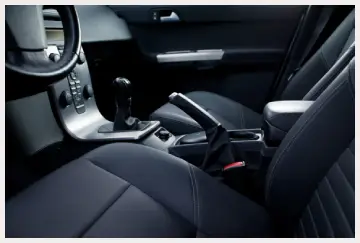
- Material philosophy and specialization: Wet Okole focuses almost entirely on neoprene. That closed-cell foam-backed material acts like a wetsuit for seats.
Water beads up. Mud wipes off. The foam adds extra cushion. Coverking treats material as a menu. You can order true CR-Grade Neoprene.
Or step to lighter Neosupreme. Or choose rugged Ballistic nylon. Or pick Leatherette. The difference shows right away when shopping.
- Water resistance in real conditions: Wet Okole kept everything on the surface during tests with wet towels. Muddy dogs.
Spilled drinks. Sealed seams gave more confidence when water pooled. Coverking performance depends on the fabric.
CR-Grade Neoprene held up well. Lighter options handled light spills. They soaked through faster with standing liquid.
- Fit precision and long-term stretch: Both cut patterns for specific year make model and seat layout.
Wet Okole neoprene has memory. Many covers include air-release valves. You push out trapped air. The fit tightens after a few days.
Coverking uses CAD patterning. Panel construction follows original seat seams closely. Wet Okole settles into a glove-like feel.
Coverking stays consistent from day one.
- Heat and breathability trade-offs: Neoprene traps warmth. Hot summer days made Wet Okole seats feel warmer against the body.
Winter felt cozy. Coverking lets you choose. Spacermesh stays cooler. Certain polycotton options breathe better.
Thicker blends run warmer. Hot climates favor Coverking material choices.
- Style and personalization range: Wet Okole offers solid colors. Two-tones. Piping. Some prints. Interiors look clean.
Coverking provides licensed camo. Collegiate patterns. Tactical options. A much wider color and texture library.
Matching an existing palette favors Coverking.
- Price versus what you receive: Wet Okole sits in a consistent premium band. Almost every set uses the same core neoprene.
Coverking entry points start lower with Neosupreme or polycotton.
Prices climb with true neoprene. Ballistic. Or leather. Value shifts based on how long you keep the vehicle.
Key Features Of Wet Okole
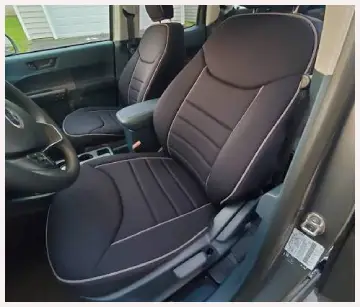
- Marine-grade neoprene construction: The material matches quality wetsuits. It resists water penetration.
It flexes without cracking. It stands up to sand. Pet claws. Sliding in and out. Foam backing adds cushion on longer drives.
- Custom vehicle-specific patterning: Each set cuts for exact seats. That includes headrests. Armrests. Seat controls.
Split benches where needed. Stretch helps the fabric conform over the first week.
- Air-release valve technology on many models: This feature expels trapped air after installation.
The cover sits tighter against the foam. Bunching reduces. The final look stays cleaner.
- UV resistance and stain handling: The fabric slows fading under sun. Spills wipe clean with minimal effort.
Covers look newer longer with basic care.
Optional extras and color flexibility: Piping works. Two-tone combinations work. Some specialty prints work.
Map pockets appear on select setups. Lumbar options appear on select setups.
Pros Of Wet Okole
- Outstanding water and dirt protection: Wet gear stayed on the surface. Sandy dogs left factory seats dry. Coastal use. Lake use. Rainy climates benefit most.
- Comfortable cushioned feel: Foam backing softens the seat surface. Multi-hour drives feel better. Bulk stays low once broken in.
- Durable under abrasion: Pet claws left less damage. Muddy boots left less damage. Constant entry-exit wear left less visible marks after a full season.
- Clean intentional appearance once settled: Covers looked almost factory-installed after the stretch period. Aftermarket look faded.
- Straightforward cleaning routine: Most messes wipe away with a damp cloth. Occasional deeper cleaning keeps them sharp. Special products stay unnecessary.
Cons Of Wet Okole
- Heat retention in warm weather: Summer drives left seats warmer against the body. Hot climates turn this into a daily factor.
- Installation can be time-consuming: Stretching over bolsters takes effort. Headrests take effort. Under-seat areas take effort. A second set of hands helps.
- More limited style palette: Bold patterns stay fewer. Exact interior matching beyond solids and two-tones stays harder.
- Higher consistent price point: Specialized neoprene construction costs more. Maximum water protection may exceed lighter needs.
- Potential for slower drying if fully soaked: Water resists penetration. Foam can hold moisture longer. Wiping and airing out remain important.
Key Features Of Coverking
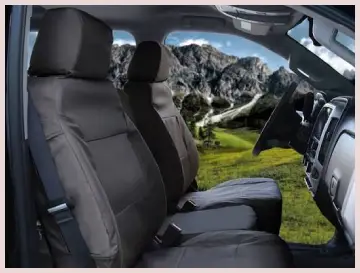
- Broad material menu: Neosupreme delivers a neoprene-like look at lower cost. CR-Grade Neoprene gives true wet-suit performance.
Ballistic resists heavy abrasion. Spacermesh improves airflow. Leatherette creates a leather appearance. Genuine leather appears on higher sets.
- CAD-driven custom patterns: Patterns build from vehicle-specific data. Panel construction often follows original seam lines.
Headrests get covered. Armrests get covered. Side airbags get accounted for. Seat controls stay accessible. Console covers appear where needed.
- Side-airbag compatibility as a standard consideration: Most custom sets include cutouts or tear-away seams.
Covers avoid interference with airbag deployment. Ordering process calls this out clearly for many vehicles.
- Installation support and hardware: Many sets ship with tools. Straps. Instructions. Color-coded elements reduce guesswork on some configurations.
- Style and pattern depth: Solid colors exist. Licensed camouflage exists. Tactical webbing options exist on certain lines.
Two-tone combinations exist. Texture choices expand the visual upgrade potential.
Pros Of Coverking
- Material flexibility for different needs: Cooler fabrics suit summer commuting. Rugged options suit work trucks. Adaptability covers varied priorities.
- Strong custom fit across many vehicles: CAD patterns deliver a snug result. Seat contours get followed well. Controls stay accessible. Airbags stay accounted for.
- Wide aesthetic range: Subtle OEM-matching looks work. Camo works. High-contrast two-tones work. Visual choices expand further.
- Competitive entry pricing on certain fabrics: Neosupreme keeps costs lower. Polycotton keeps costs lower. Custom fit arrives without jumping to premium neoprene pricing.
- Clear airbag considerations: Patterns account for side airbags. One common worry drops during the decision process.
Cons Of Coverking
- Performance varies by chosen material: Ballistic behaves differently from Spacermesh. Leatherette behaves differently again. Research on the specific fabric stays essential.
- Installation complexity on some configurations: Certain seat layouts need more tucking. Strap management increases. The process is not always plug-and-play.
- Heat and breathability depend entirely on the fabric: Thicker materials still trap warmth. Poor choices recreate summer comfort issues.
- Potential for longer wait times on custom orders: Made-to-order production requires planning ahead. Same-day pickup stays rare.
- Warranty and claim details can differ by material line: Coverage length varies. Exact fabric details need checking in the fine print.
Real-World Use Cases And How I Weighed Them?
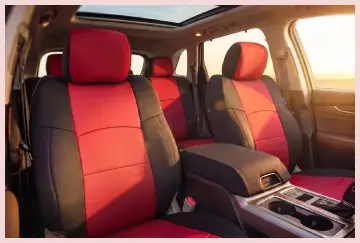
My vehicle spent most weekends near water. Wet Okole felt safer long-term. Spills stayed on the surface. Damp gear stayed on the surface.
Peace of mind outweighed the warmer summer feel. A vehicle that lived mostly in town needed different priorities. Kids. Pets. Coffee cups.
Coverking material flexibility became more attractive. Owners who matched existing interior colors leaned Coverking. The catalog is larger.
Durability over years matters. Both brands hold up with correct installation. Reasonable cleaning helps.
Wet Okole neoprene lasts through heavy outdoor abuse. Coverking higher-end materials do the same. Lighter options may show wear sooner. Keeping the vehicle five or more years favors tougher materials from either company.
Installation differed more than expected. Wet Okole required more physical stretching. Complex bolsters needed patience.
Coverking instructions guided the process better at times. Complicated seat layouts still took time. Neither is a five-minute job. Budget an afternoon. Expect some trial and error on the first set.
Also Read: Is CalTrend Seat Covers Worth It?
Frequently Asked Questions (FAQ)
Yes if you regularly deal with water. Mud. Sand. Or heavy outdoor use. Waterproof performance justifies the cost for those conditions.
Yes. Quality is solid across most material lines. Custom fit works well. Style range supports many drivers.
Both produce high-quality products in their strengths. Wet Okole leads in specialized waterproof neoprene. Coverking leads in material variety. Consistent custom patterning covers a broader catalog.
They tend to retain more heat in warm weather. They can feel less breathable during long summer drives. Mesh options or lighter fabrics perform better there.
Wrapping up
I walked away from this comparison with a clearer sense of what matters. Wet Okole wins when water and dirt are constant companions.
Coverking wins when flexibility in look is needed. Flexibility in feel is needed. Climate performance is needed.
Match the cover to the life your seats actually live. Either option can protect factory seats for years. The interior stays looking intentional every time you open the door.
Recent Posts
American Crew Fiber Vs. Forming Cream: Which One Actually Works Better For Your Hair?
I spent weeks testing American Crew Fiber and Forming Cream side by side on my own hair. I switched styles from textured crops to everyday side parts. This helped me figure out exactly which one...
If you need an affordable backpack that keeps your laptop, travel documents, chargers, and everyday essentials organized, the Matein travel laptop backpack deserves a closer look.I like the idea...