
I decided to compare Wilsonart and Formica laminates after helping friends choose surfaces for kitchen remodels and commercial projects.
My goal here is to break down their real-world performance, design ranges, costs, and practical trade-offs so you can pick the right one without guesswork or marketing spin.
Both brands deliver solid high-pressure laminate options, yet the differences in technology, texture depth, and long-term value matter more than most people realize once the sheets are installed and life happens on top of them.
| Feature | Wilsonart | Formica |
| Core Construction | High-pressure laminate with kraft paper core and melamine overlay | High-pressure laminate with kraft paper core and melamine overlay |
| Standout Technology | AEON Enhanced Performance (up to 3x wear/scuff resistance on many lines) | EliteForm or Fenix options for enhanced surface performance on select lines |
| Design Range | Broad, with strong focus on textured HD and premium finishes | Broad, with excellent classic solids, woodgrains, and large-scale 180fx patterns |
| Typical Price Position | Mid to premium for specialty textures | Often more competitive on standard patterns |
| Warranty (residential laminate) | Commonly longer coverage (around 5 years cited) | Shorter standard coverage (around 1 year in many comparisons) |
| Heat Resistance | Brief exposure up to about 275°F | Brief exposure up to about 275°F |
| Scratch/Scuff Edge | Stronger on AEON-equipped products | Solid everyday performance; specialized lines improve it |
| Availability | Wide through distributors | Often excellent stock consistency and global reach |
| Best Fit | High-traffic or design-focused projects needing texture depth | Budget-conscious or classic-look projects with reliable sourcing |
Key Differences Between The Wilsonart And Formica Laminate

- Surface technology and wear resistance: Wilsonart builds AEON technology into many higher-use sheets by adding aluminum oxide particles to the overlay.
This boosts scuff and abrasion resistance noticeably. Dark colors and glossy finishes stay cleaner for longer under daily use.
Formica relies on its reliable standard process and selective upgrades like EliteForm or Fenix. The difference appears mainly after months of sliding dishes and wiping.
- Texture depth and visual realism: Wilsonart pushes stronger embossed and high-definition textures that catch light and feel more dimensional under the hand.
Surfaces gain extra visual interest in modern kitchens. Formica focuses on large-repeat patterns that keep stone or wood looks continuous across long islands.
Both now print at high resolution so artificial looks are less common.
- Pricing structure: Standard Formica sheets usually land lower on the invoice for common colors and patterns.
Wilsonart’s premium textured and AEON lines climb higher in cost.
Specialty finishes can widen the price gap further. Both options still cost far less than installed quartz or solid surface.
- Warranty and long-term support: Wilsonart typically offers longer residential coverage on its laminate products according to most comparisons.
Formica’s standard terms run shorter in published details.
Actual long-term results still depend more on careful installation and substrate work than the printed years alone.
- Supply consistency: Formica keeps many classic colors and patterns in production for years which makes future matching simpler.
Large orders and multi-phase jobs stay more predictable. Wilsonart rotates trend-driven options more often.
Certain textured sheets can require longer lead times from distributors.
- Fabrication behavior: Both brands cut and post-form cleanly when the correct grade is chosen.
Wilsonart textured sheets sometimes need extra care along the edges during routing.
Formica grades behave in a highly predictable way with standard heat-forming tools. Common adhesives bond well to either product.
Suitability for high traffic: Wilsonart AEON lines handle busy family or light commercial counters with better early wear resistance.
Formica standard sheets perform reliably in moderate residential use.
High-traffic checkout or commercial areas often favor the extra protection from AEON technology.
Key Features Of Wilsonart Laminate
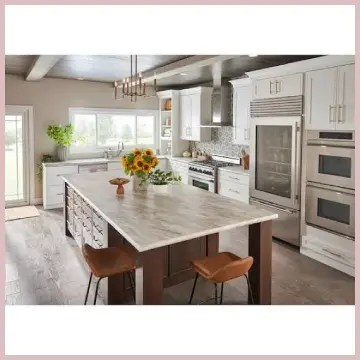
- AEON Enhanced Performance Technology: Aluminum oxide particles are infused into the melamine overlay during manufacturing.
Scuff and abrasion resistance rises up to three times on many product lines. Surfaces keep a fresher appearance longer in daily kitchens.
Marks from fabrication and transport also appear less often.
- High-definition and textured finishes: Fine grain, quarry, and soft grain options add real tactile interest to the surface.
Stone and wood prints gain noticeable depth under kitchen lighting. The finished look stops feeling flat or one-dimensional.
- Antimicrobial protection on select lines: Built-in silver ion technology helps slow the growth of stain and odor-causing bacteria.
Food-prep areas stay cleaner between regular cleanings. This feature does not replace proper hygiene habits.
- Wide substrate and edge compatibility: Matching edgebands are available for most designs in the range. Standard contact adhesives bond reliably to the sanded back.
Post-forming works smoothly on the appropriate grades for radius edges.
- GREENGUARD and recycled-content certifications: Many products carry low-emission certifications that support indoor air quality goals.
Recycled fiber content is included in a meaningful percentage of the core. Commercial projects chasing sustainability points benefit directly.
- Consistent sheet quality across lots: Thickness remains even from batch to batch. Color matching stays reliable when ordering additional sheets later.
Fabricators experience less waste during cutting and assembly.
- Strong vertical and horizontal use: The same sheets perform well on counters, cabinet faces, and wall panels.
Furniture makers can use one product line without switching materials. Consistency across applications simplifies specification.
Pros Of Wilsonart Laminate
- Superior scuff and abrasion resistance on AEON products: Busy households and light commercial spaces keep surfaces looking newer for longer. Sliding dishes and abrasive cleaners leave fewer visible marks. High-traffic counters benefit the most from this added protection.
- Stronger design depth and texture variety: Premium or design-focused projects gain extra tactile and visual interest. Light plays across the embossed surfaces in more interesting ways. Clients often notice and appreciate the added dimension.
- Longer typical warranty coverage: Extra years of coverage reduce worry on rental units or high-use spaces. The claims process feels more secure when problems arise. Peace of mind increases for owners who plan to stay long term.
- Good performance in vertical and horizontal applications: One consistent product line covers counters, cabinets, wall panels, and furniture. Matching across different surfaces becomes simpler. Specification and ordering stay more efficient.
- Antimicrobial options: Food preparation areas stay cleaner between regular cleanings. Growth of odor-causing bacteria slows down on the surface. Healthcare-adjacent or commercial food spaces gain a practical extra layer.
- Better early wear protection during install: Sheets survive transport and job-site handling with fewer visible scuffs. The finished surface starts looking sharper right after installation. Early damage that once appeared quickly is reduced.
- Stronger presence in trend-driven designs: New textures and patterns appear regularly to match current styles. Modern kitchens find suitable matching options more easily. Designers specify these lines more often for contemporary work.
Cons Of Wilsonart Laminate
- Higher cost on premium and textured lines: AEON and HD collections raise the overall material budget compared with standard options. Large jobs feel the price difference more clearly. Cost-sensitive projects often look elsewhere for basic colors.
- Potential longer lead times for specialty finishes: Trend-driven or heavily textured patterns may not sit in every local distributor’s inventory. Fabrication schedules can shift when material arrives late. Careful advance planning becomes more important.
- Same fundamental laminate limitations: Hot pans placed directly on the surface still cause damage. Water that reaches seams can swell the core underneath. Deep scratches and chips remain permanent once they occur.
- Darker colors still show wear eventually: High-contrast finishes require more careful cleaning habits over time. Abrasive pads or harsh cleaners can dull the look faster. Lighter solids hide everyday marks more effectively.
- Premium pricing limits budget projects: Cost-sensitive remodels frequently skip the higher-end textured lines. Value-focused buyers choose Formica more often for standard needs. Material spend climbs quickly when design impact is the priority.
- Texture can collect more dust in some finishes: Certain embossed patterns trap fine particles more easily than flat surfaces. Cleaning takes slightly longer in dusty environments. Matte options tend to hide this issue better.
Key Features Of Formica Laminate
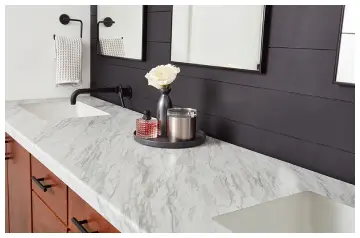
- 180fx large-scale patterns: Longer pattern repeats keep marble and stone looks believable across wide surfaces.
Islands and extended counters avoid obvious tiling breaks in the print. Statement designs gain a more natural continuous flow.
- ColorCore and solid-through options: Certain lines allow edge treatments that hide the kraft paper core more effectively.
The dark line that sometimes appears after routing becomes less visible. Finished rims look cleaner and more intentional.
- Fenix and specialized matte surfaces: Soft-touch finishes resist fingerprints better than standard gloss options.
Light micro-scratches on some versions can improve with simple thermal repair. Contemporary kitchens gain a modern low-sheen appearance.
- Broad classic palette and long production runs: Neutrals, woodgrains, and solids remain available for many years.
Matching an existing installation later becomes straightforward. Large production orders ship with greater reliability.
- Post-forming grades and fabrication friendliness: Sheets form cleanly around radius edges when the correct grade is selected.
Installers and fabricators already know the material behavior well. Standard tools and adhesives handle the process without special adjustments.
- Good stain resistance on daily spills: Coffee, wine, and food liquids wipe away quickly from the non-porous surface.
Mild soap and water keep the counters looking clean. Most everyday messes leave no permanent marks.
- Wide global distribution network: Popular colors stay stocked at many local suppliers. Replacement sheets or additional material arrive faster on most projects.
Supply chain consistency supports both small and large jobs.
Pros Of Formica Laminate
- Competitive pricing on core designs: Budget-conscious projects stay on track more easily. Standard colors and patterns deliver solid everyday performance. Material costs leave extra room in the budget for other upgrades.
- Excellent availability and color stability: Classic patterns remain in production for years which simplifies future matching. Multi-phase or large apartment projects order with greater confidence. Stock levels stay more predictable overall.
- Realistic large-scale prints: The 180fx collection handles long runs without repetitive pattern breaks. Stone and marble looks stay more believable on islands. Statement counters gain a continuous natural appearance.
- Specialized matte and repairable surfaces: Fenix and similar finishes provide a modern soft-touch feel. Fingerprints show less on these low-sheen options. Light surface marks can improve with simple heat on certain versions.
- Proven track record in residential and commercial work: Fabricators and installers already know the material well. Compatible adhesives and edgebands stock widely at suppliers. Jobs finish faster with fewer surprises.
- Reliable performance in moderate traffic: Typical family kitchens handle daily use without major issues. Standard wear remains acceptable for most residential settings. Overall cost stays lower than many premium alternatives.
- Easy sourcing for production runs: Large multi-unit projects order confidently because stock remains consistent. Delays happen less often on popular colors. Supply reliability supports tighter construction schedules.
Cons Of Formica Laminate
- Less aggressive wear technology on standard lines: Everyday scuffing can appear sooner on dark or glossy surfaces. High-traffic spots show marks faster than AEON-equipped alternatives. Extra care becomes more important in busy areas.
- Shorter standard warranty periods: Coverage ends earlier according to many published comparisons. Long-term risk sits higher on rental or high-use properties. Careful daily habits matter more over the years.
- Texture options can feel less pronounced: Embossed depth stays milder on many sheets compared with Wilsonart. Surfaces can look flatter under certain lighting conditions. Premium design projects may prefer stronger tactile finishes.
- Still subject to heat and moisture damage: Direct contact with hot cookware leaves marks or blisters. Standing water at poorly sealed seams causes core swelling. Basic laminate limitations remain the same as other brands.
- Fewer built-in antimicrobial options on core lines: Everyday sheets rely more heavily on regular cleaning. Extra protection usually requires ordering specialized products. Food areas need consistent hygiene practices.
- Classic focus can limit bold modern looks: Trend-driven textures appear less frequently in the core range. Designers seeking strong tactile or contemporary finishes often look at other lines. Neutrals and traditional patterns dominate the standard offerings.
How I Decide Between Them In Real Projects?
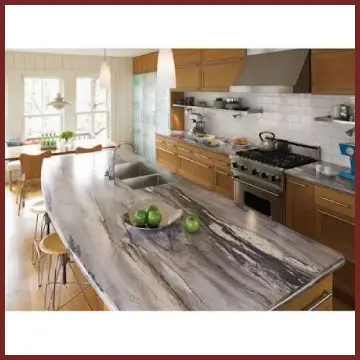
When a client wants maximum design impact and the counters will see heavy daily use, I lean toward Wilsonart AEON or HD lines.
The extra resistance and texture justify the cost difference. When the project is a production run of apartments, a rental unit, or a simple remodel where classic neutrals dominate, Formica usually wins on price and supply reliability.
I always order samples of both and test them under the actual lighting of the space because printed chips never tell the full story of texture and sheen.
Installation quality matters more than brand. Proper substrate preparation, careful seaming, and correct edge treatment prevent most of the failures people blame on the laminate itself.
Both brands post-form well when the right grade is selected, and both accept standard contact adhesives.
I avoid cutting directly on either surface and insist on trivets for hot items. Habits protect any laminate.
Maintenance is nearly identical. Mild soap and water handle daily cleaning. Avoid abrasive pads and harsh chemicals that can dull the finish over time.
Spills should be wiped promptly, especially around sinks and seams. The kraft core underneath will swell if water reaches it repeatedly.
Frequently Asked Questions (FAQ)
Both Wilsonart and Formica rank at the top. The better choice depends on whether you prioritize wear technology and texture or value and classic availability.
Yes. Formica remains widely specified for residential kitchens, commercial interiors, and large production projects because of its consistent quality and competitive pricing.
Formica is a brand of laminate. The comparison is not material versus brand. High-pressure laminate from either major manufacturer performs similarly when properly installed.
Standard Formica shares laminate limits around heat sensitivity. Potential seam swelling from moisture remains. Abrasion resistance sits lower than Wilsonart’s AEON-equipped products on some lines.
Final Thoughts
I have watched both brands perform for years in real kitchens and offices. Wilsonart gives you an edge when scuff resistance and tactile design matter most.
Formica keeps projects on budget and on schedule when classic looks and reliable stock are the priorities.
You now have the practical differences laid out so you can match the material to your actual needs rather than a sales pitch.
Measure your traffic level, design goals, and budget honestly. Order samples. You will end up with a surface that works for the way you live or work.
Recent Posts
I spent months comparing budget options against established names after my last set of tires wore out sooner than expected.My goal here is to share what I learned from putting Dextero and...
AquaTru Carafe Vs. Classic: Which Is Actually Fits Your Kitchen?
I decided to write this comparison after months of testing both the AquaTru Carafe and the Classic in my own kitchen. Tracking covered daily use.Taste stayed consistent. Refill frequency...