
If you want an oil filter that focuses on dependable filtration, solid construction, and consistent engine protection, I think a WIX oil filter deserves a serious look.
I like it because it is designed around the basics that matter most: keeping contaminants out of engine oil and maintaining proper oil flow.
After considering its filtration design, construction, fitment, and everyday maintenance requirements, I would recommend buying a WIX oil filter if it matches your vehicle and oil-change needs.
My First Experience With The WIX Oil Filter
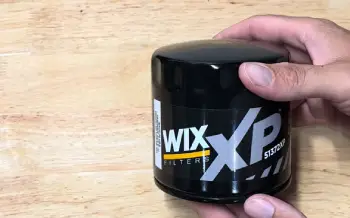
When I look at an oil filter, I don’t judge it simply by its appearance. An oil filter spends most of its life hidden underneath the vehicle, so what matters to me is how well it performs its job over the service interval.
The first thing I appreciate about WIX filters is their straightforward, purpose-built design. When I handle one, the overall construction gives me the impression of a component made to tolerate the demanding environment around an engine.
The filter has to deal with hot oil, pressure changes, vibration, and contaminants continuously, so construction quality matters.
During an oil change, installation is also an important part of the experience. A properly matched WIX filter should screw into the correct mounting location without unnecessary effort.
I always make sure the old gasket has been removed before installing a new filter because even a good filter cannot compensate for a careless installation.
What I find particularly important is filtration. Engine oil gradually picks up tiny particles created by normal engine operation.
Dust, combustion byproducts, microscopic wear particles, and other contaminants can circulate through the lubrication system. The filter’s job is to capture those unwanted particles while allowing oil to continue moving through the engine.
I also pay attention to how the filter fits into my overall maintenance routine. I don’t want an oil filter that requires unusual handling or complicated procedures.
With a conventional oil change, the process is relatively familiar: drain the old oil, remove the old filter, prepare the replacement, install it correctly, refill the engine, and check for leaks.
The biggest takeaway for me is that WIX approaches the oil filter as an important part of engine maintenance rather than simply an inexpensive replacement component.
That makes it appealing when I’m trying to maintain an older daily driver, a work vehicle, or a car that I intend to keep for many years.
Of course, the exact filter construction, specifications, and service recommendations can vary by WIX filter number. That’s why I would never buy one based only on the brand name. I would first confirm the exact application for my vehicle, engine, model year, and oil system.
Pros Of WIX Oil Filter
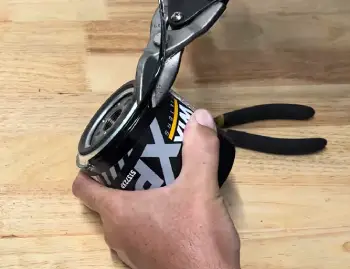
- Strong Focus on Filtration
The biggest advantage for me is the filter’s fundamental purpose: removing contaminants from engine oil.
That’s important because engine lubrication depends on relatively clean oil moving through critical components. Keeping unwanted particles under control can support the overall cleanliness of the lubrication system.
I don’t expect an oil filter to magically prevent engine wear, but I do expect it to perform its filtration job consistently.
- Good Choice for Routine Oil Changes
I appreciate products that fit naturally into a maintenance routine. WIX oil filters can be used as part of normal oil-change schedules when the correct filter is selected for the vehicle.
I don’t need an elaborate process. I can combine the filter replacement with an oil change and complete the basic maintenance in one session.
- Broad Vehicle Coverage
Another advantage is the range of applications available under the WIX name.
Whether you’re maintaining a passenger car, pickup, SUV, or another compatible vehicle, there’s a reasonable chance that the brand has an appropriate filter application. However, I still verify the exact part number rather than assuming every filter will fit.
- Solid Construction
I like an oil filter that feels durable enough for its job.
The filter housing needs to withstand engine-bay conditions, while the gasket needs to create a reliable seal. These details may not be exciting, but they’re important.
A properly constructed filter gives me more confidence during routine maintenance.
- Convenient Installation
For me, an oil filter should be relatively uncomplicated to install.
Once I’ve confirmed the correct part number, the replacement process is familiar. I can remove the old filter, prepare the new one, lubricate the gasket where appropriate, and install the filter according to the manufacturer’s instructions.
The simplicity of the installation is a practical advantage.
- Suitable for Different Driving Conditions
Not every driver uses a vehicle in the same way.
Some people mostly drive on highways. Others spend hours in stop-and-go traffic. Some regularly carry heavy loads or operate vehicles under demanding conditions.
Oil filtration becomes important across all these situations because the engine’s lubrication system is constantly working. I therefore like having a filter designed for regular automotive service rather than choosing purely on price.
- Good Fit for Long-Term Vehicle Maintenance
If I’m planning to keep a vehicle for several years, I become more interested in consistent maintenance than finding the absolute cheapest parts.
An oil filter is relatively inexpensive compared with major engine repairs. Spending a little more on a reputable filter can make sense when I’m already investing in regular oil and filter changes.
Cons Of WIX Oil Filter
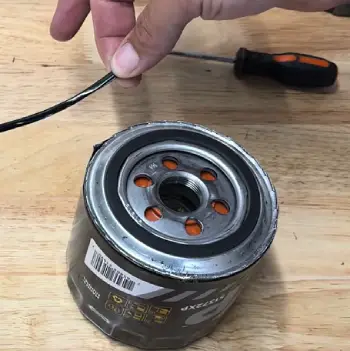
- Not Every WIX Filter Is Identical
One thing I wouldn’t overlook is that WIX offers many different filter numbers.
That means I can’t assume one WIX filter has exactly the same construction or specifications as another. The correct application needs to be checked carefully.
- Price Can Be Higher Than Basic Filters
Depending on the specific model and where I buy it, a WIX filter may cost more than a basic economy filter.
For someone focused strictly on the lowest possible oil-change cost, that can be a consideration.
- Availability Can Vary
Some WIX filter numbers are easier to find than others.
If I’m working on an unusual vehicle or a less common engine, I may need to spend additional time confirming availability and compatibility.
- Brand Reputation Doesn’t Replace Correct Fitment
This is perhaps the most important limitation.
Even a well-regarded filter is the wrong choice if it doesn’t match the engine. I always verify the filter number and vehicle application before purchasing.
Maintenance For WIX Oil Filter
- Choose the Correct Filter Number
This is the first thing I check.
I don’t choose a WIX filter simply because someone says it works for a particular vehicle. I verify the exact vehicle application, engine configuration, model year, and recommended filter number.
A filter that physically looks similar isn’t necessarily the correct filter.
- Change the Filter With the Oil
I prefer replacing the oil filter whenever I change the engine oil unless the vehicle manufacturer’s maintenance instructions specifically say otherwise.
A used filter has already collected contaminants. Installing fresh oil while leaving an old filter in place doesn’t make much sense to me.
A new filter and fresh oil work together as part of the same maintenance service.
- Lubricate the Gasket
Before installing a spin-on filter, I lightly lubricate the rubber gasket with clean engine oil when the filter instructions call for it.
This helps the gasket seat properly and makes removal easier during the next service.
I also make sure the old gasket isn’t still stuck to the mounting surface. A doubled-up gasket can create a serious oil leak.
- Don’t Overtighten the Filter
One mistake I try to avoid is treating an oil filter like a wheel lug.
The filter should be installed according to the manufacturer’s specified procedure. Overtightening can damage the gasket, housing, or mounting area and make future removal unnecessarily difficult.
Hand-tight installation is common for many spin-on filters, but I follow the instructions for the specific filter.
- Check for Leaks After Installation
After changing the oil and installing the filter, I always check around the filter and drain plug.
I start the engine and let it run briefly, then inspect the area for signs of oil leakage. I also check the oil level after the vehicle has been parked according to the vehicle manufacturer’s recommended procedure.
This small inspection can catch an installation problem before it becomes a bigger issue.
- Keep Track of Oil-Change Intervals
I don’t rely on memory alone.
Whether I use a maintenance sticker, dashboard reminder, phone reminder, or service record, I keep track of when the oil and filter were changed.
The correct interval depends on the vehicle, oil type, driving conditions, and manufacturer’s recommendations. Severe driving conditions can require more frequent service.
Comparison Of WIX Oil Filter With Other Brands
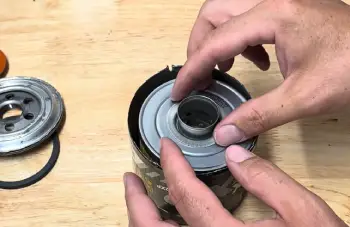
- WIX vs Mobil 1 Oil Filters
When I compare WIX with Mobil 1, I look beyond the brand name and consider filtration design, construction, availability, price, and vehicle compatibility.
Both brands offer automotive filtration products, but the exact characteristics depend on the individual filter model.
For me, the better choice isn’t automatically determined by the logo on the box. I would compare the specific filter numbers that fit my vehicle and then consider the manufacturer’s specifications and price.
- WIX vs NAPA Oil Filters
The WIX and NAPA names are closely connected within the filtration market, and many drivers encounter both when shopping for replacement filters.
When comparing them, I would pay attention to the specific filter construction and application rather than assuming one brand is universally superior.
A particularly important point is that product specifications can vary between individual filter lines. I therefore compare the actual compatible filter rather than making a blanket judgment about the entire brand.
- WIX vs MANN Oil Filters
MANN is another established name in automotive filtration, particularly familiar to drivers dealing with European vehicles and original-equipment-style maintenance.
When I compare WIX and MANN, I consider the vehicle first.
If I’m maintaining a particular European application, the exact filter specification, fitment, filtration requirements, and manufacturer’s recommendation become especially important.
For a general automotive application, I would compare the specific compatible products rather than assuming one manufacturer is always the better option.
Who Should Consider a WIX Oil Filter?
I would consider a WIX filter if I want a reputable replacement filter and prefer spending a little attention on filtration quality rather than automatically choosing the cheapest option.
It can make sense for daily drivers, older vehicles, trucks, SUVs, and vehicles that see regular mileage, provided the correct application is selected.
It’s also worth considering if you’re already doing your own oil changes and want a filter that fits naturally into a standard maintenance routine.
Who Might Choose Something Else?
If my only priority were the lowest purchase price, I might look at economy filters.
Likewise, if my vehicle manufacturer specifically recommends a particular filter specification or original-equipment component, I’d take that recommendation seriously.
Availability can also influence my decision. If the correct WIX filter is difficult to obtain while another properly specified filter is readily available, convenience becomes part of the calculation.
Also Read: Is Fram Oil Filter Worth It?
Frequently Asked Questions (FAQ)
WIX is an automotive filtration brand owned by MANN+HUMMEL.
It depends on the specific filter, vehicle application, specifications, and price.
Neither is universally better; compare the specific compatible filter models.
Both are established filtration brands, so the correct application and specific filter specifications matter most.
Final Verdict
After considering filtration, construction, installation, maintenance, and overall practicality, I see the WIX oil filter as a strong option for drivers who want dependable filtration as part of a regular oil-change routine.
I would buy it when the exact WIX filter number matches my vehicle and its specifications fit the engine.
For me, that’s the most sensible way to approach any oil filter: choose the right application, install it correctly, and maintain the vehicle consistently.
Recent Posts
I look at brake calipers as one of those parts where price matters, but dependable stopping performance matters more.After examining the A-Premium brake caliper as an aftermarket replacement, I...
Michelin Guardian Wiper Blades Review: Are They Worth Buying?
After testing and comparing windshield wipers, I found Michelin Guardian Wiper Blades worth considering if you want dependable everyday wiping without paying for a premium blade.The flexible...