
I’ve spent the last few months swapping between the Wolfbox G850 and G900 mirror dash cams in my daily driver, logging highway miles, city traffic, and even some night runs.
The main intent here is to help you decide which one fits your driving style and budget by breaking down real-world performance, not just specs on paper.
If you want clear footage, safety alerts, and a big mirror display without hassle, this comparison will show you exactly where each shines and where one pulls ahead.
| Feature | Wolfbox G850 | Wolfbox G900 |
| Front Camera | 4K (custom sensor) | 4K Sony Starvis 2 IMX678 |
| Rear Camera | 1080P | 2.5K (Omnivision Purecel Plus or similar) |
| Display | 12-inch touchscreen | 12-inch touchscreen |
| Key Safety Tech | ADAS + BSD (blind spot) | Superior night vision, possible triple-channel |
| WiFi / App | 5.8GHz WiFi | 5.8GHz WiFi |
| Voice Control | Yes (12 commands) | Yes |
| Parking Mode | Yes (hardwire needed) | Yes |
| Best For | Budget-conscious with max alerts | Premium video quality seekers |
Why I Compared These Two Mirror Dash Cams?
I remember the day I unboxed my first mirror dash cam. The idea of replacing my rearview mirror with a smart screen that records everything felt like a game-changer.
After trying the G850 for a few weeks, I upgraded to the G900 to see if the extra cost made a real difference. Both feel premium in the hand, clamp securely over your existing mirror, and turn your car into a rolling security system.
But the devil is in the details—like how they handle glare on sunny days or capturing license plates at night. I tested them back-to-back on the same routes, and here’s what stood out to me as an everyday driver who values peace of mind.
Key Differences Between The Wolfbox G850 And G900
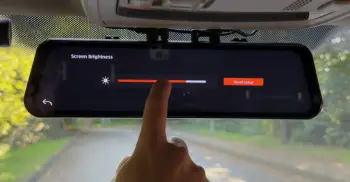
- Video Resolution and Sensors: The G850 delivers solid 4K up front and 1080P in the rear, which is plenty for most situations.
The G900 steps it up with a top-tier Sony Starvis 2 sensor in front and a sharper 2.5K rear, giving noticeably better clarity especially in mixed lighting.
- Safety Features: I love how the G850 packs ADAS alerts for lane departure, forward collision, pedestrian warnings, and blind spot detection.
The G900 focuses more on raw camera performance but still offers strong core protections.
- Night Performance: This is where the G900 often wins in my tests. Its sensors handle low light cleaner, reducing noise and preserving details like road signs or distant taillights.
- Channel Options: G850 sticks to dual-channel (front + rear), while G900 variants sometimes support a third camera for extra coverage, like a bumper view—super handy for bigger vehicles.
Key Features Of The Wolfbox G850
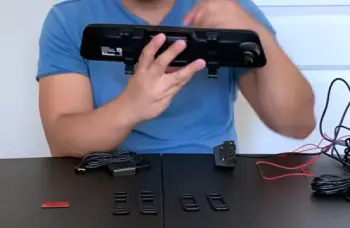
- 4K Front Recording with WDR/HDR Technology: The front camera records in crisp 4K resolution, capturing fine details like license plates, road signs, and traffic signals with excellent clarity during daylight.
The Wide Dynamic Range (WDR) and High Dynamic Range (HDR) features help balance bright skies with darker road areas, reducing glare and overexposure.
In my daily drives, this meant reliable, usable footage even when transitioning from tunnels to sunlight, making it great for evidence in case of any incidents.
- Advanced ADAS and BSD Safety Systems: This is one of the G850’s strongest points. It includes lane departure warnings, forward collision alerts, pedestrian detection, and blind spot monitoring.
These systems use the cameras to analyze the road and provide timely audio-visual alerts on the mirror screen.
I found them genuinely helpful in heavy traffic and highway driving—they act like an extra attentive co-pilot without being overly sensitive or distracting.
- 12-Inch Touchscreen Mirror Display: The large, bright IPS touchscreen replaces your rearview mirror and supports multiple viewing modes: full front, full rear, or split-screen.
Touch response is quick, and the display stays clear in varying light conditions.
It gives you constant rear visibility while recording, which is a huge upgrade from traditional small dash cams. I use the split view most often for all-around awareness.
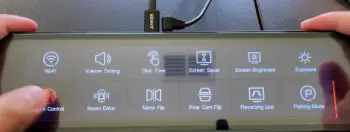
- Voice Control with Multiple Commands: You get 12 built-in voice commands that let you take photos, lock videos, switch views, or start recordings hands-free.
This worked reliably even with some background noise, reducing the need to touch the screen while driving.
It’s one of those convenient features that quickly becomes second nature and enhances safety.
- 5.8GHz WiFi Connectivity and Mobile App: The fast WiFi allows quick wireless transfer of footage to your smartphone via the Wolfbox app.
The app itself is straightforward for viewing, downloading, and managing clips.
In practice, I could pull up a recent incident video within seconds without removing the memory card, which is perfect for insurance purposes or sharing with family.
- GPS Tracking and G-Sensor: Built-in GPS logs speed and location data alongside video, while the G-sensor automatically detects impacts and locks the relevant footage to prevent overwriting.
These features add an important layer of protection and make reviewing events much easier with accurate timestamps and context.
- Parking Monitoring Mode: When hardwired with the optional kit, the camera can monitor your vehicle 24 hours a day using time-lapse recording to save storage.
It has proven useful for detecting any bumps or activity while parked, giving extra security when leaving the car in public lots or overnight.
Pros Of The Wolfbox G850
- Excellent Value: You get flagship-level features without the top price. For the money, the safety suite stands out.
- User-Friendly Setup: Installation took me under 30 minutes. Wires route cleanly, and the mirror clamp feels sturdy.
- Reliable Daytime Footage: Sharp enough for evidence in most accidents or incidents.
- Helpful Alerts: The combination of ADAS and BSD makes it feel like a modern driver assistance system.
- Compact Yet Feature-Packed: Fits most vehicles nicely and doesn’t obstruct vision.
Cons Of The Wolfbox G850
- Rear Camera Limitations: 1080P is decent but can look softer at night or in rain compared to higher-res options.
- Night Vision Not Class-Leading: It handles darkness okay with WDR, but noise creeps in more than on the G900.
- No Third Channel: Misses out on extra bumper coverage that some drivers crave for SUVs or trucks.
Audio Can Pick Up Cabin Noise: The mic is sensitive—conversations or music sometimes overpower road sounds in recordings.
Key Features Of The Wolfbox G900

- 4K Front Camera with Sony Starvis 2 IMX678 Sensor: This is the star of the show.
The advanced Sony sensor delivers exceptional 4K footage with superior color accuracy, sharpness, and low-light performance.
Details remain clear even at higher speeds or in challenging conditions.
After testing both models, the difference in overall image quality and dynamic range made the G900 feel like a noticeable step up, especially for anyone who reviews footage regularly.
- 2.5K Rear Camera with Enhanced Sensor: The rear camera records at 2.5K resolution using a high-quality sensor (often Omnivision Purecel Plus or similar), providing much sharper and cleaner footage than standard 1080P.
This results in better visibility of following traffic, easier reading of rear plates, and improved performance when reversing or monitoring blind spots from behind.
It’s a key reason the G900 excels in comprehensive coverage.
- 12-Inch High-Resolution Touchscreen Display: Like the G850, you get the big mirror-style screen, but the higher input quality from the upgraded cameras makes split-screen and single views even more detailed and enjoyable.
The display supports smooth transitions and multiple modes, helping maintain full situational awareness without distraction.
- Advanced Night Vision Capabilities: Powered by Starvis 2 technology, the G900 handles low-light and nighttime driving exceptionally well.
Noise is minimized, details are preserved, and headlights don’t wash out the scene as much. This gave me significantly better confidence during evening commutes compared to other dash cams I’ve used.
- Voice Control, Fast WiFi, and Seamless App Integration: The system responds well to voice commands and includes fast 5.8GHz WiFi for quick file transfers.
The companion app makes it easy to access, edit, and share high-quality clips. Performance here feels polished and fast, with no noticeable lag even when handling larger video files.
- GPS, G-Sensor, and Optional Triple-Channel Support: Standard GPS and impact detection work reliably for protected recordings.
Depending on the exact variant, you can add a third camera (bumper or interior), which expands coverage options dramatically—especially useful for trucks, SUVs, or anyone wanting extra angles for parking and off-road adventures.
- Robust Parking Mode and Premium Build: Hardwiring enables effective 24-hour parking surveillance.
The overall construction, including good ventilation and a fast processor with plenty of RAM, ensures smooth, reliable operation even during long recording sessions in hot weather.
It feels built to last as a daily companion.
Pros Of The Wolfbox G900
- Superior Overall Video Quality: Footage looks more professional and detailed, which matters when you need to zoom in on plates or faces.
- Better Low-Light Handling: I feel more confident reviewing night drives because everything stays visible and less noisy.
- Future-Proof Build: Faster processor and ample RAM keep the interface smooth even with high-res recording.
- Versatile for Different Vehicles: The rear cam quality and optional extras suit sedans to trucks.
- Clear Audio Capture: Recordings pick up important sounds cleanly without excessive distortion.
Cons Of The Wolfbox G900
- Higher Cost: You pay more for the upgrades, which might not be necessary if you mostly drive in good conditions.
- Rear Cam Still Not Perfect: Some users note it doesn’t always hit true 2.5K feel in every scenario, though it’s generally stronger.
- Feature Overlap with G850: If you don’t need the extra resolution, the added expense feels less justified.
- Slightly Larger File Sizes: Higher quality means filling storage faster, though loop recording helps.
Which One Captures Better Footage?
In my testing, both deliver readable plates and clear road details during daylight.
The G850 holds its own impressively for the price.
But when the sun drops, the G900 pulls ahead. I replayed clips from the same intersection at dusk—the G900 showed sharper taillights and less blur on moving cars.
Colors feel more natural too, thanks to the Sony sensor. If you frequently drive at night or in tunnels, I’d lean G900. For mostly daytime commuters, the G850 saves money without big sacrifices.
Safety Features That Actually Matter On The Road
The G850 shines here with its full ADAS package.
Driving in heavy traffic, those forward collision and lane departure beeps kept me alert without being annoying.
Blind spot detection is a daily win in busy lanes. The G900 relies more on excellent cameras for awareness but still warns effectively.
I appreciate how both let you adjust sensitivity. Neither is a full autopilot, but they add a helpful layer of protection that feels proactive rather than reactive.
Ease Of Use And Installation Experience
I’m no tech wizard, but both installed smoothly. The mirror design means no suction cups failing over time.
Routing the rear camera cable was the trickiest part, but doable with patience. The touchscreen responds well to gloved hands or quick taps.
Voice control reduces distractions further. The app connects reliably over WiFi for quick checks. After months, neither has given me lag or freezing issues—solid engineering on both.
Storage, Battery, And Longevity Thoughts
Both support generous SD cards and use loop recording to overwrite old footage. I recommend high-endurance cards for reliability.
The supercapacitor design in these models handles heat better than old battery-powered cams, which is crucial in summer.
Parking mode works well once hardwired, giving 24-hour coverage in time-lapse. In my experience, they’ve been reliable daily drivers with no unexpected failures.
Who Should Choose The G850?
If you want strong safety alerts, good 4K footage, and to keep costs reasonable, the G850 is my recommendation for most people.
It strikes a fantastic balance—especially for first-time mirror cam users or those with average driving conditions.
I still use mine in a second vehicle and have zero regrets.
Who Should Go For The G900?
Pick the G900 if you prioritize the best possible video clarity, especially at night, or need that extra rear resolution for insurance or sharing footage.
It feels like the premium choice for enthusiasts or anyone who reviews recordings often. The sensor upgrades justify the spend if image quality is your top priority.
Also Read: Comparison Of Wolfbox G930 And G840S
Frequently Asked Questions (FAQ)
The G850 emphasizes ADAS safety alerts and solid 4K/1080P recording at a lower price, while the G900 Pro uses superior Sony sensors for sharper 4K front and 2.5K rear video with better night performance.
It depends on needs—the G900 Pro for top video quality, or the G850 for great value and advanced driver alerts. Both are strong performers.
Yes, it’s a reliable, feature-packed mirror dash cam that delivers clear footage and useful safety tools for most drivers.
The touchscreen allows digital zoom and view adjustments, but optical zoom is limited like most dash cams—rely on the wide-angle lenses for broad coverage.
Wrapping Up
I hope sharing my experiences helps you pick the right one for your rides. If you value safety alerts and affordability, go test the G850—you’ll likely be impressed like I was.
If crystal-clear footage in every condition is non-negotiable, step up to the G900 and enjoy the upgrade. Either choice puts better protection on the road for you and your family.
Recent Posts
NESCO VS-12 Deluxe Review: Is This Vacuum Sealer Worth Buying?
After using and comparing different food preservation methods, I found the NESCO VS-12 Deluxe particularly interesting because it combines strong vacuum performance, multiple sealing options, and a...
Schick Hydro Silk Sensitive Care Review: Is It Worth Buying?
If you have sensitive skin and want a razor that focuses on comfort rather than simply getting the closest possible shave, I think the Schick Hydro Silk Sensitive Care is worth considering.I like...