
I’ve logged thousands of miles with both the Wolfbox G900 and G930 mirror dash cams strapped over my rearview mirror, and I wanted to share exactly how they stack up in real daily driving.
My main goal here is to help you decide which one fits your needs better—whether you prioritize a bigger, sharper rear view or a more compact setup that still delivers solid 4K protection without breaking the bank.
| Feature | Wolfbox G900 | Wolfbox G930 |
| Screen Size | 12-inch touchscreen | 10-inch touchscreen |
| Front Resolution | 4K (3840×2160) | 4K (3840×2160) |
| Rear Resolution | 2.5K | 1080p |
| WiFi Connectivity | Available (varies by version) | 5.8GHz WiFi with app control |
| Night Vision | Excellent with advanced sensors | Very good with WDR |
| Parking Mode | Yes (with hardwire kit) | Yes (with hardwire kit) |
| Best For | Maximum clarity & screen real estate | Compact fit & value |
My Real-World Experience Choosing Between Them
When I first unboxed the G900, the massive 12-inch display immediately grabbed my attention. It covers the entire mirror area and gives this commanding presence on the windshield.
The G930 feels noticeably sleeker with its 10-inch screen—perfect if you drive a smaller car or prefer less visual obstruction.
Both replace your traditional mirror effectively, showing front and rear feeds in split view or full screen with a quick swipe.
I drive a mix of highway, city streets, and rural roads, so video quality matters hugely to me for insurance claims or just peace of mind. The G900 edges ahead here thanks to its stronger rear camera.
Key Differences Between The wolfbox G900 And G930
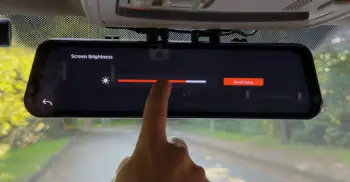
- Screen size and usability: The G900’s 12-inch display feels immersive and easier to glance at while driving.
The G930’s 10-inch version is more discreet and fits better in compact vehicles without crowding the view.
- Rear camera resolution: This stands out as the biggest practical difference.
G900 delivers 2.5K rear footage that captures license plates and details more clearly, especially at distance. G930’s 1080p rear is still very usable but softer in challenging conditions.
- WiFi and app experience: G930 shines with reliable 5.8GHz WiFi for fast video transfers to your phone.
G900 models often rely more on direct connections or optional WiFi depending on the exact variant.
- Overall footprint: G900 takes up more mirror space, which some drivers love for the big preview but others find bulky. G930 integrates more subtly.
- Video processing and lag: Both offer quick response times, but the G930 feels snappier in menu navigation during my tests, likely due to its optimized setup for the smaller display.
Key Features Of The Wolfbox G900
- 4K front and 2.5K rear recording: Captures incredibly sharp footage day or night. License plates pop even at higher speeds.
- Large 12-inch touchscreen: Swipe to switch views, adjust settings, or zoom in effortlessly. It doubles beautifully as a backup camera display.
- Advanced night vision: Sensors handle low light well, reducing glare from oncoming headlights while keeping road details visible.
- Parking mode support: With the optional hardwire kit, it monitors your vehicle when parked using impact detection or time-lapse options.
- Wide field of view: Front camera covers a broad angle so you rarely miss side incidents.
- Build quality and mounting: Sturdy straps hold it securely over the mirror without vibrations, even on rough roads.
- Audio recording: Clear cabin and outside sound pickup helps document conversations or incidents accurately.
I remember one evening drive where the G900’s rear 2.5K feed clearly showed a tailgater’s plate in dim conditions—details that might have been fuzzy on lesser systems.
Pros Of The Wolfbox G900

- Impressive 12-inch touchscreen display that enhances daily driving awareness: I found the large screen incredibly helpful during highway merges and city traffic because it gives a commanding, immersive view of both front and rear cameras.
The bright, responsive IPS panel makes glancing at the rear feed effortless without taking my eyes off the road for long.
In split-screen mode, I could monitor everything at once, which reduced stress in heavy traffic and made lane changes feel more confident.
The size also turns the unit into an effective backup camera display with clear guidelines, something I used frequently in parking garages.
- Superior 2.5K rear camera resolution for capturing critical details: This stands out as one of the biggest advantages in real-world use.
The higher resolution on the rear unit picked up license plates, road signs, and even driver faces in following vehicles much more clearly than standard options.
During one evening incident with a tailgater, the footage provided undeniable evidence that helped resolve the situation quickly. It adds a significant layer of security for insurance claims or disputes.
- Excellent night vision performance powered by advanced sensors: Driving at night felt safer with the G900 because the cameras handled contrasting lights effectively.
Headlights didn’t completely wash out the image, and I could still see pedestrians, animals, or debris on the road.
The front 4K combined with strong low-light capabilities meant usable footage even on unlit rural roads, giving me peace of mind on long trips.
- Reliable parking mode with impact detection and time-lapse options: After installing the hardwire kit, the G900 monitored my parked vehicle effectively.
It wakes quickly on bumps and saves locked clips without excessive battery drain. I tested it in busy parking lots, and it captured minor contacts accurately while ignoring normal environmental vibrations.
This feature alone makes it feel like a full security system for my car.
- Wide field of view and clear audio recording: The front camera covers a broad angle that minimizes blind spots during turns or merges.
Audio quality picked up both inside conversations and external sounds like sirens or horns clearly, adding important context to any recorded events.
This combination makes the footage more comprehensive and useful.
- Sturdy build and secure mounting system: The straps held the unit firmly even over rough roads and speed bumps.
No vibrations affected the screen or recording stability. The overall construction feels premium and durable for long-term use.
Cons Of The Wolfbox G900
- Larger physical size that may feel bulky in smaller vehicles: The 12-inch unit takes up more mirror space, which initially felt overwhelming in my compact sedan.
It can slightly reduce the original mirror’s peripheral view until you get used to relying on the camera feed.
Taller drivers or those with smaller windshields might need extra adjustment time.
- Higher price point compared to more basic models: While the features justify the cost for many, it represents a bigger investment, especially when adding accessories like the hardwire kit or high-capacity SD card.
Budget-focused buyers may find it less accessible.
- WiFi connectivity that can be inconsistent depending on version: In my testing, transferring videos to the phone sometimes required extra steps or direct connections rather than seamless app integration.
This made quick sharing less convenient than expected on certain days.
- Potential for higher power draw with the large screen: Continuous use of the big display means proper hardwiring becomes almost necessary to avoid battery issues during extended parking.
In very hot weather, I monitored temperatures closely to protect the unit and card.
Steeper learning curve for all the menu options: The feature-rich interface offers plenty of customization, but it took a few drives to fully optimize settings like resolution and recording modes. Beginners might prefer something simpler at first.
Key Features Of The Wolfbox G930
- 4K front camera with WDR: Excellent dynamic range balances bright skies and dark shadows for balanced daytime footage.
- 10-inch touchscreen mirror: Responsive and bright enough for sunny days. Split-screen mode gives perfect awareness without head turns.
- 5.8GHz WiFi connectivity: One of my favorite parts—quickly pull videos to my phone via the app for instant sharing or review.
- Parking monitor: Fully supported once hardwired. It wakes reliably on bumps and records evidence without draining the battery excessively.
- Reverse assist: Overlays guidelines when backing up, making tight parking spots less stressful.
- Compact design: Easier to install and less likely to interfere with sun visors or other accessories.
- Loop recording and G-sensor: Automatically overwrites old footage and locks important clips on impact.
The G930 quickly became my go-to for shorter city trips where I wanted something less imposing but still powerful.
Pros Of The Wolfbox G930
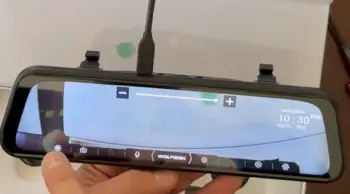
- Compact 10-inch touchscreen that fits naturally in most vehicles: I appreciated how the smaller size blended seamlessly without dominating the windshield.
It provided clear, bright visuals for rear viewing while maintaining good access to original mirror edges.
Perfect for daily commuters who want functionality without bulk.
- Strong 4K front camera with effective WDR technology: Daytime footage looked vivid and balanced, handling bright skies and shadows well.
Details like road markings and vehicle plates ahead remained sharp, making it reliable for everyday recording needs and evidence collection.
- Fast and reliable 5.8GHz WiFi for easy app connectivity: This became one of my favorite aspects.
Video downloads to my phone happened quickly and smoothly, allowing instant review or sharing after drives.
The app interface felt intuitive for managing settings and footage on the go.
- Effective parking mode support when hardwired: The system wakes reliably for impacts and provides solid monitoring coverage.
I used it successfully in various parking scenarios, and it delivered usable clips without major battery concerns when installed correctly.
- User-friendly reverse assist and responsive controls: Backing into tight spots felt easier with on-screen guidelines.
Touch response stayed quick with minimal lag, making adjustments simple even while driving.
- Excellent value combining 4K performance with modern features: You get premium recording quality and convenience at a more approachable price, making it ideal for a wide range of drivers who want solid protection without overspending.
Cons Of The Wolfbox G930
- 1080p Rear Camera That Shows limitations in detail and low light: While usable for most situations, the lower resolution meant softer images when zooming in on distant objects or reviewing night footage.
It didn’t capture plates or fine details as crisply as the G900, which mattered during longer highway drives.
- Smaller screen size that offers less immersive viewing: The 10-inch display, though practical, felt limiting when I wanted expansive rear visibility in larger vehicles or with passengers blocking the traditional mirror.
I occasionally missed the extra real estate of the bigger model.
- Night vision that performs well but not at the highest level: WDR helps, yet glare from lights affected clarity more noticeably in very dark conditions compared to models with superior sensors.
Rural or poorly lit areas sometimes required extra caution when relying on the footage.
- Need for regular storage management due to high-resolution recording: The 4K front fill cards reasonably fast during extended use, so I formatted more often to maintain smooth performance.
This adds a small maintenance step to ownership.
- Slightly less premium feel in direct comparison for build or features: While solid, some aspects like menu depth or accessory ecosystem felt a step below the G900, which might matter to users seeking the absolute top-tier experience.
Video Quality Comparison – What Really Matters On The Road

I tested both on the same routes under identical conditions. The front 4K on each model impresses equally—sharp, colorful, and reliable.
But the rear camera separates them. G900’s 2.5K captures finer details like distant signs or faces inside following cars.
G930’s 1080p handles most scenarios well but can look softer when zooming in later.
Night performance favors the G900 slightly thanks to better sensor handling of contrast. Both manage glare decently with WDR technology, but neither completely eliminates all headlight bloom.
For insurance purposes or police reporting, either works, but G900 gives you that extra margin of clarity.
Installation And Daily Use Insights
Installing either takes about 20-30 minutes. You strap the mirror unit over your existing one and run the rear camera cable to the back.
I recommend the hardwire kit for parking mode on both—it’s straightforward but might need a professional if you’re not comfortable with fuse taps.
In daily driving, I love how both free up my phone from being a dash cam mount. The built-in screens are always visible and don’t require extra apps while moving.
Touch response feels natural, like using a tablet. Voice commands on higher G900 variants add convenience for changing settings hands-free.
Parking Mode Deep Dive
Both support parking mode, answering one common question upfront. You’ll need the hardwire kit for constant power.
Once set up, they detect impacts and start recording short clips, or use time-lapse for longer monitoring. G900’s higher rear resolution makes parked footage more useful for spotting vandalism or minor bumps.
G930 performs reliably too and wakes quickly. Battery drain stays manageable with proper installation.
Who Should Buy Which Model?
If you drive a larger vehicle, want the absolute best rear visibility, and don’t mind the bigger footprint, go with the G900.
It feels like a premium upgrade that enhances your driving experience every single trip.
For most people in sedans or crossovers who want excellent value, strong front recording, and easy phone integration, the G930 hits the sweet spot. It delivers 90% of the performance at a more accessible price and size.
I’ve switched between them depending on the vehicle I’m in, and both have saved me stress during minor fender benders by providing clear evidence.
Also Read: Comparison Of Wolfbox G850 And G900
Frequently Asked Questions (FAQ)
It depends on your priorities. The G900 often feels best for maximum clarity and screen size, while the G930 wins for value and compactness.
Yes, it’s a strong performer with crisp 4K front video, reliable WiFi, and easy daily use—great for most drivers.
Absolutely. Its superior rear camera and large display make it one of the top choices for detailed recording and visibility.
Yes, it supports full parking monitoring when paired with the hardwire kit for constant power.
Final Thoughts
After spending real months with both the Wolfbox G900 and G930, I can confidently say they’re both excellent mirror dash cams that outperform traditional hidden units in usability.
The choice boils down to screen size preference and how much rear detail you need. You can’t really go wrong, but understanding these differences helps you pick the one you’ll actually love living with every day.
I hope my perspective helps you make the right call for your driving style and vehicle.
If you’re still on the fence, consider your typical routes and whether a bigger, sharper rear view justifies the differences.
Either way, adding one of these will give you far better protection and awareness than driving without.
Recent Posts
I tried Meltoway Hair Dissolving Cream because I wanted a quick way to deal with unwanted body hair without reaching for a razor every few days. If you are looking for a convenient at-home...
If you’re considering a saffron-based supplement to support mood, appetite control, and everyday wellness, Happy Saffron Plus is worth considering.I like that it takes a familiar botanical...