
If you’re thinking about trying Young Goose skincare, I understand the appeal. The brand markets itself as science-driven and anti-aging focused, promising youthful, radiant skin.
I was curious too—and after testing it myself, I can tell you this: while it has some interesting ideas, it’s not a product I’d confidently recommend.
You deserve skincare that truly delivers, and this one may not live up to your expectations.
My Personal Experience Using Young Goose Skincare
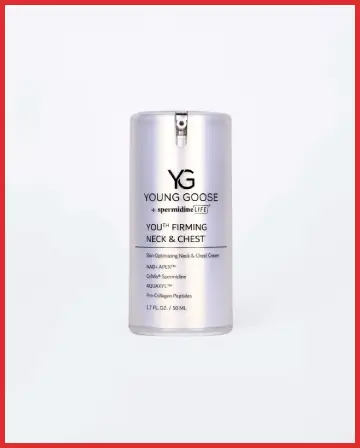
I went into this experience with genuine curiosity. Like you, I’m always on the lookout for skincare that can actually improve texture, reduce fine lines, and give that healthy glow without overcomplicating things.
Young Goose positions itself as a premium, research-backed brand, so I expected visible results—especially at its price point.
When I first started using the products, I appreciated the packaging. It felt minimal, clean, and somewhat clinical, which gave off that “high-performance skincare” vibe.
The texture of the products was also decent. Serums absorbed relatively quickly, and creams didn’t feel overly greasy. At first glance, it felt promising.
But within the first two weeks, I started noticing inconsistencies. Some days my skin felt hydrated and smooth, but other days it felt slightly irritated or just… unchanged.
That’s where the cracks began to show. You expect consistency from a premium brand, and I wasn’t getting that.
Another issue I encountered was layering. If you’re someone who uses multiple products (which, let’s be honest, most of us do), Young Goose formulas didn’t always play well with others.
I experienced pilling when combining it with sunscreen or makeup, which quickly became frustrating.
By week four, I was really evaluating results. Did I see a reduction in fine lines? Not significantly. Was my skin brighter or firmer? Marginally at best. For a product that markets itself heavily around anti-aging science, the results felt underwhelming.
One thing that stood out—and not in a good way—was how my skin reacted over time. Instead of improving steadily, it plateaued quickly. That’s usually a sign that the formulation isn’t as effective as advertised, or simply not suitable for long-term use.
So if you’re expecting transformative results, I’d say manage your expectations. It’s not a total disaster, but it’s far from impressive—especially considering the cost.
What Is Young Goose Skincare?
Young Goose is a skincare brand focused on anti-aging solutions using what it claims are advanced scientific formulations. The brand emphasizes longevity science, cellular repair, and skin regeneration.
Their product line typically includes serums, creams, and targeted treatments aimed at reducing wrinkles, improving elasticity, and boosting overall skin health.
Sounds great on paper, right? But as you’ve seen from my experience, the reality doesn’t fully match the marketing.
Pros Of Young Goose Skincare
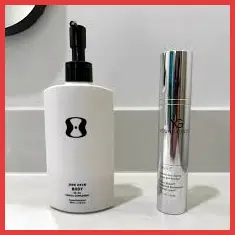
- Advanced, Science-Focused Ingredients
One of the biggest selling points—and to be fair, a genuine strength—is the ingredient philosophy.
Young Goose leans heavily into “biohacking” skincare, using compounds like NAD+ precursors, peptides, and antioxidants that are associated with cellular repair and anti-aging.
On paper, that’s impressive. These ingredients are often discussed in longevity and dermatology spaces, and they can support skin health when formulated correctly.
If you’re someone who’s drawn to cutting-edge skincare concepts, this brand definitely grabs your attention.
But here’s the reality check: having advanced ingredients doesn’t automatically mean better results. What matters is formulation quality, stability, and delivery—and that’s where things become less convincing.
- Lightweight Texture And Fast Absorption
When you first apply the product, it feels good—there’s no denying that. The formulas are generally lightweight, absorb quickly, and don’t leave that heavy, suffocating layer on your skin.
Many users also report that the products are non-greasy and easy to wear during the day.
If you live in a humid climate (like I do sometimes), this is actually a big plus. You won’t feel like your skin is melting under layers of product.
Still, texture alone isn’t enough. A product can feel luxurious and still fail to deliver meaningful results.
- Noticeable Short-Term Improvements
To be fair, some users do report improvements in hydration, brightness, and overall skin smoothness within a few weeks.
And I experienced something similar—my skin looked slightly more refreshed early on. If your main goal is a quick glow boost or mild hydration, you might see some benefit.
But this is where expectations need to be realistic. These are surface-level improvements, not deep, long-term anti-aging changes.
- Fragrance-Free and Minimal Sensory Irritation
Another positive: most formulations avoid strong fragrances. That’s great if you’re sensitive to scents or simply don’t like heavily perfumed skincare.
Fragrance-free products are generally a safer option for many people, especially if you’re trying to avoid unnecessary irritation.
However, “fragrance-free” doesn’t automatically mean “irritation-free.” That depends on the full formulation.
Cons Of Young Goose Skincare
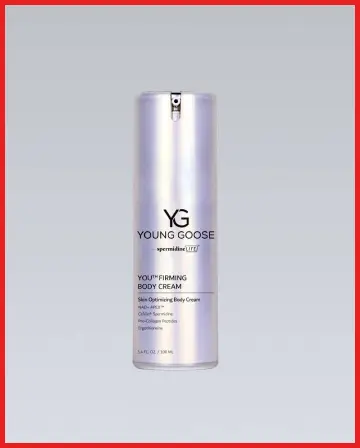
- High Price Without Consistent Results
Let’s address the biggest issue right away: the price-to-performance ratio.
Young Goose sits firmly in the premium skincare category, but the results don’t consistently match that price. While some users report improvements, others see minimal or no noticeable change—especially when it comes to deeper concerns like wrinkles or firmness.
Even reviews that are generally positive admit that it’s “not a miracle product” and won’t dramatically reverse aging.
And that’s the problem. At this price point, you expect more than “just okay.”
- Lack of Strong Independent Clinical Evidence
The brand talks a lot about science, research, and clinical backing—but when you look closer, there’s a gap.
From community discussions, one recurring concern is the lack of independently verified, peer-reviewed studies supporting the brand’s specific formulations.
“No independent, peer-reviewed clinical trials… verifying their branded formulations”
That doesn’t mean the products are ineffective—but it does mean you’re relying heavily on brand claims rather than solid, third-party validation.
And in skincare, that matters.
- Inconsistent User Experiences
This is where things get frustrating.
Some people see decent results, others see nothing, and some even experience irritation or breakouts. That level of inconsistency makes it hard to trust the product.
Even on forums, opinions are all over the place:
“Didn’t feel it necessary to repeat… very highly priced”
When a product works well, you usually see more consistent feedback. Here, it feels unpredictable—which is not what you want in skincare.
- Overhyped Marketing Language
The brand uses a lot of high-level scientific language—terms like “cellular rejuvenation,” “longevity science,” and “biohacking.”
Sounds impressive, right?
But when marketing leans heavily on complex terminology without equally strong real-world results, it starts to feel like overpromotion.
You shouldn’t need to decode scientific jargon just to justify whether a product works.
- Small Product Size and Limited Value
Another practical issue: the bottle sizes are relatively small, and they don’t last very long with regular use.
Even users mention that a standard bottle might only last around a month or two depending on usage.
When you combine that with the high price, the long-term cost becomes hard to justify—especially if results are modest.
- Not Ideal for Sensitive or Reactive Skin
Despite being fragrance-free, the formulas still contain active ingredients that may not suit everyone.
Some users report irritation or reactions, especially when layering with other products or using it frequently.
And if your skin is even slightly sensitive, that risk becomes a serious drawback.
- Limited Availability and Accessibility
Unlike more established skincare brands, Young Goose isn’t widely available in stores. It’s mostly sold online or through select channels.
That might not seem like a big deal, but it makes testing, returning, or even sampling the product more difficult.
ing elasticity, and boosting overall skin health.
Sounds great on paper, right? But as you’ve seen from my experience
Tips For Using Young Goose Skincare
- Start Slow and Let Your Skin Adjust
One of the biggest mistakes you can make is jumping in too quickly. I get it—you buy a premium product and want results fast. But with Young Goose, starting slow is critical.
Instead of using it daily right away, begin with 2–3 times per week. This gives your skin time to adjust to the active ingredients without overwhelming it. When I used it too frequently early on, I noticed subtle irritation that I initially ignored—but over time, it affected how my skin responded.
You should treat it like an introduction, not a full commitment from day one. Gradually increase usage only if your skin feels comfortable.
- Keep the Rest of Your Routine Simple
This is not the time to layer five different serums and actives. Young Goose formulas don’t always play nicely with others, and overloading your routine can lead to pilling or irritation.
When I simplified my routine—gentle cleanser, Young Goose product, and a basic moisturizer—things improved slightly. It didn’t transform the results, but it reduced the negative side effects.
If you’re using strong actives like retinol, AHAs, or vitamin C, be careful. Combining too much can stress your skin and cancel out any potential benefits.
- Always Pair It With Sunscreen
If there’s one rule you should never break, it’s this: always use sunscreen during the day.
Even if Young Goose doesn’t explicitly make your skin more sensitive to sunlight, most anti-aging ingredients work at a deeper level. Without sun protection, you’re essentially undoing whatever progress you’re hoping to achieve.
Use a broad-spectrum sunscreen every morning. This isn’t optional—it’s part of the routine.
- Apply on Slightly Damp Skin for Better Absorption
This is a small trick that can make a noticeable difference. Applying the product on slightly damp skin helps improve absorption and spreads the product more evenly.
When I applied it on completely dry skin, it sometimes felt like it just sat on the surface. On damp skin, it blended better and felt more effective—at least in terms of hydration.
You don’t need soaking wet skin—just lightly damp after cleansing.
- Use the Right Amount
It’s tempting to use more product, especially when you’re not seeing dramatic results. But using too much can actually make things worse.
I noticed that overapplying led to pilling, especially when layering sunscreen or makeup afterward. It also made my skin feel slightly congested.
Stick to a small, controlled amount—usually a pea-sized portion for serums. Let it fully absorb before applying anything else.
- Give It Time—but Set a Limit
You need patience with skincare, but you also need boundaries.
Give the product about 4 to 6 weeks to show results. That’s a reasonable timeframe to evaluate whether it’s working for you. During this period, track how your skin looks and feels.
But here’s the important part: if you don’t see noticeable improvement by then, don’t keep using it just because you’ve already invested in it. I made that mistake—hoping things would improve—and it just wasn’t worth it.
Your skin deserves better than “maybe it’ll work eventually.”
- Watch for Warning Signs
e, the reality doesn’t fully match the marketing.
Comparison Young Goose Skincare With Other Brands
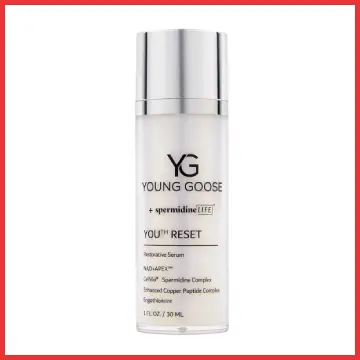
- Young Goose vs Medical-Grade Skincare Brands
When you compare Young Goose to medical-grade skincare brands, the difference becomes clear. Medical-grade options often provide clinically tested results and more stable formulations.
With Young Goose, you’re mostly relying on marketing claims rather than proven outcomes.
- Young Goose vs Drugstore Skincare
This is where things get interesting. Some drugstore brands—despite being far more affordable—deliver equal or even better results in terms of hydration and texture improvement.
That makes Young Goose harder to justify financially.
- Young Goose vs Luxury Skincare Brands
Even within the luxury category, Young Goose struggles to stand out. Other high-end brands often offer better consistency, more noticeable results, and a stronger track record.
So if you’re already willing to spend, there are better options out there.
Who Should Consider It?
If you’re curious and don’t mind experimenting, you might still want to try it. But if you’re expecting reliable anti-aging results, I’d suggest looking elsewhere.
It’s not the worst product on the market—but it’s far from the best.
Also Read: Is Mad Hippie Skin Care Worth It?
Frequently Asked Questions (FAQ)
The best anti-aging serum depends on your skin type, but generally, products with retinol, vitamin C, and peptides tend to deliver more consistent results. You’ll want something clinically tested rather than heavily marketed.
Highly rated skincare lines are usually those with strong clinical backing and consistent customer satisfaction. Brands that focus on transparency and proven ingredients tend to perform better over time.
Young Goose is a relatively niche brand, and ownership details aren’t as widely publicized as larger skincare companies. It positions itself as a science-driven brand rather than a celebrity-backed one.
It’s marketed for most skin types, especially those concerned with aging. However, based on my experience, it may not be ideal for sensitive or reactive skin.
Final Thoughts
After using it myself, I can’t confidently recommend Young Goose skincare. While it looks promising and feels decent at first, the results just don’t justify the price or the hype. You deserve products that actually improve your skin—not ones that leave you guessing.
One thought on “Young Goose Skincare Reviews: What You Should Know Before Buying?”
Leave a Reply
Recent Posts
● Interactive 5-Zone Interior & Exterior Paint Blueprint Paint Coverage Calculator: Gallons, Primer, Square Footage & Cost Tap any architectural surface zone on the blueprint...
If you want smooth, shiny hair without spending a fortune on a premium styling tool, the Ella Bella hair dryer may be worth considering.In these Ella Bella hair dryer reviews, I’ll look...
Thank you for your honest assessment of the product. After reading other reviews, I was not impressed especially when the cost is so high. I have had the same results.