
If you’re searching for Z3 Pro snoring device reviews because you’re tired of loud snoring, poor sleep, or disturbing your partner, I understand why this product looks tempting.
Its compact design and promise of reducing snoring without a traditional CPAP machine sound appealing.
However, after weighing the advertised benefits against the many negative customer experiences, I would not recommend buying the Z3 Pro.
Concerns about effectiveness, uncomfortable stimulation, skin irritation, device attachment, and frustrating refund experiences make me think there are safer and more established options worth considering.
My First Experience With My Z3 Pro
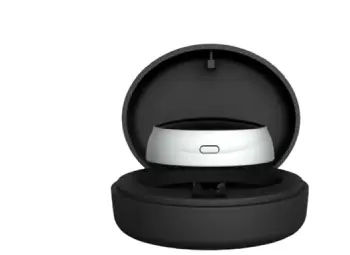
When I first came across the Z3 Pro, I was immediately interested in the concept.
Snoring products are everywhere, but most seem to fall into a few familiar categories. You have nasal strips, mouthpieces, positional aids, CPAP machines, and various electronic gadgets.
The Z3 Pro tries to stand apart by using electrical muscle stimulation around the chin area.
The concept sounds clever.
The basic premise is that muscles and tissues around the upper airway can relax during sleep.
As the airway becomes narrower, air passing through can cause surrounding tissues to vibrate, producing the familiar sound of snoring.
The Z3 Pro is designed to use small electrical impulses intended to stimulate muscles in the area.
When I first read about that approach, I could understand the attraction. If I could put on a relatively small device before bed and wake up to a quieter night, that would certainly be easier than dealing with a bulky machine.
But when I started looking beyond the marketing claims, my enthusiasm faded. The biggest thing I noticed was the huge variation in customer experiences.
Some people say the device helped reduce their snoring. Others say it made virtually no difference.
Some complaints are much more serious, involving discomfort, skin reactions, attachment problems, or dissatisfaction with the return and refund process. That inconsistency is important.
I don’t expect every product to work identically for every person. Snoring has many causes, and what helps one person may do nothing for another. However, when I’m considering a product that is supposed to influence nighttime breathing, I want more than impressive promises.
I want reliability. I also want to know what happens if the product doesn’t work for me. That’s where the Z3 Pro becomes less attractive.
Several customers have reported that the device or adhesive contact component didn’t remain properly attached during sleep. If the device moves or separates from the skin, I would question whether it can deliver consistent stimulation throughout the night.
Other customers have complained about unpleasant sensations. Some describe the electrical stimulation as uncomfortable or similar to a shock.
For me, that’s a major issue because the entire purpose of an anti-snoring product is to improve sleep.
If a device keeps me awake, makes me uncomfortable, or causes me to become more conscious of something attached to my chin, I’m not sure what I’ve gained.
Then there are reports involving skin irritation. I don’t think those complaints should automatically be treated as proof that every Z3 Pro user will develop a skin problem.
Individual skin sensitivity varies considerably. Still, reports of painful irritation or burns would make me cautious about putting the product against my skin night after night. The refund complaints also caught my attention.
A product can occasionally fail. That’s understandable. But when consumers say they returned the product and then experienced lengthy communication or refund delays, the overall purchasing experience becomes more concerning.
This is especially relevant when a product is marketed around a trial or money-back concept. If I am relying on the ability to return a product when it doesn’t work, I want that process to be straightforward.
My overall impression is therefore mixed at best. I can see why someone would want the Z3 Pro. The design is compact, the idea is interesting, and some users appear to have positive experiences.
But I wouldn’t personally recommend buying it based on the negative customer feedback surrounding effectiveness, comfort, skin reactions, attachment and refunds.
What Is the Z3 Pro Supposed to Do?
The Z3 Pro is an electronic anti-snoring device that uses electrical muscle stimulation.
Instead of physically repositioning your jaw or delivering pressurized air through a mask, the device attempts to influence muscle activity using controlled stimulation.
That makes it quite different from a traditional oral appliance.
The attraction is obvious.
You don’t have to wear a conventional mouthguard covering your teeth, and you don’t have to sleep connected to a CPAP machine.
The manufacturer presents the device as an automated solution that can detect signs associated with snoring and respond with stimulation.
That sounds impressive.
Pros Of Z3 Pro
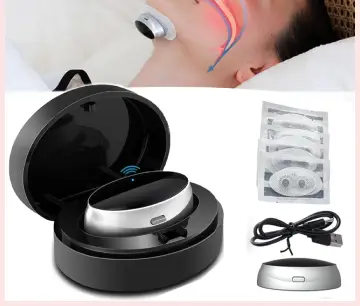
Even though I wouldn’t recommend the product overall, there are some characteristics that explain why people are interested in it.
- Compact Design
The first advantage is obvious: size.
Compared with a CPAP machine, the Z3 Pro is much less cumbersome.
You aren’t dealing with a bedside machine, air tubing and a traditional mask.
If you hate having equipment around your face while sleeping, the compact format can look appealing.
I can certainly understand that.
- No Traditional Mouthguard
The Z3 Pro doesn’t rely on a conventional dental mouthpiece.
That’s potentially useful for people who dislike sleeping with something inside their mouth.
Traditional oral appliances can take some getting used to, and some people experience jaw discomfort, excessive saliva, dry mouth or other issues.
So from a comfort concept standpoint, the Z3 Pro offers a different approach.
- Silent Operation
A small electronic device doesn’t create the same type of mechanical noise associated with some sleep equipment.
For someone who wants a quiet bedroom, that’s attractive.
Of course, silent operation doesn’t matter much if the device itself causes discomfort or fails to reduce snoring.
- Automatic Function
Another appealing feature is its intended automatic operation.
The idea is that you don’t have to wake up and manually adjust the device every time snoring begins.
If the system works as intended, that could make nighttime use relatively simple.
- Some Users Report Positive Results
I don’t want this review to pretend that every customer hates the Z3 Pro.
There are people who report reduced snoring and better sleep after using it.
That’s worth acknowledging.
The problem is that positive experiences are accompanied by a substantial number of negative reports.
So I wouldn’t base a purchase decision solely on glowing testimonials.
- Alternative Format
The Z3 Pro offers another format for people who don’t want a CPAP mask or traditional mouthpiece.
That is probably its strongest selling point.
If you’re exploring the anti-snoring market, having different approaches available is useful.
The question is whether this particular approach is reliable enough to justify the cost and potential frustration.
That’s where I remain unconvinced.
Cons Of Z3 Pro
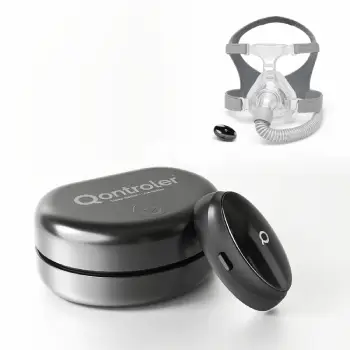
This is the section I would pay the closest attention to before making any decision.
- Mixed Effectiveness
The most obvious concern is effectiveness. Some users report significant improvement.
Others say they noticed little or no difference. I find that inconsistency difficult to ignore.
If you’re spending money specifically to reduce snoring, you need reasonable confidence that the product can deliver meaningful results.
The customer reports I’ve seen don’t give me that confidence.
- Attachment Problems
The Z3 Pro relies on contact with the skin around the chin.
That creates another potential weakness.
Several customers have complained that the device became detached from its adhesive patch during use.
Think about that for a moment. You’re asleep. You’re moving around.
You’re sweating.
Your skin naturally produces oils.
The adhesive needs to remain secure for the device to perform properly.
If it repeatedly comes loose, you’re potentially dealing with interrupted operation and another reason to wake up during the night.
That’s not what I want from a sleep device.
- Skin Irritation
Some users have reported irritation or more serious skin reactions around the contact area.
I consider this a particularly important complaint.
Whenever an electronic device is repeatedly attached to the same area of skin, you need to pay attention to how your body reacts.
If you experience persistent redness, burning, swelling, itching, pain or skin damage, I would stop using it rather than trying to tolerate the problem.
- Uncomfortable Stimulation
Electrical stimulation can feel very different from person to person.
Some people may barely notice it.
Others may find it distracting or uncomfortable.
Several customer reports describe unpleasant shocks or stimulation that interfered with sleep.
For me, that’s a major drawback.
Imagine buying a product because you want deeper, quieter sleep and then spending the night thinking about the sensation on your chin.
That’s counterproductive.
- Refund Concerns
The complaints about returns and refunds are another major reason I wouldn’t recommend the Z3 Pro.
Some customers say they returned their devices but experienced significant delays before receiving their money back.
Others describe the return process as complicated and frustrating.
I always pay attention to this when evaluating online products.
The purchase isn’t finished when you receive the package.
The real customer experience includes what happens when the product doesn’t meet expectations.
- Marketing Can Sound More Impressive Than the Reality
The Z3 Pro is presented as a modern alternative to traditional sleep equipment.
That’s a powerful sales message.
But marketing language should never replace independent evaluation.
I would be especially careful with claims relating to sleep apnea.
Snoring and sleep apnea are not the same thing.
Someone can snore without having sleep apnea, while another person can have sleep apnea that requires proper medical treatment.
That’s why I wouldn’t rely on an anti-snoring gadget to manage a diagnosed sleep disorder without professional guidance.
Comparison Of Z3 Pro With Other Brand
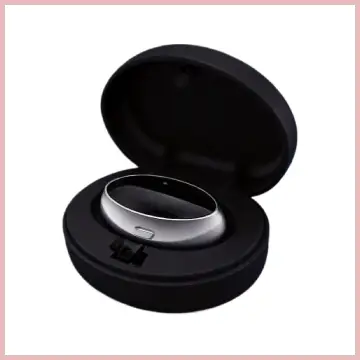
- Z3 Pro vs CPAP
CPAP and the Z3 Pro are fundamentally different.
CPAP uses positive airway pressure to help keep the airway open during sleep.
The Z3 Pro uses electrical stimulation.
I understand why someone might prefer the Z3 Pro from a convenience perspective.
There’s no large machine beside the bed.
There’s no traditional CPAP mask.
There’s no long tube running from the machine to your face.
But convenience isn’t the only factor.
For diagnosed obstructive sleep apnea, established treatments deserve serious consideration.
If CPAP is uncomfortable, I wouldn’t simply abandon it for the Z3 Pro because the latter looks easier.
I’d first discuss mask fit, pressure settings, alternative masks or other medically appropriate treatments with a professional.
- Z3 Pro vs Oral Appliances
Oral appliances are another popular approach.
These devices generally work by repositioning the jaw or related structures to help maintain airway space.
A professionally fitted oral appliance can be an established option for certain people, particularly those who cannot tolerate CPAP or prefer another treatment.
The disadvantage is obvious.
You have something inside your mouth all night.
Some people find that uncomfortable.
Others adjust quite well.
Personally, I’d rather choose a properly evaluated and professionally fitted option than automatically choose the newest-looking gadget.
- Z3 Pro vs Nasal Strips
Nasal strips are much simpler.
They don’t claim to solve every type of snoring.
Instead, they mechanically help open the nasal passages.
If congestion or restricted nasal airflow contributes to your snoring, a simple nasal strip may be worth considering.
Obviously, nasal strips aren’t a treatment for serious sleep apnea. But that’s exactly why I like the simplicity of the approach. You know what you’re trying to accomplish.
- Z3 Pro vs Positional Therapy
Your sleeping position can influence snoring. Some people snore more when lying on their backs.
In those cases, encouraging side sleeping may help. There are specialized positional products, but you can also try simpler behavioral approaches.
I would consider this type of low-risk strategy before spending money on an expensive electronic device.
It won’t work for everyone. But it’s inexpensive and easy to test.
- Z3 Pro vs Lifestyle Changes
This may be the least exciting comparison, but it deserves attention.
Sleep deprivation, alcohol consumption close to bedtime, nasal congestion and excess body weight can contribute to snoring in some people.
Addressing those factors may improve snoring without buying any device.
That’s not a glamorous solution.There’s no fancy packaging. There’s no futuristic technology.
But sometimes the simplest intervention is worth trying first.
Maintenance Tips For Z3 Pro
If you already own the Z3 Pro and decide to use it, I’d take maintenance and skin care seriously.
- Clean Your Skin Before Use
Start with clean, dry skin. Avoid applying heavy moisturizers, oils or other products directly underneath the adhesive area before attaching the device.
Clean skin generally provides a better surface for attachment.
- Check the Adhesive
Before going to sleep, make sure the contact area is securely positioned.
If it is already peeling or feels loose, don’t assume it will somehow remain attached all night.
Replace or reposition components according to the manufacturer’s instructions.
- Inspect Your Skin
Make checking your skin part of your routine. Look for redness, swelling, itching, burning, tenderness or unusual marks.
If you notice a persistent reaction, stop using the product.
Don’t convince yourself that you need to “push through” discomfort.
- Keep the Electronic Unit Dry
Electronic equipment and unnecessary moisture are not a good combination.
Unless the product is specifically designed to be submerged or washed, I wouldn’t expose the electronic components to excessive water.
Use the manufacturer’s recommended cleaning approach.
- Store It Properly
When you’re finished using it, put it somewhere clean and dry.
Avoid tossing it into a humid bathroom drawer or leaving it somewhere exposed to dust.
A small storage case can help protect the device.
- Replace Worn Components
Adhesive components don’t last forever.
If they become dirty, damaged or lose their ability to remain securely attached, replace them as recommended.
Trying to save money by using worn adhesive could compromise both comfort and performance.
- Don’t Ignore Pain
This deserves repeating. If stimulation becomes painful, unusually intense or causes a skin reaction, don’t simply increase or tolerate the discomfort.
Stop using the device and seek appropriate professional advice if necessary.
Who Should Be Especially Careful With the Z3 Pro?
I would be particularly cautious if you have diagnosed sleep apnea.
I’d also avoid experimenting with electrical stimulation devices without professional guidance if you have implanted electronic or metallic medical devices, because electrical stimulation can present specific safety considerations.
If you have unexplained nighttime breathing problems, frequent gasping, severe daytime sleepiness or other concerning symptoms, I’d prioritize medical evaluation.
The same goes for anyone who experiences significant pain or skin injury while using the product.
Frequently Asked Question (FAQ)
It may help some users reduce snoring, but results vary. Due to mixed customer feedback, I wouldn’t consider it a reliably effective option.
There isn’t one best device for everyone. The right choice depends on the cause and severity of your snoring.
I wouldn’t recommend using it as a replacement for proven sleep-apnea treatments. If you suspect sleep apnea, speak with a healthcare professional.
Feedback is mixed. Some users report less snoring, while others complain about poor results, uncomfortable stimulation, skin irritation, attachment issues, and refunds.
Wrapping Up
Overall, I wouldn’t recommend the Z3 Pro because of its mixed results, comfort concerns, and numerous negative customer experiences.
If you struggle with persistent snoring or possible sleep apnea, I’d choose a more established solution and seek professional advice before relying on this device.
Recent Posts
I tried Meltoway Hair Dissolving Cream because I wanted a quick way to deal with unwanted body hair without reaching for a razor every few days. If you are looking for a convenient at-home...
If you’re considering a saffron-based supplement to support mood, appetite control, and everyday wellness, Happy Saffron Plus is worth considering.I like that it takes a familiar botanical...