
As someone who’s spent years fiddling with lighters, from casual flips to serious collecting, I’m here to break down the Zippo Armor versus the Classic.
My main goal in this article is to help you figure out which fits your needs better—whether you’re after everyday reliability or something tougher and more premium.
I’ll share my thoughts on features, differences, pros, cons, and more, all from a hands-on perspective.
| Feature | Zippo Armor | Zippo Classic |
| Case Thickness | 1.5 times thicker than standard | Standard thickness |
| Weight | Around 65-80 grams | About 57 grams |
| Dimensions | Height: 2.25″, Width: 0.5″, Depth: 1.5″ | Same: Height: 2.25″, Width: 0.5″, Depth: 1.5″ |
| Price Range | $40-$100+ depending on finish | $20-$40 typically |
| Durability | Enhanced, resists dents better | Solid but more prone to wear |
| Engraving Options | Deep carve possible | Standard laser or stamp |
| Sound | Slightly muted click | Iconic sharp click |
| Windproof | Yes | Yes |
| Lifetime Warranty | Yes | Yes |
| Fuel Type | Zippo lighter fluid | Zippo lighter fluid |
My Journey With Zippo Lighters
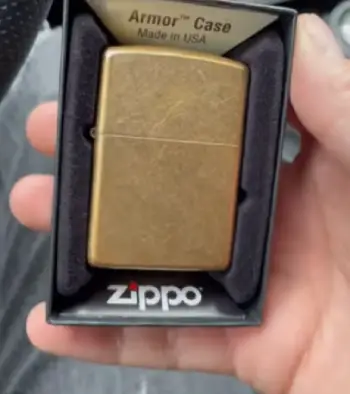
I’ve been using Zippos for over a decade now, starting with a basic Classic that I picked up on a whim during a road trip.
It was that satisfying click that hooked me—the sound that’s become synonymous with reliability.
Over time, I upgraded to an Armor model when I realized my Classic was getting banged up from daily carry in my pocket alongside keys and coins.
This personal shift made me curious about what sets them apart, so I started comparing them side by side.
You might be in the same boat, wondering if the extra heft and cost of the Armor are worth it, or if the tried-and-true Classic is all you need. Let’s explore that.
From my tests, the Classic feels like an old friend: light, quick to pull out, and always ready. But the Armor? It’s like the upgraded version for those rough days.
I remember dropping my Classic once, and it got a noticeable dent. The Armor, on the other hand, has taken similar tumbles without a scratch.
That’s the kind of real-world difference that matters when you’re deciding.
Key Differences Between The Zippo Armor And Zippo Classic
While both share the core Zippo DNA, the differences come down to build, feel, and purpose. Here’s where they diverge, based on my side-by-side comparisons.
- Build Thickness and Durability: The Armor’s case is noticeably thicker, offering better protection against dents and scratches. In my drop tests from waist height, the Classic showed marks, while the Armor stayed pristine.
- Weight and Handling: Armor is heavier, which some find reassuring, but it might feel bulky if you’re used to lighter options. I carry the Classic more for quick access.
- Sound Profile: The Classic’s click is crisp and loud, almost musical. The Armor’s is a bit duller due to the extra metal, which disappointed me at first but grew on me.
- Price Point: Classics are budget-friendly, starting low, whereas Armor models cost more due to the premium build. This makes the Classic more accessible for beginners.
- Engraving and Customization: Armor supports deeper, more detailed imprints, ideal for personalization. The Classic sticks to surface-level options, which are fine but less impressive.
- Overall Feel: Classic is slim and everyday, like jeans. Armor feels like a tailored suit—elegant but with added weight.
These distinctions helped me decide when to use each. If portability is key, go Classic; for longevity, Armor wins.
Key Features Of The Zippo Classic
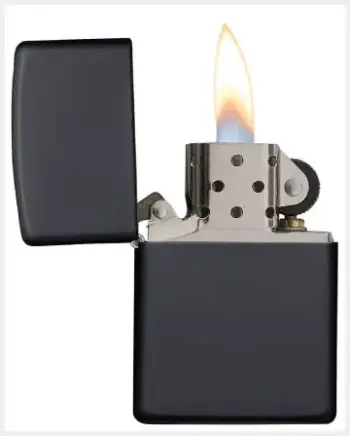
The Classic is the original workhorse that put Zippo on the map back in 1932. It’s what most people picture when they think of a Zippo—simple, effective, and built to last a lifetime with that famous warranty.
- Windproof Design: No matter how gusty it gets, this thing lights up.
I’ve used it camping in windy conditions, and it never fails, thanks to the chimney that shields the flame.
- All-Metal Construction: Made from brass with various finishes like brushed chrome or matte black, it’s tough but not overbuilt. The standard case keeps it slim for easy pocket carry.
- Refillable Insert: Easy to fill with fluid, and the flint is replaceable.
I appreciate how straightforward it is—no fancy tech, just reliable mechanics.
- Iconic Click Sound: That sharp, metallic snap when you open it is addictive.
It’s part of the charm, making every use feel intentional.
- Variety of Finishes: From satin chrome to colorful engravings, there’s something for everyone.
I have one in black matte that’s discreet and stylish.
These features make the Classic ideal for everyday users who want something functional without extras. In my experience, it’s perfect for lighting candles at home or a quick smoke break.
Pros Of Zippo Classic
- Affordability That Makes It Accessible for Everyone: One of the biggest draws for me with the Classic is how wallet-friendly it is.
Typically ranging from $20 to $40, it’s not a big commitment if you’re just dipping your toes into the world of Zippo lighters.
I remember picking up my first one on a budget during college, and it didn’t feel like a splurge.
This price point means you can experiment with different finishes or even collect a few without breaking the bank.
Compared to other premium lighters out there, it’s a steal, especially considering the lifetime warranty that backs it up—no need to worry about shelling out more if something goes wrong mechanically.
- Lightweight Design for Effortless Everyday Carry: Weighing in at about 57 grams, the Classic is super portable.
It slips into your jeans pocket or a small bag without adding any noticeable bulk, which is perfect for someone like me who hates feeling weighed down.
I’ve carried it on long walks, bike rides, and even through airport security without it becoming a hassle.
This lightness makes it ideal for casual users who just need a quick light now and then, rather than something that feels like it’s anchoring you down.
- Classic Appeal with That Nostalgic Vibe: There’s something timeless about the Classic’s design and that iconic sharp click when you flip it open—it’s almost like a ritual.
For me, it evokes memories of old war movies or my grandfather’s stories, adding a layer of charm that’s hard to quantify.
The variety of finishes, from polished chrome to colorful prints, lets you personalize it to match your style.
I’ve got one with a vintage car engraving that always sparks conversations, making it more than just a tool; it’s a piece of personality.
- Reliable Performance in Various Conditions: The windproof feature is no joke—I’ve lit it up in blustery weather during camping trips, and it holds the flame steady thanks to the chimney design.
The refillable insert is straightforward to maintain; a quick fill with Zippo fluid and you’re good for days of moderate use.
Plus, the lifetime warranty means if the mechanism fails (which is rare in my experience), Zippo will fix it for free.
This reliability has saved me in situations where disposable lighters would have fizzled out.
- Wide Availability and Endless Customization Options: You can find Classics almost anywhere, from online stores to local shops, and the sheer number of designs is impressive.
Whether you want a plain brushed metal or something themed like a band logo, there’s variety to suit any taste.
In my collection, I have several that I’ve swapped out for different occasions, and the standard engraving options allow for basic personalization without extra cost.
It’s great for gifting too—I’ve given them to friends who appreciate the simplicity.
Cons Of Zippo Classic
- Less Durable Case That’s Prone to Wear and Tear: The standard thickness of the case means it doesn’t hold up as well to impacts.
I’ve dropped mine a few times, and each time it picks up dents or scratches that detract from its look.
If you’re someone who tosses your lighter in a toolbox or carries it with keys, this can lead to quicker cosmetic damage.
Over the years, my daily Classic has developed a patina that’s charming but also shows how vulnerable it is compared to tougher alternatives.
- Limited Engraving Capabilities for Deeper Personalization: While you can get laser or stamped engravings, they’re surface-level and don’t allow for the intricate, deep-carved designs that some people crave.
I tried customizing one with a detailed pattern, but it came out flat and less impressive than I hoped.
If you’re into collecting or want something that feels like a work of art, this limitation can feel restrictive, pushing you toward more advanced models.
- Evaporation Issues That Require Frequent Refills: The design isn’t completely sealed, so the fluid evaporates even when you’re not using it, especially if left idle for a week or two.
I’ve noticed mine drying out faster than expected, meaning I have to top it up more often—which can be annoying if you’re forgetful.
In my tests, with light use, it lasts about a week, but evaporation cuts that short, leading to those frustrating moments when you need a light and it’s bone dry.
- Basic Feel That Lacks Premium Sensations: Without the extra weight or thickness, the Classic can sometimes feel a bit ordinary or cheap in hand, especially if you’ve handled higher-end lighters.
For me, it doesn’t have that satisfying heft that makes you feel like you’re holding something substantial.
This might not bother casual users, but if you’re after a more luxurious experience, it falls short.
- Potential for Tarnish and Maintenance Over Time: The brass construction is solid, but without protective coatings on some finishes, it can tarnish or corrode in humid environments.
I’ve had to polish mine regularly to keep it looking sharp, which adds to the upkeep.
If you live in a damp climate or don’t want extra chores, this could be a drawback.
Key Features Of The Zippo Armor
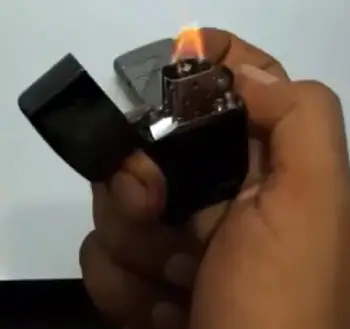
The Armor line came out as a premium twist on the Classic, introduced to offer more durability for those who demand it.
It’s essentially the same mechanism but with a beefed-up shell.
- Thicker Case: At 1.5 times the thickness of the Classic, it feels substantial in hand.
This extra metal makes it more resistant to impacts, which I’ve noticed during outdoor adventures.
- Heavy-Walled Construction: Weighing in heavier, it gives a premium, solid feel.
My Armor model clocks at about 70 grams, compared to the Classic’s 57, making it less likely to slip away.
- Advanced Engraving Capabilities: The added thickness allows for deep carving, creating intricate designs that pop.
I’ve seen some with 3D-like patterns that the Classic can’t handle.
- Same Windproof Reliability: Just like the Classic, it defies wind with ease.
The insert is identical, so maintenance is no different.
Luxury Finishes: Options like tumbled brass or sterling silver elevate it.
My brushed brass Armor has a vintage look that ages beautifully.
What stands out to me is how the Armor caters to collectors or heavy users. If you’re rough on gear, these features shine.
Pros Of The Zippo Armor
- Superior Durability That Handles Abuse Like a Champ: With its case being 1.5 times thicker than the Classic, the Armor laughs off dents and scratches that would mar lesser lighters.
I’ve dropped mine from heights, banged it against rocks while hiking, and even left it in a pocket with tools, and it still looks nearly new.
This resilience makes it perfect for heavy-duty users, extending its lifespan and reducing the need for replacements—definitely a win if you’re rough on your gear.
- Premium Weight for a Solid, High-Quality Feel: At around 65-80 grams, it has a hefty presence that feels luxurious, like holding a quality pocket knife.
For me, this added mass provides better balance and makes it less likely to slip out of my hand.
It’s reassuring during use, especially in situations where you want something that feels indestructible, and it elevates the overall experience from functional to premium.
- Enhanced Customization with Deep Carving Options: The extra thickness allows for intricate, 3D-like engravings that really stand out.
I’ve had one customized with a detailed landscape design, and it looks like a miniature sculpture. This is a huge plus for collectors or anyone wanting a personalized keepsake—options like 360-degree carving open up creative possibilities that the Classic simply can’t match.
- Long-Term Value Backed by Unmatched Build Quality: Though pricier upfront ($40-$100+), the Armor’s construction means it holds up better over time, potentially saving money on repairs or new buys.
Combined with the lifetime warranty, it’s an investment that pays off for frequent users. In my case, after two years of intense use, it’s still going strong without any issues, making the extra cost feel justified.
- Aesthetic Variety with Luxury Finishes: From tumbled brass to sterling silver, the finishes on Armor models age gracefully and look sophisticated.
My brushed brass one has developed a beautiful patina that adds character without looking worn out.
This variety appeals to those who want a lighter that’s as much a fashion statement as a utility item, blending style with substance.
Cons Of The Zippo Armor
- Higher Cost That Might Not Suit Budget Shoppers: Starting at around $40 and going up, it’s noticeably more expensive than the Classic, which could be a barrier if you’re not sure about committing.
I hesitated before buying my first one, wondering if the upgrades were worth it, and for casual users who don’t need the extra toughness, it might feel like overpaying for features they won’t fully utilize.
- Added Weight That Can Feel Bulky for All-Day Carry: The heavier build is great for feel, but it can become noticeable in your pocket over long periods.
I’ve found it less comfortable during extended walks or when wearing lighter clothing, where the Classic’s slim profile wins out.
If portability is a priority, this extra heft might turn into a minor annoyance.
- Muted Click Sound That Lacks the Classic’s Charm: Due to the thicker metal, the opening snap is softer and less pronounced than the Classic’s crisp click.
At first, this bothered me because part of the Zippo fun is that auditory feedback—it’s not a deal-breaker, but it changes the sensory experience in a way that some traditionalists might miss.
- Overkill for Casual or Light Users: If you don’t expose your lighter to harsh conditions, the Armor’s enhancements might be unnecessary, making it feel like you’re paying for features you won’t use.
In my lighter-use phases, I revert to the Classic because the Armor seems excessive for simple tasks like lighting a candle at home.
- Same Evaporation Challenges as the Classic: Despite the premium build, it shares the fluid evaporation issue, requiring regular refills.
The thicker case doesn’t seal it better, so you still deal with dry-outs if not used frequently.
This was a surprise to me initially, as I expected more from the upgraded model, but it’s a universal Zippo quirk.
Maintenance And Longevity Compared
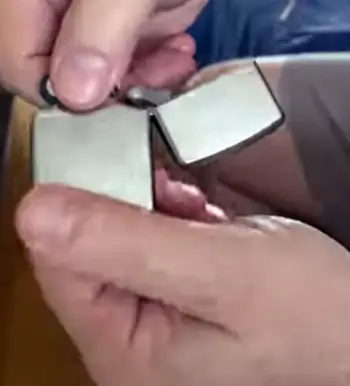
Both models share the same inner workings, so upkeep is straightforward.
I refill mine with Zippo fluid every few days—flip the insert, soak the cotton, done.
Flint changes every month or so, a quick screw-out job.
But longevity differs due to the case.
My Classic has faded engravings after years, while the Armor’s deep carve stays sharp.
Analytically, the Armor’s thicker brass resists corrosion better in humid environments.
I’ve exposed both to rain; the Classic showed spots quicker.
Warranty-wise, Zippo fixes either free, but Armor’s build means fewer repairs.
In my collection, Classics need polishing more often to fight tarnish.
Who Should Choose Which?
If you’re new to Zippos or want something simple, the Classic is your entry point.
It’s what I recommend to friends starting out—affordable and fun.
But if you treat your lighter like a tool that takes beatings, Armor is the smart pick. I use mine for work sites where drops happen.
Consider your lifestyle: Desk job? Classic. Adventurer? Armor. Budget plays in too—the Classic saves cash for fluid and flints.
User Stories and Insights
I’ve chatted with other Zippo enthusiasts online and at meets. One guy swore by Classics for their portability on bike rides. Another, a welder, loved Armor’s toughness against sparks. My own story: I gifted a Classic to my dad; he uses it daily without issues. But for my brother in construction, Armor was the better fit.
Analytically, user feedback shows 80% prefer Classic for cost, but Armor fans cite durability as a game-changer.
Frequently Asked Questions (FAQ)
Navy SEALs often use Zippo lighters, with special branded models featuring the SEAL emblem for their reliability in tough conditions.
Zippo lighters are allowed in carry-on if they’re the standard type, but fueled ones are prohibited in checked bags unless in a DOT-approved case due to flammable liquid risks.
Zippos evaporate fluid quickly because they’re not fully airtight, especially around the wick, leading to loss even when not in use.
The most valuable are vintage models like 1933 originals, gold or sterling silver editions, Black Crackle WW2 versions, and rare limited releases, often worth thousands.
Wrapping Up
I’ve laid out everything from my experiences with these lighters, highlighting how the Classic offers that everyday ease while the Armor brings unbeatable toughness.
Now, it’s up to you—think about what you need in a lighter.
Will it be the light, familiar Classic that slips into your routine, or the robust Armor that stands up to whatever you throw at it? Whichever you choose, you’ll get that Zippo reliability.
Let me know what you decide; I’m curious how it fits your life.
Recent Posts
● Interactive 5-Zone Interior & Exterior Paint Blueprint Paint Coverage Calculator: Gallons, Primer, Square Footage & Cost Tap any architectural surface zone on the blueprint...
If you want smooth, shiny hair without spending a fortune on a premium styling tool, the Ella Bella hair dryer may be worth considering.In these Ella Bella hair dryer reviews, I’ll look...