
I set out to compare the Zoeller M53 and M63 so you can pick the right sump pump for your basement without second-guessing later.
After looking at real performance numbers, build details, and how these pumps hold up in everyday homes, I will walk you through the differences, strengths, and trade-offs so you know exactly which one fits your situation.
| Feature | Zoeller M53 | Zoeller M63 |
| Horsepower | 3/10 HP (often labeled 1/3 HP) | 3/10 HP (often labeled 1/3 HP) |
| Max Flow Rate | 43 GPM / 2,580 GPH at 0 ft head | 43 GPM / 2,580 GPH at 0 ft head |
| Flow at 10 ft Head | About 2,040 GPH | About 2,040 GPH |
| Max Head | 19.25 ft | 19.25 ft |
| Solids Handling | 1/2 inch | 1/2 inch |
| Motor Housing | Cast iron | Cast iron |
| Base & Impeller | Engineered plastic base and impeller | Cast iron base and impeller |
| Weight | Around 23 lbs | Around 28.5 lbs |
| Float Switch | Vertical snap-action, tested to about 1 million cycles | Upgraded vertical snap-action, tested to about 3 million cycles |
| Moisture Protection | Standard switch seal | Viton switch boot for extra protection |
| Cord Length | Typically 9 ft | Typically 9–10 ft with LED plug |
| Warranty | 3-year limited | 5-year limited |
| Best For | Standard residential use, moderate cycling | Frequent cycling, higher durability needs |
Understanding The Zoeller M53 And M63 Side By Side
When I first looked at these two pumps, I expected big performance gaps. What I found instead is that both move the same volume of water under the same conditions.
The real story sits in how long each one stays reliable and how they handle the everyday wear of a sump pit.
The M53 has earned its reputation as a solid workhorse for typical homes. The M63 takes that same foundation and adds upgrades that matter when the pump has to cycle often or when you simply want fewer reasons to worry.
Both use an oil-filled motor that runs cooler than many air-cooled designs. Both pass solids up to half an inch thanks to a non-clogging vortex impeller.
Both fit standard 1-1/2 inch discharge piping and work in pits as small as about 18 inches in many installations.
The differences show up in materials, switch longevity, and the length of the warranty Zoeller stands behind.
Key Differences Between The Zoeller M53 And M63
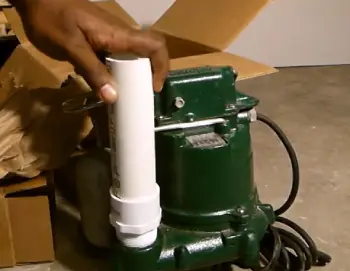
- Construction materials: The M53 uses cast iron for the motor housing and switch case. It switches to engineered plastic for the base and impeller.
The M63 stays all cast iron. This includes the base and impeller.
The extra metal adds weight. It also changes how the pump handles vibration and long-term wear.
- Switch durability: Both use a vertical mechanical float switch. It turns the pump on at roughly 7-1/4 inches. It turns off at 3 inches.
The M63 switch is tested for three times the cycles of the M53 version.
This single change explains much of the longer warranty.
- Moisture protection around the switch: The M63 adds a Viton rubber boot. It sits where the switch arm enters the housing.
This extra barrier reduces the chance of water reaching the electrical contacts.
Mineral-laden groundwater is also better blocked.
- Weight and stability: The M63 weighs about 28.5 pounds. The M53 weighs around 23 pounds.
The heavier unit sits more firmly in the pit.
Less movement means the float is less likely to bind against the basin wall.
- Warranty length: Three years covers the M53. Five years covers the M63.
The difference reflects Zoeller’s confidence in the upgraded components. Longer coverage gives more peace of mind.
- Power cord and indicator: Many M63 units include an LED lighted plug. It shows power is present at a glance.
Cord length is often a foot longer as well. This small detail helps with quick checks.
- Heat handling under load: The full cast-iron body on the M63 acts as a better heat sink. It helps the motor stay cooler during long run times.
The M53 still performs well. The premium model simply has an edge in continuous use.
Key Features Of The Zoeller M53
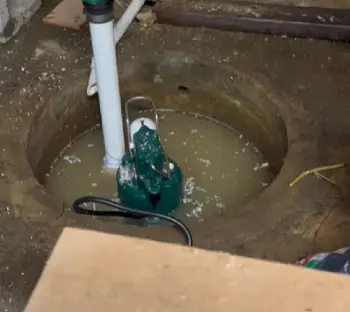
- Cast iron motor housing and switch case: The heavy metal body helps pull heat away from the oil-filled motor.
This allows the unit to run longer during storms. Overheating risk stays lower as a result.
- Engineered plastic impeller and base: The vortex design lets solids pass through. No screen is needed that could clog.
The plastic keeps the price lower. It still resists corrosion in most groundwater conditions.
- Vertical float switch with solid polypropylene float: The float cannot waterlog. The snap-action switch is simple.
It is proven for normal residential cycling. Activation points stay consistent over time.
- Thermal overload protection: If the motor gets too hot the pump shuts down. It resets automatically when it cools.
This built-in safety feature protects the motor from burnout.
- Standard 1-1/2 inch NPT discharge: It threads into the same piping most homes already use. Installation stays straightforward.
No special adapters are required in most cases.
- Factory-tested construction: Every unit is pressure-tested before it ships.
A high percentage of U.S. components are used.
This supports consistent quality across production runs.
- Oil-filled motor design: The oil bath cools the motor effectively.
It also lubricates the bearings. Noise levels stay reasonable during operation.
Pros Of The Zoeller M53
- Lower purchase price: You get genuine Zoeller durability for less money upfront. For many households that only need occasional pumping the savings make sense. Budget-friendly options still deliver solid results.
- Proven track record in ordinary basements: Thousands of homes run this model for a decade or more. Routine float-switch service is often the only maintenance needed. Real-world longevity remains strong.
- Lighter weight for easier handling: At about 23 pounds it is simpler to lower into a tight pit. Lifting it out for cleaning is also easier. Installation feels less demanding.
- Same water-moving power as the M63: Flow rates and head capacity match exactly. You are not giving up capacity by choosing the lower-priced model. Performance stays consistent.
- Easy parts availability: Replacement switches and common service items are widely stocked. Service stays simple when needed. Local suppliers often carry the parts.
- Quiet enough for finished basements: The oil-filled motor and cast-iron mass keep noise lower. Many plastic-bodied pumps are louder by comparison. A good cover reduces sound even further.
- Straightforward fit in standard pits: Dimensions work well with common basin sizes. The vertical float operates cleanly in properly sized installations. Setup time stays short.
The M53 works best when your sump does not cycle constantly and when you are willing to replace the switch after several years of heavy use if needed.
Cons Of The Zoeller M53
- Plastic base and impeller wear faster under abrasive conditions: Sand or grit in the water can erode the plastic over time. Cast iron holds up longer in the same conditions. Abrasive groundwater shortens service intervals.
- Switch tested to fewer cycles: In a pit that fills every few days the contacts can wear out sooner. The M63 version handles higher cycle counts better. Frequent use shows the difference.
- Shorter warranty: Three years is solid coverage. It is still shorter than the premium model. Extra protection comes with the higher-priced unit.
- Slightly more vibration possible: The lighter weight can allow more movement in the basin. An uneven pit floor makes this more noticeable. Stability suffers a bit as a result.
- Fewer moisture barriers on the switch: Without the Viton boot mineral-heavy water has a clearer path. Electrical contacts face more exposure over many years. Long-term reliability can be affected.
- May need earlier switch service: Heavy cycling shortens the life of the standard switch. Replacement is possible. It still adds an extra step compared with the upgraded model.
None of these drawbacks make the M53 a poor pump. They simply define the situations where spending more on the M63 becomes the smarter long-term choice.
Key Features Of The Zoeller M63
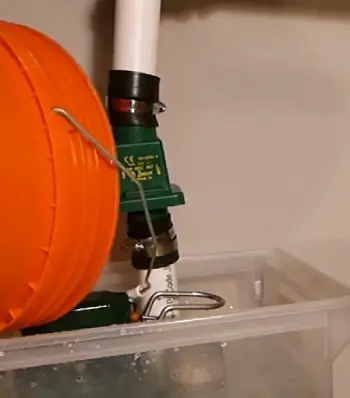
- Full cast-iron construction: Motor housing, pump housing, base, and impeller are all cast iron.
The extra mass improves heat dissipation.
Vibration is also reduced during operation.
- Upgraded float switch: It is tested for roughly three million cycles. This is the single biggest reliability upgrade. Contact wear is delayed significantly.
- Viton switch boot: An extra layer of protection keeps moisture away. Dissolved minerals are also blocked more effectively. The switch mechanism stays cleaner longer.
- LED lighted plug: A quick visual check confirms power is reaching the pump.
You do not need to open the cover.
Status is clear at a glance.
- Same hydraulic performance as the M53: It delivers 43 GPM at zero head.
About 2,040 GPH is available at ten feet of lift.
Capacity matches the lower-priced model exactly.
- Five-year limited warranty: Zoeller stands behind the upgraded components for two extra years.
Coverage reflects the improved build quality.
Peace of mind increases as a result.
- Stainless steel hardware and solid polypropylene float: These details resist corrosion.
The float cannot become waterlogged.
Movement stays free and reliable.
Pros Of The Zoeller M63
- Longer expected service life under frequent use: The better switch and all-cast-iron build reduce early failure risk. Homes with high cycle counts benefit most. Durability improves in demanding conditions.
- Greater stability in the pit: Extra weight keeps the pump from shifting. The float path stays clear as a result. Binding issues become less common.
- Better resistance to abrasive groundwater: Cast-iron impeller and base stand up to sand and grit longer. Plastic components wear faster by comparison. Longevity increases in gritty water.
- Extended warranty coverage: Five years gives more peace of mind. It also reflects real engineering improvements. Protection lasts longer than on the standard model.
- Moisture protection that matters in hard-water areas: The Viton boot addresses a common long-term failure point. Electrical contacts stay better sealed. Reliability improves over time.
- Same easy installation as the M53: Discharge size, float heights, and overall dimensions stay familiar. Setup feels straightforward. No new learning curve is required.
- Cooler running during extended storms: The heavier cast-iron body acts as a heat sink. Motor temperatures stay lower under continuous load. Thermal stress is reduced.
The M63 rewards homeowners who expect their pump to work hard year after year.
Cons Of The Zoeller M63
- Higher purchase price: The premium can be fifty to one hundred dollars or more. Retailer pricing varies. The extra cost is the main barrier for some buyers.
- Heavier to install or service: Nearly thirty pounds requires more effort. Lowering the pump into a deep pit takes extra care. Handling feels more demanding.
- Performance numbers identical to the less expensive model: You pay for durability. You do not gain more gallons per minute. Flow capacity stays the same.
- Still requires a separate battery backup for power outages: Neither model includes backup power. That remains an add-on for both. Storm readiness needs extra equipment.
- Overkill for very light-duty pits: If your sump only runs a few times a year the extra features may never pay for themselves. The M53 can be enough in those cases. Value depends on actual use.
- Slightly higher initial investment required: Budget-conscious buyers may hesitate. Long-term savings appear only with frequent cycling. The payback period varies by household.
The higher cost is the main reason some people stay with the M53. Whether that trade-off is worth it depends entirely on how hard your pump has to work.
Real-World Performance And What Matters Most?
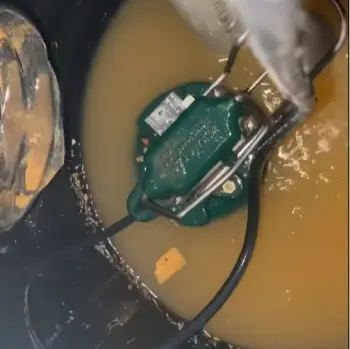
Both pumps deliver the same water volume because they share the same motor size and impeller design geometry.
At zero head they move 43 gallons per minute. At a realistic ten-foot vertical lift the number drops to roughly 34 gallons per minute, or about 2,040 gallons per hour.
That capacity handles the inflow of most residential sump pits during normal storms. If your basement sees extreme volumes, you may need a larger horsepower model, but for the majority of homes these numbers are more than adequate.
Where the pumps diverge is in how many times they can turn on and off before the switch contacts wear.
A home that sees water every few days will put far more cycles on the switch than a home that only needs the pump after the heaviest rains. The M63 switch is built for the first scenario. The M53 is built for the second.
Heat management also improves with the full cast-iron construction of the M63. Cast iron acts as a heat sink. When the motor runs for hours during a prolonged rain event, the extra metal helps keep temperatures lower.
The oil-filled design already helps both models, but the heavier body gives the M63 an edge in continuous-duty situations.
Noise levels stay reasonable on both because of the oil-filled motors and the mass of the cast-iron housings.
Neither is silent, yet both are quieter than many thermoplastic competitors. A tight-fitting sump cover reduces the sound even further.
Installation And Fit Considerations
Both pumps fit the same discharge piping and work in similar pit sizes. The vertical float needs clear space to rise and fall without hitting the basin wall or the discharge pipe.
In very narrow pits the float can bind; this is one of the more common complaints I have seen with the M53 and can appear with the M63 as well if the installation is tight.
A simple float guard or careful positioning usually solves it.
The heavier M63 tends to stay put better once it is seated. The lighter M53 can shift slightly if the pit bottom is uneven or if strong water inflow creates turbulence.
A stable pump keeps the float path clear and reduces wear on the switch arm.
Neither model includes a battery backup. Power outages during storms remain the biggest risk for any primary sump pump.
Pairing either unit with a quality battery backup system or a water-powered backup is the practical next step once you choose between the M53 and M63.
Longevity And Maintenance Reality
Cast-iron construction resists corrosion far better than all-plastic pumps, yet groundwater chemistry still matters.
Hard water with high mineral content can leave deposits on any pump. The Viton boot on the M63 gives that model an advantage in those conditions. Regular inspection of the float and a quick clean of the pit every year or two keeps either pump running longer.
The switch remains the part most likely to need attention first. On the M53 the switch may need replacement after many years of frequent use.
The M63 is engineered to delay that service interval. Replacement switches are available and relatively straightforward to install on both models, which extends the useful life of the motor and housing well beyond the warranty period.
Which One Should You Choose?
If your sump pit sees only occasional use and you want solid performance at a lower cost, the M53 remains an excellent choice.
It has protected basements for years and continues to do so for many homeowners. You get the same water-moving ability as the premium model and a brand that contractors trust.
If your basement sits in a high water table area, if the pump cycles often, or if you simply prefer the longest practical service life and the longest warranty, the M63 is the clearer upgrade.
The extra money buys a better switch, better moisture protection, and a heavier all-cast-iron body that stays stable and cool.
I have seen both pumps succeed in the right settings. Matching the pump to the actual demand of your pit is the decision that matters most.
Frequently Asked Questions (FAQ)
Float switch wear or binding in narrow pits is the most frequent issue. Occasional oil seepage from seals can appear after many years but is usually cosmetic.
For most residential basements the M63 offers the strongest balance of durability, warranty, and proven performance.
Yes. Its upgraded switch, full cast-iron construction, and five-year warranty make it a reliable long-term choice for frequent-use applications.
Yes. It delivers solid performance and Zoeller quality at a lower price for homes with moderate pumping needs.
Wrapping Up
Both the M53 and M63 give you the core strength that made Zoeller a trusted name.
My goal was to show you exactly where they differ so you can match the pump to your basement’s real demands.
Whether you choose the value of the M53 or the extra durability of the M63, you now have the clear picture you need to decide with confidence.
Recent Posts
● Interactive 5-Zone Interior & Exterior Paint Blueprint Paint Coverage Calculator: Gallons, Primer, Square Footage & Cost Tap any architectural surface zone on the blueprint...
If you want smooth, shiny hair without spending a fortune on a premium styling tool, the Ella Bella hair dryer may be worth considering.In these Ella Bella hair dryer reviews, I’ll look...