
As I stand in my kitchen, sharpening my go-to chef’s knife, I often think about how the right tool can transform cooking from a chore into a joy.
In this article, I’ll compare Zwilling’s Five Star and Four Star knife series from my own experiences and research, helping you decide which fits your needs.
Whether you’re a home cook like me or aspiring pro, we’ll explore features, differences, pros, cons, and more to guide your choice.
| Feature | Zwilling Four Star | Zwilling Five Star |
| Handle Material | Polypropylene, seamless and ergonomic | Polyoxymethylene (POM), durable and grippy |
| Blade Shape | Straighter edge for precise slicing | Curved profile for rocking motions |
| Steel Type | FRIODUR ice-hardened high-carbon stainless | FRIODUR ice-hardened high-carbon stainless |
| Bolster | Full bolster for balance and safety | Seamless bolster for smooth transitions |
| Price Range (8-inch Chef’s Knife) | Around $100-$120 | Around $130-$150 |
| Dishwasher Safe | Yes, but hand wash recommended | Yes, but hand wash recommended |
| Origin | Made in Germany | Made in Germany |
| Ideal For | Everyday home use, classic feel | Precision tasks, modern ergonomics |
| Edge Retention | Excellent, holds sharpness well | Excellent, with added flexibility |
| Weight and Balance | Balanced, slightly handle-heavy | Well-balanced, feels substantial |
Understanding The Zwilling Brand
I’ve always appreciated how Zwilling J.A. Henckels has built a reputation over nearly 300 years for crafting knives that last.
As a brand, they’re all about German engineering—think precision, durability, and that satisfying heft in your hand.
When I first got into serious cooking, I started with their entry-level stuff, but quickly upgraded to their forged lines.
The Four Star and Five Star series both fall under their premium offerings, forged from a single piece of steel, which means no weak joints.
They’re not the flashy Japanese-style blades, but they deliver consistent performance for daily tasks. What draws me to them is the focus on user comfort; these aren’t just tools, they’re extensions of your hand.
From my perspective, choosing between Four Star and Five Star comes down to how you cook. If you’re chopping veggies for a quick stir-fry, or carving a roast on weekends, these series shine.
I’ve used similar knives in busy kitchens, and they hold up without constant fussing.
The brand’s FRIODUR process—freezing the blades to -94°F—hardens the steel for better edge retention, something I’ve noticed reduces my sharpening sessions.
Both series use this, so quality is on par, but nuances in design make the difference.
Key Differences Between The Zwilling Five Star And Four Star
While both series share Zwilling’s core quality, the distinctions can sway your decision based on your cooking habits. Here’s how they stack up, from my analytical view.
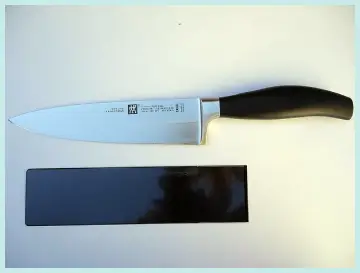
- Handle Materials and Ergonomics: Four Star’s polypropylene is lightweight and seamless, ideal for casual users like me on weeknights.
Five Star’s POM is denser, offering better durability for frequent cooks—it holds up to knocks without chipping.
- Blade Profiles and Cutting Styles: The straighter Four Star suits linear cuts, perfect for slicing bread or meat. I’ve found it stable for beginners.
The Five Star’s curve promotes rocking, which speeds up herb chopping or veggie dicing—great if you cook a lot of salads or stews.
- Price Points and Value: Four Star is more budget-friendly, giving solid performance without breaking the bank.
Five Star costs a bit more, but the enhanced features justify it for serious hobbyists.
In my cost-benefit analysis, Four Star wins for value.
- Weight and Balance Nuances: Both are balanced, but Four Star feels slightly handle-heavy, aiding control in heavy chopping.
Five Star distributes weight evenly, feeling nimbler for finesse work.
- Design Aesthetics and Modernity: Four Star has a classic, timeless look that blends into any kitchen.
Five Star’s sleeker lines appeal to those who want a contemporary edge—it’s what I’d choose for a modern setup.
These differences aren’t night and day, but they matter. For instance, if your knife work involves more rocking, Five Star edges out.
Key Features Of Zwilling Four Star
When I pick up a Four Star knife, it feels like an old friend—reliable and straightforward. This series has been around since 1976, and it’s one of Zwilling’s best-sellers for good reason.
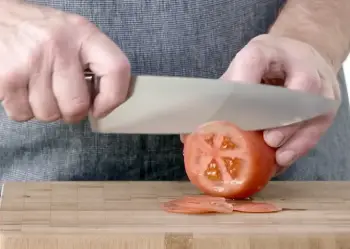
- Seamless Polypropylene Handle: Molded directly onto the blade without gaps, it’s hygienic and comfortable for long sessions.
I love how it fits my hand without slipping, even when wet.
- Straighter Blade Profile: Great for push-cutting or slicing through proteins. In my experience, this shape excels at tasks like portioning chicken or trimming fat.
- Full Bolster: Adds weight for balance and protects your fingers.
It’s a safety feature I appreciate during rushed prep.
- High-Carbon Stainless Steel: Resists corrosion and stays sharp.
I’ve gone weeks without touching up the edge on my Four Star chef’s knife.
- Variety of Sizes: From paring knives to bread slicers, the line covers basics.
I often reach for the 8-inch chef’s as my all-rounder.
These features make the Four Star a workhorse. I remember using one to prep a holiday meal for family—it handled everything from herbs to root veggies effortlessly.
Pros Of Zwilling Four Star
I’ve relied on Four Star knives for years, and they deliver where it counts.
- Affordability Without Compromise: Cheaper than Five Star, yet you get premium steel and forging. It’s a smart entry into high-end knives for budget-conscious folks like me.
- Exceptional Durability: The ice-hardening process means less frequent sharpening. Mine has survived drops and daily use without issues.
- Comfort for Extended Use: The ergonomic handle reduces hand fatigue. During marathon meal preps, I barely notice the weight.
- Versatile Range: Broad selection fits various tasks. From utility to santoku styles, it covers my needs without extras.
- Easy Maintenance: Dishwasher tolerance (though I hand wash) and stain resistance make it low-fuss.
Overall, the pros make Four Star a reliable choice for everyday reliability.
Cons Of Zwilling Four Star
No knife is perfect, and from my use, here are the drawbacks.
- Less Modern Feel: The design is classic, but it might look dated in sleek kitchens. I sometimes wish for a fresher aesthetic.
- Straighter Blade Limits Rocking: Not ideal for heavy mincing. It requires more effort for curved motions compared to Five Star.
- Handle Can Feel Basic: Polypropylene is functional, but less premium than POM. In humid conditions, it might not grip as aggressively.
- Slightly Heavier Bolster: Can feel clunky for very fine work. I’ve adjusted, but beginners might notice.
- Limited Innovation: As an older series, it lacks some newer tweaks. It’s solid, but not cutting-edge.
These cons are minor for most users, but worth noting if you prioritize flair.
Key Features Of Zwilling Five Star
The Five Star feels a bit more refined, like upgrading from a solid sedan to a sportier model. It’s designed for those who want a touch more elegance in their cutlery.
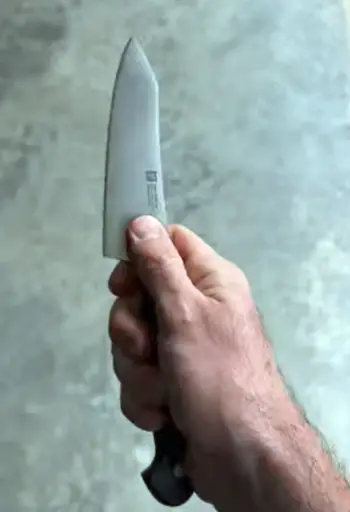
- POM Handle: This synthetic material is tougher than polypropylene, resisting wear better.
It gives a secure grip, which I’ve found helpful for intricate work like mincing garlic.
- Curved Blade Shape: Allows for a smooth rocking motion.
When I’m chopping onions, this curve makes the process faster and less tiring.
- Seamless Bolster Transition: Flows from handle to blade without interruption, improving control.
It’s a subtle but noticeable upgrade in my hands.
- Ice-Hardened Blade: Same FRIODUR steel as Four Star, ensuring durability.
The flexibility here lets it adapt to varied cutting styles.
- Ergonomic Design Focus: Shaped for prolonged use without fatigue.
I notice less strain on my wrist during extended sessions.
In my kitchen trials, the Five Star’s modern vibe shines in precision tasks. It’s like it anticipates your movements, making cooking feel more intuitive.
Pros Of Zwilling Five Star
Switching to Five Star felt like a step up in my cooking game.
- Superior Grip and Durability: POM handle withstands wear better. It’s my pick for busy days when knives get banged around.
- Enhanced Rocking Capability: The curved blade makes chopping intuitive. I’ve cut prep time on veggies noticeably.
- Premium Build Quality: Seamless construction feels luxurious. It inspires confidence in precise cuts.
- Better for Precision Tasks: Flexibility aids in detailed work like filleting. From my trials, it’s more adaptable.
- Modern Appeal: Sleek design motivates me to cook more. It’s a subtle boost to kitchen morale.
The pros position Five Star as a refined option for dedicated cooks.
Cons Of Zwilling Five Star
Even with its strengths, there are trade-offs I’ve encountered.
- Higher Cost: More expensive upfront. If you’re not using it daily, the extra spend might not pay off.
- Curved Blade Not for All: Great for rocking, but less efficient for straight slices. I switch knives for carving.
- Heavier Overall Feel: Can tire smaller hands. It’s balanced, but demands adjustment.
- Less Widespread Availability: Not as common as Four Star in stores. Online shopping is fine, but try-before-buy is harder.
- Potential for Overkill: For basic tasks, the features might be unnecessary. I use it selectively.
These cons highlight it’s best for those who value extras.
In-Depth Analysis: Performance In Real Scenarios
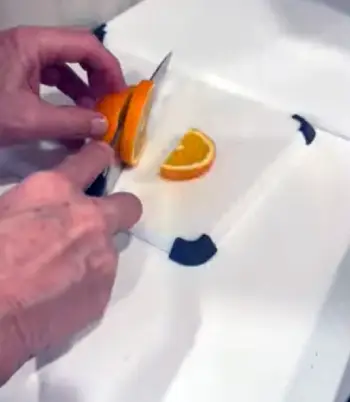
Let’s talk real-world use, because specs only go so far.
I’ve tested both in my home kitchen, prepping everything from simple salads to elaborate dinners.
The Four Star’s straighter blade shines when I’m slicing tomatoes or portioning steak—it’s precise and controlled, reducing slips.
I recall a time when I was rushing to make sandwiches for a picnic; the Four Star’s stability let me cut thin, even slices without bruising the produce.
On the flip side, the Five Star’s curve comes alive during onion dicing or herb chopping. The rocking motion feels natural, almost like the knife is guiding me.
During a recent stir-fry night, it minced garlic and ginger in half the time, with less wrist strain. Analytically, this boils down to biomechanics—the curve aligns with how our arms move, making it efficient for repetitive tasks.
Edge retention is a tie; both hold sharpness well thanks to that German steel. I sharpen mine every few months with a whetstone, and they respond beautifully.
Corrosion resistance? Top-notch. I’ve left them wet accidentally (don’t judge), and no rust appeared.
Balance-wise, Four Star’s bolster adds security for forceful cuts, like through squash, while Five Star’s seamless design allows better finger placement for control.
Maintenance is straightforward for both. I always hand wash and dry immediately to preserve the edge—dishwashers can dull blades over time. Storage matters too; I use a magnetic strip to avoid drawer damage.
In terms of longevity, friends who’ve owned Four Star sets for decades swear by them, and Five Star seems built to match.
If you’re a beginner, I’d lean toward Four Star—it’s forgiving and builds confidence. For intermediate cooks like me, Five Star adds that extra polish. Consider your grip style: pinch grip users might prefer Five Star’s flow, while full-handle holders stick with Four Star.
Sharpening And Care Tips From My Experience
Keeping these knives performing requires some TLC, and I’ve learned a few tricks. First, invest in a good honing steel—Zwilling’s own works wonders to realign the edge between sharpenings.
I hone before each use; it takes seconds and extends sharpness.
For sharpening, a 1000/6000 grit whetstone is my go-to. Soak it, then angle the blade at 15-20 degrees—consistent strokes on both sides.
Four Star’s straighter edge sharpens predictably, while Five Star’s curve needs careful following of the contour. Avoid electric sharpeners; they can overheat and damage the temper.
Daily care: Wipe after each cut, especially acidic foods like citrus, to prevent staining.
Store properly—blocks or sheaths protect the blade. I’ve found oiling the handle occasionally keeps polypropylene supple, though POM needs less.
Common mistakes? Cutting on glass or marble dulls edges fast—use wood or plastic boards. And never pry open cans; that’s not what these are for. Following this, my knives stay razor-sharp, making cooking enjoyable.
Which One Should You Choose?
From an analytical standpoint, it depends on your priorities. If value and classics appeal, go Four Star—it’s proven and versatile.
For modern ergonomics and precision, Five Star wins. I own pieces from both, mixing them based on the task. Budget under $100? Four Star.
Willing to splurge for longevity? Five Star.
Consider your kitchen setup too. If space is tight, the compact designs of both fit well. Test them if possible—hold one in a store to feel the difference.
Ultimately, either elevates your cooking; it’s about matching your style.
Frequently Asked Questions (FAQ)
Yes, they’re excellent for everyday use with great durability and sharpness.
Zwilling is the premium German-made line under the Henckels brand, offering superior forging.
He often uses Henckels Pro S series in his shows and restaurants.
They’re manufactured in Solingen, Germany.
Wrapping Up
I’ve shared my take on these knives to help you pick the right one for your kitchen adventures.
You might find the Four Star suits your daily routines, or the Five Star sparks more creativity—either way, investing in quality like this makes every meal better.
What do you think—ready to upgrade?
Recent Posts
I spent months comparing budget options against established names after my last set of tires wore out sooner than expected.My goal here is to share what I learned from putting Dextero and...
AquaTru Carafe Vs. Classic: Which Is Actually Fits Your Kitchen?
I decided to write this comparison after months of testing both the AquaTru Carafe and the Classic in my own kitchen. Tracking covered daily use.Taste stayed consistent. Refill frequency...