
If you want high-quality dog food that supports your dog’s energy, coat, digestion, and long-term health without breaking the bank, you should read this comparison of Acana versus Taste of the Wild right now. I have fed both brands to my dogs for over a year, and this article shares my honest first-person experience so you can decide which one actually fits your dog and your budget better. Whether you prioritize protein variety, grain-free formulas, or everyday value, one of these will likely become your new go-to kibble.
A Brief Comparison Table
| Feature | Acana | Taste of the Wild |
|---|---|---|
| Protein Focus | High meat content with fresh ingredients | Regional protein sources like bison, venison |
| Grain Content | Some recipes include grains | Mostly grain-free |
| Price Per Bag | Mid to premium | Generally more affordable |
| Ingredient Transparency | Excellent, biologically appropriate | Good, focuses on ancestral diets |
| Best For | Dogs needing diverse animal proteins | Dogs with grain sensitivities |
| Digestibility | Very good | Good, but varies by dog |
My Experience With Acana Vs Taste Of The Wild
I switched my two dogs from a basic kibble to premium brands after noticing dull coats and occasional loose stools.
I started with Taste of the Wild because of its grain-free appeal and ancestral diet marketing.
My Labrador loved the taste, and his energy levels stayed steady. However, after a few months I noticed some gas and inconsistent stool quality on certain bags.
When I introduced Acana, the difference was clear within two weeks. Both dogs had shinier coats, firmer stools, and better breath.
Acana’s higher fresh meat content and variety of animal proteins seemed to suit their systems better.
I rotated between the two for several months to compare fairly.
Acana consistently produced better overall condition, while Taste of the Wild remained a solid, more budget-friendly option that my dogs still enjoyed.
During a long road trip, I packed both. Acana caused fewer digestive upsets in the car, and my dogs maintained their weight and energy better.
Analytically, Acana feels more biologically appropriate with its emphasis on fresh, regional ingredients and balanced nutrition.
Taste of the Wild shines when budget is tight or when your dog does well on limited-ingredient, grain-free formulas.
Today I use Acana as the primary food and keep Taste of the Wild for occasional rotation or when traveling.
Both are high-quality, but Acana edges ahead for my dogs’ long-term health and coat condition. If you are choosing between them, your dog’s individual response and your budget will guide the final decision.
Read More: Comparison Of Taste Of The Wild Vs. Fromm
Pros Of Acana
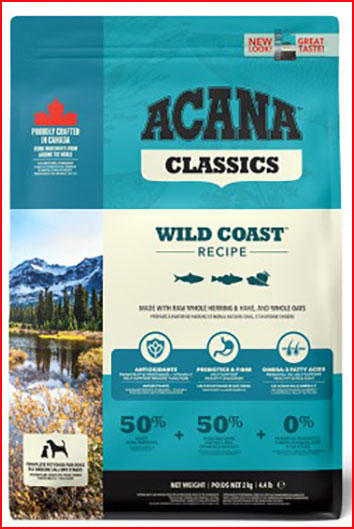
- High Fresh Meat Content: Acana uses a large percentage of fresh or raw animal ingredients in many recipes. This provides excellent protein quality and natural flavors dogs love. You see improved muscle tone and energy with consistent feeding.
- Biologically Appropriate Formulas: The recipes mirror what dogs would eat in the wild with balanced meat, organs, and cartilage. This approach supports natural digestion and nutrient absorption. Many owners notice better stool quality and fewer digestive issues.
- Diverse Protein Sources: Acana offers recipes with multiple animal proteins like chicken, fish, lamb, and duck. This variety helps prevent food sensitivities over time. Rotating proteins keeps mealtime interesting for picky eaters.
- Grain-Inclusive Options Available: Some formulas include healthy grains for dogs that tolerate them well. This provides additional fiber and sustained energy without relying solely on potatoes or peas. Flexibility is a real advantage for different dogs.
- Strong Coat And Skin Benefits: The high omega fatty acids from fresh ingredients promote shiny coats and healthy skin. My dogs’ fur became noticeably softer and brighter after switching. Visible improvements build confidence in the food.
- Transparent Ingredient Sourcing: Acana clearly states where ingredients come from and emphasizes regional, fresh sources. This transparency builds trust for owners who care about quality. You know exactly what your dog is eating.
- Good Palatability: Most dogs eat Acana enthusiastically without needing toppers. The natural flavors from fresh meat make it highly appealing. Fewer mealtime battles make feeding time easier for everyone.
Cons Of Acana
- Higher Price Point: Acana costs more per bag than many mainstream or budget brands like Taste of the Wild. The premium ingredients come with a premium price tag. Some owners find the cost difficult to sustain long term with large breeds.
- Some Recipes Are Grain-Free: While popular, grain-free versions may not suit every dog and have faced scrutiny in recent years. You need to choose carefully based on your dog’s specific needs. Not all formulas are ideal for every pet.
- Larger Kibble Size In Some Formulas: Certain recipes have bigger kibble pieces that can be challenging for small or senior dogs. You may need to choose smaller-bite options or moisten the food. Size selection requires attention when shopping.
- Limited Availability In Some Areas: Not every pet store carries the full Acana line. You may need to order online or drive farther for specific recipes. Convenience can be an issue compared to more widely stocked brands.
Maintenance Tips For Acana
- Store In A Cool Dry Place: Keep bags sealed tightly in a cool, dry area away from direct sunlight. Proper storage prevents oxidation and keeps kibble fresh longer. Use airtight containers for opened bags to maintain quality.
- Transition Slowly: When switching to Acana, mix it gradually with the old food over 7–10 days. This helps your dog’s digestive system adjust smoothly. Slow transitions reduce the risk of stomach upset.
- Monitor Stool Quality: Watch your dog’s stools during the first few weeks on Acana. Firmer, well-formed stools indicate good digestion. Adjust portion size or recipe if loose stools persist.
- Measure Portions Accurately: Use the feeding guide on the bag and weigh food for precision. Overfeeding can lead to weight gain while underfeeding affects energy levels. Accurate portions support ideal body condition.
- Rotate Proteins Periodically: Switch between different Acana recipes every few months to provide protein variety. This helps prevent potential sensitivities and keeps meals interesting. Rotation supports balanced nutrition over time.
- Check For Freshness Before Feeding: Smell the kibble and look for any signs of rancidity before each meal. Fresh food ensures your dog gets full nutritional value. Discard any bag that smells off.
Pros Of Taste Of The Wild
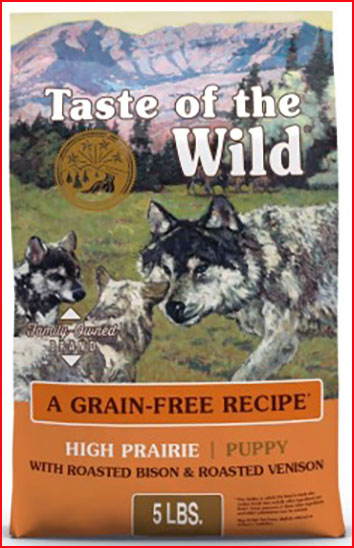
- Affordable High-Quality Protein: Taste of the Wild offers good levels of novel proteins like bison, venison, and salmon at a more accessible price. You get solid nutrition without the premium cost of some brands. Great for budget-conscious owners.
- Grain-Free Formulas: Most recipes are grain-free, making them suitable for dogs with grain sensitivities. This can help reduce itching or digestive issues in sensitive pets. Many dogs do very well on these limited-ingredient diets.
- Ancestral Diet Philosophy: The brand focuses on ingredients dogs would eat in the wild. This approach appeals to owners who want species-appropriate nutrition. The formulas feel thoughtful and natural.
- Palatable For Many Dogs: The unique protein sources and flavors are highly appealing to picky eaters. My dogs always finished their bowls quickly. Good taste encourages consistent eating.
- Wide Availability: You can find Taste of the Wild in most pet stores and online retailers. Easy access means fewer last-minute runs when bags run low. Convenience is a real plus for busy owners.
Cons Of Taste Of The Wild
- Inconsistent Stool Quality For Some Dogs: A few dogs experience softer stools or gas on certain formulas. Results can vary more than with Acana. You may need to try different recipes to find the best fit.
- Less Fresh Meat Emphasis: While protein levels are good, the formulas use more processed meats compared to Acana’s fresh ingredient focus. This can affect overall nutrient bioavailability for some dogs.
- Limited Grain-Inclusive Options: Most recipes are grain-free, which is not ideal for every dog. Dogs that thrive on grains have fewer choices within the line. This limits flexibility for certain health needs.
- Occasional Supply Issues: Popular flavors sometimes sell out quickly. Stock availability can be frustrating during peak seasons. Planning ahead becomes necessary.
Maintenance Tips For Taste Of The Wild
- Store Properly To Maintain Freshness: Keep bags sealed and in a cool, dry location. Airtight containers help preserve flavor and nutrients after opening. Good storage prevents early spoilage.
- Introduce Gradually: Mix new Taste of the Wild with current food over 7–10 days. Slow transitions minimize digestive upset. Patience during the switch pays off with better acceptance.
- Monitor Weight And Energy: Track your dog’s weight and activity level monthly. Adjust portions according to the feeding guide and your dog’s needs. Regular monitoring keeps your dog in ideal condition.
- Rotate Flavors Carefully: Switch proteins slowly if rotating recipes. This prevents sudden digestive changes. Gradual rotation maintains interest while supporting gut health.
- Check For Allergies: Watch for itching, ear issues, or loose stools when trying new formulas. Some dogs react to specific proteins. Careful observation helps you choose the best option.
Comparison With Other Brands
Versus Blue Buffalo: Blue Buffalo emphasizes natural ingredients and life-stage formulas with added antioxidants. Acana and Taste of the Wild focus more on high meat content and ancestral diets. Blue Buffalo offers more variety in kibble size and flavor, but Acana and Taste of the Wild often provide stronger protein density at competitive prices.
Versus Orijen: Orijen is known for extremely high fresh meat inclusion and biologically appropriate recipes. Both Acana and Taste of the Wild are more affordable while still delivering good nutrition. Orijen feels ultra-premium, but Acana (from the same company) offers similar philosophy at a lower price point.
Versus Wellness Core: Wellness Core provides grain-free options with added probiotics and joint support. Taste of the Wild competes well on price, while Acana matches or exceeds in fresh ingredient quality. Wellness Core appeals to owners wanting extra supplements, but Acana and Taste of the Wild deliver strong base nutrition without extra cost.
Versus Diamond Naturals: Diamond Naturals is a budget-friendly brand with good ingredient lists. Taste of the Wild usually edges it in protein quality and palatability, while Acana offers superior fresh meat content. Diamond Naturals works for tight budgets, but Acana and Taste of the Wild provide noticeable upgrades in coat and energy for most dogs.
Versus Purina Pro Plan: Purina Pro Plan includes veterinary-backed formulas with specific health targets. Acana and Taste of the Wild focus on whole-prey and ancestral approaches rather than clinical formulas. Pro Plan suits dogs with specific medical needs, while Acana and Taste of the Wild excel for general active or working dogs.
Also Read: My thoughts on Fromm Vs. Purina Pro Plan
Frequently Asked Questions (FAQ)
Acana generally edges out for most dogs due to higher fresh meat content and better digestibility. Taste of the Wild is excellent when budget or grain-free needs are priorities.
Yes, it uses quality proteins and grain-free recipes that many dogs thrive on. It is a solid mid-tier option with good palatability.
Yes, Acana is considered high-quality with biologically appropriate ingredients and strong fresh meat inclusion. Many owners see excellent coat and energy results.
There is no single #1 food for every dog. Acana and Taste of the Wild both rank highly for quality ingredients and nutrition when matched to your dog’s needs.
Conclusion
After feeding both Acana and Taste of the Wild to my dogs for over a year, I can confidently say both are high-quality foods, but they suit slightly different situations. You should choose Acana if you want superior fresh meat content, better digestibility, and noticeable improvements in coat and energy. Go with Taste of the Wild if you need a more affordable grain-free option or your dog does well on novel proteins. Either way, moving to one of these premium brands will likely improve your dog’s health and happiness—pick the one that matches your dog’s preferences and your budget, and you will see the difference in their daily vitality.
Recent Posts
● Interactive 5-Zone Interior & Exterior Paint Blueprint Paint Coverage Calculator: Gallons, Primer, Square Footage & Cost Tap any architectural surface zone on the blueprint...
If you want smooth, shiny hair without spending a fortune on a premium styling tool, the Ella Bella hair dryer may be worth considering.In these Ella Bella hair dryer reviews, I’ll look...