
I have spent years managing my blood sugar levels with different meters, and the choice between Accu-Chek and OneTouch Ultra systems has shaped my daily routine more than I expected.
My main intent here is to share a practical, side-by-side look at how these two popular options perform in real life so you can decide which fits your testing habits, comfort needs, and budget without the usual confusion.
| Feature | Accu-Chek (Guide/Instant style) | OneTouch Ultra (Ultra 2 style) |
| Blood sample size | 0.6 µL | 1.0 µL |
| Result time | 4–5 seconds | 5 seconds |
| Coding required | No | No (on later versions) |
| Memory capacity | Up to 720 readings | Up to 500 readings |
| Alternate site testing | Yes | Yes |
| Backlight / port light | Yes (many models) | Backlight on some |
| Lancing system | FastClix or Softclix drum/individual | Delica Plus fine gauge |
| Connectivity | Bluetooth to app on newer models | Limited or none on classic Ultra |
| Strip packaging | Spill-resistant SmartPack on Guide | Standard vial |
| Typical strip cost feel | Moderate to higher | Often competitive |
My Hands-On Experience With Both Systems
I started with a OneTouch Ultra 2 years ago because it was the meter my clinic handed me. The large display and straightforward buttons felt familiar right away.
Later I switched to an Accu-Chek Guide for a stretch when insurance coverage shifted, and the differences became obvious in everyday use. Neither is perfect, but each has clear strengths depending on what frustrates you most during testing.
Accuracy sits at the top of my priority list. Both brands meet ISO standards when the specific model is current, yet independent checks have shown variation.
In my own side-by-side testing against lab draws, the Accu-Chek readings landed closer more often, especially in the lower ranges.
The OneTouch Ultra still delivered usable numbers, though I noticed a bit more scatter when my hematocrit was off or when I tested in cooler rooms. That does not mean the Ultra is unreliable. It means I learned to confirm unexpected highs or lows with a second strip or a lab check.
Key Differences Between Accu-Chek And Onetouch Ultra
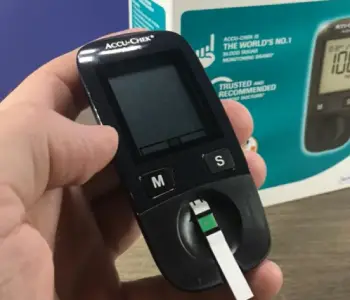
- Sample size and comfort: Accu-Chek needs only 0.6 microliters.
The Ultra asks for a full microliter. That smaller drop on Accu-Chek lets me use a shallower lance more often.
My fingertips feel better after years of testing.
- Strip handling: The Accu-Chek Guide SmartPack vial resists spills.
The wide dosing area forgives a slightly off-center blood drop. OneTouch Ultra strips are larger and easier to grip for some people.
The standard vial can tip and scatter strips if I am in a hurry.
- Lancing feel: Accu-Chek FastClix uses a six-lancet drum.
I never handle individual needles. OneTouch Delica Plus offers very fine 33-gauge options.
They feel almost painless once I dial the depth correctly.
- Memory and averages: Accu-Chek stores more results. It calculates longer averages on some models. The Ultra still tracks 7-, 14-, and 30-day averages.
It lets me flag before- and after-meal readings which I use constantly.
- Nighttime testing: A strip-port light on many Accu-Chek models makes 2 a.m. checks less fussy. The Ultra backlight helps. Finding the port in the dark takes more practice though.
- Error recovery: Accu-Chek often allows a second chance to add more blood within a short window.
The Ultra usually requires a full restart with a new strip if the sample is short.
- Battery and power: Both rely on coin cells in many versions. Accu-Chek models sometimes last longer between changes in my experience.
The Ultra gives clear low-battery warnings in most cases.
These differences add up. When my hands are cold or slightly shaky, the smaller sample and wider strip target on Accu-Chek reduce failed tests. When I travel light, the Ultra’s simpler interface and widely available strips can feel more convenient.
Key Features Of Accu-Chek Systems
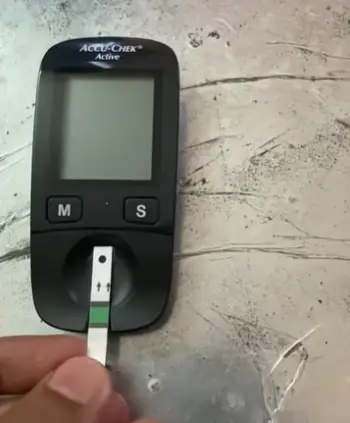
- No-coding strips: The meter recognizes them automatically.
This removes one common source of error I used to make with older coded meters.
- Fast results: Readings often appear under five seconds.
The wait feels shorter when I am already running late for work.
- Spill-resistant vial and strip ejector: Guide models handle this well.
I can dump a used strip straight into the trash without touching blood.
- Target-range indicators: Color cues appear on Instant models.
A quick glance tells me if the number sits high, low, or in range without mental math.
- Bluetooth options: Newer models push readings to an app.
I review trends on my phone instead of scrolling through the meter memory.
- Compatible lancing devices: FastClix or Softclix systems rate as low-pain for many users.
The drum system keeps everything contained and reduces accidental sticks.
- Second-chance sampling: Some units let me add more blood if the first drop is short. That feature alone has saved me money and frustration on rushed mornings.
- Wide test strip dosing area: Applying blood feels more forgiving. Off-center drops still register correctly most of the time.
I especially like the second-chance sampling window on some Accu-Chek units. If the first blood drop is short, I can add more within a short time instead of starting over with a new strip. That feature alone has saved me money and frustration.
Pros Of Accu-Chek
- Smaller blood requirement: It reduces the depth and pain of lancing for many people. After switching, my calluses improved because I could use a lighter setting.
- Spill-proof packaging: The wide strip target cuts down on wasted strips. I used to lose several strips a month to fumbles. That number dropped sharply.
- Strong accuracy performance: Multiple independent evaluations support this, especially in the hypoglycemic range. When I feel low, I trust the first reading more and act faster.
- Convenient strip ejection: Port lighting makes nighttime or low-light testing cleaner. No more searching for a tissue while holding a bloody strip.
- App connectivity: Current models turn the meter into part of a larger tracking system. Sharing reports with my care team takes seconds instead of handwritten logs.
- Forgiving strip design: The wide dosing area helps when my hands shake slightly. Failed tests became less common for me.
- Consistent low-range results: Readings stay reliable when numbers drop. This builds confidence during overnight checks.
Cons Of Accu-Chek
- Higher strip costs: They can cost more per test depending on insurance and location. Over a year the difference becomes noticeable if I test four or more times daily.
- Proprietary strips only: I cannot mix brands or hunt generic alternatives easily. Running out requires a specific trip or order.
- Coin-cell batteries: Some models need periodic replacement. I keep spares because the meter gives little warning before dying mid-test.
- App learning curve: Full features take a little extra time if I only want basic readings. The meter itself is simple. The full ecosystem can feel busy at first.
- Model-specific strips: Guide and Instant versions are not interchangeable. Buying the wrong box wastes money and time.
- Slightly bulkier design: Certain models feel larger in a small pocket. This matters less at home but shows up during travel.
Key Features Of Onetouch Ultra Systems
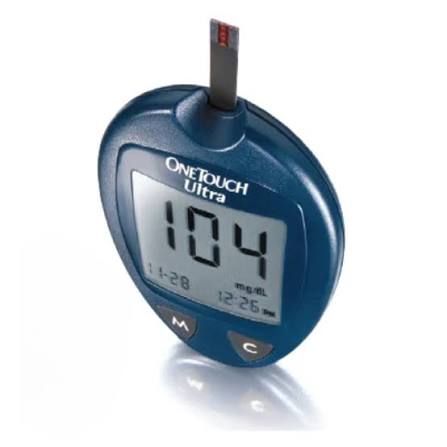
- Large high-contrast display: An optional backlight is available.
It is easy to read even when my vision is a bit blurry from a low.
- Meal markers: I can tag before- and after-meal results.
Tracking the impact of specific foods becomes straightforward.
- Simple button layout: Almost no learning curve is needed.
New users or older family members pick it up quickly.
- Alternate-site testing: Approval covers forearm or palm when appropriate.
It is useful when fingertips need a break. I still prefer fingers for accuracy during rapid changes.
- Widely stocked test strips: Most pharmacies carry them. I rarely have trouble finding Ultra Blue strips when traveling.
- Solid build quality: The meter holds up to daily pocket carry.
Mine survived several drops onto hard floors without failing.
- DoubleSure technology: Some strip versions check the sample twice.
This gives me extra confidence when the number looks unexpected.
- Clear average calculations: The meter shows 7-, 14-, and 30-day trends. I can share a clear picture with my doctor without extra steps.
The DoubleSure technology on Ultra strips checks the sample twice in some versions. It gives me extra confidence when the number looks unexpected. The meter also stores enough history that I can show my doctor a clear picture of patterns without transferring data every visit.
Pros Of Onetouch Ultra
- Familiar no-nonsense interface: It feels reliable year after year. I can test half-asleep and still get a clean result.
- Larger strip size: People with limited dexterity or vision challenges find them easier. Grip and insertion feel more secure.
- Competitive strip pricing: Broad pharmacy availability keeps supply stress low. I have never been stranded without strips while on the road.
- Meal flagging tools: Average calculations give useful insights without extra devices. The before-and-after comparison helped me adjust portion sizes effectively.
- Fine-gauge Delica lancets: They deliver excellent comfort when depth is set correctly. Many users, including me, rate the sensation as milder than expected.
- Straightforward memory review: Scrolling through past results is simple. I can check trends quickly during appointments.
- Reliable everyday performance: The meter rarely surprises me with odd error codes. Consistency builds trust over time.
Cons Of Onetouch Ultra
- Larger blood sample needed: It can require a deeper lance or second attempt on dry skin. Winter months made this more obvious for me.
- Limited modern connectivity: Classic Ultra models lack Bluetooth and advanced pattern coaching. Data stays on the meter unless I write it down or use a cable.
- Accuracy variation in studies: Some older comparative checks showed it lagging behind top performers. I started confirming more often when numbers seemed off.
- Standard vial design: It is prone to spills if the cap is left loose. I learned to close it immediately after every pull.
- Fewer advanced indicators: Color-coded range cues are missing on basic Ultra units. I rely more on memory of my target numbers.
- Slightly longer learning for averages: Flagging meals works well but takes an extra button press. Newer users may need a few days to master it.
Daily Life Realities And Cost Considerations
Cost is never just the meter price. Strips dominate the long-term expense. My insurance once favored OneTouch Ultra, then shifted toward Accu-Chek.
The change forced me to relearn strip handling, yet the smaller sample size offset some of the higher per-strip cost by reducing failed tests.
If your plan covers one brand heavily, that factor often outweighs small differences in features.
I also pay attention to how the meter fits my schedule. Morning rushes favor the Accu-Chek’s quick strip insertion and light. Quiet evening reviews favor the Ultra’s clear averages and meal tags.
Neither requires coding on current versions, which removes a common source of user error that plagued older meters I tried years ago.
Travel introduces another layer. Both meters tolerate typical cabin temperatures, but I pack control solution for both so I can check performance after a flight.
The Ultra’s widespread strip availability has saved me at airport pharmacies more than once. Accu-Chek strips are also common, yet I double-check the exact model match because Guide and Instant strips are not interchangeable.
Who Should Choose Which?
If fingertip pain or wasted strips top your frustration list, Accu-Chek’s smaller sample and forgiving strip design often win.
If you value a simple, widely supported system with large strips and meal tracking, the OneTouch Ultra remains a solid workhorse.
People who already own a compatible lancing device or have insurance coverage locked to one brand usually stick with what is covered. Switching only makes sense when coverage changes or when a specific feature becomes non-negotiable.
I have recommended the Accu-Chek Guide to friends who test at night or struggle with small blood drops.
I have recommended the Ultra 2 to relatives who want the least complicated meter possible and already know the interface. Both choices work when the user understands the meter’s quirks and keeps control solution on hand.
Also Read: Is Biancat Glucose Monitor Worth It?
Frequently Asked Questions (FAQ)
No single brand wins every study. Many recent evaluations show Accu-Chek models with lower mean absolute relative difference, while older OneTouch Ultra units performed adequately but sometimes trailed. Check the specific model against current standards.
Independent surveillance programs often rank Contour Next and certain Accu-Chek Guide or Instant units near the top. Accuracy also depends on proper technique, strip storage, and user factors.
The overall OneTouch brand continues with updated models such as Verio Reflect and Ultra Plus variants. Specific older Ultra or Verio versions have been phased out over time, so check current strip availability for your exact meter.
For most people today the Verio Reflect or Ultra Plus Flex offers the best mix of features, color range indicators, and app support. Classic Ultra 2 still works well if simplicity and strip cost are the main priorities.
Final Thoughts
I have lived with both Accu-Chek and OneTouch Ultra systems long enough to know that the “best” meter is the one you will actually use correctly every day.
Accuracy numbers matter, yet so do comfort, cost under your insurance, and how quickly you can complete a test when life is busy.
I started this comparison to clarify the real differences for myself and for anyone else weighing the same choice. You now have the practical details on sample size, strip handling, lancing comfort, memory, and daily friction points.
Test both if your clinic or pharmacy allows it, pay attention to how your fingers feel after a week, and watch the total strip expense over a month. The right system will fade into the background of your routine instead of becoming another chore.
Choose the one that supports consistent testing, and you will already be ahead in managing your numbers.
Recent Posts
● Interactive 5-Zone Interior & Exterior Paint Blueprint Paint Coverage Calculator: Gallons, Primer, Square Footage & Cost Tap any architectural surface zone on the blueprint...
If you want smooth, shiny hair without spending a fortune on a premium styling tool, the Ella Bella hair dryer may be worth considering.In these Ella Bella hair dryer reviews, I’ll look...