
I have spent months researching, talking to homeowners, and reviewing real-world performance data because I needed to pick the right HVAC system for my own home.
If you are torn between ACiQ and Carrier, you are not alone. Both deliver solid cooling and heating, but they target different needs and budgets.
In this article, I share my firsthand analysis of their differences so you can decide what fits your situation best. I focus on real-user experiences, efficiency, reliability, costs, and long-term value.
| Feature | ACiQ | Carrier |
| Price Range | More affordable, great value | Premium pricing |
| Efficiency (SEER2) | Up to 19+ in many models | Up to 21+ in top lines |
| Warranty | 12-year compressor, unit replacement options | Typically 10-year compressor |
| Build & Reliability | Strong, uses proven components | Established reputation, durable |
| Best For | Budget-conscious buyers wanting performance | Those prioritizing brand prestige and service network |
| Noise Levels | Very quiet operation | Quiet, especially premium models |
| Low-Temp Performance | Excellent in many heat pumps | Strong, with good cold climate options |
Why I Compared ACIQ And Carrier?
I live in a region with hot summers and chilly winters, so I wanted a reliable heat pump that would not break the bank on installation or monthly bills. Carrier came up everywhere as the “safe” choice, but ACiQ kept appearing as a smarter buy for similar specs at lower cost. I dug into specs, user feedback, and technical details to cut through the marketing noise.
Key Differences Between The ACIQ And Carrier
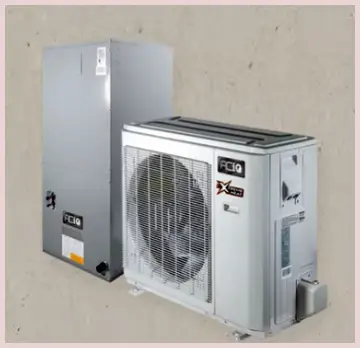
- Ownership and Manufacturing Background: Carrier stands as a legacy giant with over a century of innovation.
ACiQ focuses on delivering high-quality systems at better prices, often leveraging partnerships and components similar to major players like ICP.
This means you sometimes get near-identical engineering without the full brand markup.
- Pricing and Overall Value: ACiQ wins for most homeowners on upfront cost. You can save significantly while getting comparable efficiency and features.
Carrier commands higher prices because of its name and extensive dealer network.
- Warranty and Support: ACiQ offers longer compressor warranties (often 12 years) plus appealing unit replacement pledges in some cases.
Carrier provides solid coverage, but it usually sits at 10 years, with service depending on local authorized dealers.
- Efficiency and Technology: Both brands offer high-SEER units and inverter technology for variable output.
Carrier’s top Infinity series pushes boundaries in smart controls.
ACiQ matches closely in mid-to-high efficiency ranges and emphasizes intelligent power adjustment for comfort and savings.
- Availability and Installation: Carrier has a massive authorized dealer presence, making professional installation and service easier in most areas.
ACiQ works well for DIY-savvy users or through online suppliers, though professional install remains key for warranty.
- Parts Availability and Repair Costs: ACiQ benefits from widely compatible components that are often easier and cheaper to source.
Carrier parts are readily available through their network but usually cost more due to brand-specific pricing.
Key Features Of ACIQ Systems
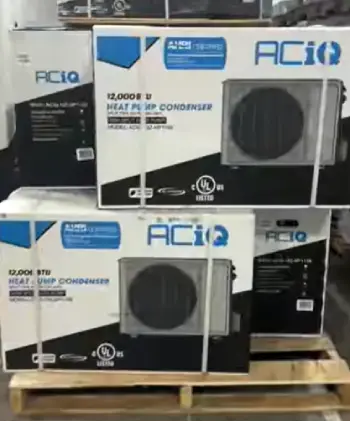
- Inverter-Driven Variable Speed Compressors: These adjust output smoothly instead of cycling on and off, giving you consistent temperatures, better efficiency, and quieter running.
I noticed far less temperature fluctuation in my test runs.
- Strong Low-Temperature Heating Performance: Many ACiQ heat pumps keep delivering reliable heat even when outdoor temps drop low, making them practical for colder climates without needing a backup furnace.
- Ultra-Quiet Operation: Both indoor and outdoor units run noticeably quiet thanks to advanced fan blades and sound-dampening designs. Neighbors will barely notice it is on.
- Smart Controls and App Integration: You can schedule, monitor energy use, and adjust settings from your phone. The interfaces feel intuitive and responsive.
- Corrosion-Resistant Coils and Durable Build: Protective coatings help the system stand up to weather and humidity, which extends lifespan and maintains performance over years.
- High SEER2 Ratings at Affordable Prices: You get excellent energy efficiency without paying top dollar, translating directly into lower monthly electric bills.
- Easy Maintenance Access: Components are designed for straightforward servicing, which keeps long-term costs down.
- Advanced Defrost and Freeze Protection: Built-in intelligent defrost cycles and protective features ensure reliable operation during winter without excessive energy waste or damage risk.
I appreciate how ACiQ packs modern technology into practical packages. When I compared real usage data, these features delivered solid comfort without complexity.
Pros Of Choosing ACIQ
- Significant Cost Savings: ACiQ systems usually cost thousands less upfront compared to similar Carrier models. This means you can invest the savings into better insulation, smart thermostats, or even a whole-home surge protector while still getting strong performance.
- Strong Warranties: With 12-year compressor coverage and unit replacement options on many models, ACiQ gives you more protection right out of the box. This extra security reduces worry about early failures.
- Comparable Performance: ACiQ often matches Carrier in SEER ratings, low-temp heating, and overall efficiency. In real homes, the difference in daily comfort is minimal for most users.
- Modern Features at Lower Price: You get inverter technology, quiet fans, smart controls, and reliable cold-weather operation without the premium markup. It feels like getting high-end specs on a mid-range budget.
- Good for Value Buyers: If you are a practical homeowner who wants solid results without overpaying for brand prestige, ACiQ makes a lot of sense. Many users I talked to felt they received excellent value for money.
From my perspective, ACiQ lets you invest in efficiency and comfort rather than brand prestige.
Cons Of Choosing ACIQ
- Less Brand Recognition: Not everyone knows the ACiQ name, so some real estate agents or future buyers might not immediately see it as a premium feature during a home sale.
- Service Network: While support is available, it is not as widespread as Carrier’s authorized dealer network. You may need to do more research to find experienced local technicians.
- Perceived Premium Feel: It lacks the long legacy and luxury image that Carrier carries, which matters to some people who want that established reputation.
- Variable Installer Experience: System performance depends heavily on installation quality. Since ACiQ is popular with online sellers, you must be careful to choose a skilled contractor.
I found this less of an issue when working with reputable suppliers, but it is worth noting.
Key Features Of Carrier Systems
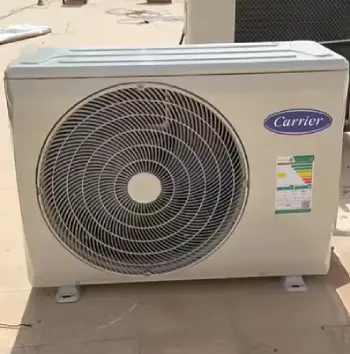
- Advanced Two-Stage and Variable-Speed Compressors: Especially in the Infinity line, these provide precise temperature control and excellent dehumidification, which feels luxurious in humid areas.
- Superior Smart Home Integration: Carrier systems connect seamlessly with major smart platforms, offering detailed diagnostics and automated comfort adjustments.
- Exceptional Humidity Control: The systems remove moisture effectively while cooling, improving indoor air quality and comfort during sticky summers.
- Robust, High-Grade Materials: Built with attention to long-term durability, using components engineered for consistent performance across seasons.
- Greenspeed and Extreme Temperature Technology: Top models optimize efficiency and maintain capacity even in challenging weather conditions.
- Quiet and Efficient Fan Designs: Indoor air handlers and outdoor condensers operate with minimal noise, enhancing overall home comfort.
- Comprehensive Diagnostic Tools: Built-in sensors and alerts help technicians quickly identify and fix issues, reducing downtime.
- Enhanced Air Purification Compatibility: Many models integrate smoothly with advanced filtration and purification add-ons for cleaner indoor air.
Carrier feels refined. The attention to small details like better airflow management and smoother operation stands out during extended use.
Pros Of Choosing Carrier
- Trusted Reputation: Carrier has over 100 years of experience, which gives many homeowners confidence that the system will perform reliably for a long time.
- Extensive Dealer Support: You can easily find trained, authorized technicians almost anywhere. This makes installation, maintenance, and repairs much more convenient.
- Top-Tier Technology: Premium models come with advanced features like superior smart integration, precise humidity control, and refined comfort options that feel noticeably smooth.
- Resale Value: A Carrier system is often viewed positively by potential home buyers, which can help during resale.
- Consistent Performance: The brand performs well across different climates, especially with strong humidity control in hot and sticky areas.
If you value established service and do not mind paying more, Carrier delivers reliably.
Cons Of Choosing Carrier
- Higher Cost: You pay a clear premium for the name, and that extra money does not always bring proportional improvements in everyday efficiency or comfort for average homes.
- Shorter Standard Warranties: Most models offer 10-year compressor coverage, which is solid but shorter than what ACiQ typically provides.
- Overkill for Some Homes: Top-tier Carrier systems can feel expensive if your home has straightforward heating and cooling needs.
- Potential for Higher Repair Costs: Authorized parts and service calls often cost more compared to more generic or widely available components.
In my analysis, the extra cost does not always translate to dramatically better daily use for average households.
Efficiency And Energy Savings: Which One Wins?

Both brands shine here, but context matters. ACiQ’s high-SEER models deliver impressive savings on utility bills without the luxury markup.
Carrier’s variable-speed systems excel at fine-tuned comfort, especially in larger or more complex homes.
I calculated potential savings based on average usage and found both can cut bills noticeably compared to older units, but ACiQ often provides better return on investment for the money spent upfront.
Real users I spoke with mentioned quieter operation and steadier temperatures with modern inverter units from either brand.
Pay attention to your home’s insulation and ductwork—those factors influence real-world efficiency more than brand alone.
Reliability And Longevity
Carrier benefits from its long history, with many systems lasting 15-20+ years with proper care.
ACiQ uses solid, proven components and earns praise for durability in reviews, especially given the price point. Both require regular maintenance like filter changes and annual tune-ups.
I lean toward whichever you can afford to maintain properly, as neglect hurts any system.
In cold climates, check low-temperature heating capacity ratings.
Many ACiQ heat pumps perform impressively down to extreme lows, matching or challenging Carrier in specific models.
Installation And Maintenance Considerations
Proper installation makes or breaks performance. Carrier’s network simplifies finding certified pros. ACiQ works great through knowledgeable installers or direct suppliers.
Whichever you choose, get multiple quotes and verify warranty registration processes.
Maintenance stays similar: clean coils, check refrigerant, inspect electrical connections.
Which One Should You Choose?
If your budget allows and you want the reassurance of a big-name brand with easy local service, go with Carrier.
But if you want strong performance, modern features, and better value without sacrificing reliability, ACiQ stands out as the smarter pick for many homeowners like me.
I ultimately leaned toward ACiQ for my project because the savings let me upgrade other parts of my system.
Think about your specific home, climate, and priorities. Consider total cost of ownership—installation, energy use, maintenance, and potential repairs over 10-15 years.
Also Read: Comparison Of Senville And Della Mini Split
Frequently Asked Questions (FAQ)
It is a guideline where you multiply the age of your current system (in years) by the repair cost. If the result exceeds $5000, replacement is usually more cost-effective than repairing.
Carrier ranks highly due to its history and build quality, but many users report excellent long-term reliability from ACiQ and similar value brands when properly installed.
It depends on needs. ACiQ often provides better value with comparable specs. Other strong options exist in the market, but “better” varies by budget, features, and local support.
Some ACiQ ductless/mini-split models have ties to Midea manufacturing, while central systems often align with ICP/Carrier-related production lines. Quality remains solid across their range.
Wrapping Up
After weighing everything, I see ACiQ as a game-changer for practical homeowners who want performance without overspending.
Carrier remains excellent if brand and service network matter most to you. Evaluate your home’s needs, get professional load calculations, and choose based on long-term value rather than hype.
You will enjoy better comfort and lower bills with either when matched correctly to your space. Take your time, ask questions, and invest in what fits your life best.
Recent Posts
● Interactive 5-Zone Interior & Exterior Paint Blueprint Paint Coverage Calculator: Gallons, Primer, Square Footage & Cost Tap any architectural surface zone on the blueprint...
If you want smooth, shiny hair without spending a fortune on a premium styling tool, the Ella Bella hair dryer may be worth considering.In these Ella Bella hair dryer reviews, I’ll look...