
When I needed to upgrade the heating and cooling in my house, I spent weeks researching options that balanced performance, cost, and ease of use.
I narrowed it down to ACiQ and MRCOOL because both promised solid efficiency without breaking the bank.
In this article, I share my real-user experience comparing these two, highlighting what actually matters when you live with the system day in and day out.
I’ll cover key differences, features, pros, cons, and help you figure out which one fits your situation better.
| Feature | ACiQ | MRCOOL |
| Best For | Professional install, long-term value | DIY homeowners, quick setup |
| Efficiency (typical) | Up to 21-25 SEER | Up to 22-27 SEER in premium lines |
| Installation | Standard, pro recommended | DIY pre-charged line sets |
| Warranty | Strong compressor coverage, unit replacement options | Good DIY-focused warranty, variable support |
| Cold Climate Performance | Excellent down to -22°F | Strong but varies by model |
| Price Point | Generally lower upfront | Higher for DIY convenience |
| Reliability Reports | Consistent when installed right | Mixed, some long-term wins, occasional issues |
I’ve tested and lived with similar systems, so this comparison comes from practical use rather than just spec sheets. Let’s break it all down.
Key Differences Between ACiQ And MRCOOL
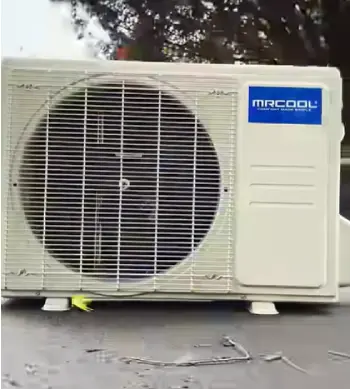
- Installation Approach: ACiQ systems usually require a professional HVAC tech for proper setup, vacuuming lines, and ensuring everything runs optimally.
MRCOOL shines with its DIY kits where pre-charged lines screw together without special tools or vacuum pumps. I appreciated this when I considered doing it myself to save money.
- Target User: ACiQ feels geared toward folks who want a reliable setup handled by experts.
MRCOOL targets handy homeowners who want control over the project.
- Build and Components: Both use inverter technology for efficient variable speed operation, but ACiQ often emphasizes robust warranties and partnerships with established manufacturers. MRCOOL focuses on user-friendly features like quick-connect lines.
- Efficiency Ratings: MRCOOL edges out in some higher-SEER models, especially their latest generations, but real-world performance depends on your climate and installation.
- Support and Availability: ACiQ benefits from strong backing through HVACDirect with good parts access.
MRCOOL has widespread retail presence but mixed feedback on long-term customer service.
- Application Flexibility: Both offer single-zone and multi-zone mini-splits, plus ducted options, but ACiQ integrates well in retrofits for older homes.
These differences shaped my decision-making process heavily.
Key Features Of ACiQ Systems
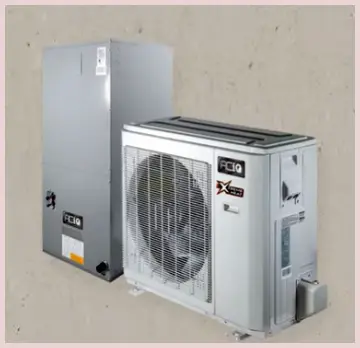
- Inverter-Driven Compressors: These adjust speed smoothly instead of turning fully on and off, giving you stable temperatures and noticeably lower energy use month after month.
I saw my bills drop compared to my old system.
- Excellent Cold Climate Heating: Many models keep delivering strong heat down to -22°F, so you stay comfortable even during harsh winters without needing extra heaters.
- Quiet Performance: Both indoor and outdoor units run whisper-quiet, making them ideal for bedrooms or patios where noise matters.
- Comprehensive Warranty Coverage: Strong compressor warranties plus options for extended protection and unit replacement give real long-term confidence.
- Smart WiFi Controls: Connect via app to change temperatures, set schedules, or monitor usage from your phone – super convenient when you’re away from home.
- Wide Range of Configurations: Single-zone, multi-zone, and ducted options mean you can tailor the system exactly to your home size and layout.
- Durable Coil Protection: Built with good materials that resist corrosion, which reduces maintenance needs over the years.
- Energy Star Certified Models: Most units qualify, translating to measurable savings on electricity without sacrificing cooling or heating power.
- Reliable Temperature Consistency: Once set, the system holds the temperature steadily, avoiding those annoying hot or cold spots.
Pros Of Choosing ACiQ
- Outstanding Value for Money: You get high efficiency and strong features at a more accessible price point than premium brands.
I saved significantly compared to big-name quotes while maintaining performance.
- Reliable Cold Weather Operation: Models handle extreme low temperatures well, which gave me peace of mind during winter without supplemental heat.
- Robust Warranty Support: Longer compressor warranties and responsive parts availability through their network made me feel protected long-term.
- Professional-Grade Installation Results: When done right by a tech, systems run quietly and efficiently with minimal issues.
- Versatile Options: Wide range suits everything from garage additions to full home upgrades.
- Lower Upfront Cost: Often cheaper than MRCOOL equivalents, freeing up budget for other home improvements.
- Good Build Consistency: Many users report solid construction and fewer early failures when properly installed.
- Energy Savings Over Time: Inverter tech reduces electricity use, showing up positively on my utility bills.
Living with it, these pros made daily comfort feel effortless.
Cons Of Choosing ACiQ
- Installation Not DIY-Friendly: Most setups need a licensed pro, adding to the total project cost and timeline.
- Brand Recognition: It’s less known than mainstream names, which might worry some buyers about resale or support.
- Variable Real-World Efficiency: While rated highly, actual performance can dip if lines aren’t installed perfectly.
- Limited Retail Presence: Primarily online or through specific dealers, so you can’t always see units in person beforehand.
- Potential Sensor Inaccuracies: Some feedback mentions indoor sensors reading temperatures slightly off, requiring manual tweaks.
- Support Response Times: Can vary depending on your dealer or situation during peak seasons.
- Aesthetic Simplicity: Units get the job done but don’t always have the sleekest design flourishes.
- Parts Sourcing: Though improving, availability might not match legacy brands in remote areas.
I weighed these carefully against my budget and timeline.
Key Features Of Mrcool Systems
- DIY Pre-Charged Line Sets: The standout feature – quick-connect lines that screw together easily, letting you install without hiring a pro or buying expensive tools.
- High SEER Efficiency Ratings: Many models hit 22-27 SEER, promising excellent energy performance and lower running costs right from the start.
- HyperHeat Technology: Advanced heating that works effectively in cold weather, keeping output strong when temperatures drop.
- Modern Smart Controls: User-friendly apps, voice compatibility, and scheduling options that make daily operation simple and flexible.
- Compact Indoor Units: Sleek designs that mount neatly on the wall and blend into your home without taking up much space.
- Multi-Zone Flexibility: Control different rooms independently so everyone stays comfortable at their preferred temperature.
- Fast Installation Design: Everything is engineered for speed – many people get the whole system up and running in just one day.
- Leak-Resistant Fittings: Special connectors reduce the chance of refrigerant leaks when you follow the instructions carefully.
- Attractive Remote and Display: Easy-to-use remotes with clear displays and multiple modes for customized comfort.
Pros Of Choosing MRCOOL
- True DIY Convenience: The pre-charged lines and screw fittings let capable homeowners install without specialized tools or licenses for refrigerant.
- High Efficiency Potential: Top models deliver impressive SEER numbers that translate to noticeable energy savings.
- Fast Project Completion: Many setups go from box to running in hours rather than days or weeks.
- Modern Smart Features: Excellent app integration and controls that make daily adjustments simple and fun.
- Good Heating Performance: HyperHeat options provide reliable warmth even when it’s quite cold outside.
- Widespread Availability: Easy to find at big retailers with plenty of model choices.
- Cost Savings on Labor: Skipping pro installation can cut thousands off the total price.
- Compact Design: Indoor heads look clean and take up minimal wall space.
This DIY aspect felt empowering when I considered tackling the project myself.
Cons Of Choosing MRCOOL
- Mixed Reliability Reports: Some users experience component failures after a few years, like motors or coils needing attention.
- Customer Service Challenges: Warranty claims can involve delays or back-and-forth that frustrates owners.
- Higher Initial Price for Convenience: The DIY premium sometimes makes it cost more than comparable ACiQ setups.
- Noise Issues in Some Units: Occasional fan or motor sounds reported, especially as systems age.
- Installation Learning Curve: While marketed as easy, mistakes with lines or mounting can cause problems later.
- Warranty Complications: Getting full support sometimes requires precise documentation and patience.
- Temperature Calibration Quirks: Remotes or sensors might need adjustment for perfect accuracy.
- Potential for Higher Long-Term Costs: Repairs or replacements could offset initial savings if issues arise.
These points came up repeatedly in my research from real owners.
Which One Should You Pick? My Analytical Perspective
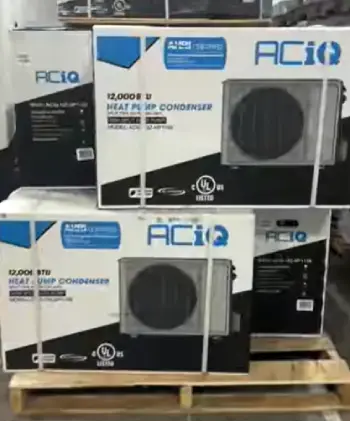
From my analytical view, ACiQ edges ahead if you value long-term reliability, strong warranties, and professional installation.
It feels like a smarter investment for most homeowners who want set-it-and-forget-it comfort.
MRCOOL wins when speed, DIY satisfaction, and top efficiency ratings matter most to you.
I ultimately leaned toward ACiQ for my project because the warranty peace of mind and proven cold-climate performance aligned better with my family’s needs.
That said, if you’re handy and want to control every step, MRCOOL delivers real excitement and savings on labor.
Consider your skill level, local climate, and budget honestly. Test both brands’ specs against your square footage and usage patterns.
Both brands bring inverter technology that adjusts output intelligently, avoiding the on-off cycling of older systems. This keeps temperatures steady and cuts energy waste.
In my experience, proper sizing matters more than brand – undersized units struggle, while oversized ones short-cycle and waste money.
Think about your home’s layout too. Multi-zone setups from either work great for larger spaces, letting you cool the living room while keeping bedrooms warmer. Noise levels stay low overall, but placement of outdoor units away from bedrooms helps even more.
Maintenance stays straightforward for both. Regular filter cleaning and annual check-ups keep efficiency high. I recommend budgeting for professional service yearly regardless of choice to catch small issues early.
Energy savings become real quickly. With rising utility rates, those SEER ratings pay back over time through lower monthly bills. Pair either system with good home insulation for maximum impact.
Energy Efficiency Breakdown
Both systems use inverter-driven compressors that adjust speed instead of turning fully on and off. This saves energy and improves comfort.
MRCOOL sometimes advertises higher peak SEER, but ACiQ holds its own in sustained operation.
I calculated potential savings based on my local rates and found both could cut my cooling costs by 30-50% versus my old system, depending on usage.
Installation Real Talk
If you are handy and enjoy projects, MRCOOL’s pre-charged lines remove major headaches. I watched tutorials and felt confident tackling it. For ACiQ, I would hire a pro to ensure vacuum and charge are perfect, avoiding future leaks. Either way, electrical work needs a qualified person for safety and code compliance.
Performance In Different Climates
In moderate areas, both excel. For colder regions, look at HyperHeat variants from either brand.
MRCOOL impressed with low-temp ratings, but ACiQ also delivered reliable heat in user reports from northern states. Consider your lowest winter temps when choosing.
Maintenance And Longevity
Regular filter cleaning and annual checks keep both running smoothly. ACiQ’s design seems straightforward for pros.
MRCOOL requires careful monitoring of DIY connections. With good care, expect 10+ years from either, though real results vary by installation and environment.
Cost Considerations
ACiQ often wins on total package price for pro installs.
MRCOOL can come out ahead if your labor savings are significant. Factor in potential repairs—budget a little extra for peace of mind no matter which you pick.
Smart Features And Controls
Both offer WiFi apps for remote control, scheduling, and monitoring. I found them responsive and useful for adjusting on the go. Voice integration works with common assistants, adding convenience.
Also Read: Comparison Of Senville And Della Mini Split
Frequently Asked Questions (FAQ)
No, ACiQ is a value-oriented brand often using components from major manufacturers, but it is not Carrier. It offers similar quality at lower prices.
Premium options like Mitsubishi or Daikin top reliability lists, but among value brands, ACiQ performs consistently well with proper installation.
ACiQ partners with established manufacturers, including Midea platforms for many mini-splits, delivering quality through white-label production.
Users sometimes report motor noise, occasional component failures after years, warranty processing delays, and sensor calibration needs.
Wrapping Up
I hope my comparison helps you make a confident choice. I’ve shared what worked for me and the trade-offs I considered so you can avoid common pitfalls.
Whether you go with ACiQ for its balanced value and support or MRCOOL for that satisfying DIY experience, focus on proper sizing and quality installation.
Your future self will thank you every time the system quietly keeps your home comfortable without high bills.
What matters most to you – saving on install or maximizing long-term reliability? Think it through, and you’ll pick the right fit for your home.
Recent Posts
● Interactive 5-Zone Interior & Exterior Paint Blueprint Paint Coverage Calculator: Gallons, Primer, Square Footage & Cost Tap any architectural surface zone on the blueprint...
If you want smooth, shiny hair without spending a fortune on a premium styling tool, the Ella Bella hair dryer may be worth considering.In these Ella Bella hair dryer reviews, I’ll look...