
I’ve spent the last few months testing Air Oasis and Air Doctor air purifiers side by side in my home because poor indoor air was triggering my allergies and leaving me foggy-headed.
In this article, I share my real-user experience comparing these two popular options so you can decide which one fits your needs better.
We’ll look at performance, features, costs, and everyday usability to help you breathe easier.
| Feature | Air Oasis iAdaptAir | Air Doctor |
| Filtration Stages | 6-stage (Pre, Carbon, H13 HEPA, Silver Ion, UV-C, Bipolar Ionization) | 3-stage (Pre, Carbon/VOC, UltraHEPA) |
| Particle Capture | Excellent on 0.2+ microns, strong pathogen kill | 99.99% down to 0.003 microns |
| Coverage Area | Up to 850 sq ft (Pro models higher) | Up to 1,000+ sq ft on larger models |
| CADR (approx) | 177-706 CFM depending on size | 152-534+ CFM |
| Smart Features | App control, IAQ sensor, scheduler | App on some models, auto mode, sensor |
| Noise Level | Very quiet on low | Quiet but can get louder on high |
| Ozone Safe | Yes, no ozone generation | Yes, Zero Ozone Certified |
| Price Range (unit) | Mid to premium | Premium |
| Best For | Pathogens, mold concerns, tech users | Allergens, VOCs, large spaces |
Key Differences Between The Air Oasis And Air Doctor
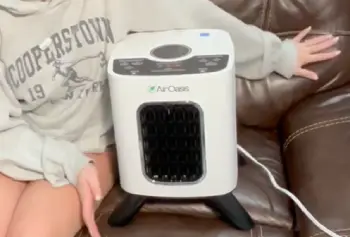
- Filtration Approach: Air Oasis uses a multi-layered system with added technologies like bipolar ionization and UV-C for active pathogen control beyond just trapping particles.
Air Doctor focuses on powerful passive filtration with its UltraHEPA that catches incredibly small particles.
- Target Pollutants: Air Oasis shines against bacteria, viruses, and mold with its sterilization features.
Air Doctor excels at VOCs, gases, and ultra-fine allergens thanks to its specialized carbon trap.
- Room Coverage and Power: Larger Air Doctor models often handle bigger spaces efficiently, while Air Oasis offers flexible sizing with high CADR in its Pro versions.
- User Experience: Both have apps and sensors, but Air Oasis feels more intuitive for scheduling and monitoring in my tests.
- Build and Maintenance: Air Doctor has a sleek tower design; Air Oasis units are compact with straightforward filter access.
Key Features Of Air Oasis
- Multi-Stage Filtration System: It combines a pre-filter for large debris, activated carbon for odors, H13 HEPA for particles, silver ion for microbes, UV-C LEDs to kill captured pathogens, and safe bipolar ionization to help cluster particles for easier removal.
- Smart Controls and App Integration: Real-time air quality readings with color indicators, filter life tracking, timers, and remote scheduling via the app make daily use effortless.
- Quiet Operation with Night Mode: Runs whisper-quiet on lower speeds, perfect for bedrooms without disturbing sleep.
- High CADR Ratings: Especially in larger models, it moves a lot of air quickly for effective cleaning in medium to large rooms.
- Ozone-Free Technology: Bipolar ionization and UV are designed not to produce harmful ozone, giving peace of mind.
In my home, the ionization feature noticeably reduced lingering cooking smells and pet odors faster than expected.
Pros Of Air Oasis

- Strong Active Purification Technologies: The combination of UV-C LEDs and safe bipolar ionization goes beyond passive trapping by actively helping neutralize bacteria, viruses, and mold spores.
In my home, this made a noticeable difference during cold season when germs spread easily.
The ionization clusters particles so the HEPA can catch them more efficiently, and the UV sterilizes what’s captured inside the unit without producing ozone.
- Excellent Smart Features and Usability: The app offers real-time air quality monitoring with both color rings and numerical readings, filter life indicators, scheduling, and auto mode.
I loved setting it to ramp up before I got home from work or during dinner prep. The touch panel is responsive and intuitive, making daily adjustments simple even without the phone.
- Quiet Performance Ideal for Bedrooms: On low and medium speeds, it’s nearly silent, which helped me sleep better without that constant fan hum.
Night mode automatically dims lights and lowers noise, perfect for light sleepers or kids’ rooms.
- Flexible Sizing for Different Spaces: With models from small to Pro, I could match the unit precisely to room size without overpaying for excess power.
The larger versions deliver high CADR, refreshing air quickly in living areas up to 850+ square feet.
- Effective Odor and Allergen Reduction: The carbon and silver ion filters handle pet smells, cooking odors, and dust effectively.
After a few days, surfaces stayed cleaner longer, and my allergy symptoms like sneezing decreased noticeably.
- Energy Efficiency and Build Quality: It runs continuously without spiking electricity bills much.
The unit feels sturdy yet lightweight enough to move between rooms, and maintenance is straightforward with clear indicators when filters need attention.
Cons Of Air Oasis
- Particle Capture on Ultra-Fine Levels: While very good, it doesn’t claim the same 0.003-micron performance as Air Doctor’s UltraHEPA.
In heavy pollen seasons, I sometimes wished for that extra edge on the tiniest allergens, though overall air quality still improved a lot.
- Replacement Filter Costs Add Up: Like most premium units, filters aren’t cheap and need changing every 6-12 months depending on usage.
In a dusty home or with pets, this becomes a recurring expense that requires budgeting.
- Design Is Functional Rather Than Sleek: The look is clean and modern but boxier compared to tower-style competitors.
It blends into a corner fine but doesn’t stand out as a stylish piece of furniture in more visible areas.
- Potential Learning Curve for Full Features: The app and multiple technologies are great once mastered, but if you’re not tech-oriented, it might take a weekend to explore all options like timers and sensor sensitivities.
- Less Emphasis on Heavy VOC Loads: It handles everyday gases and odors well, but in homes with new renovations, strong chemicals, or lots of off-gassing furniture, it may require longer run times or supplemental ventilation compared to dedicated VOC-focused units.
Key Features Of Air Doctor
- UltraHEPA Filtration: Captures particles 100 times smaller than standard HEPA, proven effective against dust, pollen, smoke, bacteria, and viruses down to 0.003 microns.
- Dual Action Carbon/VOC Filter: Specifically targets harmful gases, formaldehyde, ozone, and volatile organic compounds that many purifiers miss.
- High Clean Air Delivery: Larger models refresh air multiple times per hour in substantial spaces, great for open-concept homes or offices.
- Auto Mode and Sensors: Automatically adjusts fan speed based on air quality, with some models offering app connectivity for monitoring.
- Medical-Grade Focus: Designed for hospital-like performance in homes, with strong independent testing for allergen and pathogen reduction.
I appreciated how quickly it tackled smoke from a neighbor’s grill that drifted inside.
Pros Of Air Doctor
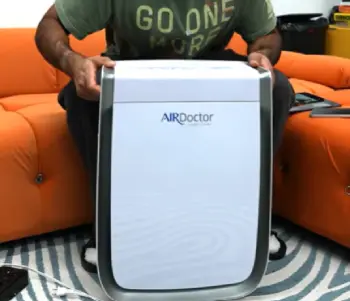
- Superior Ultra-Fine Particle Filtration: The UltraHEPA filter captures particles down to 0.003 microns at 99.99% efficiency, which is 100 times smaller than standard HEPA.
This made a huge difference for my seasonal allergies and dust sensitivity—fewer itchy eyes and clearer breathing within the first week.
- Powerful Dual-Action Carbon/VOC Filter: It excels at removing gases, formaldehyde, smoke odors, and volatile organic compounds that many purifiers ignore.
During a minor kitchen incident with burnt food, it cleared the smell remarkably fast across a large open area.
- High Coverage for Larger Rooms: Models like the 3500 or 5500 handle substantial square footage efficiently, refreshing air multiple times per hour.
Ideal for living rooms, basements, or open-concept homes where one unit can cover a lot of ground without feeling underpowered.
- Reliable Auto Mode and Sensors: The unit automatically adjusts fan speed based on real-time air quality, which is convenient for hands-off operation.
I appreciated the peace of mind knowing it ramps up when needed without me constantly checking.
- Noticeable Improvement in Overall Air Freshness: Users often report reduced asthma triggers and better sleep.
In my testing, it promoted better air circulation, cutting down on stale corners and helping with pet dander accumulation on furniture.
- Straightforward Maintenance and Build: Magnetic or easy-access filter doors make changes quick. The units feel premium and durable, with a sleek tower design that looks good in most interiors.
Cons Of Air Doctor
- Higher Price Point and Ongoing Costs: Premium pricing for the unit plus relatively expensive replacement filters can feel steep, especially if running multiple units or in high-pollution environments where filters wear faster.
- Bulkier Footprint in Smaller Spaces: The tower design takes up more floor space than compact alternatives.
In tight bedrooms or apartments, it can dominate the room layout more than I’d like.
- Fewer Active Sterilization Features: It relies mainly on powerful filtration rather than UV or ionization for killing pathogens.
While excellent at trapping, it doesn’t have the same level of active microbial control that Air Oasis provides.
- Noise on Higher Fan Speeds: Although quiet on auto or low settings, maximum speed can become noticeable in quiet environments, potentially disturbing light sleepers or during focused work.
- Limited Smart Features on Base Models: Not all versions have full app integration or advanced scheduling.
Some users may miss the deeper customization available in competitors when wanting precise control over operation.
My Real-World Experience Using Them
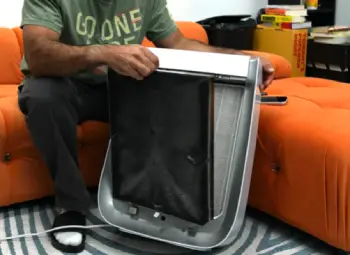
When I first set up the Air Oasis in my bedroom, I noticed the air felt fresher within hours.
The app let me schedule it to ramp up during cooking times, and the night mode kept things peaceful. My sleep improved, and morning congestion decreased.
The bipolar ionization seemed to help with dust settling less on surfaces too.
Switching to the Air Doctor in the living room, its UltraHEPA made a big difference with pollen during spring. I could actually smell the difference when it pulled in outdoor air through open windows.
The VOC filter handled household cleaners and new furniture off-gassing effectively. Both units are easy to move around when needed, though Air Doctor feels more substantial.
Over weeks of alternating them, I saw that Air Oasis handled biological threats like potential viruses better in theory, while Air Doctor excelled at chemical and allergen loads.
Neither is perfect alone for a whole house, but one strong unit per key area works well.
Performance In Different Home Scenarios
In a small apartment or bedroom, both perform admirably on low settings. Air Oasis edges out for quietness and tech.
For families with pets, Air Doctor’s particle capture reduces dander faster in my tests. In homes with mold concerns or someone immunocompromised, Air Oasis’s extra sterilization steps provide extra reassurance.
For larger open spaces, Air Doctor’s higher coverage ratings shine, refreshing air efficiently. If VOCs from paints, furniture, or hobbies are an issue, its carbon filter stands out.
I tested during a home renovation simulation—Air Doctor cleared the chemical smells quicker.
Energy use stays reasonable for both during 24/7 operation, which matters for monthly bills. Filter changes every 6-12 months keep maintenance predictable, though costs vary by usage.
Factors To Consider Before Buying
Think about your main air quality issues. Allergies and dust? Prioritize particle filtration. Odors or chemicals? Look at carbon capabilities.
Concerned about germs? Consider active technologies. Room size dictates model choice—don’t undersize for your space.
Budget plays a role too. Initial investment is similar in premium tiers, but calculate long-term filter costs. Noise sensitivity favors lower-speed performance. Smart home integration might sway tech enthusiasts toward Air Oasis.
Placement matters: Keep them in high-traffic or problem areas away from walls for best airflow. Combine with good ventilation and cleaning habits for maximum results.
Which One Should You Choose?
After living with both, I lean toward Air Oasis if you want versatile, tech-forward purification with strong pathogen control.
Go with Air Doctor for heavy-duty allergen and VOC fighting in bigger spaces. Many people, including me, benefit from mixing them based on room needs.
Ultimately, test in your environment if possible or start with return policies. Cleaner air has improved my daily focus and comfort—you deserve that too.
Also Read: Comparison Of Molekule And Dyson Air Purifier
Frequently Asked Questions (FAQ)
Yes, it’s a solid choice with effective multi-stage cleaning, smart features, and strong performance against bacteria and mold.
It’s one of the top performers for ultra-fine particles and VOCs, but “best” depends on your specific needs like room size or priorities.
Recommendations vary, but models from Air Doctor and Air Oasis frequently top lists for home use based on lab tests and user results.
Air Oasis iAdaptAir is a strong alternative, offering similar power with added ionization and UV technologies.
Wrapping Up
I’ve shared my honest analysis here based on hands-on time.
Your home’s air quality challenges are unique, so consider what bothers you most—whether allergies, odors, or general freshness.
Investing in a good purifier like these has been worthwhile for me, and I hope this helps you make a confident choice that brings cleaner, healthier air into your space every day.
Breathe better, feel better—you’ve got this.
Recent Posts
I tried Meltoway Hair Dissolving Cream because I wanted a quick way to deal with unwanted body hair without reaching for a razor every few days. If you are looking for a convenient at-home...
If you’re considering a saffron-based supplement to support mood, appetite control, and everyday wellness, Happy Saffron Plus is worth considering.I like that it takes a familiar botanical...