
Aircon mini split systems may look like an affordable way to improve indoor comfort, but I wouldn’t recommend buying one without carefully examining customer feedback, product quality, and after-sales support.
Negative reviews across ecommerce platforms raise concerns about reliability, cooling performance, and customer satisfaction.
If you’re investing in a long-term heating and cooling solution, I’d suggest comparing established alternatives before spending your money.
My First Experience With Aircon Mini Split
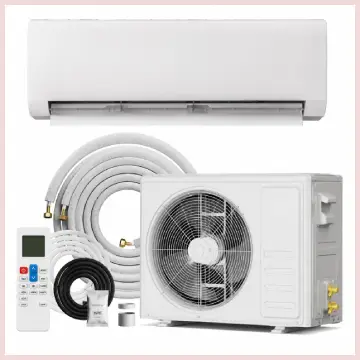
When I evaluate a ductless air conditioning system, I look beyond its advertised cooling capacity.
A mini split should provide consistent temperatures, operate quietly, manage humidity effectively, and maintain dependable performance over time.
It should also offer reasonable energy efficiency and accessible technical support when something goes wrong.
Aircon mini split systems attract attention because of the convenience associated with ductless air conditioning.
Unlike traditional central air conditioning, a mini split generally doesn’t require extensive ductwork.
The indoor unit is mounted on a wall, while the outdoor condenser handles heat exchange. Refrigerant lines connect the two components, allowing the system to cool or heat a designated area.
At first glance, this arrangement sounds appealing, especially if you want to cool a bedroom, home office, apartment, or individual living space.
I appreciate the flexibility of this design because it can eliminate the need to install expensive ductwork throughout an entire property.
However, convenience alone doesn’t make a product worth purchasing.
One of the first things I consider when evaluating Aircon mini split reviews is the feedback surrounding actual ownership.
Advertisements can emphasize impressive cooling capabilities, modern controls, and energy savings, but customers eventually judge an air conditioner by how it performs after installation.
The negative feedback associated with this product raises questions that prospective buyers shouldn’t ignore. When customers report unsatisfactory experiences, I pay particular attention to recurring complaints rather than focusing on isolated comments.
For instance, inconsistent cooling would be a significant concern. A mini split should maintain a comfortable temperature without constantly struggling to reach the selected setting.
If an air conditioner takes too long to cool a room, frequently cycles on and off, or distributes air unevenly, its everyday usefulness becomes questionable.
Noise is another important consideration. Although ductless systems are generally designed for relatively quiet operation, the indoor fan and outdoor compressor can still produce noticeable sounds.
Excessive vibration, rattling, or unusual operating noises can become frustrating, particularly when the unit is installed in a bedroom.
I also consider installation and customer support essential parts of the overall experience. Even a reasonably designed air conditioner can become a disappointing investment when installation instructions are unclear or replacement components are difficult to obtain.
Another concern is long-term reliability. Purchasing an air conditioner isn’t like buying a small household accessory that you can easily replace. Installation involves labor, electrical connections, refrigerant piping, and sometimes additional modifications to your property. If the system develops problems shortly after installation, resolving them can become expensive.
That’s why I wouldn’t automatically trust promotional claims about performance or energy savings without checking independent specifications and customer experiences.
My overall assessment is cautious. Aircon mini split systems may appear attractive to shoppers searching for affordable ductless cooling, but the negative customer feedback makes me hesitant to recommend this option. I would rather spend additional time comparing manufacturers with established service networks, documented product specifications, and stronger reliability records.
If you’re shopping for a mini split, remember that the cheapest initial price isn’t necessarily the lowest ownership cost. Installation expenses, maintenance requirements, electricity consumption, and potential repairs all matter.
Also Read: Is Infinity Living Mini Split Worth It?
Pros Of Aircon Mini Split Systems
- Ductless Installation
The biggest advantage of a conventional mini split is its ductless design.
If your home doesn’t have central air conditioning, installing traditional ductwork can involve substantial construction work. You may need to modify ceilings, walls, or existing structures to accommodate the necessary ventilation system.
A ductless mini split avoids much of that complexity.
The indoor unit connects directly to an outdoor condenser through refrigerant lines. This arrangement can make it suitable for individual rooms, extensions, apartments, and renovated properties.
I particularly like this concept for spaces where installing conventional ductwork would be inconvenient.
However, ductless doesn’t mean installation is effortless. Proper mounting, drainage, electrical connections, refrigerant piping, and commissioning still require attention.
- Individual Room Temperature Control
Another advantage of mini split technology is the ability to control temperatures in individual spaces.
For example, imagine having a bedroom that receives direct afternoon sunlight while the rest of your home stays relatively cool.
A properly sized single-zone mini split can provide dedicated cooling for that room without requiring you to operate a central air conditioning system throughout the entire property.
Multi-zone systems can take this concept further by connecting multiple indoor units to compatible outdoor equipment.
This flexibility is particularly useful for households with different temperature preferences.
Nevertheless, I would verify the actual zoning capabilities of any Aircon model rather than assuming it supports multiple indoor units.
- Flexible Placement
Mini splits offer more placement flexibility than many conventional air conditioning systems.
The indoor unit can often be mounted high on a wall, allowing conditioned air to circulate through the room without taking up floor space.
This can be useful in smaller bedrooms, apartments, offices, and renovated spaces.
However, placement should be determined by airflow requirements rather than appearance alone.
An indoor unit installed behind furniture or positioned where curtains block airflow may not distribute conditioned air effectively.
- Heating and Cooling Capabilities
Some mini splits provide both heating and cooling through heat pump technology.
This makes them useful throughout different seasons.
Instead of purchasing separate heating and cooling appliances, homeowners can use one compatible system for both purposes.
Still, not every ductless air conditioner offers heating functionality.
Before purchasing, I would check whether the particular model is cooling-only or a heat pump and examine its operating temperature range.
- No Traditional Air Ducts to Clean
Traditional ducted systems require attention to their air distribution networks.
Dust and debris can accumulate inside ductwork, and neglected ducts may affect airflow and indoor air quality.
A ductless mini split doesn’t use the same extensive duct network.
That doesn’t mean maintenance disappears, though. Indoor filters, evaporator coils, drainage components, and outdoor condenser coils still need regular cleaning.
Cons Of Aircon Mini Split Systems
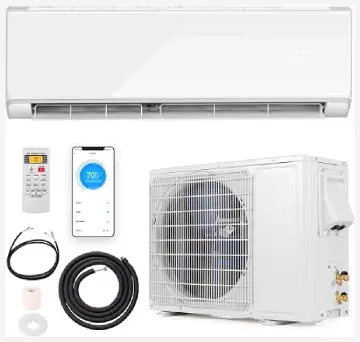
- Concerning Customer Feedback
Customer satisfaction is one of the most important factors I consider before recommending an expensive appliance.
Negative ecommerce reviews can reveal problems that aren’t obvious from product descriptions.
When evaluating Aircon mini split reviews, prospective buyers should pay attention to repeated complaints involving cooling performance, defective components, installation difficulties, and customer service.
A single negative review doesn’t establish that an entire product line is unreliable. However, repeated reports describing similar problems deserve serious attention.
I wouldn’t recommend overlooking unfavorable feedback simply because the advertised price looks attractive.
- Uncertainty About Long-Term Reliability
Air conditioning systems operate for extended periods, particularly in regions with hot summers.
That means their components experience repeated thermal changes, vibration, electrical loads, and exposure to outdoor weather.
A dependable mini split should withstand regular operation without requiring frequent repairs.
My concern with an unfamiliar or poorly reviewed product is the lack of confidence buyers may have in its long-term durability.
Before purchasing, I would want clear information about compressor coverage, parts availability, warranty exclusions, and authorized repair services.
Without these assurances, even a discounted system could become an expensive mistake.
- Potential Installation Complications
Mini split installation requires more than attaching an indoor unit to a wall.
The installer must consider refrigerant piping, drainage, electrical requirements, outdoor condenser placement, and manufacturer-specific installation procedures.
Poor installation can contribute to refrigerant leaks, drainage problems, reduced efficiency, and premature equipment failure.
I wouldn’t choose an unfamiliar product unless qualified technicians were comfortable installing and servicing it.
- Replacement Parts and Technical Support
Customer support becomes especially important when an air conditioner stops working.
A manufacturer should provide accessible troubleshooting information, replacement components, warranty assistance, and technical guidance.
If replacement parts are difficult to obtain, a relatively minor fault can leave the entire system unusable.
This is an important reason I favor established HVAC manufacturers with documented dealer and service networks.
- Unclear Energy Performance
Buyers sometimes assume that every mini split automatically reduces electricity consumption.
That assumption can be misleading.
Energy efficiency varies considerably between models. A poorly sized or inefficient system may consume more electricity than expected.
I would avoid making purchasing decisions based on vague descriptions such as energy-saving technology or low electricity bills.
Look for independently verifiable SEER2 ratings and compare the figures with competing systems of similar capacity.
Also Read: Comparison Of Daikin And Mitsubishi Mini Splits
Maintenance For Mini Split Air Conditioners
- Clean the Indoor Air Filters Regularly
The air filters are among the most important components to maintain.
They capture airborne dust, lint, and other particles before air circulates through the indoor unit.
Over time, accumulated debris can restrict airflow.
When airflow becomes restricted, the air conditioner may need to work harder to maintain the desired temperature.
I recommend checking the filters regularly, especially during periods of frequent operation.
Remove the filters according to the manufacturer’s instructions. If they’re washable, rinse them gently with clean water and allow them to dry completely before reinstalling.
Never reinstall wet filters.
Also, avoid using aggressive cleaning chemicals unless the manufacturer specifically approves them.
- Keep the Outdoor Condenser Clear
The outdoor condenser needs adequate airflow to release heat.
Leaves, dust, grass clippings, and other debris can collect around the equipment.
If the outdoor unit becomes obstructed, heat transfer may become less effective.
I recommend inspecting the surrounding area regularly.
Keep plants, storage items, and other obstructions away from the condenser according to the manufacturer’s required clearance specifications.
Switch off the equipment before performing any permitted external cleaning.
Never open electrical compartments or attempt to clean internal components without appropriate training.
- Inspect the Condensate Drainage System
During cooling operation, mini splits remove moisture from indoor air.
That moisture collects as condensation and drains away through a dedicated drainage line.
If the drain becomes clogged, water may leak from the indoor unit.
You might notice dripping, damp walls, unpleasant odors, or water accumulating beneath the air conditioner.
These symptoms shouldn’t be ignored.
Check for visible drainage problems and arrange professional cleaning when necessary.
I would also make sure the drainage line has the correct slope so water can move away from the indoor unit.
- Keep the Evaporator Coil Clean
The indoor evaporator coil plays an important role in heat exchange.
Dust and debris can gradually accumulate on its surface, reducing airflow and heat transfer.
Although basic filter cleaning helps prevent excessive contamination, it doesn’t eliminate the need for periodic coil inspection.
A qualified technician can examine the evaporator and perform appropriate cleaning when necessary.
Avoid bending delicate fins or spraying random household cleaners onto the coil.
- Inspect Refrigerant Lines
The insulated refrigerant lines connect the indoor and outdoor components.
Their condition matters because damaged insulation can reduce efficiency and condensation may develop around poorly insulated sections.
Look for visible damage, deteriorating insulation, or unusual signs of moisture.
If you suspect a refrigerant leak, contact a qualified HVAC professional.
Never attempt to add refrigerant yourself.
Refrigerant handling requires suitable equipment, training, and compliance with applicable regulations.
- Maintain Proper Temperature Settings
Your temperature setting can influence electricity consumption.
Running the air conditioner at an extremely low temperature doesn’t necessarily make the room cool faster.
Instead, it may increase operating time and energy use.
I prefer choosing a comfortable temperature and allowing the system to maintain it.
Using an appropriate fan setting and avoiding unnecessary temperature adjustments can also help maintain consistent indoor comfort.
- Inspect Electrical Connections Professionally
Electrical components should be inspected periodically by a qualified technician.
Loose connections, damaged wiring, and electrical faults can affect performance and create safety risks.
Never remove electrical covers or work on live components yourself.
If you notice burning smells, repeated breaker trips, unusual electrical noises, or visible wiring damage, stop using the system and arrange professional inspection.
Comparison Of Aircon Mini Split With Other Brands
- Aircon vs. Mitsubishi Electric
Mitsubishi Electric is one of the names I would consider first when reliability is a priority.
The company has an established presence in the ductless air conditioning market and offers different systems for residential applications.
Its product range includes models designed for demanding heating and cooling conditions.
Compared with an Aircon product receiving unfavorable customer feedback, Mitsubishi Electric offers a more established manufacturer and dealer ecosystem.
However, premium equipment can involve a higher initial investment.
I would choose Mitsubishi Electric when dependable performance, professional installation, and long-term service support matter more than finding the cheapest initial purchase.
- Aircon vs. Daikin
Daikin is another established manufacturer worth considering.
The company offers residential ductless systems with different capacities, configurations, and efficiency levels.
One reason I like Daikin as an alternative is its extensive experience in air conditioning and heat pump technology.
Its product selection can accommodate different room sizes and installation requirements.
Compared with an unfamiliar or poorly reviewed Aircon system, Daikin would be my more reassuring choice.
However, buyers should still examine the specifications, warranty conditions, and local service availability of the exact model.
- Aircon vs. Fujitsu
Fujitsu is another strong competitor in the ductless mini split category.
Its systems are designed for residential heating and cooling, and selected models offer high efficiency and advanced temperature control.
I would consider Fujitsu when looking for a balance between comfort, performance, and established HVAC engineering.
The biggest consideration is finding an installer familiar with the manufacturer’s equipment.
In comparison, I would be more cautious about choosing Aircon without convincing evidence of reliable after-sales support.
- Aircon vs. LG
LG offers a variety of residential air conditioning systems with modern features.
Depending on the model and market, buyers may find inverter technology, convenient controls, and smart connectivity.
I particularly appreciate the convenience that connected controls can offer.
Being able to adjust temperature settings through compatible controls can make everyday operation easier.
However, smart features shouldn’t be the only purchasing consideration.
Cooling performance, warranty coverage, installation quality, and repair availability matter much more over the system’s lifetime.
I would generally investigate LG before committing to a poorly reviewed alternative.
- Aircon vs. MRCOOL
MRCOOL is particularly interesting for buyers who want DIY-oriented mini split options.
Some of its systems use specialized pre-charged refrigerant line connections designed to simplify installation.
This makes the brand different from conventional professional-installation-focused manufacturers.
However, DIY-friendly doesn’t mean every installation task is simple or exempt from electrical and building requirements.
You should carefully follow the specific product instructions and local regulations.
Compared with Aircon, MRCOOL provides a more recognizable alternative for buyers specifically interested in DIY installation.
- Aircon vs. Senville
Senville is worth considering if you’re working with a limited budget.
The brand offers several ductless systems aimed at residential buyers who want modern cooling and heating without paying premium-brand prices.
Depending on the model, you can find different capacities and efficiency levels.
I would still examine customer support, warranty terms, and parts availability before purchasing.
Senville may provide a more appealing alternative for budget-conscious shoppers, but comparing exact models is essential.
Also Read: Is PG Mini Split Worth It?
Frequently Asked Questions (FAQ)
Air conditioning mini splits can be excellent for individual room cooling and heating. However, I wouldn’t automatically recommend Aircon-branded equipment because of the unfavorable customer feedback associated with the product. Check model-specific reviews, warranty coverage, and service availability first.
Mitsubishi Electric is frequently considered one of the strongest choices for reliability. Daikin and Fujitsu are also respected alternatives. The best option depends on the particular model, installation quality, warranty, and local service support.
I’d be cautious about unfamiliar brands with repeated negative customer feedback, unclear warranty policies, limited replacement parts, and inadequate technical support. Rather than avoiding an entire category based on its name, investigate the specific model and its documented ownership history.
Mitsubishi Electric, Daikin, Fujitsu, and LG are among the established brands worth considering in 2026. MRCOOL is another option for buyers interested in DIY-oriented systems. Compare individual models for efficiency, reliability, cooling capacity, warranty, and installation requirements.
Final Verdict
After considering the advantages of ductless air conditioning and the concerns associated with Aircon mini split reviews, I wouldn’t recommend rushing into this purchase.
Negative customer feedback makes reliability and after-sales support important concerns.
I’d compare Mitsubishi Electric, Daikin, Fujitsu, and LG instead. Spending more on a reputable system with dependable installation and service support may provide better long-term value.
Recent Posts
Giovanni Castor Oil Shampoo Reviews: Is It Worth Trying For Healthier, Stronger Hair?
If you're looking for a shampoo that cleans your scalp while helping your hair feel softer, stronger, and more manageable, Giovanni Castor Oil Shampoo may be worth considering. I like the...
La Roche-Posay Effaclar Mat Review: Is It Worth Buying For Oily Skin?
If you struggle with oily skin, unwanted shine, or enlarged-looking pores, La Roche-Posay Effaclar Mat is worth considering. I like its lightweight, mattifying approach because it helps...