
Buying a mini split system is a significant investment, so I always recommend choosing a brand with a strong reputation for reliability, warranty support, and long-term performance.
After researching PG mini split reviews and comparing them with established competitors, I found several concerns that made me hesitant to recommend this brand.
While the affordable price may catch your attention, I believe most buyers will be happier investing a little more in a trusted manufacturer that consistently delivers better quality and customer support.
My Personal Experience With The PG Mini Split
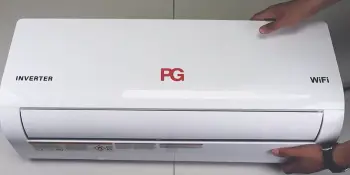
When I first came across the PG mini split, I understood why many people considered it.
The price was noticeably lower than premium brands, and the specifications looked surprisingly competitive.
On paper, it promised efficient cooling and heating, inverter technology, quiet operation, and decent energy savings.
Like many shoppers, I wondered whether it could deliver similar performance without the premium price tag.
My experience began with researching owner feedback before making a purchase. I spent hours reading customer reviews across multiple marketplaces, HVAC forums, and discussion boards.
While there were some satisfied customers who reported acceptable cooling performance, I noticed a recurring pattern that couldn’t be ignored.
The biggest issue wasn’t necessarily how the unit performed during the first few weeks. Instead, many users reported problems appearing after several months of use.
Some experienced inconsistent cooling, while others mentioned unusual noises, communication errors between the indoor and outdoor units, and difficulty getting replacement parts.
I also found that installation played a major role in customer satisfaction. Even professionally installed units sometimes developed issues that required technical support.
Unfortunately, this is where many owners became frustrated.
Delayed responses, warranty complications, and difficulty finding authorized service technicians appeared repeatedly throughout customer feedback.
Another concern was documentation. Installation manuals and troubleshooting guides were often described as incomplete or confusing.
While experienced HVAC professionals could usually work through these issues, homeowners attempting to understand basic maintenance or error codes often struggled.
Performance during moderate weather seemed acceptable for many users. Rooms cooled relatively quickly, and the inverter compressor generally maintained comfortable temperatures once the desired setting was reached. However, reports became less favorable during extremely hot summers or freezing winter conditions, where some owners felt the unit struggled compared to better-known brands.
Noise levels were another mixed area. Some customers praised the indoor unit for operating quietly, while others noticed buzzing, clicking, or vibration from either the indoor or outdoor components after months of operation.
One thing that stood out to me was the inconsistency. Unlike premium manufacturers where reviews tend to follow predictable trends, PG mini split experiences varied dramatically. One customer would describe years of trouble-free operation, while another would report major issues within the first year.
That inconsistency makes purchasing feel like a gamble. When I’m spending thousands of dollars on an HVAC system that should last well over a decade, I want confidence rather than uncertainty.
After reviewing countless customer experiences and comparing the overall ownership experience with leading brands, I personally wouldn’t choose a PG mini split. Saving money upfront doesn’t always translate into savings if repairs, replacement parts, or reliability become ongoing concerns.
Pros Of The PG Mini Split
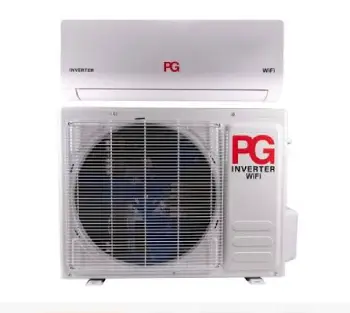
- Affordable Purchase Price
The first advantage I noticed was affordability. PG mini split systems generally cost less than many premium competitors.
If you’re working within a tight budget, the lower purchase price can initially seem attractive.
For homeowners replacing an aging window AC or upgrading from portable units, the upfront savings may appear substantial.
- Decent Cooling During Normal Conditions
Many users report that the unit cools rooms effectively under average summer temperatures.
Once the room reaches the desired temperature, the inverter compressor usually slows down rather than cycling on and off constantly. This helps create a more stable indoor climate without dramatic temperature swings.
If your home isn’t exposed to extreme temperatures throughout the year, basic cooling performance may satisfy your expectations.
- Quiet Indoor Operation
Several owners mention that the indoor air handler remains relatively quiet during standard operation.
This makes the unit suitable for bedrooms, home offices, nurseries, or living rooms where excessive fan noise would become distracting.
Although experiences vary, quiet performance remains one of the more frequently praised characteristics.
- Modern Features
Despite being a budget-oriented product, PG mini split systems often include features buyers expect today.
These may include inverter compressor technology, remote controls, multiple operating modes, programmable timers, sleep mode, auto restart after power outages, and adjustable fan speeds.
For everyday operation, these features provide reasonable convenience.
- Lower Initial Investment
Compared with established brands, purchasing multiple PG indoor units for different rooms may reduce initial installation costs.
This appeals to homeowners completing renovations or adding climate control to garages, workshops, additions, or detached offices where premium pricing isn’t practical.
Cons Of The PG Mini Split
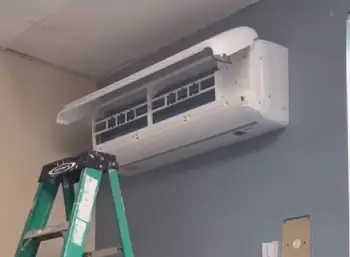
- Reliability Concerns
This is easily the biggest drawback I found.
Many customer reviews describe units developing problems far earlier than expected.
HVAC equipment should operate reliably for many years, but recurring reports of failures create understandable concern.
Because reliability directly impacts long-term ownership costs, this issue alone makes me cautious.
- Inconsistent Quality Control
One customer enjoys years of operation.
Another experiences breakdowns within months.
That level of inconsistency suggests quality control may not be as refined as better-established HVAC manufacturers.
Buying expensive home equipment should never feel unpredictable.
- Limited Service Network
Finding technicians familiar with PG systems can sometimes be difficult.
Many HVAC companies prioritize brands they install regularly, making repairs more challenging if specialized components or technical knowledge are required.
Long wait times for service can become frustrating during extreme weather.
- Customer Support Complaints
Support quality appears inconsistent based on owner experiences.
Some customers eventually receive assistance, while others report delayed communication regarding warranty claims, replacement parts, or troubleshooting guidance.
Responsive customer service becomes extremely important when expensive equipment develops problems.
- Replacement Parts May Be Difficult to Obtain
Several reviewers mention delays obtaining replacement components.
Even relatively minor repairs can become lengthy if parts aren’t readily available.
Long repair times may leave your home uncomfortable during peak heating or cooling seasons.
- Long-Term Value Is Questionable
Although the purchase price is attractive, potential repair expenses and uncertainty regarding durability reduce overall value.
A system that requires multiple repairs can easily cost more than buying a higher-quality brand from the beginning.
For many homeowners, peace of mind is worth paying extra upfront.
Comparison Of PG Mini Split with Other Brands

- PG Mini Split vs. Mitsubishi Electric
Mitsubishi Electric is widely recognized as one of the most dependable names in the mini split industry.
If long-term reliability is your top priority, Mitsubishi clearly has the advantage.
Many homeowners report using Mitsubishi systems for well over a decade with only routine maintenance, whereas PG reviews often mention inconsistent performance and unexpected repairs.
Energy efficiency is another area where Mitsubishi shines. Its advanced inverter technology adjusts compressor speed with remarkable precision, keeping rooms comfortable while using less electricity.
Although PG also features inverter technology, real-world reviews suggest that its efficiency and performance are not as consistent over time.
Customer support is another major difference. Mitsubishi has an extensive dealer and service network, making warranty claims and repairs much easier.
PG owners, on the other hand, frequently report delays in obtaining technical support or replacement parts.
While Mitsubishi comes with a higher upfront price, I believe it offers far greater long-term value because of its outstanding reliability, better engineering, and excellent after-sales support.
- PG Mini Split vs. Daikin
Daikin has built a strong reputation by producing highly efficient and durable HVAC systems.
Compared to PG, Daikin consistently receives better customer satisfaction ratings for both cooling and heating performance.
One of Daikin’s greatest strengths is its ability to maintain stable indoor temperatures without frequent cycling.
The system responds smoothly to changing conditions, creating a more comfortable environment while reducing electricity usage.
PG can cool a room effectively under normal conditions, but many customer reviews indicate that its long-term consistency is less dependable.
Warranty support is another area where Daikin performs exceptionally well. Its widespread dealer network makes servicing and repairs much more convenient.
In contrast, some PG owners struggle to locate qualified technicians or obtain warranty assistance.
If you’re planning to keep your mini split for many years, Daikin is a much safer investment despite its higher purchase price.
- PG Mini Split vs. Gree
Gree is another budget-friendly option, but it benefits from being one of the world’s largest air conditioner manufacturers.
This larger manufacturing presence gives many buyers greater confidence in product quality and long-term support.
After comparing owner reviews, I noticed that Gree generally receives fewer complaints regarding premature failures and quality control.
While no brand is completely problem-free, Gree appears to deliver more consistent performance than PG.
Another advantage is serviceability. Because Gree products are widely available, HVAC technicians are generally more familiar with their systems, making repairs easier and faster. Replacement parts are also more accessible.
For buyers looking for an affordable mini split without sacrificing reliability, I believe Gree represents a much stronger value than PG.
- PG Mini Split vs. Pioneer
Pioneer has become a favorite among homeowners looking for reasonably priced mini split systems.
One reason for its popularity is the company’s reputation for offering detailed documentation, accessible customer support, and widely available replacement parts.
Compared with PG, Pioneer receives more positive feedback regarding installation, overall reliability, and long-term ownership satisfaction.
Many users report years of dependable operation when the system is properly installed and maintained.
Pioneer also benefits from a large online community where owners share troubleshooting advice and maintenance tips. This makes it much easier to solve minor issues without unnecessary frustration.
Although Pioneer isn’t considered a premium HVAC brand, I would personally choose it over PG because it offers a more dependable ownership experience.
- PG Mini Split vs. MrCool
MrCool has earned recognition for making mini split installation more accessible, especially through its DIY-friendly product lines.
While professional installation is still recommended for many models, MrCool has simplified the process for homeowners.
When comparing customer feedback, MrCool generally performs better than PG in terms of warranty service, replacement part availability, and customer support.
Buyers often praise the company’s responsiveness and the ease of finding technical information.
MrCool also includes modern smart features in many of its models, including Wi-Fi connectivity and smartphone control.
Although some PG models offer similar functions, user feedback regarding software reliability is less consistent.
For homeowners seeking a balance between affordability, convenience, and dependable support, MrCool is a stronger overall choice.
- PG Mini Split vs. LG
LG combines attractive design with reliable performance and advanced inverter technology. Its systems are known for quiet operation, strong energy efficiency, and user-friendly smart controls.
Compared with PG, LG offers noticeably better build quality and more refined engineering. Customer reviews also suggest that LG systems experience fewer reliability issues over their lifespan.
Another important advantage is the availability of service. Because LG has an established presence in the HVAC industry, finding qualified installers and technicians is usually much easier than it is with PG.
Although LG costs more initially, the superior performance, technology, and long-term dependability make it a worthwhile investment.
Maintenance Tips For PG Mini Split
- Clean the Air Filters Regularly
The simplest maintenance task is cleaning your filters every few weeks.
Dirty filters restrict airflow, reduce efficiency, increase electricity consumption, and force the compressor to work harder.
I recommend checking filters monthly, especially during heavy summer use.
- Keep the Outdoor Unit Clear
Leaves, grass, weeds, and debris can block airflow around the outdoor condenser.
Maintain at least a couple of feet of open space around the unit to maximize efficiency.
I also avoid stacking boxes, gardening tools, or outdoor furniture near the condenser.
- Inspect the Indoor Unit
Occasionally check for dust buildup, unusual odors, water leaks, or mold around the indoor unit.
Addressing small issues early often prevents larger repair bills later.
- Clean the Condensate Drain
Mini splits remove humidity while cooling.
If the drain line becomes clogged, water can back up into the indoor unit.
Keeping the drain clean reduces the risk of leaks and unpleasant odors.
- Schedule Professional Maintenance
Even if the system appears to operate normally, annual professional inspections remain worthwhile.
Technicians can inspect refrigerant levels, electrical connections, blower components, coils, and compressor performance before small problems become expensive repairs.
- Watch for Strange Sounds
New rattling, buzzing, grinding, or clicking noises shouldn’t be ignored.
These sounds often indicate loose components or developing mechanical issues.
Early repairs usually cost less than waiting until complete failure occurs.
- Avoid Constant Temperature Changes
Frequently adjusting thermostat settings forces the system to work harder.
I prefer selecting a comfortable temperature and allowing the inverter compressor to maintain consistent operation.
This often improves comfort while reducing energy consumption.
- Keep Coils Clean
Dirty evaporator and condenser coils reduce efficiency.
Annual coil cleaning helps maintain proper airflow and cooling capacity while extending equipment life.
- Protect the Outdoor Unit During Severe Weather
Heavy snow, ice accumulation, or falling branches can damage outdoor components.
While the condenser should remain exposed for airflow, protecting it from unnecessary physical damage helps preserve long-term performance.
- Read the Owner’s Manual
Even though some users criticize the documentation, becoming familiar with your specific model’s maintenance schedule, operating modes, and troubleshooting procedures can help prevent avoidable problems.
Also Read: Comparison Of Bryant And Mitsubishi Mini Split
Frequently Asked Questions (FAQ)
Mitsubishi Electric is widely considered one of the most reliable mini split manufacturers. Daikin, Fujitsu, and LG also have excellent reputations for durability, efficiency, and customer satisfaction.
PG mini-splits are generally sold as private-label or imported systems. Depending on the model and distribution channel, manufacturing may be handled by third-party OEM factories rather than a widely recognized HVAC manufacturer.
Rather than avoiding every budget brand, I recommend being cautious with manufacturers that have limited service networks, inconsistent warranty support, and widespread reliability complaints. Always research long-term owner reviews before purchasing.
High electricity usage can result from dirty air filters, incorrect sizing, poor insulation, refrigerant problems, extreme thermostat settings, blocked outdoor units, or running the system continuously at maximum output. Regular maintenance and proper installation usually help improve efficiency.
Final Verdict
After carefully evaluating PG mini split reviews, my conclusion is straightforward.
While the attractive purchase price initially caught my attention, recurring complaints about reliability, inconsistent quality, customer service, and replacement parts make it difficult for me to recommend this system.
HVAC equipment is a long-term investment, and I would rather spend more upfront on a dependable brand than risk costly repairs and frustration later.
If reliability and peace of mind matter to you, there are far better mini split options available.
Recent Posts
I tried Meltoway Hair Dissolving Cream because I wanted a quick way to deal with unwanted body hair without reaching for a razor every few days. If you are looking for a convenient at-home...
If you’re considering a saffron-based supplement to support mood, appetite control, and everyday wellness, Happy Saffron Plus is worth considering.I like that it takes a familiar botanical...