
I spent months researching and comparing Daikin and Mitsubishi mini splits because I needed a reliable ductless system for my own home, and I wanted clear answers instead of marketing fluff.
My goal here is to give you a practical, side-by-side look at how these two premium brands perform in real homes so you can decide which one fits your climate, budget, and comfort priorities.
| Feature | Daikin | Mitsubishi Electric |
| Compressor Technology | Inverter Swing Compressor | Inverter-Driven Twin Rotary |
| Peak SEER2 (approx.) | Up to ~26 (select models) | Up to ~33 (select FS/Hyper-Heat models) |
| Cold-Climate Performance | Aurora series, strong to -13°F | Hyper-Heating (H2i), 100% capacity at 5°F, to -13°F or lower |
| Indoor Noise (low) | ~19 dB(A) on quiet models | ~19 dB(A) on quiet models |
| Warranty (registered pro install) | Up to 12 years parts/compressor | Up to 12 years parts/compressor |
| Price Position | Often slightly lower | Premium |
| Best For | Value, moderate-to-cold climates, app ease | Extreme cold, ultra-quiet, multi-zone depth |
My First Experience With Daikin With Mitsubishi Mini Splits
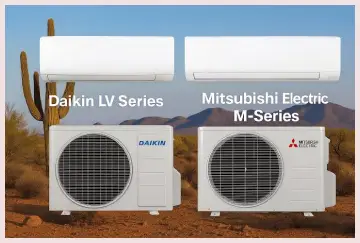
I installed a Daikin Aurora mini split in my guest room first because the quote came in lower and the local Comfort Pro contractor had strong reviews.
The indoor unit started up almost silently, and the lowest fan setting produced only a soft whoosh that disappeared into the background after a few minutes.
Cooling felt even across the room within half an hour, and the app let me adjust the temperature from my phone without any lag.
During the first mild winter the unit handled overnight lows around 20°F without complaint, though I noticed it worked a bit harder when the temperature dropped near zero.
A year later I added a Mitsubishi Hyper-Heat system in the main living area because I wanted stronger performance for the colder months.
The difference showed up immediately on the first sub-zero night. The Mitsubishi held the set temperature steadily while the outdoor unit kept running smoothly, and the indoor head stayed just as quiet as the Daikin.
I appreciated the precise airflow control and the way the system responded when the room filled with people.
Both units have run reliably since installation, yet the Mitsubishi gave me more confidence when the weather turned harsh, while the Daikin still feels like the smarter everyday choice for lighter loads and lower upfront cost.
Also Read: Is Lunair Mini Split Worth It?
Key Differences Between Daikin And Mitsubishi Mini Splits
- Cold-weather heating strength: Mitsubishi’s Hyper-Heating technology maintains full rated capacity at 5°F and continues producing useful heat down to -13°F or lower, while Daikin’s Aurora line reaches -13°F but loses more capacity in the coldest conditions.
- Efficiency numbers and real-world energy use: Mitsubishi posts some of the highest peak SEER2 ratings on top single-zone units, yet Daikin stays highly competitive and often delivers strong efficiency per dollar in moderate climates.
- Pricing and value: Daikin systems frequently come in lower on installed quotes for comparable capacity, whereas Mitsubishi carries a clear brand premium that shows up in both equipment and contractor pricing.
- Smart controls and user experience: Daikin’s app feels polished and straightforward for daily scheduling, but Mitsubishi’s kumo cloud system remains reliable and especially strong for multi-zone coordination.
- Multi-zone flexibility and indoor unit variety: Both brands support several indoor heads from one outdoor unit, yet Mitsubishi offers a deeper catalog of unusual head styles and light-commercial options.
Key Features Of Daikin Mini Splits
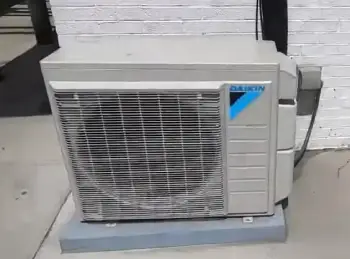
- Inverter swing compressor: This design reduces vibration and allows the system to modulate capacity smoothly, which produces steadier temperatures and lower energy use during partial-load conditions.
- Aurora cold-climate capability: Select models deliver meaningful heating down to -13°F because they include enhanced vapor injection and controls that keep the unit running when many standard heat pumps would struggle.
- R-32 refrigerant adoption: Daikin moved early to R-32 on many residential systems, and the refrigerant offers better heat transfer along with a lower global-warming potential than older blends.
- Quiet indoor operation and airflow design: Many wall-mounted heads reach approximately 19 dB(A) on the lowest fan setting, and features such as advanced cross-flow fans help distribute air evenly without drafts.
- Smart home integration and filtration options: The Daikin One Home app provides remote control and monitoring, while higher-end models include multi-stage filtration that captures particles and reduces odors.
Pros Of Daikin Mini Splits
- Strong value proposition: You typically get premium inverter performance and a long warranty at a lower installed cost than a comparable Mitsubishi system, which makes Daikin the smarter financial choice for many homes over a 10- to 15-year period.
- Competitive efficiency and solid cold-weather performance: In climates that do not regularly drop far below zero, Daikin Aurora systems deliver excellent heating and cooling efficiency, and real-world energy use stays close to higher-priced competitors.
- User-friendly controls and app experience: Many owners prefer the cleanliness and responsiveness of Daikin’s smart controls for daily scheduling and remote adjustments.
- Wide availability and parts support: Daikin’s scale and ownership of other brands improve parts access in many regions, and this can shorten repair times when service is needed.
Quiet operation that suits bedrooms: The lowest fan speeds are quiet enough that most people stop noticing the indoor unit after only a few days of use.
Cons Of Daikin Mini Splits
- Less capacity retention in extreme cold: Below roughly 0°F to -5°F, some Aurora units lose more heating capacity than Mitsubishi Hyper-Heat models, and owners in the coldest climates may notice the difference on the coldest nights.
- Slightly narrower peak efficiency range: While real-world efficiency remains excellent, Daikin does not currently match the absolute highest SEER2 numbers that Mitsubishi posts on certain small single-zone units.
- Occasional reports of specific component issues: Certain mid-tier models have drawn comments about sensor or thermistor failures, although these are not systemic across the entire line.
Indoor unit style variety: The selection of specialty heads such as floor-mounted or certain designer styles is narrower than Mitsubishi’s in some markets.
Key Features Of Mitsubishi Mini Splits
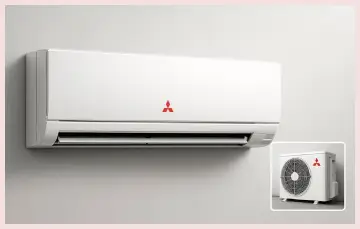
- Hyper-Heating (H2i) technology: This signature cold-climate system uses enhanced vapor injection so the compressor can maintain high heating capacity even when outdoor temperatures plunge well below freezing.
- Twin-rotary inverter compressors: The dual-rotor design balances forces inside the compressor, and it supports both efficiency and quiet outdoor operation across a wide capacity range.
- Extremely low indoor sound levels: Flagship wall units commonly publish 19 dB(A) on quiet mode, and night setback features further reduce fan speed for bedrooms and home offices.
- Broad multi-zone and accessory ecosystem: Mitsubishi offers extensive options for wall, ceiling cassette, floor, and ducted indoor units, plus robust controls for coordinating multiple zones.
- Advanced sensing and filtration: Features such as the i-see sensor detect room occupancy and temperature patterns, and the system adjusts airflow accordingly while filtration packages address allergens and odors.
Pros Of Mitsubishi Mini Splits
- Industry-leading cold-climate heating: Hyper-Heating models maintain capacity and efficiency better than almost anything else in the residential market when outdoor temperatures are extremely low, and this is the clearest technical advantage.
- Exceptional reliability reputation: Long-term field data and contractor feedback consistently place Mitsubishi among the lowest failure-rate brands, and properly installed systems often run for 15–20 years with routine maintenance.
- Whisper-quiet indoor performance: The quietest models are ideal for light sleepers, nurseries, and offices where even low fan noise becomes noticeable over time.
- Deep multi-zone and specialty options: If your project involves many rooms or unusual indoor unit styles, Mitsubishi’s catalog is hard to beat.
- Strong dealer network in cold regions: In areas with harsh winters, experienced Mitsubishi Diamond Contractors are often easier to find, and they usually have extensive Hyper-Heat installation experience.
Cons Of Mitsubishi Mini Splits
- Higher upfront cost: The equipment and often the installation carry a noticeable premium, and in mild or moderate climates that premium may never be fully recovered through energy savings.
- App experience can feel less modern: While functional and reliable, some users describe the interface as utilitarian compared with Daikin’s more polished app.
- Overkill for mild climates: If your winters rarely go below freezing, you pay for Hyper-Heating capability that you will rarely use.
- Dealer dependence for full warranty: The longest warranty terms usually require installation by a certified Diamond Contractor and timely registration, and using a non-certified installer can reduce coverage.
Also Read: Is PG Mini Split Worth It?
Performance, Efficiency, And Real-World Ownership
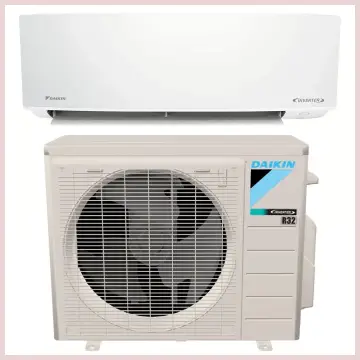
I evaluated both brands the way a homeowner actually lives with them.
Efficiency ratings look impressive on paper, but the numbers that matter are the ones on your utility bill and the comfort level in each room.
Both brands use inverter technology that ramps capacity up and down instead of slamming on and off. That modulation keeps temperatures steadier and reduces the energy spikes associated with older single-stage systems.
In a moderate climate the annual energy difference between a well-sized Daikin and a comparable Mitsubishi is often small enough that other factors—price, installer quality, noise preference—decide the purchase.
In a climate with long, cold winters the Hyper-Heating models pull ahead because they continue delivering near-rated capacity when outdoor temperatures are low.
That means the system runs fewer hours at higher power and can often eliminate the need for backup resistance heat.
Noise is another area where real-world experience matters more than the lowest published number. Both brands reach approximately 19 dB(A) on their quietest wall units at the lowest fan speed. That level is quieter than a typical refrigerator and quieter than most people expect.
On medium speeds the difference between good models from each brand becomes hard to notice.
Outdoor units from both are also relatively quiet by heat-pump standards, though placement still matters if the condenser sits near a bedroom window or patio.
Installation quality influences every other factor more than brand differences. A poorly sized or poorly charged system from either manufacturer will underperform.
I recommend getting detailed load calculations rather than relying on simple square-footage rules. Both brands require professional installation for warranty coverage, and both reward installers who take time with line-set routing, insulation, and condensate management.
Cost Considerations Over Time
Upfront installed cost favors Daikin in most markets for equivalent capacity.
The gap varies by region and contractor, but $300–$800 on a single-zone system is common, and the difference grows on multi-zone projects. Over a 12- to 15-year ownership period the energy difference is usually smaller than the initial price gap unless you live in a very cold climate and run the system as primary heat.
Maintenance costs are similar. Both systems need regular filter cleaning and periodic professional checks.
Parts availability is good for both, though Daikin’s broader distribution network can be an advantage in some areas.
Long warranties (up to 12 years when registered through the proper certified installer) reduce the risk of major repair bills during the years when the system is most valuable.
Choosing Based On Your Situation
If your winters regularly drop below 0°F and you want the system to serve as primary heat, Mitsubishi Hyper-Heat models give the strongest performance and peace of mind.
If you live in a moderate climate, value a lower installed price, and prefer a polished app experience, Daikin is often the more practical choice.
For multi-zone homes the decision frequently comes down to which certified installer has stronger local reviews and which brand’s indoor unit styles fit the rooms better.
I have seen both brands deliver excellent results when the equipment is correctly sized and installed. The brand badge matters less than matching the technology to your climate and hiring an installer who treats the job as more than a parts swap.
Also Read: Comparison Of Bryant And Mitsubishi Mini Split
Frequently Asked Questions (FAQ)
It depends on climate and budget. Mitsubishi leads in extreme cold performance. Daikin often wins on value in moderate climates. Both are excellent when properly installed.
Both Daikin and Mitsubishi rank at the top. Mitsubishi frequently receives slightly higher marks for long-term field reliability, especially in cold climates.
Slightly lower capacity retention in the coldest weather compared with Mitsubishi Hyper-Heat, a narrower selection of specialty indoor units in some markets, and occasional model-specific component reports.
Both reach approximately 19 dB(A) on their quietest indoor units. The difference is usually too small to notice in daily use; specific model and fan speed matter more than brand.
Wrapping Up
After comparing the engineering, real-world performance, and ownership experience of both brands, I see Daikin and Mitsubishi as the two strongest premium options available for ductless systems. You now have a clear picture of where each one leads and where the trade-offs sit. Use that infor
mation against your climate, your budget, and the quality of local installers.
When you match the right brand to those factors and insist on careful sizing and installation, you end up with a system that stays quiet, efficient, and comfortable for many years.
That is the outcome that matters most.
Recent Posts
Arhaus Kipton Sofa Review: Is This Expensive Couch Worth Buying?
The Arhaus Kipton sofa looks luxurious, offers customizable designs, and features an inviting silhouette.However, its premium price and concerning customer feedback make me hesitant to recommend...
Nolan Interior sofa covers promise an easy way to refresh your furniture, protect upholstery, and improve your living room without buying a new sofa.However, customer dissatisfaction and negative...