
I have spent years testing household cleaners in my own kitchen and bathroom.
The choice between Ajax Cleaner and Comet keeps coming up whenever I face stubborn soap scum, greasy pans, or dingy porcelain.
My main intent here is to share a clear side-by-side look at how these two popular powder cleansers perform in real daily use.
This way you can pick the one that matches your surfaces, budget, and tolerance for chemical strength without wasting money or risking damage.
| Feature | Ajax Cleaner | Comet |
| Primary Form | Powder (also liquid versions) | Powder (also cream and spray options) |
| Main Abrasive | Calcium carbonate (finer granules) | Calcium carbonate (larger granules) |
| Surfactant | Sodium dodecyl benzene sulfonate | Alkylbenzene sulfonic acid |
| Bleach Content | Available with or without | Standard with bleach |
| Typical Scent | Stronger lemon or pine | Milder lemon, lavender, or pine |
| Cleaning Speed on Porcelain | Faster in most tests | Slightly slower, more effort needed |
| Residue After Rinse | Can cling longer | Rinses more easily |
| Price Range (approx. per oz) | Often lower | Slightly higher |
| Scratch Risk | Lower due to finer particles | Higher on soft surfaces |
| Best Everyday Use | General sinks, tubs, stainless steel | Whitening and bathroom disinfection |
Key Differences Between The Ajax Cleaner And Comet
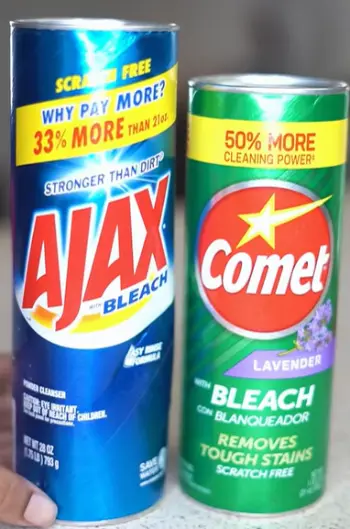
- Particle size and texture: Ajax has finer granules that form a creamier paste. It feels smoother and less likely to leave micro-scratches on glossy porcelain.
Comet has larger bits that work harder on thick grime but raise the risk of dulling softer finishes.
- Surfactant chemistry: Ajax uses sodium dodecyl benzene sulfonate. It seems to emulsify grease more evenly in my tests.
Comet uses alkylbenzene sulfonic acid. The difference is subtle yet Ajax often needs fewer strokes.
- Bleach presence: Most Comet powders include bleach as a standard feature. This gives them an edge on yellowed toilets and mildew spots.
Ajax offers both bleach and non-bleach choices so I can match the formula to the surface.
- Rinse behavior: Comet tends to wash away with less effort once scrubbing is done. Ajax can cling a little longer.
This helps it stay active on vertical walls but means I spend an extra minute rinsing.
- Scent intensity: Ajax leaves a stronger chemical or citrus note that lingers after cleaning. Comet has a milder fragrance.
The room feels fresher sooner especially in smaller spaces.
- Price and everyday value: Ajax usually costs less per ounce. It is the practical pick for frequent light cleaning.
Comet sits a bit higher but delivers the bleach benefit that can reduce the need for a separate disinfectant.
- Feel under the sponge: Ajax feels smoother during use. Comet feels grittier which helps on heavy jobs but can be less pleasant for light daily cleaning.
Key Features Of Ajax Cleaner
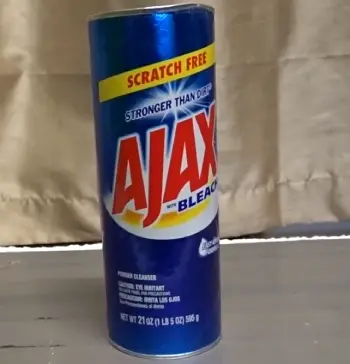
- Finer abrasive particles: These create a smoother paste when wet.
The smaller granules spread evenly and cut through everyday grime on porcelain and stainless steel.
They feel less gritty under the sponge.
- Sodium dodecyl benzene sulfonate surfactant: This ingredient lifts oils and soap residue so they rinse away more cleanly.
I notice less leftover film on metal sinks compared with other powders.
- Bleach and non-bleach options: The bleach versions add whitening power for stained toilets and tile.
The non-bleach option feels milder around colored fixtures.
- Strong visual feedback: Some Ajax powders leave faint blue streaks. These show exactly where the cleaner has been applied. T
hat simple cue helps me cover every spot.
- Budget-friendly packaging: The canisters are easy to find at grocery stores.
They usually cost less per ounce so I can keep one under the sink without worry.
- Good cling on vertical surfaces: The paste sticks well to tub walls.
This gives the active ingredients more time to loosen dirt before I scrub.
- Works well with light pressure: I do not need to push hard on most jobs.
The finer texture still delivers solid results.
Pros Of Ajax Cleaner
- Faster results on porcelain and stainless steel: In repeated side-by-side tests on my own tub and cookware Ajax cleared dirt and discoloration with less elbow grease. The finer particles and sticky texture keep the active ingredients in contact longer.
- Lower risk of scratching delicate finishes: The smaller granules make me feel safer on glossy sinks and enamel that have lost their factory shine. Soft plastics still need care yet the margin for error feels wider.
- Flexible bleach options: I keep both versions on hand. The non-bleach can handles daily wipe-downs without the sharp chlorine odor. The bleach version steps in for deeper whitening jobs.
- Clear visual coverage while scrubbing: Those blue streaks act like a temporary map. I never wonder whether I missed a corner of the shower floor.
- Strong value for money: Lower cost per ounce means I can stock up without hesitation. For households that clean often the savings add up over a year.
- Smooth paste consistency: It mixes with water into a workable cream that spreads easily. This makes application feel controlled and even.
- Effective on everyday soap scum: Light to moderate buildup disappears with steady but not excessive effort. Results look bright after one thorough pass.
Cons Of Ajax Cleaner
- Stronger chemical scent that can linger: The fragrance hits harder and stays longer in closed rooms. On days when I clean multiple bathrooms the smell becomes noticeable enough that I open windows.
- Residue that needs extra rinsing: The same stickiness that helps it clean also means I sometimes find a light film if I rush the rinse step. Extra water and a second wipe fix it.
- Limited built-in disinfection in standard formulas: Without the bleach version Ajax focuses more on mechanical cleaning than killing germs. For high-touch bathroom areas I still reach for a separate disinfectant.
- Potential irritation with prolonged skin contact: Like most abrasive powders it can dry out hands if I scrub without gloves. I now keep a pair under the sink specifically for these jobs.
- Not ideal for heavy rust or mineral deposits: While it handles soap scum well tough hard-water rings or iron stains respond better to acid-based alternatives. Ajax works best on organic grime.
- Can feel sticky on some surfaces: The clinging quality is helpful on walls but requires more rinse water on flat counters. I plan for that extra step.
Key Features Of Comet
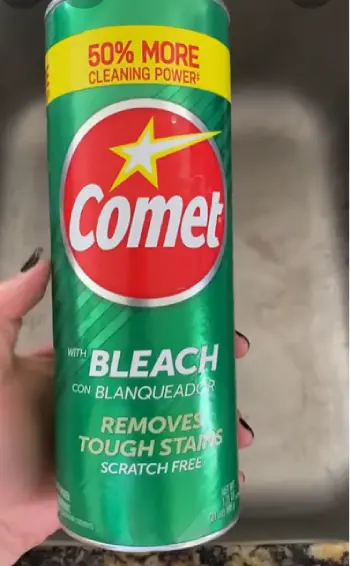
- Larger abrasive granules: These deliver aggressive scrubbing action.
The coarser particles dig into heavy buildup faster on tough jobs.
They give more mechanical force with each stroke.
- Built-in bleach in most formulas: Chlorine-based ingredients help whiten surfaces and reduce odors while I clean.
Bathrooms that stay damp benefit from this dual action.
- Milder overall scent: Even the lemon and pine versions smell less sharp to me than Ajax.
Longer scrubbing sessions feel more comfortable when windows stay closed.
- Cream and spray versions available: Soft-cream options let me switch to gentler application on appliance enamel or fiberglass.
I do not need a second product.
- Claims of increased cleaning power: Some cans advertise fifty percent more strength than older versions.
In practice they handle kitchen messes a bit better than the basic powder I remember.
- Strong on organic stains: The formula cuts through thick soap scum and greasy soil with solid results.
It works especially well in bathrooms.
- Easy to find in most stores: The classic green can is a familiar sight on shelves. Availability is rarely a problem.
Pros Of Comet
- Built-in bleach for simultaneous whitening and odor control: One product does two jobs on toilets tile and stained porcelain. I appreciate not needing a second bottle for light disinfection during routine cleans.
- Aggressive grit for heavy buildup: When faced with weeks of soap scum or cooked-on kitchen messes the larger particles give me more cutting power. Fewer passes mean I finish the job sooner on the worst spots.
- Easier rinse-off after scrubbing: The powder washes away cleanly with less effort. I spend less time circling the sponge under running water to remove every trace.
- Milder fragrance during and after use: The scent stays in the background so the room feels usable again faster. This matters in apartments or homes without strong ventilation.
- Broader product line for different surfaces: Powder cream and spray formats let me match the texture to the task. Soft cream versions feel safer on appliance surfaces that the classic powder might dull.
- Reliable on bathroom fixtures: Toilets sinks and tile respond well to the combination of grit and bleach. Stains lighten noticeably in one session.
- Familiar and widely available: The product has been a household staple for decades. I can find it almost anywhere without searching.
Cons Of Comet
- Higher chance of scratching softer materials: Those larger granules can leave fine marks on plastic vinyl or already-worn porcelain if I press too hard or use too little water. I have to stay extra careful around older fixtures.
- Slightly higher cost per ounce: Over time the price difference becomes noticeable especially if I clean frequently. The bleach benefit has to justify the extra spend for me.
- Stronger chemical concerns in safety ratings: Both products earn poor marks from independent groups for harsh ingredients. Comet’s consistent bleach content raises the respiratory and environmental flags a bit higher in my mind.
- Can feel gritty under the sponge: The coarser texture works well on tough jobs but feels less refined on light daily cleaning. I sometimes prefer a smoother paste for quick sink touch-ups.
- Risk of bleaching unintended surfaces: Spills or overspray near colored grout fabrics or carpets can leave permanent light spots. I keep the canister well away from anything that cannot handle chlorine.
- Needs more water for safe use: The larger particles demand plenty of moisture to avoid scratching. Dry scrubbing is never a good idea with this product.
Real-World Performance On Common Surfaces
When I clean the bathroom sink Ajax usually wins on speed and final shine. The finer paste clings to the curved edges and lifts toothpaste residue and water spots with less circular scrubbing.
Comet gets the job done but needs more pressure and time especially around the faucet base.
On the bathtub both handle soap scum. Ajax leaves the surface looking brighter after one thorough pass.
Comet’s bleach helps with any mildew shadows along the water line.
I sometimes start with Comet for whitening and finish with a light Ajax polish if the surface feels rough.
Kitchen stainless-steel sinks and cookware show a clearer gap. Ajax removes discoloration and light rust-looking marks faster and with less effort. Comet works but can leave a duller finish if the granules catch the metal grain.
For toilet bowls Comet’s bleach edge becomes useful. I sprinkle scrub and the stains lighten more noticeably than with non-bleach Ajax.
When I use the bleach version of Ajax the results even out. The standard Comet can feels more convenient for that single task.
Safety And Surface Warnings I Always Follow
Both products carry clear labels for a reason. I never use either on silver painted walls soft plastics aluminum rubber or natural stone.
The abrasives can scratch and the bleach can discolor. I always wet the surface first sprinkle sparingly scrub with a non-scratch pad and rinse thoroughly.
Gloves stay on because prolonged contact dries skin and can irritate eyes if powder becomes airborne.
Mixing either cleaner with ammonia or acid-based products is dangerous. I keep them separate from other bottles under the sink and never combine them in the same bucket or sponge.
How I Decide Which One To Reach For?
On regular cleaning days when the goal is quick shine and minimal smell Ajax is my first choice.
The lower cost smoother feel and strong performance on sinks and tubs make it the everyday workhorse.
When the bathroom needs whitening or I face heavy organic stains that benefit from bleach Comet comes out of the cabinet.
Having both on hand covers almost every household mess without forcing me into one compromise.
Price scent preference and the specific surface usually tip the scale more than any single laboratory claim. I test a small hidden area first on any unfamiliar finish then proceed with plenty of water and light pressure.
Also Read: Comparison Of Bon Ami And Bar Keepers Friend
Frequently Asked Questions (FAQ)
Ajax often cleans porcelain and stainless steel faster with less effort thanks to finer particles. Comet wins when bleach whitening is the priority.
No. They share similar abrasives and overall purpose yet differ in surfactant granule size scent strength and standard bleach content.
Avoid silver painted surfaces soft plastics aluminum rubber natural stone and any finish that cannot handle mild abrasives or bleach.
Skip silver painted walls soft plastics aluminum rubber natural stone colored grout and fabrics that bleach can damage.
Final Thoughts
After years of real kitchen and bathroom tests I still keep both Ajax Cleaner and Comet under the sink.
You will likely find that Ajax delivers smoother daily results and better value for most surfaces.
Comet steps up when you need the extra whitening power of bleach. Choose based on the job in front of you. Respect the surface warnings.
You will get reliable cleaning without unnecessary risk or expense. The right can for the right mess keeps your home looking cared for with less frustration.
Recent Posts
● Interactive 5-Zone Interior & Exterior Paint Blueprint Paint Coverage Calculator: Gallons, Primer, Square Footage & Cost Tap any architectural surface zone on the blueprint...
If you want smooth, shiny hair without spending a fortune on a premium styling tool, the Ella Bella hair dryer may be worth considering.In these Ella Bella hair dryer reviews, I’ll look...