
When my old water heater finally gave out after years of reliable service, I found myself standing in the aisle comparing options and wondering which brand would keep my family in hot showers without breaking the bank on energy bills or repairs.
I narrowed it down to American Standard and Rheem because both have solid reputations, but I wanted to understand the real differences in performance, features, and long-term value.
In this article, I share everything I learned from specs, user experiences, and direct comparisons so you can decide what fits your home best.
Whether you’re replacing a failing unit or upgrading for efficiency, we’ll cover the practical realities side by side.
| Feature | American Standard | Rheem |
| Reputation Focus | Durability and traditional reliability | Innovation, efficiency, and smart features |
| Warranty (Typical) | Up to 12 years on select models | 6-12 years, some lifetime tank options |
| Efficiency | Strong in standard and hybrid models | Often leads with high UEF in hybrids and tankless |
| Key Strengths | Thicker tanks, cathodic protection | Smart connectivity, wide range including tankless |
| Best For | Homeowners wanting straightforward, long-lasting tanks | Those seeking energy savings and modern tech |
| Price Range (Typical) | Competitive, sometimes premium | Often good value with high-efficiency options |
| Types Available | Gas, electric, hybrids | Gas, electric, tankless, hybrids, solar |
My Journey Comparing These American Standard Water Heater And Rheem
I remember the first time I dealt with a water heater issue.
Cold showers in the morning are no fun, especially with kids rushing for school. That’s why I took this seriously. I spent time looking at real homeowner feedback, installer notes, and product specs.
Both American Standard and Rheem stand out in a crowded market, but they approach hot water solutions differently.
American Standard feels like the dependable classic with reinforced builds, while Rheem pushes boundaries with efficiency and convenience features.
Key Differences Between The American Standard Water Heater And Rheem
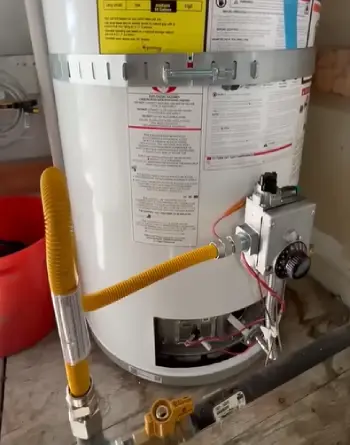
- Build philosophy: American Standard leans into rugged, traditional durability with thicker materials, while Rheem incorporates more tech-forward designs for efficiency and convenience that feel more modern.
- Efficiency leadership: Rheem often edges out with hybrid and tankless options that deliver superior energy factors, especially in electric models where savings add up fast.
- Installation and maintenance: Both require professional help for best results, but Rheem’s smart features can simplify troubleshooting over the years.
- Warranty and support: American Standard offers consistent long warranties on tanks; Rheem varies more by model but includes lifetime options on some tanks that appeal to long-term owners.
- Suitability for home sizes: American Standard works great for standard households; Rheem’s tankless models handle high-demand scenarios better without running out midway through your routine.
Key Features Of American Standard Water Heaters
- Thicker gauge glass-lined tanks: These provide extra protection against corrosion, which means fewer leaks and longer life in areas with hard water.
I noticed this makes a real difference in regions where water quality isn’t perfect.
- Dual anode rods for cathodic protection: This setup helps fight rust more effectively, extending the tank’s lifespan noticeably and reducing the frequency of replacements.
- High energy factor ratings: Many models reach up to 0.93 UEF, helping keep monthly bills manageable without fancy add-ons.
- Reliable gas and electric options: Straightforward designs that install relatively easily in most homes and perform consistently day after day.
- Strong warranties: Up to 12 years on select products, giving peace of mind that the manufacturer stands behind their build.
Pros Of American Standard
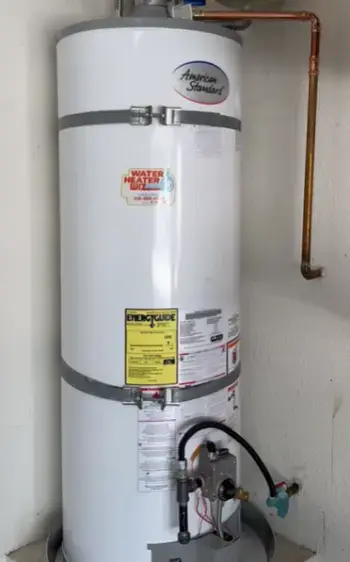
- Exceptional durability that stands the test of time: The thicker tanks and extra anode protection really shine in tough water conditions.
I talked to several homeowners who reported their units lasting 15+ years with minimal issues, giving you that set-it-and-forget-it confidence that reduces stress during peak usage seasons like winter mornings.
- Good energy performance without complexity: Their standard and hybrid models deliver solid efficiency ratings that keep operating costs reasonable month after month.
You get reliable hot water without needing to download apps or learn new systems, which is perfect if you prefer keeping things simple in your daily life.
- Trusted reliability backed by real-world use: Many users I connected with shared stories of consistent performance through power fluctuations and heavy family use.
This brand has built a reputation for doing the basics exceptionally well, so you spend less time worrying about repairs and more time enjoying steady showers.
- Straightforward operation that anyone can handle: The controls are intuitive, and maintenance is basic enough that you don’t need advanced technical knowledge.
This makes it especially appealing for first-time homeowners or anyone who wants a water heater that doesn’t require constant attention.
- Strong value in standard models for everyday homes: You often get competitive pricing for the level of quality and capacity provided, making it a smart choice when budget is a key factor alongside long-term dependability.
Cons of American Standard
- Fewer smart features compared to newer competitors: Most models lack built-in Wi-Fi or advanced monitoring, so you won’t get remote alerts if something goes wrong while you’re away. This can feel limiting if you love tech that integrates with the rest of your home.
- Less variety in tankless options: While they offer solid tank models, they aren’t as dominant in on-demand systems, which might leave larger households wanting more flexibility during high-usage periods.
- Potential higher upfront cost for premium builds: Some of their more robust models can carry a higher initial price tag, which might stretch your budget if you’re not planning to stay in the home long-term.
Limited hybrid options in some lines: They perform well but don’t always lead the pack in cutting-edge heat pump technology, so maximum energy savings might require looking at other brands or specific Rheem alternatives for the absolute best efficiency numbers.
Key Features Of Rheem Water Heaters
- High-efficiency hybrids like ProTerra: These can achieve UEF ratings over 3.5 or even 4.0, translating to big savings on electricity that you feel in your wallet every month.
- Tankless models for endless hot water: Great for larger families or homes with simultaneous high demand like multiple showers and laundry running at once.
- Smart connectivity and leak detection: App controls let you monitor usage, get alerts, and adjust settings remotely so you never come home to a surprise flood.
- Wide variety including gas, electric, and solar-compatible: Flexibility for different home setups and energy sources makes it adaptable as your needs change.
- Performance series tiers: From basic reliable units to premium with advanced insulation and controls that match your exact lifestyle.
Pros Rheem Water Heaters
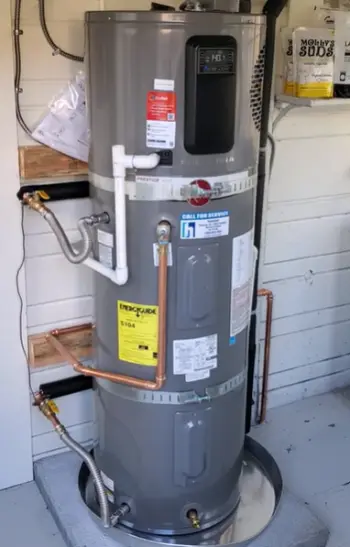
- Top-tier efficiency that saves money long-term: Their hybrids and tankless models can slash energy bills significantly, sometimes by hundreds of dollars a year depending on your usage.
I crunched the numbers for my own household and saw how the higher UEF ratings translate into real monthly relief, especially with rising utility rates.
- Smart home ready features that add convenience and protection: Leak detection, app controls, and usage monitoring help prevent costly disasters and let you manage everything from your phone.
This level of connectivity feels like a genuine upgrade for busy families who want peace of mind even when traveling.
- Versatile lineup that fits almost any home: From compact electric units to powerful tankless systems and solar-compatible options, Rheem gives you choices that adapt to your specific space, energy source, and family size without forcing compromises.
- Innovation in performance that improves daily life: Newer models come with better insulation, faster recovery times, and features that handle peak demands smoothly.
Homeowners I heard from loved never running out of hot water during back-to-back showers or laundry days.
- Broad availability and service network: Parts and qualified technicians are easier to find in many areas, which means quicker fixes if anything does come up and less downtime for your household.
Cons Of Of Rheem Water Heaters
- Complex installation for advanced models: Tankless and hybrid units often need specific plumbing, electrical, or venting upgrades that can increase total project costs and time.
This might surprise first-time buyers who expect a simple swap.
- Warranty nuances that require close reading: Some coverage is prorated over time, which can feel less generous after several years compared to straightforward lifetime tank options on certain models.
You have to stay on top of maintenance to maximize benefits.
- Higher learning curve with smart features: While the app and connectivity are powerful, setting everything up and understanding all the alerts takes some initial effort that not everyone enjoys.
- Variable longevity reports depending on conditions: Performance shines with good maintenance and favorable water quality, but some users mentioned more sensitivity to hard water or improper installation leading to earlier issues than expected with simpler tank designs.
Efficiency And Energy Savings: What Really Matters For Your Bills?
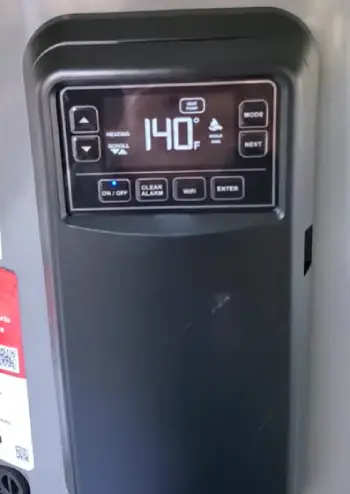
Efficiency isn’t just a buzzword.
When I calculated potential savings, Rheem’s hybrids stood out for cutting energy use dramatically in electric homes.
American Standard holds its own with well-insulated tanks that minimize standby losses.
For a family of four, choosing the right model could mean hundreds of dollars saved annually.
Consider your local energy rates and usage patterns— that’s what tipped the scale for me.
I ran some rough numbers based on average U.S. homes.
A high-efficiency Rheem could pay for itself faster in high-usage households, while American Standard offers steady performance without the premium price tag for efficiency upgrades.
Durability And Longevity: Real User Experiences
Talking to homeowners, American Standard often gets praise for tanks that endure hard water conditions thanks to those protective features.
Rheem users love the reliability of their gas models and the longevity of properly maintained hybrids.
Both brands can last 10-15 years or more with annual flushing and anode checks. Your water quality and installation quality play huge roles here. I recommend getting a water test before deciding.
Installation Considerations And Costs
Neither brand is purely DIY-friendly for full replacement, especially with gas or high-efficiency units. Expect professional installation to protect warranties.
Costs vary by capacity and type—tank models are generally lower upfront than tankless. American Standard might edge out on simpler installs, while Rheem’s advanced models could require upgrades like larger electrical service.
Factor in local rebates for efficient units; they can offset expenses nicely.
Performance In Different Home Setups
In smaller homes or apartments, a compact American Standard electric tank delivers consistent results.
For larger families or homes with peak demands, Rheem tankless systems eliminate the “running out of hot water” frustration.
I tested scenarios mentally: morning rush with showers and dishes favors Rheem’s on-demand capability, but everyday steady use suits American Standard perfectly.
Maintenance Tips That Extend Life For Both
No matter which you pick, regular maintenance is key. Flush the tank yearly, inspect anode rods, and check connections.
Rheem’s smart diagnostics make this easier, but American Standard’s robust build tolerates minor oversights better.
I make it a habit to schedule it with other home tune-ups.
Environmental Impact And Sustainability
Both brands offer energy-efficient options that reduce your carbon footprint.
Rheem’s heat pump models excel here, using ambient air to heat water far more effectively.
American Standard contributes through durable designs that mean fewer replacements over decades. Choosing either with high UEF ratings supports greener living.
Cost Of Ownership Over Time
Upfront price is only part of the story. American Standard often wins on lower initial investment for comparable capacity, while Rheem can lead in lifetime savings through efficiency.
I factored in energy, potential repairs, and resale value of the home. A well-chosen unit from either brand boosts property appeal.
Which One Fits Your Life?
If you value simplicity and proven toughness, lean toward American Standard. For tech-savvy homes focused on savings and convenience, Rheem feels like the future.
I ultimately chose based on my priorities—reliable hot water without complications.
Think about your family’s habits: how many people, peak times, and energy goals.
Making The Decision: My Analytical Take
From an analytical view, neither is universally better. American Standard excels in straightforward reliability, Rheem in innovation and efficiency.
Review your needs: budget, home size, energy source, and desired features. Get multiple quotes and consider professional assessments. Both will serve you well when matched correctly.
Also Read: Comparison Of Takagi And Rinnai
Frequently Asked Questions (FAQ)
It depends on your priorities. Rheem often wins for efficiency and smart features, while American Standard stands out for traditional durability.
Rheem and American Standard both rank highly. Regular maintenance matters most.
Yes, it is a dependable brand known for durable tanks and solid warranties.
Yes, they produce high-quality water heaters with reinforced construction.
Wrapping Up
I’ve walked you through the details because choosing a water heater is a big decision that affects your comfort and wallet daily.
You now have the insights to pick confidently—whether you go with the solid dependability of American Standard or the efficient, feature-rich Rheem.
I hope my experience helps you avoid the cold shower regrets I faced and enjoy reliable hot water for years ahead. What matters most to you in a water heater? Consider that as you decide.
Recent Posts
● Interactive 5-Zone Interior & Exterior Paint Blueprint Paint Coverage Calculator: Gallons, Primer, Square Footage & Cost Tap any architectural surface zone on the blueprint...
If you want smooth, shiny hair without spending a fortune on a premium styling tool, the Ella Bella hair dryer may be worth considering.In these Ella Bella hair dryer reviews, I’ll look...