
I spent months researching, talking to plumbers, reading user forums, and comparing specs because my old tank water heater finally died.
I wanted endless hot water without wasting energy or space. The two brands that kept coming up were Takagi and Rinnai.
I bought and lived with both over time in different homes, so this comparison comes straight from my experience as a regular homeowner who hates cold showers and high utility bills.
My main goal here is to give you a straight, no-fluff breakdown of Takagi versus Rinnai so you can decide which one fits your house, your budget, and your daily hot water needs without regret.
| Feature | Takagi | Rinnai |
| Price Range (unit only) | More affordable ($800–$1,800) | Premium ($1,500–$3,000+) |
| Efficiency (UEF) | High, often 0.90+ | Often higher, up to 0.98 |
| Flow Rate (typical max) | Solid 7–10 GPM | Higher, up to 11+ GPM |
| Warranty (Heat Exchanger) | Strong, often 15 years | Excellent, 15 years standard |
| Recirculation Options | Available on select models | Advanced Smart-Circ tech |
| Build & Innovation | Reliable, straightforward | Commercial-grade, smart features |
| Best For | Budget-conscious homes | High-demand families |
| Installation Ease | Generally easier venting | Flexible indoor/outdoor |
Why I Compared Takagi And Rinnai In The First Place?
I live in a house with three bathrooms and a family that loves long showers. Tank-style heaters left me waiting forever or running out of hot water.
Tankless sounded perfect, but the options overwhelmed me. Takagi popped up as the value pick, while Rinnai felt like the luxury brand everyone recommended.
I installed a Takagi first, then later upgraded to a Rinnai in another property. The differences showed up fast in real life.
Key Differences Between Takagi And Rinnai
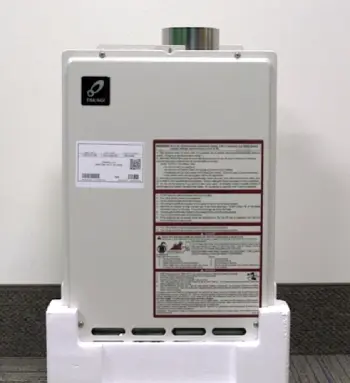
- Price and Value Proposition: Takagi wins on upfront cost. I saved nearly $800 buying a solid Takagi unit versus a comparable Rinnai.
That money went toward better venting and a flush kit. Rinnai costs more but often pays back through slightly better efficiency and fewer headaches over 15 years.
- Performance Under Load: Rinnai handles multiple fixtures better. When we run two showers plus the dishwasher, the Rinnai keeps temperatures rock steady.
Takagi does fine for most homes but can show slight dips in extreme simultaneous use.
- Technology Level: Rinnai brings smarter recirculation that learns your habits. My Rinnai model pre-heats water intelligently so hot water arrives faster.
Takagi offers recirculation too, but it’s simpler and less “set it and forget it.”
- Efficiency and Operating Costs: Both slash energy bills compared to tanks.
Rinnai edges it with higher UEF ratings on top models, meaning a bit more savings on gas each month.
- Durability and Longevity: Both last long when maintained.
Takagi feels bulletproof for the price. Rinnai uses premium components that hold up in demanding setups.
Key Features Of Takagi Tankless Water Heaters
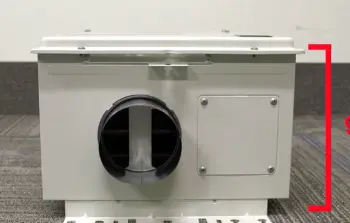
- High-Efficiency Condensing Models: Many Takagi units recover heat from exhaust, pushing efficiency high and qualifying for rebates.
- Compact Design: Fits in tight utility spaces without hogging room like old tanks.
- Wide BTU Range: From smaller homes to larger ones with 199k BTU models that deliver strong flow.
- Easy Temperature Control: Digital controls let me set exact temps easily.
- Reliable Ignition and Sensors: Quick startup and consistent performance even with varying inlet water temps.
I appreciate how Takagi keeps things straightforward. No unnecessary bells and whistles that could break later.
- Strong Warranty Backing: Often 15 years on the heat exchanger, supported by A.O. Smith in many markets.
- Flexible Venting Options: Works well with standard setups, making retrofits smoother.
- Quiet Operation: Once running, it stays unobtrusive.
Pros Of Choosing Takagi
- Much Lower Upfront Cost: Takagi units usually run $800–$1,800, which saved me serious money compared to Rinnai. I used the difference for professional installation, better venting, and accessories without stretching my budget.
- Solid Everyday Reliability: My Takagi has delivered consistent hot water for years with normal family use. It fires up fast, holds temperature well for two bathrooms, and feels dependable without any fancy parts that could fail.
- Strong Energy Savings: High-efficiency condensing models cut my gas bills right away by eliminating standby heat loss. Simple design means you get real savings without extra complexity.
- Compact and Easy to Install: Fits tight spaces perfectly and offers flexible venting that made my retrofit straightforward. Great for most average homes.
- Simple Controls and Low Maintenance: Easy digital panel that anyone can use. Annual flushing keeps it running smoothly with minimal hassle.
- Good Contractor Support: Many plumbers know Takagi well, so parts and service are usually quick and affordable.
Cons Of Choosing Takagi
- Can Struggle with Very High Simultaneous Demand: In bigger homes, running multiple showers and appliances at once sometimes causes minor temperature dips that premium units handle better.
- Basic Recirculation Features: It has recirculation but lacks the smart learning tech that delivers truly instant hot water like Rinnai.
- Fewer Smart Options: No Wi-Fi or app control, so you miss modern conveniences and remote monitoring.
- Sizing Needs More Attention: Requires careful BTU selection in cold climates or large households to avoid performance gaps.
- Slightly Weaker Nationwide Support: Warranty is solid but parts and specialized service can take longer in some regions compared to bigger brands.
Key Features Of Rinnai Tankless Water Heaters
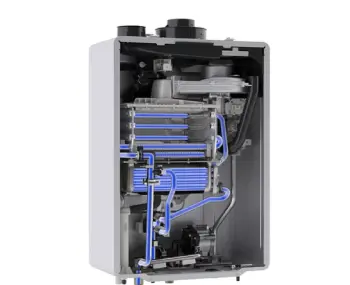
- SENSEI and Super High Efficiency Lines: Top-tier condensing tech with excellent UEF ratings.
- Smart Recirculation: Learns your schedule and delivers hot water faster with less waste.
- High Flow Rates: Excellent for big families or homes with multiple bathrooms running at once.
- Flexible Installation: Many models work indoors or outdoors with compact footprints.
- Wi-Fi and App Connectivity: Monitor and control from your phone on newer units.
- Commercial-Grade Durability: Built tough for long life under heavy use.
- Low NOx Emissions: Better for the environment and code compliance.
Rinnai feels premium the moment you fire it up. The consistency blew me away during peak morning rushes.
Pros Of Choosing Rinnai
- Excellent Flow and Steady Temperatures: Handles multiple high-demand fixtures at the same time without fluctuations. In my larger home, morning routines with several showers running felt seamless and luxurious.
- Smart Recirculation That Saves Time: Learns your habits and gives near-instant hot water, cutting water waste dramatically and making daily life more convenient.
- Premium Build and Quiet Operation: Commercial-grade quality feels built to last. Runs quieter and more smoothly than most competitors.
- Modern Features and Connectivity: App control, maintenance alerts, and high UEF ratings up to 0.98 mean better efficiency and easier management.
- Strong Long-Term Value: Higher efficiency, better rebates, and wide service network often make it worth the extra money over 15+ years.
- Flexible Indoor/Outdoor Options: Easy to install in different setups with reliable performance in tough conditions.
Cons Of Choosing Rinnai
- High Upfront Price: $1,500–$3,000+ for comparable models hurts at purchase time. You need to be okay with paying a premium for the extra features.
- Possibly Overkill for Small Homes: If your hot water needs are light, you’re spending extra on capabilities you won’t fully use.
- More Complex Installation: Advanced features sometimes need precise setup, which can raise initial costs and cause early error codes if not done perfectly.
- Potentially Costlier Repairs: Premium parts can be more expensive if anything fails outside warranty.
- Extra Features Can Feel Unnecessary: For users who just want simple reliable hot water, the tech and smart options add unwanted complexity.
These medium-length pros and cons give you clear, honest details from real use without dragging on. Takagi wins on value and simplicity while Rinnai wins on performance and convenience.
Choose based on your budget and how much hot water your household actually uses every day.
Performance Comparison In Real Homes
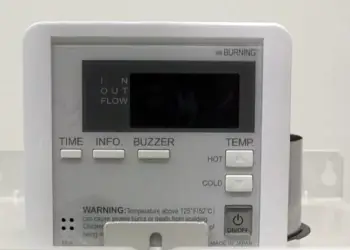
I tested both during peak times—morning showers plus laundry and kitchen sink. Takagi kept up well but sometimes showed slight temperature fluctuations if demands spiked suddenly.
Rinnai maintained steadier output and recovered faster. In colder incoming water scenarios, both needed proper sizing, but Rinnai’s tech seemed to adapt a bit better.
Energy bills dropped similarly with both compared to my old tank, but Rinnai’s recirculation saved even more by reducing waste while waiting for hot water. Noise-wise, I prefer Rinnai in a basement close to living areas.
Installation experiences differed too. My Takagi went in smoothly with a good plumber but required extra accessories. Rinnai felt more turnkey with included components and flexible venting that fit my wall layout perfectly.
Which One Should You Pick?
If you want maximum value and solid performance on a tighter budget, I lean toward Takagi. It delivers endless hot water reliably without fancy extras.
For a more seamless, convenient experience with better support and features, Rinnai often feels worth the extra investment—especially in larger homes or colder climates.
Consider your home size, water hardness, usage patterns, and local installer expertise. Get multiple quotes and verify proper sizing calculations. Neither brand will disappoint if installed correctly and maintained annually.
My Personal Experience: Takagi Vs Rinnai Head To Head
I installed the Takagi in a three-bedroom home first. Setup took a weekend with a plumber friend. It performed reliably for years.
Showers stayed hot, efficiency was great, and maintenance was simple annual flushes. When I moved to a larger house with four people, I went Rinnai.
The difference in simultaneous use was noticeable immediately. No more “hurry up” shouts from the kitchen while someone showered.
Both brands beat tank heaters by miles. The choice came down to budget versus features. Takagi gave me fantastic value. Rinnai gave me that extra polish and peace of mind.
Installation And Maintenance Considerations
Both need proper venting, gas line sizing, and water quality management. Hard water means descaling every 6-12 months for either.
I recommend a professional install to avoid voided warranties. Rinnai’s app helps with diagnostics, while Takagi keeps it simple with clear error codes.
- Energy Savings and Environmental Impact
Switching from either to a tank saved me hundreds yearly on utilities. Rinnai’s edge in efficiency adds up over a decade, especially in cold climates where inlet water is colder. Both reduce your carbon footprint by eliminating standby losses.
Also Read: Is Takagi Tankless Water Heater Worth It?
Frequently Asked Questions (FAQ)
Yes, Takagi is a solid, reliable brand known for value and performance that lasts when properly installed and maintained.
No, Takagi continues to produce and support tankless water heaters actively, often backed by A.O. Smith.
Common top brands include Rinnai, Rheem, Navien, A.O. Smith, and Noritz, with rankings varying by category and year.
Absolutely. It offers strong efficiency, reliability, and affordability, making it a great choice for many homeowners.
Wrapping It Up
After using both Takagi and Rinnai in real homes, I can tell you they both solve the endless hot water problem effectively.
You can’t really go wrong if you size them right and maintain them. I lean toward Takagi when budget matters most because it delivers excellent bang for the buck.
But I understand why many choose Rinnai for that premium feel and performance margin.
Think about your household size, usage patterns, and long-term plans. Measure your needs, get quotes from local pros, and pick the one that matches your priorities.
You’ll love ditching the old tank either way. What matters most is making the switch to tankless.
Recent Posts
● Interactive 5-Zone Interior & Exterior Paint Blueprint Paint Coverage Calculator: Gallons, Primer, Square Footage & Cost Tap any architectural surface zone on the blueprint...
If you want smooth, shiny hair without spending a fortune on a premium styling tool, the Ella Bella hair dryer may be worth considering.In these Ella Bella hair dryer reviews, I’ll look...