
I can’t recommend Amish Farms Soap enough—if you’re tired of dry skin and chemical-laden bars, this is your game-changer.
Made with natural ingredients like bentonite clay and plant oils, it moisturizes deeply while cleansing gently.
You owe it to your skin to try it; order a pack today and feel the difference in your daily routine. Trust me, once you start, you won’t go back.
My First Experience WITH Amish Farms Soap
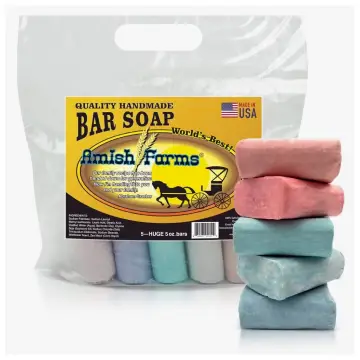
Let me take you through my journey with Amish Farms Soap, because honestly, it started as a skeptical trial and turned into a staple in my bathroom.
A few months ago, I was scrolling through online recommendations, frustrated with my usual store-bought soaps that left my skin feeling tight and itchy, especially in the winter.
You know that post-shower dryness where you immediately slather on lotion? Yeah, that was me every day.
So, I decided to give this soap a shot after reading about its natural bentonite clay and vegan formula.
I ordered the 5-bar variety pack with random colors—nothing fancy, just straightforward bars that arrived in simple packaging.
The first thing I noticed when I unwrapped one was the subtle wildflower scent.
It’s not overpowering like those artificial fragrances that give you a headache; it’s fresh and clean, almost like stepping into a meadow.
I lathered it up in the shower, and wow, the foam was creamy and abundant. It felt luxurious on my skin, gliding smoothly without that slippery residue some soaps leave.
I used it on my face first, gently massaging in circles, and rinsed off. No stinging, no redness—just soft, refreshed skin.
Then, I tried it as a body wash, and it tackled the day’s grime effortlessly. My arms and legs, which usually get flaky, felt hydrated right out of the shower.
But here’s where it got interesting: I experimented with washing my hair. I’d heard people rave about using it as shampoo, so why not? I wet my hair, rubbed the bar directly on my scalp, and worked up a lather.
It cleaned deeply, stripping away product buildup without making my strands feel stripped. After rinsing, my hair was squeaky clean—literally, you could hear that fresh sound when running fingers through it.
I didn’t even need conditioner; it air-dried with more volume and less frizz. Over the next few weeks, I noticed my scalp was less oily, and my hair looked healthier overall.
I also tested it on my sensitive spots. With eczema flares on my elbows, I was cautious, but this soap soothed rather than irritated. The bentonite clay seemed to draw out impurities gently, leaving my skin calm. Even my partner tried it for shaving—smooth glide, no nicks, and no razor burn afterward. We used it on our dog during bath time too; the fur came out soft and shiny without any allergic reactions.
After a month, those bars lasted surprisingly long, even with daily use. My skin texture improved noticeably—smoother, more even-toned, and I used less moisturizer.
It wasn’t a miracle cure, but it made my routine simpler and more enjoyable. If you’re like me, always hunting for products that work without hassle, this soap delivers.
It’s become my go-to, and I keep extras in the guest bath now. Give it a whirl; you might find yourself hooked just like I did.
Pros Of Amish Farms Soap
Switching to Amish Farms Soap has been one of the best decisions for my skin, and let me tell you why from my own trials and what I’ve gathered.
This isn’t just hype; it’s backed by how it performs day in and day out.

- Natural Ingredients That Actually Work
What draws me in most is the straightforward ingredient list. We’re talking palm oil, coconut oil, shea butter, and that key player, bentonite clay.
No harsh chemicals or fillers here. The clay absorbs excess oil and toxins, which helped clear up minor breakouts on my back without drying everything out.
You feel the difference—your skin breathes easier after each use.
I appreciate how these elements come together to nourish rather than strip, making it ideal if you have sensitive areas prone to irritation.
- Versatility for Everyday Use
I love how one bar handles multiple jobs. Use it for your face in the morning to wake up refreshed, then as a body wash in the evening.
I’ve even shaved with it, getting a close, comfortable finish every time. And for hair? It cuts through buildup better than some dedicated shampoos I’ve tried.
You can suds up your pet too without worrying about reactions. This multi-tasking saves space and money in your cabinet, turning your routine into something efficient and fun.
- Moisturizing Power for Dry Skin Relief
If you battle dryness like I do, this soap is a lifesaver. The natural oils lock in hydration, leaving your skin soft and supple instead of taut.
After weeks of use, my elbows and knees, which used to crack in cold weather, stayed smooth. It’s the bentonite clay that pulls out impurities while the glycerin hydrates deeply.
You won’t need to reach for lotion as often, which is huge for busy days when you just want to get out the door feeling good.
- Gentle on Sensitive Skin and Conditions
From my experience, it’s a godsend for anyone with eczema or psoriasis. The vegan formula avoids irritants, calming flare-ups rather than aggravating them.
I had a patch on my arm that itched constantly, but regular use reduced the redness and discomfort. You might notice similar relief if allergies plague you— no synthetic scents or dyes to trigger issues.
It’s like giving your skin a break from the usual assaults.
- Long-Lasting Bars That Save You Money
These bars are hefty, around 5 ounces each, and they don’t dissolve quickly.
I’ve gone through one in about a month with daily showers, which beats flimsy commercial soaps that vanish in weeks.
You get more value per bar, especially in multi-packs. Plus, the lather is rich, so a little goes far, making your supply stretch without skimping on cleanliness.
- Eco-Friendly and Ethical Appeal
Knowing it’s handmade in the USA with sustainable practices feels right.
No animal testing, vegan options, and minimal packaging reduce waste.
You support small-scale production that prioritizes quality over mass output. It aligns with wanting products that are kind to the planet and your body.
- Pleasant, Subtle Scent Options
The wildflower aroma is light and fresh, lingering just enough without overwhelming. If you prefer unscented, they have that too.
It enhances your shower without clashing with perfumes or lotions afterward.
Overall, these pros make Amish Farms Soap a standout in my book. It’s transformed how I approach personal care, proving natural can be effective and enjoyable.
If you’re weighing options, consider how these benefits could fit your life—you might end up as enthusiastic as I am.
Cons Of Amish Farms Soap
While I adore Amish Farms Soap, it’s not perfect for everyone. Let’s chat about the downsides I’ve encountered, so you can decide if they matter to you.
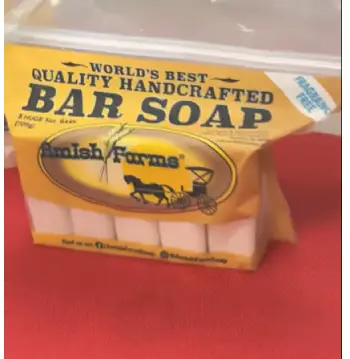
- Higher Price Point Compared to Basic Soaps
At around $20-30 for a pack, it’s pricier than drugstore bars. If you’re on a tight budget, that adds up. I justify it with longevity, but you might hesitate if testing new products.
- Mild Scent Might Not Satisfy Fragrance Lovers
The aroma is subtle, which I like, but if you crave strong smells, it could disappoint. It fades quickly post-shower, so you may layer with other products for lasting scent.
- Potential for Melting in Humid Environments
In steamy bathrooms, bars soften if not drained properly. I’ve lost some to mushiness without a good dish. You need to store mindfully to avoid waste.
- Limited Availability in Stores
You mostly buy online or at select spots like Walmart. If you prefer in-person shopping, it’s inconvenient. Shipping waits can frustrate if you run out.
- Not Ideal for Very Oily Skin Types
The moisturizing focus might feel heavy if your skin is super oily. It balanced mine, but you could need something mattifying instead.
- Color Variations Can Be Unpredictable
Random color packs mean surprises—fun for some, but if you want consistency, pick specific ones. Dyes are natural, yet preferences vary.
These cons are minor in my view, but they’re worth noting. Weigh them against your needs; for me, the upsides far outweigh.
Tips For Amish Farms Soap
Keeping your Amish Farms Soap in top shape ensures it lasts and performs at its best. I’ve learned a few tricks through trial and error, and I’ll share them so you can maximize every bar.
- Proper Storage to Prevent Softening
Always store your soap in a dry, cool spot away from direct water.
I use a wooden soap dish with slats for air circulation—it lets excess moisture evaporate, keeping the bar firm.
If you leave it on a wet ledge, it turns gooey fast, wasting product. In humid climates, consider a covered container post-use. This simple habit extends life by weeks.
- Drying Between Uses for Longevity
After each shower, pat the bar dry with a towel before placing it on the dish.
You avoid that slimy layer that forms otherwise.
I rinse mine quickly under cool water to remove residue, then air-dry. It maintains shape and prevents bacterial buildup, ensuring hygienic use every time.
- Cutting Bars for Portability and Control
If bars feel too big, slice them in half with a knife. I do this for travel—smaller pieces fit pouches easily and melt less in bags.
You control portions better, especially sharing with family. Just ensure clean cuts to avoid crumbling.
- Avoiding Hot Water Exposure
Use lukewarm water when lathering; hot temps accelerate melting. I’ve noticed bars last longer this way, preserving oils and clay benefits.
It also gentles the cleanse for sensitive skin like mine.
- Rotating Bars In Multi-Packs
With variety packs, alternate scents to keep things fresh. I rotate weekly, giving each bar time to dry fully between uses. This prevents overuse of one and maintains excitement in your routine.
- Cleaning Soap Dishes Regularly
Wash your dish weekly with vinegar to remove buildup. Soap scum accumulates, affecting drainage. A clean setup means drier bars and fewer issues.
- Using in Conjunction with Exfoliants
Pair with a loofah for better lather and gentle scrub. The clay enhances exfoliation, removing dead cells. But don’t overdo—twice weekly suffices to avoid irritation.
- Monitoring for Changes in Texture
If a bar hardens too much, wrap in damp cloth briefly to soften. Conversely, if mushy, let air out longer. Adjusting based on environment keeps it usable.
These tips have made my soap routine efficient and waste-free. Apply them, and you’ll see how little effort yields big rewards in performance and savings.
Comparison Amish Farms Soap With Other Brands

When stacking Amish Farms Soap against competitors, I approach it analytically, considering what each brings to your shower. I’ve tried several, so let’s break it down by key aspects.
- Grab Amish Farms Soap Versus Dove for Moisturizing Claims
Dove promises quarter moisturizing cream, and it does leave skin soft initially.
But in my tests, Amish Farms edges out with natural bentonite clay that hydrates deeper without synthetic feel.
Dove can leave residue, while Amish Farms rinses clean, feeling more authentic.
If you want everyday gentleness, Amish Farms wins for purity, though Dove is cheaper and widely available.
- Amish Farms Soap Versus Dr. Bronner’s for Natural Purity
Dr. Bronner’s castile soap is all-organic, versatile like Amish Farms.
Both handle multi-use well, but Dr. Bronner’s peppermint tingles intensely, which I love for invigoration yet find overwhelming sometimes.
Amish Farms’ subtle wildflower is calmer, better for sensitive days. Analytically, Dr. Bronner’s dilutes for value, but Amish Farms bars last longer undiluted.
Choose Dr. Bronner’s for eco-cred, Amish Farms for soothing consistency.
- Amish Farms Soap Versus Lush for Scent and Fun Factor
Lush bars are playful with bold colors and aromas, making showers exciting.
I enjoy their creativity, but they melt quicker in humidity than Amish Farms’ sturdy form.
Lush uses essential oils effectively, yet Amish Farms’ clay adds detox benefits Lush lacks in basics.
If variety thrills you, Lush shines; for reliable, no-fuss care, Amish Farms is superior in longevity and skin health.
- Amish Farms Soap Versus Cetaphil for Sensitive Skin Focus
Cetaphil is dermatologist-recommended, mild without fragrance.
It cleans without stripping, similar to Amish Farms’ gentle approach. However, Cetaphil feels clinical, lacking the natural lather Amish Farms provides.
From my use, Amish Farms soothes eczema better with clay’s absorption. Cetaphil wins in pharmacies, but Amish Farms offers broader versatility like hair washing.
- Amish Farms Soap versus The Body Shop
The Body Shop emphasizes fair trade, much like Amish Farms’ USA handmade ethos. Both avoid cruelty, but The Body Shop’s shea butter bars hydrate richly, though pricier.
Amish Farms integrates coconut and palm oils for balanced moisture without heaviness. A
nalytically, The Body Shop appeals for global impact, while Amish Farms supports local with simpler, effective formulas.
In the end, Amish Farms holds its own by blending natural efficacy with practicality, often outperforming in hydration and multi-use without gimmicks.
Frequently Asked Questions (FAQ)
No, it’s inspired by Amish recipes but produced in the USA by a company using traditional methods.
Yes, its natural ingredients like bentonite clay moisturize and soothe, especially for sensitive or dry skin.
Natural, chemical-free options like Amish Farms, with plant oils and clays for gentle cleansing.
Yes, it’s available at select Walmart stores and online.
Wrapping Up
After all this, I’m convinced Amish Farms Soap is worth every penny for healthier, happier skin. You’ve seen the perks—give it a try and transform your routine. Order now; your body will thank you.
Recent Posts
● Interactive 5-Zone Interior & Exterior Paint Blueprint Paint Coverage Calculator: Gallons, Primer, Square Footage & Cost Tap any architectural surface zone on the blueprint...
If you want smooth, shiny hair without spending a fortune on a premium styling tool, the Ella Bella hair dryer may be worth considering.In these Ella Bella hair dryer reviews, I’ll look...