
I decided to write this piece after weighing options for my own home’s next water heater upgrade.
My main goal is to give you a clear, practical side-by-side look at AO Smith and State water heaters so you can pick the one that fits your budget, installation setup, and long-term needs without the usual marketing fog.
| Feature | AO Smith | State Water Heaters |
| Ownership | Parent company | Wholly-owned subsidiary of AO Smith |
| Primary Sales Channel | Retail (big-box stores) + wholesale | Mostly plumbing contractors and supply houses |
| Typical Installed Cost (50-gal gas) | $1,400–$2,800 | $1,300–$2,600 |
| Common Warranty | 6–12 years tank and parts | 6–10 years (extended options available) |
| Lifespan Expectation | 10–13 years with maintenance | 10–13 years with maintenance |
| Efficiency Focus | Strong on high-efficiency and hybrid models | Solid standard and select high-efficiency |
| Standout Tech | Wi-Fi options, advanced diagnostics on premium lines | Self-cleaning features, contractor-friendly design |
| Best For | DIY shoppers or brand recognition | Professional installs and value pricing |
Understanding The Shared Roots
When I first started comparing these two, the corporate connection surprised me. AO Smith bought State Industries back in 2001.
That means the tanks often come from related production lines and share a lot of the same core engineering.
Glass-lined steel tanks, anode rods for corrosion protection, and similar foam insulation show up on both.
Yet the brands still feel different once you look at how they reach buyers and which extras they emphasize.
I treat them as cousins rather than twins. The parent company uses AO Smith for broader consumer visibility and State for the professional trade channel.
That split shapes everything from sticker price to the kind of installer who shows up at your door.
Key Differences Between The AO Smith And State Water Heaters
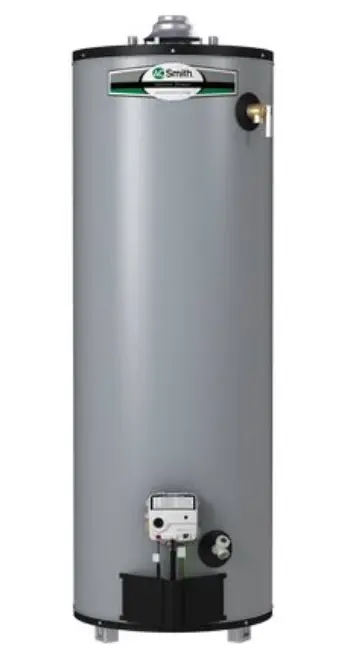
- Distribution and buying experience: AO Smith sits on shelves at big-box stores. State units usually arrive through a plumber.
I find AO Smith easier for self-research. State brings built-in professional advice.
- Feature packaging and marketing: AO Smith pushes premium labels and smart connectivity. State keeps packaging simpler.
Contractors like the practical focus on durability.
- Pricing at the point of sale: State often costs less when a plumber quotes the full install.
AO Smith can carry a small retail premium.
The hardware difference stays modest.
- Venting and model variety details: AO Smith offers more venting choices on gas tanks.
State covers the main options well.
Capacity runs higher on some AO Smith models.
- Target user mindset: AO Smith suits homeowners who research and buy themselves.
State works best for those who trust a contractor to select and install.
- Parts and service access: Both share many components.
AO Smith parts appear widely in retail. State parts stay strong through supply houses that plumbers use daily.
These differences matter more than the shared DNA.
If your plumber already stocks State and offers a solid install price, that channel advantage can outweigh any marketing edge AO Smith holds.
Key Features Of AO Smith Water Heaters
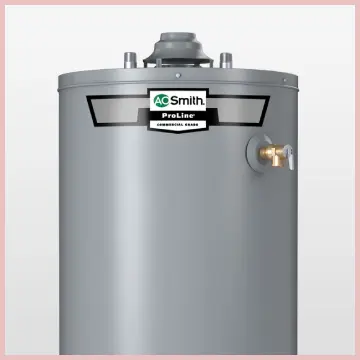
- Glass-lined tanks with corrosion resistance: The coating fuses to the steel and slows rust.
A CoreGard anode rod adds extra protection against hard water.
- High-efficiency options including hybrids and condensing units: Vertex models reach strong Uniform Energy Factor numbers.
Heat-pump hybrids cut operating costs in the right climate.
- Smart controls on premium lines: Some units include Wi-Fi monitoring.
I can check status or receive leak alerts from my phone. Digital diagnostics speed up service work.
- Broad size and fuel range: Options run from compact electrics to large tanks and tankless units.
The lineup covers almost any household demand.
- FVIR safety compliance: Flammable vapor ignition resistance comes standard on gas models.
It adds protection in garage or basement installs.
- Strong insulation and heat traps: These reduce standby heat loss. The design helps keep energy use lower on standard tanks.
I appreciate how these features scale. A basic ProLine tank stays simple and reliable, while the higher tiers add connectivity without forcing every buyer into the expensive end.
Pros Of AO Smith Water Heaters
- Wide retail availability makes comparison shopping simple: I can walk into a store and read the labels. Online specs stay clear and easy to check.
- Longer warranty call-outs on many consumer models: Retail versions often list 10- or 12-year coverage. It feels reassuring even if lifespan still depends on care.
- Strong presence of high-efficiency and smart models: Energy savings or remote monitoring come ready without special orders. Options feel plentiful.
- Brand recognition that can help with resale value: Some buyers notice a familiar name. It is a small factor yet it exists.
- Easy parts sourcing nationwide: Replacement elements and valves stay stocked at most suppliers. Downtime stays shorter.
- Clear model labeling for different needs: Series names help me match capacity and features quickly. Research feels straightforward.
These advantages shine when I handle the purchase myself or want the latest efficiency tech without waiting for a contractor quote.
Cons Of AO Smith Water Heaters
- Possible price premium at retail: The same basic tank can cost more on the shelf. Marketing and distribution add that extra layer.
- Some models feel heavier on features I may never use: Wi-Fi and digital screens are nice. They introduce more electronic points that could fail later.
- Install quality still depends on the person doing the work: Buying from a big-box store does not guarantee skill. I still need to vet the plumber carefully.
- Occasional reports of early component issues: A few units leave with imperfect valves or sensors. Warranty usually covers it yet the inconvenience remains.
- Heavier units in some premium lines: Handling and placement can take more effort. Professional help becomes more necessary.
I weigh these carefully. The retail convenience is real, yet the final installed cost and long-term quiet operation matter more to me than the badge on the jacket.
Key Features Of State Water Heaters
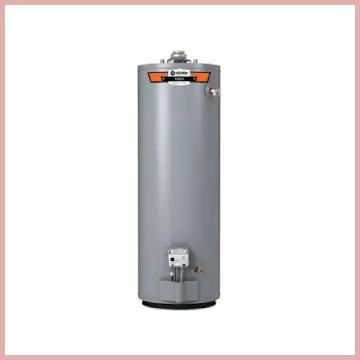
- Dynaclean or self-cleaning dip tube technology: The design stirs water to cut sediment buildup.
Less sediment means better heat transfer and fewer hot-spot failures.
- Blue Diamond glass lining and robust anode protection: This fights corrosion the same way the parent brand does.
It works well in the ProLine and Select series.
- Contractor-oriented serviceability: Parts placement favors quick professional work. Plumbers often find these units easy to maintain.
- Solid recovery rates on gas models: Atmospheric and power-vent options deliver competitive first-hour ratings.
Hot water returns reasonably fast after heavy use.
- Hybrid and tankless availability: Heat-pump and on-demand models match efficiency needs.
They suit households ready to invest more upfront.
- Practical diagnostic access: Service points stay clear and reachable. This shortens repair time when issues arise.
From a user’s view, the features feel practical rather than flashy. The self-cleaning aspect stands out because sediment is the silent killer of most tanks. Knowing the unit fights that problem day after day gives me confidence.
Pros Of State Water Heaters
- Often better installed pricing through professionals: A plumber who works with the brand can quote a sharp package price. Savings can fund better maintenance later.
- Practical durability features aimed at real homes: Self-cleaning technology and accessible components cut sediment risk. Routine service stays simpler.
- Strong contractor loyalty: Many installers prefer State because they know the units. Familiarity can mean faster service calls.
- Reliable performance without unnecessary complexity: Standard models stick to proven mechanical designs. Fewer electronics mean fewer things that can go wrong.
- Consistent build quality backed by the parent company’s manufacturing: Shared factories give State the same core strength. Packaging just targets the trade.
- Good first-hour ratings on common sizes: Everyday family use gets solid support. Hot water keeps up without drama.
For households that already trust a local plumber, these pros often tip the scale. The unit arrives with professional oversight already built in.
Cons Of State Water Heaters
- Limited retail presence restricts self-service shopping: I cannot usually grab one off a shelf. The process almost always involves a contractor quote.
- Warranty terms can look shorter on base models: Many start at six years. Extended coverage is common through a pro yet the headline number feels less generous.
- Fewer flashy consumer-facing innovations: Smart-home connectivity appears less often. Remote alerts may require higher-tier or AO Smith options.
- Model selection sometimes feels narrower in certain categories: Venting choices and ultra-large capacities can lag. Options stay solid for most homes.
- Less brand visibility for casual shoppers: Recognition stays lower outside the trade. Some homeowners prefer a more familiar retail name.
These drawbacks matter mainly if I prefer full control over the purchase. Once a trusted installer is involved, most of the friction disappears.
Real-World Performance And Longevity
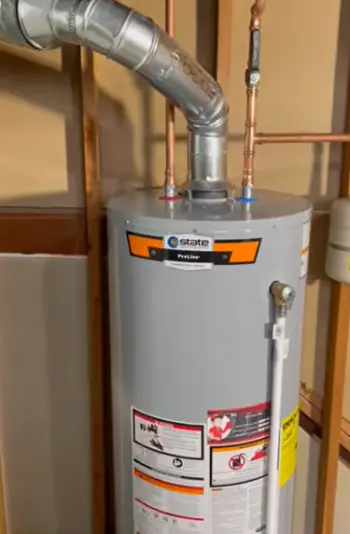
In my experience talking with owners and reading service reports, both brands deliver similar real-world results when maintained.
Expect 10 to 13 years from a standard tank if the water is not extremely hard and if someone flushes the unit yearly and checks the anode every few years.
Tankless and hybrid models can stretch further with proper descaling or filter care.
Sediment is the common enemy.
State’s self-cleaning design gives it a small edge in that battle, while AO Smith’s premium lines counter with better insulation and efficiency numbers that lower monthly bills.
Neither brand is immune to the occasional early failure of a gas valve or heating element. The shared manufacturing base means parts interchangeability is high, which keeps repair costs reasonable.
Energy use follows the model more than the brand name. A basic atmospheric gas tank from either side will cost similar amounts to run.
Jump to a condensing or heat-pump version and the difference becomes noticeable on the utility statement. Climate and household size matter more than the logo.
Installation Considerations From A Homeowner’s View
I have learned that the installer often matters more than the brand. A careful plumber who sizes the unit correctly, sets the temperature safely, and ensures proper venting or electrical connections will make either heater last longer.
State’s contractor channel tends to bring that expertise automatically. AO Smith units bought at retail require me to choose the installer wisely.
Space, existing fuel lines, and local codes also influence the decision. Power-vent models from both brands open more placement options when a traditional chimney is unavailable.
Heat-pump hybrids need room for air circulation and perform best in warmer utility spaces.
Maintenance Habits That Extend Service Life
Both brands respond well to the same simple habits. Annual flushing removes sediment. Anode rod inspection every two to three years prevents tank corrosion.
Keeping the temperature around 120 degrees balances comfort, energy use, and safety. For tankless units, periodic descaling is non-negotiable in hard-water areas.
I schedule these tasks the same way I schedule furnace filter changes. Skipping them shortens life regardless of which badge sits on the front panel.
Making The Choice For Different Households
If I shop primarily through big-box stores and want easy online research plus smart features, AO Smith fits naturally.
If I already have a reliable plumber who quotes State and the price looks sharp, that route often delivers equal performance for less money.
Large families or high simultaneous demand push me toward higher-recovery or tankless models from either line. Energy-conscious homes lean toward the hybrid options both brands now offer.
Budget remains the practical filter. The hardware quality is close enough that the total installed cost and the quality of the installation crew decide most real-world outcomes.
Also Read: Comparison Of Rheem And A. O. Smith Water Heaters
Frequently Asked Questions (FAQ)
No. State is a subsidiary of AO Smith. They share manufacturing and many components but differ in distribution, branding, and some feature packaging.
Yes. It delivers reliable performance, solid construction, and good value, especially when installed by professionals familiar with the line.
Reliability rankings vary by model and maintenance, but AO Smith, State, Rheem, and Bradford White consistently rank near the top among major residential brands.
No single brand holds that title across every category. AO Smith and its State subsidiary together command a large market share and strong contractor respect, placing them among the leaders.
Final Thoughts
I started this comparison wanting a straightforward answer for my own next water heater.
What I found is that AO Smith and State sit closer than most competing brands because of their shared ownership and factories.
The real decision rests on how you prefer to buy and who will install the unit. If retail convenience and premium options appeal to you, AO Smith makes sense.
If you value a professional’s recommendation and potentially lower installed cost, State often wins. Either way, focus on proper sizing, quality installation, and regular maintenance.
Those factors will determine how long the hot water keeps flowing more than the name on the tank. You now have the practical details to match the right unit to your home and habits.
Recent Posts
● Interactive 5-Zone Interior & Exterior Paint Blueprint Paint Coverage Calculator: Gallons, Primer, Square Footage & Cost Tap any architectural surface zone on the blueprint...
If you want smooth, shiny hair without spending a fortune on a premium styling tool, the Ella Bella hair dryer may be worth considering.In these Ella Bella hair dryer reviews, I’ll look...