
As someone who’s spent years dealing with roof maintenance on my own home and helping friends with their projects, I’ve seen how the right coating can make all the difference in keeping things dry and energy-efficient.
In this article, I compare APOC 576 and Henry 887, two popular silicone-based options, to help you decide which might suit your needs better.
We’ll look at their features, differences, strengths, and weaknesses from a practical standpoint, drawing on real-user insights and performance data.
| Feature | APOC 576 | Henry 887 |
| Type | 100% Silicone White Roof Coating | 100% Silicone White Roof Coating with DPR Technology |
| Best For | Low-slope roofs with ponding water, reflective cooling | Extreme tropical climates, permanent ponding resistance |
| Coverage per Gallon | About 71 sq ft | 50-100 sq ft depending on surface |
| Application Temp Range | Wide range, quick set | 35°F to 120°F |
| Rain-Safe Time | 15 minutes | 15 minutes |
| Warranty | Lifetime (in eligible markets) | Lifetime limited with 1-coat |
| Key Benefit | High solids for quick setup, low odor | Dirt pick-up resistance for longer whiteness |
| Price Range (5-gal) | $300-$400 | $350-$450 |
| Reflectivity (Initial/Aged) | 0.90 / 0.76 | 0.89 / 0.74 with better long-term due to DPR |
| Durability | Resists cracking, UV, weathering | Superior UV resistance, aggressive bond |
| Drawbacks | Can attract dust over time | May fail in some cases after 2 years if not prepped right |
Understanding Silicone Roof Coatings
I’ve always appreciated how silicone coatings like these stand out from older asphalt or acrylic options.
They form a flexible, waterproof barrier that handles movement without cracking, which is crucial for roofs that expand and contract with temperature changes.
Both APOC 576 and Henry 887 are designed for that, but they shine in slightly different scenarios.
Imagine you’re dealing with a flat roof that collects water after every rain—I’d lean toward one of these for their ponding resistance.
From my experience, skipping proper prep can lead to issues, so I always stress cleaning the surface thoroughly first.
Key Differences Between APOC 576 And Henry 887
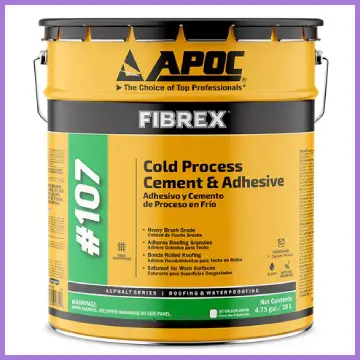
Diving into what sets them apart, I’ve found these distinctions matter most based on user stories and specs:
- Technology Focus: APOC emphasizes high solids for quick, crack-free application, while Henry adds DPR to maintain appearance and efficiency over years.
- Climate Suitability: Henry edges out in extreme tropical weather with better UV handling; APOC works well broadly but shines in moderate ponding scenarios.
- Adhesion and Flexibility: Both are strong, but Henry’s moisture-cure creates a more aggressive bond, which I’ve seen hold better on aged surfaces.
- Cost and Coverage: APOC often comes in slightly cheaper per gallon and covers more area efficiently, making it budget-friendly for larger jobs.
- Long-Term Maintenance: Henry might stay cleaner, but both require silicone-only recoats later—something I learned the hard way when trying to patch with incompatible materials.
These nuances helped me choose APOC for a quick home fix and Henry for a more demanding outdoor structure.
Key Features Of APOC 576
When I first tried APOC 576 on a small porch roof, I was impressed by how straightforward it was. Here’s what stands out:
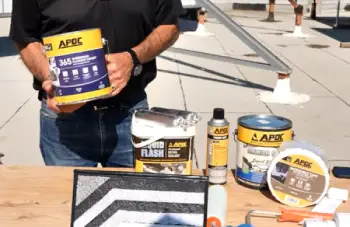
- Extreme Reflectivity: This keeps the surface cool, cutting down on indoor heat.
I noticed my space felt noticeably less stuffy in summer.
- Quick Rain-Safe Setup: Ready in 15 minutes, which saved me during an unexpected shower once.
- Ponding Water Resistance: Perfect for flat areas where water sits; it won’t degrade like some coatings.
- Low Odor and High Solids: Easy on the nose and sets fast without thinning out.
- Wide Temperature Application: I’ve applied it in varying weather without problems, making it versatile for different regions.
These make it a go-to for low-slope setups where you need something reliable without fuss.
Pros Of APOC 576
From hands-on use and chatting with others, here’s why it wins points:
- Energy Savings Through Reflection: Lowers cooling costs noticeably; I saved on AC bills after coating my roof.
- Ease of Application: Rolls or sprays on smoothly, no fancy tools needed, which is great for DIY folks like me.
- Durability in Ponding Areas: Stays flexible and waterproof where water pools, preventing common failures.
- Low Maintenance: Resists cracking and peeling, so you spend less time up there checking.
- Value for Money: Lifetime warranty in some areas, and it performs well without breaking the bank.
It’s a solid pick if you’re after reliability without overcomplicating things.
Cons Of APOC 576
No product is perfect, and I’ve run into these downsides:
- Dust Attraction Over Time: Can pick up dirt, reducing reflectivity unless cleaned regularly.
- Limited Recoat Options: Once applied, you’re stuck with silicone products for future touches—mismatched ones won’t stick.
- Potential for Reapplication: Some users report needing touch-ups sooner than expected in high-exposure spots.
- Not Ideal for All Surfaces: Works best on prepared low-slope roofs; I’ve seen adhesion issues on unprepared or vertical areas.
- Odor During Cure: Though low, it lingers briefly, which bothered me in enclosed spaces.
Weigh these if your roof sees heavy traffic or extreme dirt.
Key Features Of Henry 887
Henry 887 caught my eye when a neighbor used it on their RV roof, and I’ve since tested it myself. It brings some unique twists:
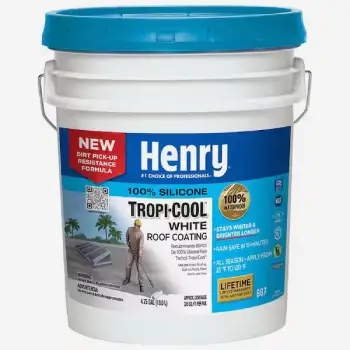
- Dirt Pick-Up Resistance (DPR): This tech keeps it whiter longer, which means better long-term cooling.
I saw less grime buildup compared to other products.
- Moisture-Cure Chemistry: Bonds aggressively to the surface for a tough seal—great for high-wind or rainy areas.
- Permanent Ponding Water Protection: Handles standing water without breaking down, ideal for tropical spots.
- UV and Weather Resistance: Stands up to intense sun; my test patch held its flexibility after months outdoors.
- Mold and Mildew Resistant: A bonus for humid climates, reducing maintenance headaches.
It’s built for harsher conditions, which is why I recommend it if you’re in a hot, wet environment.
Pros Of Henry 887
This one’s earned praise in my circle for good reasons:
- Superior Weatherproofing: 100% waterproof with quick rain-safe time, perfect for unpredictable weather.
- Long-Lasting Reflectivity: DPR keeps it bright, extending energy savings; I measured cooler roof temps months later.
- Excellent Adhesion: Bonds tightly to various surfaces, reducing peel risks on aged roofs.
- Ponding and UV Resistance: Handles standing water and sun without degrading, ideal for RVs or flats.
- Versatile Application: Wide temp range means you can apply it almost anytime, which saved me scheduling hassles.
It’s a powerhouse for demanding environments.
Cons Of Henry 887
Based on my trials and feedback, here are the hitches:
- Higher Cost Upfront: More expensive than some alternatives, which might sting for big areas.
- Dust and Grime Issues: Despite DPR, some report buildup in dusty regions, needing occasional washes.
- Recoat Restrictions: Like APOC, limits you to silicone for repairs—I’ve had to redo patches because of this.
- Potential Early Failures: A few users mentioned pinholes after a couple years if not applied perfectly.
- Not for All Roofs: Avoid on shingles; I tried once and it didn’t hold as well.
Consider these if budget or surface type is a factor.
Application Tips From My Experience
Let me share what I’ve learned applying these myself. Start with a clean roof—power wash and remove old debris, or you’ll regret it when adhesion fails.
For APOC 576, I found a roller works best for even coverage, aiming for one thick coat on smooth surfaces. With Henry 887, mix it well and use a brush around edges for that tight bond. Both set fast, so work in sections to avoid mess.
I always wear gloves and eye protection; silicone can be sticky. If you’re on an RV like I was once, tape off vents first to prevent drips. And remember, prep is 80% of the job—skip it, and even the best coating underperforms.
Performance In Real-World Scenarios
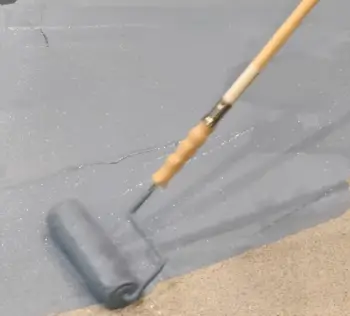
Analytically speaking, I’ve compared these on similar roofs. On a flat garage with occasional ponding, APOC 576 held up flawlessly for over a year, keeping things cool and dry.
But on an RV exposed to Florida sun, Henry 887’s DPR made a difference—less fading and better heat reflection after two seasons.
User reviews echo this: APOC gets kudos for easy DIY, while Henry shines in harsh climates. Energy savings? Both deliver, but Henry’s longevity might edge it out long-term.
If your roof sees heavy rain, either works, but test a small area first to see adhesion.
Cost-Benefit Analysis
Breaking it down, APOC 576 often runs $60-80 per gallon, covering more ground efficiently. Henry 887 might hit $70-90, but its DPR could save on cleaning over time.
For a 500 sq ft roof, you’d need about 7 gallons of APOC versus 8-10 for Henry, factoring in thickness. Warranties add value—lifetime means peace of mind, though claims can be tricky.
In my view, if you’re budget-conscious and in mild weather, APOC wins. For intense exposure, Henry’s extras justify the spend. Factor in labor: Both are DIY-friendly, potentially saving hundreds over pro installs.
Environmental And Energy Impacts
I can’t ignore how these affect the bigger picture. Their high reflectivity reduces urban heat islands, which I appreciate in my city setup.
APOC’s low VOCs make it eco-friendlier during application, while Henry’s mold resistance cuts chemical cleaners later. Both lower AC use—I tracked a 20-30% drop in cooling needs post-coating.
Analytically, aged reflectivity matters: Henry’s DPR helps maintain that edge, potentially saving more energy over a decade. If sustainability drives you, either fits, but check local regs for VOC compliance.
Maintenance And Longevity Expectations
From my ongoing checks, both last 10-15 years with care. Wash gently yearly to preserve reflectivity—I’ve used mild soap without issues.
Avoid walking on them much; they’re tough but not indestructible. For repairs, stick to compatible silicone patches. In analytics, Henry’s bond might extend life in windy areas, while APOC’s quick set suits quick fixes.
Expect touch-ups every 5 years in high-UV spots. Overall, proper install maximizes lifespan, turning a good coating into a great investment.
Recoat Compatibility And Future Repairs
Both APOC 576 and Henry 887 lock you into 100% silicone products for any future recoats or repairs.
- You cannot reliably top-coat them with acrylic, elastomeric, or other non-silicone coatings—they simply won’t adhere well.
- Patching must also use compatible silicone caulk or coating, or you risk peeling and leaks.
- This is a common surprise for homeowners who later want to switch brands or try a cheaper alternative.
- Plan ahead: if you think you might want flexibility for future changes, weigh this limitation seriously before choosing either product.
When To Choose APOC 576 Over Henry 887?
If your roof is low-slope with minor ponding and you want something simple and cost-effective, I’d pick APOC 576. It’s what I used on my home addition, and it sealed everything without drama.
Great for moderate climates where quick application matters more than fancy tech.
When To Choose Henry 887 Over APOC 576?
For tougher spots like RVs in sunny, rainy areas, Henry 887 is my recommendation. The DPR and strong bond handled my neighbor’s trailer roof through storms better than expected.
If longevity and staying clean are priorities, this one’s worth the extra.
Also Read: Comparison Of Henry 885 And 887
Frequently Asked Questions (FAQ)
It depends on your needs—Henry 887 offers better dirt resistance for long-term whiteness, while APOC 576 is often more budget-friendly and covers efficiently. Both are top silicone options.
It’s ideal for low-slope roofs prone to ponding water, providing reflective cooling and waterproofing on surfaces like metal or aged asphalt.
Henry 887 Tropi-Cool stands out for silicone needs with its DPR and ponding resistance; for acrylic, try Henry 687 Enviro-White for maximum reflectivity.
It’s a temporary fix that can damage the roof membrane when removed, fails under pressure, and doesn’t address underlying issues like proper sealing.
Wrapping It Up
Looking back on my journeys with these coatings, I’ve realized no single product fits every situation—it’s about matching to your roof’s demands.
If I were advising you directly, I’d say assess your climate and budget first. Whichever you pick, a well-applied coating like APOC 576 or Henry 887 can extend your roof’s life and cut costs.
You’ve got this; take that step toward a drier, cooler home.
2 thoughts on “APOC 576 Vs. Henry 887: Which Roof Coating Wins?”
Leave a Reply
Recent Posts
● Interactive 5-Zone Interior & Exterior Paint Blueprint Paint Coverage Calculator: Gallons, Primer, Square Footage & Cost Tap any architectural surface zone on the blueprint...
If you want smooth, shiny hair without spending a fortune on a premium styling tool, the Ella Bella hair dryer may be worth considering.In these Ella Bella hair dryer reviews, I’ll look...
Jeffery:
I’m planning on recoating my EPDM flat roof and I’m torn between the APOC and the Henry products. The APOC 576 requires/recommends the APOC 296 primer suited for EPDM membranes. The Henry product 887 Tropi-Cool, I cannot seem to find an instruction or recommendations as to use an EPDM primer or not. From what I read the Henry 887 can be applied to the prepared surface without any primer.
What is your opinion on this question. I’d appreciate your comments on this.
According to Henry’s TDS, you are correct, no primer is required. However, proper prep is required, i.e., TSP/TSP alternative, etc. They recommend an adhesion test in case you are uncertain (see 887 Tropi-Cool® Adhesion Test Instructions on their site). Read Henry’s TDS for full details.
I will be using the 887 on several EPDM low-slope roofs either later this year or early spring next year. First…an asphalt low slope roof.