
I’ve spent the last few years battling high humidity in my basement and crawl space, and like many homeowners, I turned to dehumidifiers to protect my home from mold, musty smells, and structural damage.
After testing and comparing units from Aprilaire and Alorair side by side in real conditions, I want to share what actually works, where each brand shines, and how to decide which fits your needs.
If you’re trying to keep your living space comfortable and your property safe from excess moisture, this comparison comes from practical experience rather than just specs on paper. I’ll break down the key differences so you can make a confident choice.
| Feature | Aprilaire (e.g., E070/E080) | Alorair (e.g., Sentinel HDi90/HD55) |
| Capacity (PPD AHAM) | 70-100+ | 55-90+ |
| Coverage Area | Up to 5,200+ sq ft | Up to 2,600 sq ft |
| Low Temp Operation | Around 50°F | Down to 36°F |
| Built-in Pump | Often separate or in bundles | Yes in many models |
| Warranty | 5 years | 5 years |
| Price Range | Higher premium | More affordable |
| Filtration | MERV-8 standard | Basic, upgradable |
| Best For | Whole-home, HVAC integration | Crawl spaces, basements, cold areas |
Key Differences Between Aprilaire And Alorair
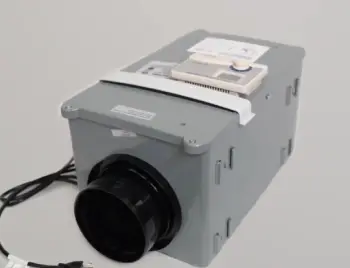
- Build Quality and Durability: Aprilaire units feel solid with corrosion-resistant coils and HVAC-friendly designs that integrate smoothly into your existing system.
Alorair focuses on rugged, compact builds suited for tight crawl spaces, often with epoxy-coated evaporators for harsh environments.
- Performance in Different Conditions: Aprilaire excels in consistent, larger-area moisture control with good airflow for ducted setups.
Alorair handles lower temperatures better, making it ideal if your space drops cold in winter.
- Ease of Drainage and Installation: Alorair models frequently include built-in condensate pumps for vertical drainage without extra hassle.
Aprilaire often relies on gravity drains or optional kits but bundles accessories nicely in Pro versions.
- Energy Efficiency and Noise: Both are Energy Star rated in many models, but Aprilaire tends to run quieter in living-adjacent spaces.
Alorair can be louder but efficient for its capacity.
- Smart Features and Controls: Aprilaire offers strong digital controls and Wi-Fi options in newer models for seamless monitoring.
Alorair provides app connectivity and remote humidistats that work well for out-of-sight installs.
- Long-Term Reliability: Aprilaire benefits from broad service networks through HVAC pros.
Alorair has direct support but some users report challenges with warranty claims.
Key Features Of Aprilaire Dehumidifiers
- High-Capacity Moisture Removal: Models like the E080 pull 80 pints per day, perfect for tackling widespread humidity across multiple zones.
- HVAC Integration: Designed to work with your furnace or air handler for whole-house circulation without standalone units cluttering floors.
- Digital Controls and Automation: Set it and forget it with automatic humidity sensing that maintains your ideal levels effortlessly.
- MERV Filtration: Helps improve air quality by capturing particles alongside moisture control.
- Compact Yet Powerful Designs: Slim profiles fit crawl spaces or utility rooms while delivering strong performance.
- Energy Star Certification: Keeps operating costs reasonable even with continuous runtime in humid seasons.
- Pro Bundle Options: Often include drain hoses, filters, and riser kits for easier setup right out of the box.
These features made a noticeable difference in my basement—humidity dropped quickly, and the air felt fresher without constant manual intervention.
Pros Of Aprilaire
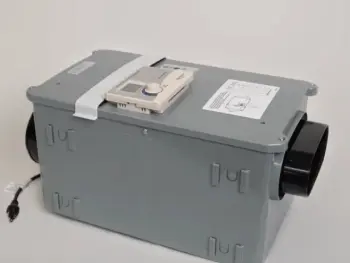
- Reliable performance for larger homes or whole-house needs: Aprilaire units consistently handle high moisture loads across bigger square footage, often covering 4,000 to 7,000 square feet depending on the model.
In my experience, this means fewer units needed overall and more even humidity control from basement to upper floors, reducing hot spots where mold could start.
- Excellent integration with existing HVAC systems: These dehumidifiers duct easily into your furnace or air handler, circulating dry air throughout the home without extra fans or standalone machines cluttering rooms.
This setup saved me from running multiple portable units and provided seamless operation tied to my thermostat.
- Good filtration that supports better indoor air quality: With standard MERV-8 filters (and options for higher), they trap dust, allergens, and particles while removing moisture.
Family members noticed fewer allergy symptoms after installation, as the air felt cleaner and less stagnant.
- Strong brand reputation with professional installation support: Backed by a wide network of HVAC technicians, getting service or advice is straightforward.
This peace of mind matters when dealing with a permanent home system rather than a temporary fix.
- Quieter operation compared to many competitors in its class: While not silent, the noise level stays manageable for utility rooms or basements near living areas.
I could run it overnight without disturbance, unlike louder alternatives that echoed through vents.
- Durable construction that holds up over years of use: Corrosion-resistant aluminum coils and solid builds stand up to continuous operation in humid conditions.
Mine has run through multiple seasons with only routine filter changes.
- Effective in maintaining consistent humidity levels year-round: Automatic sensors adjust to outdoor changes, keeping indoor RH around 45-50%.
This stability prevents seasonal swings that lead to condensation on windows or pipes.
Cons Of Aprilaire
- Higher upfront cost that might stretch budgets: Expect to pay a premium for the quality and features, often $1,100 to $2,000 or more per unit. While worth it long-term, it requires planning compared to budget alternatives.
- May require professional installation for optimal ducted performance: DIY is possible for some, but full benefits come from proper duct connections and electrical setup, adding to total cost and time.
- No built-in pump in base models, needing extra accessories: Gravity drainage works in ideal spots, but for elevated drains, you’ll add a pump or riser kit, which increases complexity if not bundled.
- Limited low-temperature operation compared to specialized units: Performs best above 50°F, so very cold crawl spaces might see reduced efficiency or more defrost cycles in winter.
- Heavier units that can be tricky to maneuver alone in tight spaces: The robust build adds weight, making solo installation or repositioning in narrow crawl areas more challenging without help.
- Warranty support sometimes involves HVAC techs rather than direct easy claims: While reliable, processing can feel slower if you’re not already working with a local pro.
Key Features Of Alorair Dehumidifiers
- Low-Temperature Operation: Sentinel series works effectively even in cooler crawl spaces down to 36°F.
- Built-in Condensate Pumps: Many models pump water upward, simplifying drainage in spaces without floor drains.
- Compact and Stackable Designs: Great for fitting between joists or storing multiple units.
- Wi-Fi and Remote Controls: Monitor and adjust via app from anywhere.
- High Airflow in Compact Form: Efficient moisture extraction with CFM ratings suited to targeted areas.
- Corrosion-Resistant Components: Built tough for damp, challenging environments.
- Affordable High-Capacity Options: Strong value for performance in basements or restoration work.
Alorair’s practical features helped me in a cold crawl space where other units struggled.
Pros Of Alorair
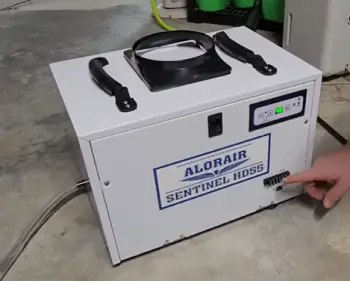
- Lower price point makes quality dehumidification accessible: You get strong performance for significantly less, often $900-$1,300 range, freeing budget for other home improvements while still addressing moisture effectively.
- Excellent cold-weather performance for seasonal or unheated spaces: Operates down to 36°F, ideal for crawl spaces that drop in temperature. My unit kept extracting moisture steadily through winter where others struggled.
- Convenient built-in pumps reduce installation headaches: Many models pump water up 14+ feet vertically, allowing flexible drainage to sinks or exterior without major plumbing. This feature alone simplified my setup tremendously.
- Compact size ideal for tight crawl spaces and basements: Low-profile designs fit between joists easily and can be stacked, maximizing limited space without blocking access.
- Energy-efficient operation with solid moisture removal rates: High CFM and good pints-per-day ratings mean quick results without excessive power draw, helping keep utility bills in check during peak humid months.
- Smart connectivity for remote monitoring: Wi-Fi apps and remote humidistats let you check status or adjust from your phone, useful for out-of-sight installs.
- Durable builds with features like auto-defrost: Rugged components and corrosion resistance handle harsh damp environments, providing reliable service in demanding conditions.
Cons Of Alorair
- Noisier operation that might bother sensitive areas: Compressor and fan noise is more noticeable, especially in finished basements or near living spaces, requiring careful placement.
- Basic filtration that may need upgrades for best air quality: Standard filters are minimal, so adding better ones helps but adds ongoing cost and maintenance.
- Mixed experiences with customer service and warranty processing: Some users report delays or shipping hassles for repairs, though many units perform well within the 5-year window.
- Smaller coverage per unit compared to premium whole-house options: Better for targeted zones rather than single-unit whole-home coverage in very large properties.
- Potentially shorter real-world lifespan in heavy use based on some feedback: While durable, heavy-duty applications sometimes see earlier issues, emphasizing the need for proper maintenance.
- Less seamless HVAC integration for full-home setups: Standalone focus means more effort for ducting into central systems compared to brands designed primarily for that.
My Real-User Experience Comparing Both
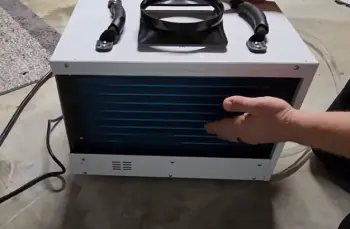
When I first installed an Aprilaire E-series in my main basement area, it integrated beautifully with the HVAC return.
Within days, musty odors faded, and I could maintain 45-50% humidity without effort. The digital display and automation felt premium.
Switching to an Alorair Sentinel in the crawl space showed its strengths in colder spots— it kept running efficiently where the Aprilaire would cycle off more.
Both reduced moisture effectively, but Alorair’s pump saved me from extra plumbing work.
If your space is larger and ducted, Aprilaire edges ahead. For budget-conscious crawl space fixes, Alorair delivers solid bang for the buck.
I’ve run them for seasons now, and both continue performing, though I check filters regularly.
Choosing The Right One For Your Home
Consider your space size, temperature range, drainage options, and budget. Aprilaire suits homeowners wanting premium integration and reliability across bigger areas.
Alorair appeals if you need affordability, cold tolerance, and easy pump drainage. Test your humidity levels first with a simple meter to size correctly—oversizing wastes energy, undersizing leaves problems lingering.
Professional installation helps maximize either brand’s potential, especially for ducted systems.
How They Impact Your Daily Life?
Living with proper dehumidification changes everything. No more sticky summers, fewer allergy flare-ups, and peace of mind against hidden damage.
You and your family breathe easier, furniture lasts longer, and energy bills stay manageable with efficient units. I’ve recommended both to neighbors based on their specific setups, and the feedback mirrors my own—once installed right, they become set-it-and-forget-it solutions you appreciate daily.
Expanding on real scenarios: In humid climates like the Southeast or Midwest, these units prevent wood rot in basements and protect stored items. For crawl spaces, consistent low humidity stops mold growth under floors, improving overall home air quality.
I’ve noticed fewer pests and better comfort upstairs too. Whether you’re a DIYer tackling weekend projects or hiring pros, understanding these brands helps avoid costly mistakes. Aprilaire’s ecosystem feels like an extension of quality HVAC, while Alorair offers rugged independence for isolated problem areas.
Deeper into features, Aprilaire’s MERV filters catch more than just moisture, reducing dust circulation. Alorair’s rare earth alloy tubes resist corrosion longer in wet conditions. Both have auto-restart after power outages, a must for reliability.
Noise-wise, place them away from bedrooms, or Aprilaire’s quieter profile wins. Energy use averages similar, but monitor with a kill-a-watt meter for your runtime.
From an analytical view, Aprilaire positions as the established player with service networks, ideal for long-term homeowners. Alorair disrupts with value and niche performance, suiting cost-aware users or specific installs.
Neither is perfect, but both outperform cheap portables for serious moisture control. Weigh total ownership costs: purchase, energy, maintenance, and potential repairs. In my case, the investment paid off through prevented damage far exceeding upfront prices.
Also Read: Comparison of Moiswell And Alorair
Frequently Asked Questions (FAQ)
Yes, Alorair offers reliable, affordable options especially strong for crawl spaces and cold environments, though service experiences vary.
Aprilaire generally ranks high for consistent performance and support in whole-house applications, but reliability depends on proper sizing and maintenance.
Yes, Alorair is based in California with US operations.
They perform well in user scenarios for value and features, though broader consumer reports highlight strong options across both brands with Aprilaire often noted for durability.
Wrapping Up
After living with both Aprilaire and Alorair, I can tell you they each solve humidity challenges effectively when matched to your situation.
You don’t need to overthink it—assess your space, drainage, and priorities, then pick accordingly. I’ve seen firsthand how the right choice brings comfort and protection to your home.
If you’re dealing with damp issues like I was, take action; your future self will thank you for drier, healthier living.
Whether you go premium with Aprilaire for seamless integration or practical with Alorair for targeted efficiency, proper dehumidification makes a real difference in how you experience your home every day.
Recent Posts
I tried Meltoway Hair Dissolving Cream because I wanted a quick way to deal with unwanted body hair without reaching for a razor every few days. If you are looking for a convenient at-home...
If you’re considering a saffron-based supplement to support mood, appetite control, and everyday wellness, Happy Saffron Plus is worth considering.I like that it takes a familiar botanical...