
When I started looking for a low-maintenance exterior cladding solution that still looked modern and premium, Ascend Composite Cladding quickly caught my attention.
After comparing it with several other options, I found it offered an impressive balance of durability, appearance, and long-term value.
If you’re considering this product, I recommend purchasing it through an authorized building materials dealer or a reputable local supplier to ensure you receive genuine products, warranty coverage, and professional support.
My Personal Experience With Ascend Composite Cladding
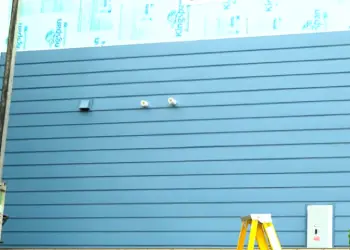
When I first considered replacing my home’s aging exterior, I wasn’t just looking for something attractive.
I wanted a cladding system that could handle changing weather, require less maintenance, and continue looking good for years without becoming another weekend project.
That’s exactly what led me to Ascend Composite Cladding.
My first impression was how realistic the wood grain texture looked. From a distance, many neighbors assumed I had installed premium wood siding.
Up close, the finish still looked convincing without appearing overly artificial. That gave my home a fresh, contemporary appearance while keeping the warm character I wanted.
Installation also surprised me in a positive way. Although I hired experienced installers, they commented that the larger panel design helped cover more wall area in less time than many traditional siding products.
The locking system felt secure once everything was in place, creating clean, consistent lines across the exterior.
One of the biggest reasons I chose composite cladding was maintenance. I had spent years scraping, sanding, and repainting older siding.
I simply didn’t want to repeat that cycle. Since installing Ascend Composite Cladding, my maintenance routine has become remarkably simple. Most of the time, a gentle rinse with a garden hose removes accumulated dust and pollen. Occasionally, I use mild soap for stubborn dirt, but that’s about it.
Weather performance has also been encouraging. My area experiences hot summers, freezing winters, heavy rain, and strong winds throughout the year.
Despite these changing conditions, the panels have remained stable without noticeable warping, cracking, or excessive fading.
The color still looks rich months after installation, which gives me confidence that the finish was designed for long-term durability.
Another pleasant surprise has been the insulation benefits. While I wasn’t expecting dramatic energy savings, I did notice that my home seemed more comfortable during temperature extremes.
The solid construction appears to provide an extra layer of protection against outdoor conditions.
Like any building material, Ascend Composite Cladding isn’t perfect. The upfront investment is certainly higher than basic vinyl siding, and finding experienced installers may require some research depending on your location.
Even so, after considering reduced maintenance, improved appearance, and expected longevity, I believe the overall value has justified the initial cost.
Overall, my experience has been positive. Every time I pull into the driveway, I’m reminded why I chose this product.
It delivers the clean, modern exterior I wanted without demanding constant upkeep, making it one of the more satisfying home improvement decisions I’ve made.
Pros Of Ascend Composite Cladding
- Exceptional Curb Appeal
One of the first things I noticed after installation was how dramatically my home’s appearance changed.
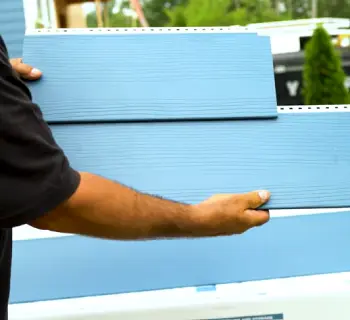
Ascend Composite Cladding provides deep wood-grain textures and crisp shadow lines that create a high-end architectural look.
Instead of looking flat like some traditional siding products, it adds noticeable depth and dimension to exterior walls.
Visitors often assume the cladding is made from premium natural materials because the finish feels refined rather than overly manufactured.
That realistic appearance continues to impress me every time I see my house from the street.
- Outstanding Durability
Durability was one of my biggest priorities, and this is where Ascend Composite Cladding has exceeded my expectations.
Unlike traditional wood that can rot or warp over time, composite construction is designed to resist moisture, insects, and everyday environmental wear. I no longer worry about termites damaging expensive wood panels or moisture causing structural problems beneath the surface.
The panels also feel remarkably solid. Once installed, they create a sturdy exterior that inspires confidence during storms and strong winds.
- Excellent Weather Resistance
Living in an area with unpredictable weather means my home’s exterior experiences plenty of stress throughout the year.
Heavy rain, intense sunshine, freezing temperatures, and high humidity can quickly expose weaknesses in many siding products. Fortunately, Ascend Composite Cladding has handled these changing conditions exceptionally well.
The finish has maintained its color, and I haven’t noticed peeling, cracking, or significant expansion and contraction. That consistency makes the exterior look freshly installed long after the project is complete.
- Low Maintenance Saves Time
Perhaps my favorite benefit is how little maintenance the product requires.
Instead of repainting every few years or replacing damaged boards, I simply clean the surface whenever dirt builds up. This allows me to spend weekends enjoying my home rather than constantly maintaining it.
Over the years, the reduced maintenance can also lower overall ownership costs since fewer repairs and cosmetic updates are needed.
- Improved Energy Efficiency
While exterior cladding isn’t a complete insulation solution, I did notice that my home feels more comfortable after installation.
The insulated design helps reduce temperature fluctuations, making indoor spaces feel more stable during both summer heat and winter cold.
My heating and cooling system doesn’t seem to work quite as hard, which is an added bonus.
- Strong Impact Resistance
Accidents happen. Whether it’s hail, flying debris during storms, or everyday bumps from outdoor activities, exterior walls inevitably experience some impact.
Compared to thinner siding materials, Ascend Composite Cladding feels much more substantial. That additional strength gives me greater confidence that the exterior will continue looking good for many years instead of requiring frequent repairs.
- Long-Term Value
Although the purchase price initially gave me pause, I’ve come to appreciate the long-term financial value.
When I factor in fewer repainting projects, lower maintenance expenses, excellent durability, and lasting curb appeal, the overall investment becomes much easier to justify. Rather than thinking only about today’s installation cost, I now think about years of reduced upkeep and consistent performance.
- Consistent Color Performance
Color retention is another feature I’ve come to appreciate.
Many exterior materials gradually become dull after years of sun exposure. So far, the finish on my home has remained vibrant and even across every wall.
That consistency helps preserve the home’s overall appearance without requiring frequent cosmetic updates.
- Increased Home Value
An attractive exterior influences first impressions more than many homeowners realize.
Whether you’re planning to stay for decades or eventually sell, quality exterior improvements can make a property more appealing.
While no renovation guarantees a specific return, I believe installing premium composite cladding enhances both the visual appeal and perceived quality of the home.
- Peace of Mind
Perhaps the greatest advantage isn’t something you immediately notice—it’s peace of mind.
I no longer worry about constant maintenance, peeling paint, insect damage, or deteriorating wood.
Instead, I can simply enjoy my home knowing the exterior is designed to withstand everyday conditions with minimal effort. That confidence has become one of the product’s most valuable benefits.
Cons Of Ascend Composite Cladding
- Higher Initial Investment
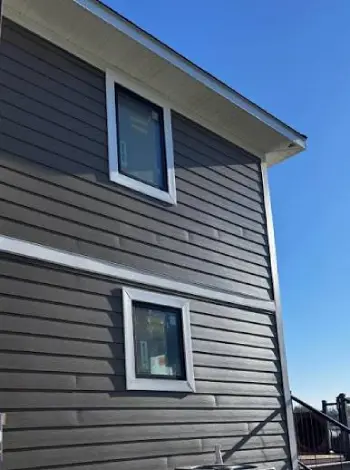
The biggest drawback I encountered was the purchase price. Compared to entry-level vinyl siding, Ascend Composite Cladding costs more upfront.
When I received the first few estimates, I definitely had to think carefully about whether the investment made sense for my budget.
That said, I found it helpful to look beyond the initial price tag. Since the product is designed for long-term durability and minimal maintenance, I expect to spend less on repairs, repainting, and replacements over the years.
Even so, if you’re working with a tight remodeling budget, the initial cost may feel significant.
- Professional Installation Is the Better Choice
Although some experienced DIY homeowners might be tempted to install composite cladding themselves, I personally believe this is a product that benefits from professional installation.
Proper spacing, fastening, moisture management, and panel alignment all affect the finished appearance and long-term performance. Hiring qualified installers naturally increases the total project cost, but it also reduces the chances of costly mistakes.
- Fewer Installer Options
Depending on where you live, finding contractors who have extensive experience with Ascend Composite Cladding may take a little extra effort.
In larger cities, this usually isn’t a problem, but in smaller communities, you may need to contact multiple contractors before finding someone familiar with the system.
I spent additional time researching installers before making my final decision, and I’m glad I did.
- Limited Color Selection Compared with Some Competitors
I liked the available color choices, but I noticed that some competing manufacturers offer even broader design collections.
If you’re trying to match a very specific architectural style or custom exterior palette, you may find yourself wishing for a few more options. Fortunately, the available colors are timeless enough that I never felt my home looked outdated.
- Replacement Panels May Require Planning
One aspect many homeowners don’t think about is future repairs.
Although composite cladding is highly durable, accidents can still happen. If a panel is damaged years later, you’ll want to ensure replacement pieces match the existing installation as closely as possible.
Keeping a few spare panels after installation is something I’d recommend because it makes future repairs much easier.
- Not Completely Maintenance-Free
Marketing sometimes makes composite products sound like they’ll never need attention again. That hasn’t been my experience.
While maintenance is dramatically lower than wood, I still wash the exterior occasionally to remove dirt, pollen, and seasonal grime. The good news is that cleaning takes far less time than scraping, sanding, staining, or repainting traditional materials.
Overall, I view these drawbacks as practical considerations rather than deal-breakers. For me, the strengths continue to outweigh the limitations by a comfortable margin.
Maintenance Tips For Ascend Composite Cladding
- Clean the Surface Regularly
One reason I enjoy owning Ascend Composite Cladding is how simple the cleaning process has become.
Every few months, I rinse the exterior using a standard garden hose to remove loose dirt, dust, pollen, and leaves. This quick routine prevents grime from building up and keeps the cladding looking fresh throughout the year.
If dirt has accumulated after a storm or during pollen season, I wash the panels using warm water, mild soap, and a soft cloth or soft-bristle brush. I’ve found that gentle cleaning is usually all that’s needed to restore the original appearance.
Regular cleaning also allows me to inspect the exterior while I’m working, helping me catch any small issues before they become larger problems.
- Avoid Harsh Chemicals
One lesson I learned early is that stronger isn’t always better.
I avoid bleach mixtures, abrasive cleaners, and powerful chemical solvents because they can damage protective finishes or leave discoloration. Mild household soap has consistently produced excellent results without risking unnecessary wear.
If I’m ever uncertain about a cleaning product, I test it on a small, less noticeable section before applying it across larger areas.
- Inspect After Severe Weather
After heavy storms or unusually strong winds, I like walking around my home for a quick inspection.
I’m not expecting major damage, but it’s reassuring to confirm that every panel remains securely attached and free from visible cracks or impact marks. This simple habit only takes a few minutes and gives me confidence that everything is performing as expected.
I also check around windows, doors, and trim because these areas naturally experience more exposure to moisture.
- Keep Gutters Functioning Properly
Proper drainage plays an important role in protecting any home’s exterior.
I make it a point to clean my gutters several times each year so rainwater flows away from the siding instead of overflowing onto the walls. Standing water isn’t good for any exterior material, so maintaining gutters helps preserve the overall condition of the cladding.
Downspouts should also direct water away from the home’s foundation to minimize unnecessary moisture around the structure.
- Trim Nearby Trees and Shrubs
Landscaping can either protect your home’s exterior or slowly damage it.
I keep tree branches trimmed so they don’t scrape against the cladding during windy weather. Constant rubbing may gradually wear the finish over time, even on durable materials.
Shrubs and bushes are also kept a short distance away from the walls. This improves airflow, reduces moisture retention, and makes cleaning much easier.
- Remove Dirt Before It Builds Up
Instead of waiting until the exterior looks noticeably dirty, I prefer light, routine cleaning.
Small amounts of dust and pollen are much easier to remove than months of accumulated grime. Spending twenty minutes every season saves me from much larger cleaning projects later.
I’ve found that consistent care keeps the color looking brighter and preserves the attractive appearance that convinced me to buy the product in the first place.
- Avoid High-Pressure Washing at Close Range
Pressure washers can be useful, but they should be used carefully.
Extremely high pressure applied too closely can force water behind panels or potentially damage surface finishes.
If I decide to use a pressure washer, I always select a lower-pressure setting and maintain plenty of distance from the wall.
Most of the time, a regular garden hose provides more than enough cleaning power.
- Check Sealants Around Openings
While the cladding itself requires little maintenance, the surrounding sealants deserve periodic attention.
Every year, I inspect the caulking around windows, doors, vents, and trim pieces. If I notice cracking or gaps, I replace the sealant promptly to prevent moisture intrusion.
Maintaining these transition areas helps the entire exterior system perform as intended.
- Protect Against Impact Damage
Although Ascend Composite Cladding is impressively durable, I still try to avoid unnecessary impacts.
When moving ladders, outdoor furniture, grills, or landscaping equipment, I’m careful not to strike the panels. A little caution helps preserve the finish and prevents avoidable repairs.
This is especially important during larger outdoor projects where tools and materials are constantly being moved around the house.
- Schedule a Thorough Annual Inspection
At least once each year, I perform a more detailed inspection of the entire exterior.
I examine corners, trim, fasteners, joints, and transition points while checking for anything unusual. Even though I rarely find problems, this yearly routine gives me confidence that the cladding continues to perform exactly as it should.
In my experience, simple preventive maintenance is the easiest way to keep Ascend Composite Cladding looking attractive and performing reliably for many years.
Comparison Of Ascend Composite Cladding With Other Brands
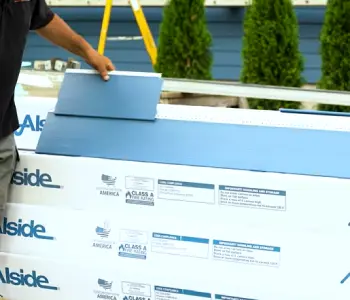
- Ascend Composite Cladding vs. LP SmartSide
LP SmartSide entered my comparison because many contractors recommended it for its engineered wood construction and attractive appearance.
I genuinely liked how LP SmartSide looked, especially if someone wants the character of real wood.
However, engineered wood still made me think more about long-term moisture exposure and proper installation practices.
Ascend Composite Cladding gave me a little more peace of mind because composite materials are designed specifically to resist moisture, insects, and everyday environmental stress.
I also noticed the panels created a very clean, uniform exterior with fewer visible interruptions.
For homeowners who love the warmth of engineered wood, LP SmartSide remains an excellent choice. I simply felt Ascend better matched my goal of reducing maintenance without sacrificing appearance.
- Ascend Composite Cladding vs. Vinyl Siding
Many homeowners eventually compare Ascend Composite Cladding with traditional vinyl siding because the price difference is noticeable.
Vinyl certainly wins when it comes to affordability. If your primary concern is minimizing the initial project cost, standard vinyl siding remains difficult to beat.
However, I quickly noticed where Ascend begins to justify its higher investment. The panels feel thicker, stronger, and substantially more premium. The deeper texture creates richer shadow lines, making the exterior look much more architectural than standard vinyl installations.
Another difference I appreciated was rigidity. Ascend feels more substantial during changing temperatures, whereas some vinyl products can expand and contract more noticeably depending on weather conditions.
If I were renovating a rental property with a strict budget, vinyl would still deserve consideration. For my own home, though, Ascend provided the upscale appearance I was hoping to achieve.
- Ascend Composite Cladding vs. Everlast Composite Siding
Everlast Composite Siding is another product I researched extensively because it shares many similarities with Ascend.
Both products emphasize low maintenance, resistance to moisture, and long service life. They both eliminate many of the concerns homeowners associate with traditional wood siding.
Where I felt Ascend stood out was its integrated insulated panel design. I liked the idea that the exterior system could contribute to improved thermal performance while also creating a clean finished appearance.
Everlast remains an impressive composite option, but I personally found Ascend’s overall design better suited to the style and performance I wanted for my home.
- Ascend Composite Cladding vs. Cedar Wood Siding
Nothing completely replaces the authentic beauty of real cedar.
Natural wood has warmth, texture, and character that many homeowners absolutely love. Unfortunately, I also knew it would demand significantly more maintenance than I wanted to commit to.
Cedar requires regular staining or painting, careful moisture management, and ongoing inspections for insect activity. While many homeowners enjoy that maintenance routine, I wanted a product that looked attractive without becoming a recurring project.
Ascend Composite Cladding gave me much of the visual appeal I admired in wood while dramatically reducing the amount of upkeep required throughout the year.
Also Read: Is Atlas Prolam Shingles Worth It?
Frequently Asked Questions (FAQ)
Yes. It offers excellent durability, low maintenance, attractive curb appeal, and strong resistance to moisture and insects.
Costs vary by location, installer, and project size, but it is generally priced higher than standard vinyl siding and comparable to other premium cladding products.
Ascend Composite Cladding is made from a mineral-reinforced composite material designed to provide durability, insulation, and weather resistance.
James Hardie uses fiber cement construction, while Ascend uses a composite insulated panel system that is lighter and offers integrated insulation with minimal maintenance.
Final Verdict
After living with Ascend Composite Cladding and carefully comparing it with competing products, I can confidently say it has met my expectations.
It combines attractive design, dependable durability, and impressively low maintenance in a way that makes everyday homeownership easier.
While the initial investment is higher than some alternatives, I believe the long-term value makes it worthwhile.
If you’re looking for an exterior cladding solution that delivers modern style, lasting performance, and less maintenance, purchasing Ascend Composite Cladding from an authorized dealer is a decision I would comfortably make again.
Recent Posts
I spent months comparing budget options against established names after my last set of tires wore out sooner than expected.My goal here is to share what I learned from putting Dextero and...
AquaTru Carafe Vs. Classic: Which Is Actually Fits Your Kitchen?
I decided to write this comparison after months of testing both the AquaTru Carafe and the Classic in my own kitchen. Tracking covered daily use.Taste stayed consistent. Refill frequency...