
If you’re thinking about buying Atlas ProLam shingles, I recommend slowing down and looking at both the positive claims and the real customer experiences before making a decision.
I spent a lot of time researching homeowner feedback, contractor opinions, warranty discussions, and product specifications to understand how these shingles perform over time.
Based on everything I found, I would not recommend Atlas ProLam shingles when several stronger alternatives exist in the same price range. Here’s my complete experience and analysis.
My Personal Experience With Atlas Prolam Shingles
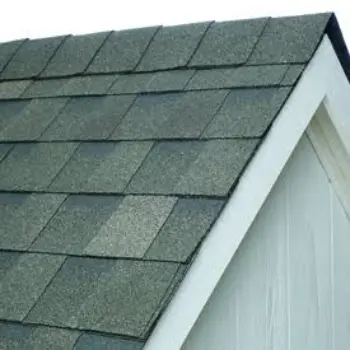
When I first started researching Atlas ProLam shingles, I expected them to be another dependable architectural roofing shingle.
On paper, they looked competitive. Atlas promotes features like Scotchgard Protector technology for algae resistance, decent wind ratings, and architectural styling that can improve curb appeal.
Those specifications initially caught my attention because I wanted a roof that could balance affordability with long-term reliability.
The more I researched, however, the more mixed my opinion became.
I didn’t rely on marketing material alone. Instead, I spent hours reading contractor discussions, homeowner reviews, roofing forums, warranty experiences, and independent opinions.
What surprised me was how divided people were. Some homeowners reported years of acceptable performance without major issues.
Others described premature granule loss, inconsistent manufacturing quality, color variation, and frustration when trying to resolve warranty claims.
That inconsistency became my biggest concern.
A roof isn’t something most of us replace every few years. Once it’s installed, you expect decades of dependable protection.
When I compare roofing materials, consistency matters almost as much as performance. If one homeowner gets twenty-five years while another starts noticing problems much earlier under similar conditions, it makes me question quality control.
Another thing I noticed was that many experienced roofers simply don’t rank Atlas among their favorite brands. Quite a few professionals consistently recommend manufacturers like CertainTeed, Malarkey, Owens Corning, or GAF before suggesting Atlas.
When contractors who install roofs every day repeatedly favor competing brands, I pay attention.
That doesn’t mean every Atlas ProLam roof will fail.
In fact, many installations perform perfectly well when installed correctly, paired with proper ventilation, and maintained regularly. Proper installation can make almost any roofing product perform better. Unfortunately, a quality roof shouldn’t depend heavily on luck or exceptional installation to deliver expected results.
I also found that weather plays a huge role. Homeowners living in moderate climates generally seemed happier than those dealing with frequent hailstorms, intense heat, or repeated freeze-thaw cycles.
That suggests Atlas ProLam may be acceptable in certain environments but less impressive in demanding conditions.
Price is another factor worth mentioning.
Atlas ProLam shingles are often positioned as a budget-friendly architectural option. At first glance, saving money sounds appealing.
But roofing is one of those purchases where paying slightly more upfront can reduce repair costs, maintenance headaches, and replacement expenses years later.
If I compare the initial savings with the possibility of earlier repairs or lower long-term confidence, the value proposition becomes less attractive.
I also looked carefully at the algae-resistant Scotchgard feature. This is one of Atlas’s strongest selling points.
For homeowners living in humid regions where black streaks commonly develop on roofs, that protection can certainly be useful.
A cleaner-looking roof over several years is definitely an advantage.
Still, algae resistance only addresses one aspect of roofing performance.
A roof also needs excellent durability, reliable granule retention, consistent manufacturing, strong wind performance, dependable warranty support, and long-term structural integrity.
Looking at all those factors together, Atlas ProLam didn’t convince me that it offers the best overall package.
If I were replacing my own roof today, I personally would invest a little more money in a roofing system with a stronger reputation for long-term durability and more consistently positive contractor feedback.
Considering how expensive roof replacement is, the extra investment would likely provide greater peace of mind over the next twenty to thirty years.
After reviewing hundreds of opinions from professionals and homeowners alike, my conclusion became fairly straightforward.
Atlas ProLam isn’t necessarily the worst roofing product available, but it also isn’t among the brands I would confidently recommend.
There are simply too many competing shingles that have earned stronger reputations for quality, consistency, and long-term homeowner satisfaction.
Pros Of Atlas Prolam Shingles
- Attractive Architectural Appearance
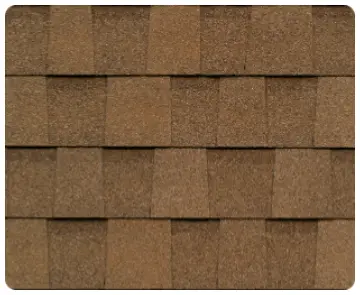
One of the first things I noticed about Atlas ProLam shingles is that they look much better than basic three-tab shingles.
The dimensional design creates a layered appearance that gives the roof more character and makes the entire house look newer.
If you’re replacing an aging roof, you can expect a noticeable improvement in curb appeal.
From the street, Atlas ProLam shingles provide a textured look that resembles more expensive roofing materials without requiring the same level of investment.
For many homeowners, appearance is almost as important as durability because a roof covers such a large portion of the home’s exterior.
- Competitive Initial Price
Another positive is affordability.
Atlas ProLam shingles are generally priced below many premium architectural shingles. If you’re working with a strict roofing budget, this lower purchase price may seem attractive.
For someone planning to sell a house within a few years, spending less on the roof may make financial sense. You still receive an architectural roof instead of basic shingles, which can improve the home’s appearance while keeping costs manageable.
However, I always remind myself that a cheaper roof isn’t automatically the better value. Long-term performance matters more than saving a few hundred dollars during installation.
- Good Wind Resistance
When properly installed according to manufacturer specifications, Atlas ProLam shingles offer respectable wind resistance.
A properly nailed roofing system with correct underlayment and ventilation can withstand strong seasonal winds in many regions. This gives homeowners some confidence during thunderstorms or windy weather.
Of course, installation quality plays a huge role here. Even an excellent shingle won’t perform well if it’s installed incorrectly.
- Scotchgard Protector Helps Reduce Algae
One feature that genuinely impressed me is the inclusion of Scotchgard Protector technology on many Atlas roofing products.
Black algae streaks can make an otherwise healthy roof appear old and neglected. In humid climates, algae growth is a common problem that reduces curb appeal.
Scotchgard helps slow this process by resisting algae growth much longer than many standard shingles.
If you live in a region with high humidity or frequent rainfall, this feature can help keep your roof looking cleaner over the years.
While it doesn’t improve structural durability, it certainly improves long-term appearance.
- Wide Variety of Colors
Atlas offers numerous color options, making it easier to match different home styles.
Whether your home has brick, stone, vinyl siding, or painted wood, you can usually find a shade that complements the exterior.
Color selection might seem like a small detail, but replacing a roof is a long-term investment. You’ll likely live with that color for decades, so having several attractive choices is definitely beneficial.
- Readily Available in Many Markets
Depending on your location, Atlas products are relatively easy to purchase through roofing suppliers.
That availability often means contractors already have experience installing them, reducing delays during replacement projects.
Quick product availability can also help after storm damage when roofing materials become difficult to find.
- Lightweight Roofing Material
Compared to heavier premium roofing materials, Atlas ProLam shingles don’t place excessive weight on the home’s structure.
This makes them suitable for many existing homes without requiring additional structural reinforcement.
Installation also tends to move faster because contractors are working with familiar asphalt architectural shingles.
Cons Of Atlas Prolam Shingles
- Mixed Long-Term Durability
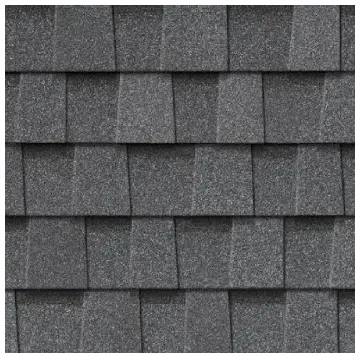
The biggest concern I came across was inconsistent long-term durability.
Some homeowners report that their roofs continue performing well after many years, while others begin noticing wear much sooner than expected.
That inconsistency makes it difficult for me to recommend the product with confidence.
When I invest in a new roof, I want predictable performance rather than hoping I receive shingles from a particularly good production batch.
- Premature Granule Loss
One of the most common complaints involves granule loss.
Roofing granules protect asphalt shingles from harmful UV rays and harsh weather. Losing a small amount of granules after installation is completely normal, but several homeowners have reported excessive granule loss earlier than they expected.
As granules disappear, shingles may become more vulnerable to sun damage, faster aging, and reduced overall lifespan.
- Inconsistent Manufacturing Quality
Another issue that appeared repeatedly during my research was inconsistent manufacturing quality.
Some roofing contractors mention receiving shingles with noticeable variations in thickness, texture, or overall appearance. Others report occasional differences in color from one bundle to another.
Even if these problems don’t affect every order, consistency matters when you’re covering an entire roof.
- Warranty Claim Challenges
Although Atlas offers warranty protection, several homeowners have expressed frustration with the warranty process.
In many cases, proving whether a problem resulted from manufacturing defects, installation issues, poor ventilation, or weather damage can become complicated.
Even when customers believe their shingles failed prematurely, receiving warranty approval isn’t always straightforward.
Because of that, I wouldn’t rely on the warranty as my primary source of confidence.
- Contractor Recommendations Often Favor Other Brands
This was one of the biggest factors influencing my opinion.
While researching roofing professionals, I consistently noticed many contractors recommending competitors such as Owens Corning, CertainTeed, Malarkey, or GAF before mentioning Atlas ProLam.
Professional roofers work with these products every day, so their long-term observations carry significant weight.
When experienced installers repeatedly place other manufacturers ahead of Atlas, I think it’s worth paying attention.
- Performance May Vary by Climate
Atlas ProLam doesn’t appear to perform equally well in every environment.
Homeowners living in regions with severe hail, prolonged heat, heavy snow, or repeated freeze-thaw cycles sometimes report more problems than those in milder climates.
A roofing product should ideally offer dependable performance regardless of location, especially if it’s marketed as a long-term solution.
- Lower Resale Confidence
If I were buying a home, I’d personally feel more confident seeing a roof installed with one of the industry’s most trusted brands.
Recognized roofing manufacturers often give buyers additional peace of mind because of their long-standing reputations.
While Atlas isn’t unknown, it doesn’t always inspire the same confidence among home inspectors, contractors, or experienced homeowners.
- Questionable Long-Term Value
The lower purchase price initially seems attractive, but I’m not convinced it always translates into better overall value.
If a roof requires earlier repairs, more maintenance, or replacement sooner than expected, the initial savings can disappear quickly.
That’s why I prefer evaluating roofing products based on total lifetime cost rather than installation price alone.
Maintenance Tips For Atlas Prolam Shingles
- Inspect Your Roof at Least Twice a Year
One habit I strongly recommend is performing a visual roof inspection every spring and fall.
You don’t need to climb onto the roof to do this. Instead, walk around your property and look at the roof from different angles. Pay close attention to shingles that appear curled, cracked, lifted, or missing. These can be early signs that repairs are needed before the damage spreads.
If your area experiences frequent storms, it’s also a good idea to inspect the roof after severe weather. Strong winds and hail can damage shingles without causing an immediate leak.
Regular inspections help identify small problems before they become major roofing projects.
- Keep Gutters Clean Throughout the Year
Clean gutters are one of the simplest ways to protect any asphalt roof.
Leaves, twigs, and dirt can clog gutters, preventing water from draining properly. When water backs up, it can seep beneath the shingles or collect around the roof edge, increasing the risk of moisture damage.
I try to clean gutters at least twice a year, and even more often if trees surround the house. Proper drainage helps prevent water-related issues and reduces unnecessary stress on the roofing system.
- Remove Debris from the Roof Surface
Branches, leaves, pine needles, and other debris should never remain on the roof for extended periods.
Organic material traps moisture, creating conditions that can shorten the life of asphalt shingles. Wet debris may also encourage algae, moss, or mildew growth, especially in shaded areas.
Using a soft broom or a leaf blower is usually enough to remove debris safely. Avoid dragging heavy objects across the shingles, as this can damage the protective granules.
- Watch for Granule Loss
Since premature granule loss is one of the concerns sometimes mentioned by homeowners, I think it’s especially important to monitor this if you own Atlas ProLam shingles.
Check your gutters and downspouts occasionally for excessive granules. A small amount is normal, particularly after installation, but large accumulations over time may indicate accelerated wear.
If you notice bald spots on shingles or significant granule loss, contact a qualified roofing contractor for an inspection rather than waiting for leaks to appear.
- Trim Overhanging Tree Branches
Trees provide shade, but branches hanging over the roof can create several problems.
They may scrape the shingles during windy weather, drop leaves that trap moisture, or break and fall during storms.
Keeping branches trimmed back reduces the risk of physical damage while allowing more sunlight and airflow to reach the roof. Better airflow helps the roof dry more quickly after rain, which can slow algae and moss growth.
- Address Moss and Algae Early
Although many Atlas shingles include algae-resistant technology, no roof is completely immune to biological growth.
If you notice green moss or dark streaks beginning to develop, don’t ignore them. Moss can hold moisture against the shingles, while heavy algae growth can affect the roof’s appearance.
Use cleaning methods recommended by roofing professionals and avoid harsh chemicals or aggressive pressure washing, as these can damage the shingle surface.
- Never Pressure Wash the Roof
This is one maintenance mistake I see mentioned surprisingly often.
Pressure washing may seem like an easy way to clean a roof, but the high-pressure water can remove protective granules and reduce the lifespan of asphalt shingles.
If your roof needs cleaning, choose gentle roof-cleaning methods specifically designed for asphalt shingles rather than relying on powerful equipment.
Comparison Of Atlas ProLam Shingles With Other Brands
- Atlas ProLam vs. GAF Timberline
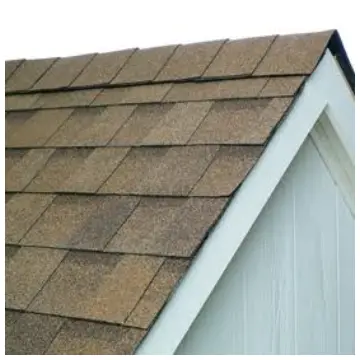
GAF Timberline shingles are among the most widely installed architectural shingles in North America, and after researching both products, I can understand why.
One of the biggest advantages of GAF is consistency. Homeowners and roofing contractors generally report reliable manufacturing quality across different production batches.
That consistency gives me greater confidence because I know I’m less likely to encounter unexpected quality variations.
GAF also has a large network of certified roofing contractors. This makes installation, warranty registration, and future repairs more straightforward.
Since roofing performance depends heavily on proper installation, having access to experienced installers is a major advantage.
Atlas ProLam does offer algae-resistant technology that performs well in humid climates, but I don’t think that single feature outweighs GAF’s stronger reputation for long-term durability and broader contractor confidence.
If I had to choose between the two, GAF Timberline would easily be my preferred option.
- Atlas ProLam vs. Owens Corning Duration
Owens Corning Duration consistently ranks among my favorite architectural shingles because it offers a strong balance of durability, weather protection, and homeowner satisfaction.
One feature I appreciate is the SureNail Technology, which helps improve installation accuracy and wind resistance. Contractors often mention that this design makes installation more secure, reducing the likelihood of installation-related issues.
Throughout my research, I also found fewer complaints about premature granule loss compared to Atlas ProLam.
Owens Corning has built a reputation for dependable manufacturing quality, and many homeowners report excellent performance well beyond the first decade of ownership.
Although Owens Corning usually costs a little more, I believe the added reliability makes the extra investment worthwhile.
- Atlas ProLam vs. CertainTeed Landmark
If long-term durability is your highest priority, CertainTeed Landmark is one of the strongest competitors available.
These shingles generally feel heavier and more substantial than many budget architectural shingles. That additional weight often reflects higher-quality construction and contributes to improved longevity.
Another reason I lean toward CertainTeed is contractor confidence. Many experienced roofers consistently recommend Landmark shingles for homeowners seeking dependable long-term performance.
Customer reviews also tend to be more consistently positive regarding durability, weather resistance, and overall satisfaction.
While Atlas ProLam may save some money upfront, I think CertainTeed offers significantly better long-term value.
- Atlas ProLam vs. Malarkey Highlander
Malarkey has developed an excellent reputation for manufacturing high-performance asphalt shingles that emphasize durability and environmental responsibility.
What stands out to me is Malarkey’s focus on impact resistance and advanced asphalt technology. Homeowners living in areas prone to hail or severe weather often choose Malarkey because of its strong reputation under demanding conditions.
Contractors also frequently praise Malarkey for manufacturing consistency and product reliability.
Compared with Atlas ProLam, I believe Malarkey delivers greater peace of mind, particularly if your home regularly experiences harsh weather.
Atlas ProLam vs. TAMKO Heritage
TAMKO Heritage shingles occupy a similar price range to Atlas ProLam, making this one of the more direct comparisons.
Both brands target homeowners looking for architectural shingles without moving into premium pricing.
However, I still found that Atlas receives more mixed opinions regarding consistency and long-term durability.
TAMKO has also faced criticism over the years, but many recent installations appear to show improvements in product quality. If choosing strictly between these two budget-oriented options, I would carefully compare local contractor recommendations before making a decision.
Neither would be my first choice if my budget allowed for a premium architectural shingle.
Also Read: Comparison Of MasterShield And LeafFilter
Frequently Asked Questions (FAQ)
Atlas shingles offer acceptable quality for some homeowners, particularly those looking for an affordable architectural roofing option. They include useful features such as algae-resistant technology and competitive wind ratings. However, based on my research, I wouldn’t consider them among the industry’s top-performing shingles. I found enough reports of premature granule loss, inconsistent manufacturing quality, and mixed long-term durability to make me hesitant. While some homeowners have had positive experiences, others have encountered problems much sooner than expected. If reliability is your top priority, I believe brands like Owens Corning, CertainTeed, GAF, or Malarkey are stronger choices.
No. Atlas ProLam is generally not classified as a Class 3 impact-resistant shingle. It is designed as a standard laminated architectural asphalt shingle intended for residential roofing applications. If impact resistance is important because you live in a hail-prone region, Atlas offers other roofing products specifically designed with higher impact ratings. Always verify the exact product specifications with your roofing contractor before making a purchase.
The most frequently mentioned concerns include premature granule loss, inconsistent product quality between manufacturing batches, occasional color variations, and mixed experiences with warranty claims. Some homeowners also report that the shingles show signs of aging earlier than expected, particularly in regions with severe weather conditions. It’s worth noting that many Atlas roofs perform well when installed correctly, but the inconsistency in customer experiences is one of the main reasons I hesitate to recommend them over competing brands with stronger reputations.
In my opinion, the following three architectural shingles consistently stand out because of their overall performance, contractor recommendations, and long-term homeowner satisfaction:
Owens Corning Duration – Excellent durability, strong wind resistance, and consistently positive reviews.
CertainTeed Landmark – Known for premium construction, dependable performance, and long service life.
GAF Timberline HDZ – One of the most trusted and widely installed architectural shingles, offering a great balance of quality, availability, and warranty support.
These products generally receive stronger recommendations from experienced roofing contractors than Atlas ProLam.
Wrapping Up
After researching Atlas ProLam shingles from every angle, I can’t confidently recommend them.
While they offer attractive styling, algae resistance, and a competitive purchase price, the recurring concerns about durability, premature granule loss, manufacturing consistency, and warranty experiences outweigh those benefits for me.
A roof is a long-term investment that should provide decades of dependable protection, and I believe there are better options available.
If your budget allows, I’d choose Owens Corning, CertainTeed, GAF, or Malarkey instead.
Spending a little more today can provide greater reliability, fewer headaches, and better value over the life of your roof.
Recent Posts
I spent months comparing budget options against established names after my last set of tires wore out sooner than expected.My goal here is to share what I learned from putting Dextero and...
AquaTru Carafe Vs. Classic: Which Is Actually Fits Your Kitchen?
I decided to write this comparison after months of testing both the AquaTru Carafe and the Classic in my own kitchen. Tracking covered daily use.Taste stayed consistent. Refill frequency...