
I set out to compare the Asics GT 2000 and Gel Kayano after logging hundreds of miles in both, seeking clarity on which stability shoe better suits different runners.
My goal is to break down their features, differences, strengths, and limitations from real-world use so you can decide based on your needs for support, cushion, and daily training.
| Feature | Asics GT 2000 | Asics Gel Kayano |
| Category | Moderate stability daily trainer | Premium max-cushion stability shoe |
| Midsole | FF BLAST MAX | FF BLAST PLUS |
| Guidance System | 3D Guidance System | 4D Guidance System |
| Stack Height (approx.) | 36.5 mm heel / 28.5 mm forefoot | 40 mm heel / 32 mm forefoot |
| Heel-to-Toe Drop | 8 mm | 8 mm |
| Weight (men’s size 9) | Around 273 g | Around 300 g |
| Cushion Feel | Energetic, responsive | Plush, soft, cloud-like |
| Stability Level | Moderate | Higher / adaptive |
| Best For | Daily miles, mixed paces, versatility | Long runs, recovery, max support |
| Price Range | More affordable mid-tier | Premium |
My First Experience With Both Brand
I have put serious miles on both the Asics GT 2000 and the Gel Kayano over the past couple of training cycles, and the differences showed up clearly in how my body felt day to day.
With the GT 2000 I noticed the lighter weight right away. On mixed weeks that included easy runs plus a few tempo efforts the shoe felt responsive and never dragged.
The moderate stability kept my stride controlled without forcing my feet into a rigid path, and the energetic foam helped me finish longer sessions with less lower-leg fatigue than I expected.
It became my go-to for everyday training because it handled varied paces without complaint and still felt solid after several hundred miles.
The Kayano told a different story. On pure recovery days and long slow runs the extra cushioning and higher stack made a noticeable difference.
My feet felt more protected, especially on harder pavement, and the stronger guidance gave me confidence when I was tired late in a run.
Walking around after training or standing for longer periods also felt easier in the Kayano. The trade-off was the added weight.
Whenever I tried to pick up the pace the shoe felt a bit heavier and less eager to move, so I reserved it for easier efforts and high-mileage weeks where comfort mattered most.
In short, the GT 2000 earned a permanent spot in my rotation for its versatility and lively feel, while the Kayano became the pair I reached for when my legs needed maximum protection and soft landings.
Both held up well, both kept me running consistently, and both taught me that the right choice depends on the kind of miles I plan to run that week.
Key Differences Between The Asics GT 2000 And Kayano
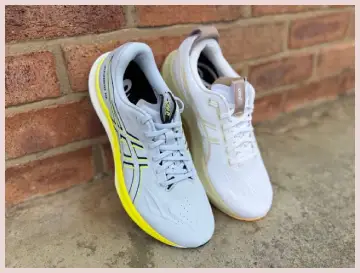
- Level of Cushioning and Ride Feel: The Kayano prioritizes softness and impact protection that lets me sink in more on longer efforts.
The GT 2000 stays firmer and more responsive so the shoe remains versatile when training paces change throughout the week.
- Stability Approach: Kayano’s 4D system offers higher guidance that feels more corrective for stronger overpronation needs.
The GT 2000 relies on subtler geometry-based support that suits milder cases without a heavy-handed sensation.
- Weight and Agility: The GT 2000 is noticeably lighter and that difference shows clearly on tempo segments or late in a run when fatigue builds.
The Kayano’s extra mass is the direct trade-off for its deeper cushioning platform.
- Stack Height and Ground Feel: Higher stack on the Kayano creates greater separation from the road for a more isolated ride.
The GT 2000 keeps a moderate profile that feels planted and efficient during mixed training sessions.
- Price and Positioning: Kayano sits firmly in the premium tier with a higher cost that matches its max-cushion focus.
The GT 2000 delivers solid modern performance at a more accessible mid-tier price point for frequent trainers.
- Versatility Across Workouts: The GT 2000 handles easy miles plus some faster work more effectively in my experience.
Kayano performs best on recovery runs, long slow distance, and extended walking or standing time.
Key Features Of The Asics GT 2000
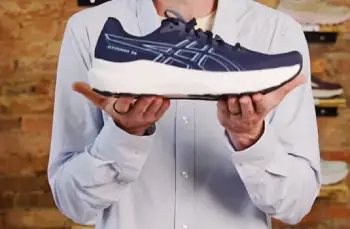
- FF BLAST MAX Midsole Foam: This foam gives a lively and energetic feel underfoot that compresses enough for comfort yet returns energy well during push-off.
I find it keeps the shoe feeling quicker than many traditional stability options across daily miles.
- 3D Guidance System: Stability comes mainly from geometry with a wider base and raised sidewalls that guide the foot gently.
The system works best for mild to moderate overpronation without forcing heavy correction during longer efforts.
- Balanced Stack and 8 mm Drop: The moderate height protects the foot while keeping you connected to the ground for smooth transitions.
It supports everyday training and the occasional faster segment without feeling overly stacked.
- Secure Yet Breathable Upper: Engineered mesh holds the foot firmly in place and reduces hot spots during runs.
Multiple width options help it fit different foot shapes while staying relatively light overall.
- Durable Outsole with Good Grip: The rubber coverage holds up well on pavement and light paths through consistent training.
Traction remains reliable even in moderately wet conditions for year-round use.
Pros Of The Asics GT 2000
- Lighter Weight for Reduced Fatigue: Carrying less mass over long runs or multi-session days makes a clear difference in how my lower legs feel at the finish. The reduced bulk helps maintain better form when mileage adds up.
- Energetic and Responsive Cushioning: FF BLAST MAX adds noticeable bounce that many traditional stability shoes lack. The lively feel encourages a quicker stride while still delivering reliable daily support.
- Moderate Stability That Does Not Overcorrect: The guidance remains natural and usable for both mild overpronators and some neutral runners seeking extra structure. It avoids the forced sensation that stronger systems can create.
- Strong Value Proposition: Modern foam, dependable support, and solid durability come without the top-tier price. This makes the shoe practical for runners who rotate pairs or train multiple days each week.
- Versatile Across Paces: Daily trainers, recovery efforts, and moderate tempo runs all work smoothly in this model. The shoe does not lock you into only one speed category during a training block.
Cons Of The Asics GT 2000
- Less Plush for Maximum Comfort Seekers: Runners who want the softest possible landing may find the foam firmer than the Kayano after many continuous miles. The ride prioritizes energy return over pure sink-in softness.
- Moderate Rather Than Maximum Support: Stronger overpronators or those with higher stability demands can find the guidance insufficient over longer distances. Extra control may be needed from another model in those cases.
- Heel Transition Can Feel Slightly Abrupt: Some versions present a less refined heel strike sensation compared with the smoother Kayano ride. This becomes more noticeable on harder surfaces during easy efforts.
- Upper Breathability Varies by Model Year: Certain iterations trap more heat in warmer weather even though overall comfort stays solid. Hot climate runners may need to monitor this during summer training.
Key Features Of The Asics Gel Kayano
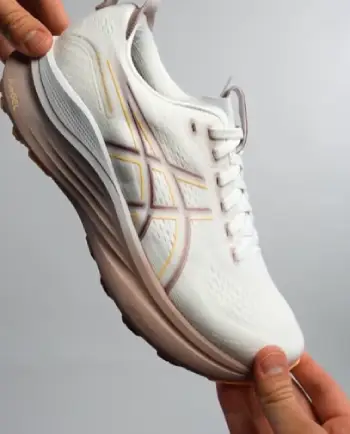
- FF BLAST PLUS Cushioning: Softer foam combined with PureGEL elements creates a plush landing that absorbs impact effectively.
This setup shines on longer runs where extra protection reduces fatigue in the feet and lower legs.
- 4D Guidance System: Adaptive support through midfoot geometry and sidewalls delivers clearer control over inward roll.
It feels more structured for runners who need stronger guidance throughout the stride.
- Higher Stack Height: Extra foam under the heel and forefoot increases isolation from the road surface.
The ride becomes more maximal and forgiving during recovery days or high-mileage training weeks.
- Premium Upper Construction: Refined knit or engineered mesh provides solid lockdown and a sock-like feel.
Heel hold stays secure while the toebox offers reasonable room on most current versions.
Robust Outsole Design: Durable rubber covers high-wear zones and supports longevity under heavy weekly volume.
Many runners notice the platform holds its shape longer than lighter alternatives.
Pros Of The Asics Gel Kayano
- Exceptional Plush Cushioning: The higher stack and softer foam create a protective cloud-like experience that works well for long runs and recovery. Impact absorption stays consistent even when weekly volume increases.
- Higher Level of Adaptive Stability: The 4D system delivers confident control for moderate to more pronounced overpronation without feeling overly rigid. Guidance remains effective across varied foot strikes and fatigue levels.
- Excellent for Walking and All-Day Wear: Beyond running the shoe supports standing and walking exceptionally well thanks to its protective midsole. Many users wear it comfortably for extended periods outside pure training.
- Premium Fit and Finish: The upper and overall construction feel refined with strong heel lockdown and midfoot security. The sock-like sensation adds to the polished daily experience.
- Proven Longevity for High Mileage: The platform holds cushioning properties and shape well across hundreds of miles for many runners. This durability supports consistent high-volume training blocks.
Cons Of The Asics Gel Kayano
- Heavier Build: Extra foam and support structures add noticeable weight that can reduce agility on faster efforts. Lighter runners especially notice the difference during mixed-pace sessions.
- Higher Price Point: The premium max-cushion experience carries a higher cost that may not suit every budget. Value-focused runners often lean toward the more accessible GT 2000 instead.
- Limited Versatility for Speed Work: The soft high-stack ride favors easy and long efforts far more than quicker paces. Efficiency drops when trying to push tempo or interval sessions.
- Potential Warmth in the Upper: Some versions trap more heat than lighter trainers which becomes relevant in warm climates. Summer training may require extra attention to ventilation needs.
How The Shoes Perform In Real Training?

I have used both across different training blocks. On easy recovery days and longer aerobic runs the Kayano’s softness reduces residual fatigue in my feet and lower legs.
The higher stack and adaptive guidance keep form consistent even when tired. For mixed weeks that include some tempo segments or hill work the GT 2000 feels more efficient.
Its lighter weight and energetic foam let me maintain better turnover without the shoe feeling sluggish.
Both handle pavement well. The outsoles provide reliable grip in dry and moderately wet conditions.
Durability has been solid in each case though the Kayano’s thicker platform tends to look fresher longer under heavy weekly volume.
Fit is personal but both accommodate regular and wide options in most sizes.
I recommend trying them on later in the day when feet are slightly swollen for the most accurate sense of room.
Who Benefits Most From Each Model?
Runners dealing with mild to moderate overpronation who want one versatile daily shoe often land on the GT 2000.
It balances support weight and responsiveness effectively. Those logging higher weekly mileage recovering from injury or simply preferring maximum underfoot softness usually prefer the Kayano.
Heavier runners or anyone who spends significant time on their feet outside of running also tend to favor the Kayano’s protective qualities.
Neither shoe is a pure racing flat or maximalist pure-cushion model. Both sit firmly in the stability daily-trainer category with different emphases.
Your foot shape degree of pronation typical pace and preference for soft versus energetic cushioning should guide the final choice. A gait analysis at a specialty running store remains the most reliable way to confirm fit and function.
Also Read: Comparison Of Keen And Merrell Hiking Shoes
Frequently Asked Questions (FAQ)
Runners with moderate to stronger overpronation who want maximum cushioning adaptive stability and comfort for long runs recovery and walking.
Yes. The moderate cushioning stable platform and supportive geometry make them comfortable and effective for walking in addition to running.
Yes. It is a moderate stability shoe that uses geometry-based guidance to help control mild to moderate overpronation.
Runners with mild to moderate overpronation seeking a lighter more versatile daily trainer that handles mixed paces without excessive weight or cost.
Final Thoughts
After extensive time in both models I see clear strengths in each. The GT 2000 gives you energetic cushioning lower weight and solid moderate support at a friendlier price.
Kayano delivers plush protection higher guidance and all-day comfort for those who prioritize softness and control.
Your ideal choice depends on how much support you need how soft you like your ride and whether daily versatility or maximum recovery comfort matters more.
Try both if possible. Pay attention to how your feet and legs feel during and after runs. That real-world feedback will tell you more than any specification sheet.
Choose the shoe that lets you train consistently and enjoy the process.
Recent Posts
● Interactive 5-Zone Interior & Exterior Paint Blueprint Paint Coverage Calculator: Gallons, Primer, Square Footage & Cost Tap any architectural surface zone on the blueprint...
If you want smooth, shiny hair without spending a fortune on a premium styling tool, the Ella Bella hair dryer may be worth considering.In these Ella Bella hair dryer reviews, I’ll look...