
I spent weeks logging miles in both the ASICS Megablast and Superblast 2 to settle which one actually fits my training needs better.
My goal here is simple: give you a clear, side-by-side breakdown so you can decide which shoe matches your runs, pace, and preferences without the usual marketing fluff.
| Feature | ASICS Megablast | ASICS Superblast 2 |
| Price | Around $225 | Around $200 |
| Weight (men’s US 9) | 7.8–8.1 oz (220–230 g) | 8.8–9.0 oz (245–255 g) |
| Stack Height | 45–46 mm heel / 37–38 mm forefoot | 45 mm heel / 37 mm forefoot |
| Drop | 8 mm | 8 mm |
| Midsole | Full-length FF Turbo Squared (A-TPU) | Dual-layer FF Turbo+ over FF Blast+ Eco |
| Upper | Lightweight engineered mesh | Breathable engineered mesh |
| Outsole | ASICSGRIP rubber | ASICSGRIP rubber |
| Best Use | Uptempo, versatile daily, tempo | Long runs, recovery, steady volume |
| Stability | Moderate (wide base helps) | High (very planted) |
| Feel | Bouncy, lively, energetic | Cushioned, controlled, smooth |
Key Differences Between The ASICS Megablast And Superblast 2
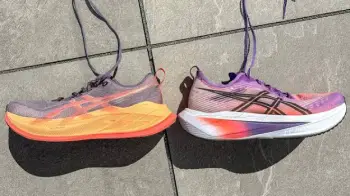
- Midsole foam composition and energy return: The Megablast relies on a single full slab of newer FF Turbo Squared A-TPU foam that delivers a springier and more explosive response once pace increases.
The Superblast 2 uses a dual-layer setup with FF Turbo+ on top of a firmer FF Blast+ Eco base that produces a more controlled and consistent ride over long distances.
- Weight and how it affects turnover: The Megablast arrives noticeably lighter which makes leg turnover feel quicker and less fatiguing during faster efforts.
The Superblast 2 carries extra mass that remains less noticeable on easy or long runs yet becomes clearer when you try to surge or accelerate.
- Ride character and preferred paces: The Megablast performs best when effort rises above easy pace and rewards quicker foot strikes with playful bounce.
The Superblast 2 feels more natural on relaxed or steady efforts where protection and smoothness take priority over pure energy return.
- Platform width and stability feel: Both shoes sit on high stacks yet the Superblast 2 geometry and dual foam create a broader and more planted sensation underfoot.
The Megablast remains stable thanks to its wide base but can feel livelier and slightly less locked-in for runners who overpronate late in longer efforts.
- Upper fit and breathability: The Megablast features a lighter race-inspired mesh that hugs the foot more closely while staying highly breathable.
The Superblast 2 offers a slightly roomier traditional training fit that many runners find more comfortable during high-volume days.
Key Features Of The ASICS Megablast
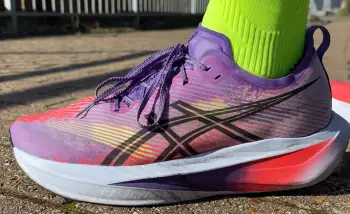
- Full-length FF Turbo Squared midsole: This A-TPU foam serves as the standout element and provides high energy return without any plate while giving a trampoline-like response that stays lively across many miles.
The material compresses just enough for comfort yet snaps back quickly underfoot.
- Maximal stack with 8 mm drop: Roughly 45 to 46 mm under the heel and 37 to 38 mm under the forefoot create a thick protective layer that absorbs impact effectively.
The geometry includes a gentle rocker that smooths the transition from heel to toe without forcing any unnatural stride changes.
- Lightweight engineered mesh upper: The upper feels race-day light and highly breathable while locking the midfoot securely yet remaining flexible enough for natural foot movement.
A gusseted tongue keeps debris out and prevents any unwanted shifting during runs.
- ASICSGRIP outsole coverage: Targeted rubber placement delivers strong traction on both dry and damp roads without adding unnecessary weight.
Coverage focuses on high-wear zones and holds up well against abrasion over time.
- Neutral versatile geometry: The absence of a carbon plate keeps the shoe flexible enough for daily training while still feeling sufficiently stiff underfoot for tempo work.
A wide platform beneath the high stack adds confidence even on uneven pavement surfaces.
Pros Of The ASICS Megablast
- Exceptional bounce and energy return: Once tempo or faster paces begin the foam wakes up and returns a substantial amount of the energy you put in. Workouts feel more enjoyable and less draining as a result of this lively response.
- Impressive weight for the stack height: Carrying so little mass on such a tall shoe makes longer efforts and faster intervals easier on the legs overall. The difference becomes most noticeable during the second half of harder training sessions.
- True versatility across paces: The shoe handled easy recovery jogs threshold intervals and even half-marathon simulations without ever feeling out of place. This adaptability makes it a strong option for mixed training weeks.
- Smooth heel-to-toe transition: The rocker geometry and foam density work together so the shoe rolls forward cleanly under different foot strikes. Both heel strikers and midfoot strikers experience a fluid and natural ride.
- Strong durability signals early on: After more than 100 miles the midsole still felt lively and the outsole showed only light wear in the usual high-impact zones. Early signs point toward solid long-term performance.
Cons Of The ASICS Megablast
- Premium price tag: At roughly 225 dollars the shoe sits at the upper end of training shoe pricing and requires frequent use of its performance features to feel justified. Runners need to weigh the cost against how often they will actually need the extra bounce.
- Slightly less stable for some runners: The lively foam and high stack can feel a touch less locked-down during the later stages of long runs. This becomes more noticeable for those who typically need additional medial support.
- Fit runs a bit narrower in the toe box: Runners with wider feet or those who prefer a roomier forefoot may find the upper hugs tighter than expected. Trying the shoe on in person or ordering a half size up can resolve most fit concerns.
- Best performance shows at quicker paces: On very slow recovery runs the bounce becomes less noticeable and the shoe can feel somewhat firm compared with softer daily trainers. The energetic character shines brightest when pace increases.
Key Features Of The ASICS Superblast 2
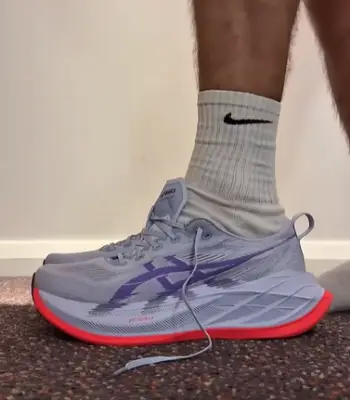
- Dual-layer midsole of FF Turbo+ and FF Blast+ Eco: The top PEBA-based layer supplies responsiveness while the bottom EVA-based layer adds cushioning and a stable foundation.
Together these materials create a ride that protects the legs without ever feeling mushy or uncontrolled.
- High 45 mm / 37 mm stack and 8 mm drop: The generous foam volume soaks up impact effectively during long training days.
The moderate drop keeps the geometry familiar for most runners and encourages a natural stride pattern throughout.
- Breathable yet durable engineered mesh upper: The upper improved over the first Superblast with better ventilation and a more secure midfoot wrap that holds well.
The lightly padded tongue stays in place and contributes to overall comfort on longer efforts.
- Fuller ASICSGRIP outsole design: Rubber placement prioritizes both traction and longevity across road surfaces and light paths.
The pattern grips reliably and resists the pebble-catching issues seen in some earlier high-stack models.
- Stable planted platform: Wide base geometry combined with the dual-foam construction gives the shoe a confident feel underfoot even when fatigue appears during later miles.
This stability remains one of its strongest practical advantages.
Pros Of The ASICS Superblast 2
- Outstanding long-run comfort and protection: The thick midsole and controlled foam density keep legs feeling fresher after 15-plus miles of continuous effort. Impact absorption remains excellent without the floaty sensation that softer max-cushion shoes sometimes produce.
- Excellent stability for a high-stack shoe: Many runners who normally choose stability models find the Superblast 2 planted enough for regular daily volume. The wide platform reduces the tippy feeling that often appears in tall shoes under fatigue.
- Versatile across easy and moderate paces: The shoe handles recovery runs steady long runs and even marathon-pace efforts without complaint or loss of consistency. The ride stays reliable no matter how slow or moderately quick the effort becomes.
- Improved upper comfort and breathability: Compared with the original Superblast version 2 feels more refined and better ventilated during hot weather or extended sessions. Lockdown remains secure even as the feet swell over longer distances.
- Slightly lower price than the Megablast: At around 200 dollars the shoe still sits in premium territory yet undercuts the Megablast while delivering proven high-mileage performance. This makes it a more accessible option for volume-focused runners.
Cons Of The ASICS Superblast 2
- Heavier than the Megablast: The extra weight becomes noticeable when attempting faster intervals or tempo segments. Leg turnover feels a touch slower compared with the lighter Megablast during those quicker efforts.
- Less explosive energy return at high speeds: The dual-layer foam prioritizes protection and control over pure bounce so faster efforts feel solid yet not as lively or playful. The shoe protects well but does not add the same sense of free speed.
- Can feel blocky to some runners: The high stack and firm platform create a substantial presence underfoot that takes time for some runners to adapt to. Those who prefer a closer-to-the-ground sensation may notice this more strongly at first.
- Fit can run a bit snug for wider feet: While roomier than the Megablast in certain areas some runners still find the toe box restrictive on longer efforts once feet begin to swell. Trying the shoe on remains the safest way to confirm comfort.
Real-World Running Experience
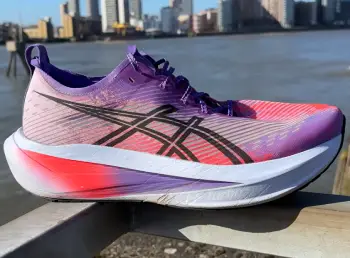
I put both shoes through the same mix of workouts over several weeks including easy recovery jogs threshold intervals long runs past 18 miles and a couple of race-pace efforts.
The differences showed up quickly and consistently.
On an easy eight-miler the Superblast 2 felt like a soft landing pad that kept my legs quiet from the first step to the last.
The Megablast felt firmer and more awake even at slow paces yet remained comfortable while the bounce quietly asked me to pick up the cadence.
During a tempo session of 5 x 1 mile at threshold the Megablast came alive with a noticeable pop on every stride that made holding the pace feel easier. Transitions stayed crisp and turnover remained high without extra effort.
The Superblast 2 handled the same workout well but required a bit more push to maintain the same rhythm while still protecting the legs effectively.
Long runs told another clear story. At mile 16 in the Superblast 2 my feet and lower legs still felt relatively fresh thanks to the dual foam and stable platform absorbing accumulated impact.
In the Megablast the same distance felt energetic early on yet later miles revealed a slightly less planted sensation under fatigue.
Neither shoe left me sore the next day but the Superblast 2 edged ahead for pure recovery value.
Both uppers stayed comfortable across different weather conditions. The Megablast breathed better on hot days while the Superblast 2 locked my foot down more securely when tired.
Outsole grip proved excellent in both on dry pavement and light rain. After 100-plus miles neither midsole had packed out noticeably.
Who Should Choose Which Shoe?
If your weekly plan includes a lot of tempo work intervals and mixed-pace sessions the Megablast makes more sense because its lighter weight and higher energy return turn those efforts into something you look forward to.
Runners who want one shoe that can cover everything from easy days to race-day simulations will also appreciate the versatility.
Choose the Superblast 2 if long runs and high weekly volume dominate your training. Its protective ride and stability reduce the cumulative stress of big mileage weeks.
Runners who prefer a more controlled less bouncy feel or who need extra confidence on tired legs will likely prefer it.
Budget plays a role too. The 25-dollar difference is not huge yet if you already own a speed-oriented shoe the Superblast 2 may fill the volume slot more efficiently.
If you want a single premium trainer that does almost everything at a high level the Megablast extra responsiveness can justify the cost.
Fit And Sizing Notes
Both shoes run true to size for most people. I stayed with my usual size and experienced no hot spots.
The Megablast upper feels slightly more performance-oriented and can hug the forefoot closer.
Runners with wider feet should try both on if possible or consider going up a half size in the Megablast. The Superblast 2 offers a touch more volume overall and feels more traditional for daily training.
Break-in time is minimal for both. The foams feel ready from the first run though the high stacks take a few miles for some runners to trust fully.
Durability Observations
Early mileage suggests both will hold up well. Outsole rubber shows light wear in the usual spots after 100 miles but still has plenty of life remaining.
Midsoles retained their bounce and cushioning characteristics. The Megablast single-foam construction has so far resisted packing out which is encouraging given the energetic nature of A-TPU materials.
The Superblast 2 dual-layer setup continues the strong reputation of the original for lasting through high-mileage blocks.
Also Read: Comparison Of Keen And Merrell Hiking Shoes
Frequently Asked Questions (FAQ)
Uptempo training tempo runs intervals and versatile daily use where bounce and lighter weight help.
Yes if you will use the energetic ride often for mixed paces the performance justifies the cost for many dedicated runners.
It handles them well thanks to high cushioning though some prefer the Superblast 2 for pure long-run comfort and stability.
They exceed current World Athletics stack limits for elite competition but remain fine for most age-group and non-elite races.
Final Thoughts
Neither shoe is a pure racing flat or a soft recovery clog. Both sit in the super-trainer category where high stack light weight and unplated responsiveness meet.
The Megablast pushes further toward the energetic do-everything end of that spectrum. The Superblast 2 stays closer to the protective high-volume end.
Your weekly structure and preferred feel underfoot will decide which one earns more days on your feet.
I found myself reaching for the Megablast on days when I wanted the run to feel fun and quick. I grabbed the Superblast 2 when the goal was simply to accumulate quality miles while protecting my legs.
Having both in rotation would be ideal yet most of us have to pick one. Match the shoe to the majority of your training and you will get the most from either pair.
Recent Posts
● Interactive 5-Zone Interior & Exterior Paint Blueprint Paint Coverage Calculator: Gallons, Primer, Square Footage & Cost Tap any architectural surface zone on the blueprint...
If you want smooth, shiny hair without spending a fortune on a premium styling tool, the Ella Bella hair dryer may be worth considering.In these Ella Bella hair dryer reviews, I’ll look...