
I spent weeks rotating between the Asics Novablast 5 and Gel Nimbus 28 on easy miles, tempo efforts, and long runs to settle a question many runners face.
My goal here is simple: give you a clear, real-world breakdown of how these two daily trainers differ in cushioning, energy, weight, and everyday feel so you can pick the one that matches your training without wasting money or miles.
| Feature | Asics Novablast 5 | Asics Gel Nimbus 28 |
| Weight (men’s approx.) | 9.0 oz / 255 g | 9.6–10.0 oz / 270–280 g |
| Stack height | 41.5 mm heel / 33.5 mm forefoot | 43.5 mm heel / 35.5 mm forefoot |
| Drop | 8 mm | 8 mm |
| Midsole foam | FF Blast Max | FF Blast+ with PureGEL |
| Ride character | Bouncy, energetic, versatile | Plush, protective, steady |
| Best for | Daily training, mixed paces | Easy runs, recovery, long slow miles |
| Price (approx.) | $140–150 | $170 |
| Stability | Neutral, slightly softer platform | Neutral, wider and more grounded |
Key Differences Between The Asics Novablast 5 And Gel Nimbus 28
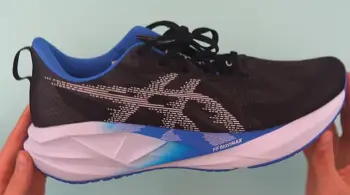
- Weight and how it feels on the foot: The Novablast 5 sits noticeably lighter on the scale and on the foot.
That difference shows up after the first mile and keeps showing up when fatigue sets in because the Nimbus 28 carries more mass which you feel most on longer efforts.
- Midsole foam and energy return: FF Blast Max in the Novablast gives a springy and lively response that encourages you to pick up the pace while the Nimbus relies on FF Blast+ plus PureGEL for deep shock absorption.
It soaks up impact better but returns far less energy so the ride stays soft and muted.
- Stack height and underfoot volume: The Nimbus packs a taller stack that creates a more isolated and cloud-like sensation underfoot.
The Novablast sits a couple of millimeters lower yet still feels substantial although it lacks the same sense of floating above the road.
- Ride geometry and transition: The Novablast rolls more eagerly from heel to toe thanks to its rockered shape and responsive foam.
The Nimbus stays smoother and more deliberate which suits slower and steadier paces but can feel a touch blocky when you try to accelerate.
- Versatility across workout types: I reach for the Novablast when the plan includes anything from recovery to tempo.
The Nimbus stays in my rotation almost exclusively for easy days and recovery runs where protection matters more than snap.
- Price and value equation: The Novablast costs less and covers more types of runs.
The Nimbus asks for a higher investment in exchange for maximum plushness and a more premium upper feel that some runners prefer.
Also Read: Is Nortiv 8 Hiking Boots Worth It?
Key Features Of The Asics Novablast 5
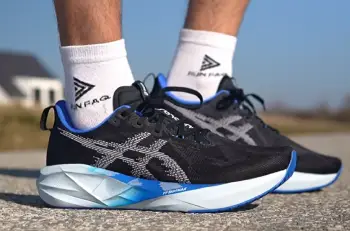
- FF Blast Max midsole: This newer foam delivers softer landings than earlier Novablast versions while adding noticeable bounce.
It compresses underfoot then pushes back which gives the shoe its signature lively character without feeling overly soft or unstable for most runners.
- Engineered jacquard mesh upper: The upper breathes well and hugs the foot securely.
I found the toe box a bit roomier than some previous Asics models which helps on longer runs when feet swell and lockdown remains solid through the midfoot and heel.
- AHAR LO rubber outsole: Coverage is strategic rather than full which keeps weight down.
Grip works fine on dry pavement and light gravel although wet roads still demand caution and durability held up well across several hundred miles in my testing.
- Rockered geometry with forefoot emphasis: The shape helps the foot roll forward smoothly.
Combined with the foam it creates a trampoline-like sensation under the forefoot that makes even easy runs feel more engaging.
- Neutral platform with improved stability: Sidewalls and a broader base keep the shoe planted for neutral runners.
It is not a stability shoe but it feels more controlled than the first Novablast versions and that improvement shows on tired legs.
Pros Of The Asics Novablast 5
- Lighter weight that reduces leg fatigue: The lower mass makes back-to-back training days easier and keeps the shoe from feeling cumbersome when you start to tire on high-mileage weeks.
- Higher energy return that keeps easy runs interesting: The foam’s bounce turns routine miles into something more enjoyable. I noticed myself running a touch faster without extra effort on recovery days which improves overall motivation.
- Strong versatility across pace ranges: One pair covers easy runs, long runs, and moderate tempo work. That flexibility simplifies the weekly rotation and saves money over time.
- Soft yet responsive cushioning balance: It cushions well without the sink-in feeling some max-cushion shoes create. Landings stay protected while toe-off feels lively which suits mixed training weeks.
- Competitive price for the performance level: You get modern foam technology and solid construction at a lower cost than many premium daily trainers and that value shows after months of use.
- Roomier toe box that accommodates swelling: Longer runs feel more comfortable because the forefoot has space to expand without pressure points and this helps prevent discomfort on hot days.
Cons Of The Asics Novablast 5
- Soft platform can feel less stable at slow paces: Heavier runners or those who land heavily may notice more movement underfoot when shuffling along and that can reduce confidence on recovery days.
- Traction remains average on wet surfaces: The outsole works adequately in dry conditions but can feel less secure in rain or on slick pavement which requires extra care.
- Upper durability in the toebox area: After higher mileage the mesh can show wear sooner than expected in high-abrasion spots and that may shorten the useful life for some runners.
- Less protective than true max-cushion options: If your legs need maximum isolation after hard sessions the Nimbus still edges it out because the Novablast prioritizes bounce over pure absorption.
- Fit may feel generous for narrow feet: Some runners need to lace more carefully or consider a half-size adjustment for ideal lockdown and that extra step can annoy those who prefer a locked-in feel.
Also Read: Is Tony Lama Work Boots Worth It?
Key Features Of The Asics Gel Nimbus 28
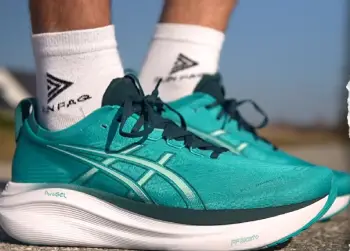
- FF Blast+ midsole with PureGEL heel insert: The combination prioritizes impact protection.
PureGEL softens heel strikes especially well while the surrounding foam creates a deep and consistent cushion that stays protective even late in a long run.
- Lightweight engineered knit upper: Asics trimmed weight here without sacrificing the plush internal feel the Nimbus line is known for.
The collar and tongue padding create a sock-like embrace that feels luxurious the moment you step in.
- Hybrid ASICSGRIP and AHAR Plus outsole: Rubber placement focuses on high-wear zones.
Traction improved over previous Nimbus models on wet surfaces and the layout still allows the midsole to flex naturally during the gait cycle.
- Higher stack and wider platform: Extra volume underfoot plus a broader base deliver a grounded and stable ride for a max-cushion shoe.
The geometry encourages smooth transitions at easy paces without forcing a quick turnover.
- Premium step-in comfort and lockdown: The upper and heel counter work together to hold the foot securely.
I never felt the need to overtighten the laces and the fit stayed consistent across different sock thicknesses which adds to daily reliability.
Pros Of The Asics Gel Nimbus 28
- Exceptional impact protection for easy miles: The combination of tall stack and PureGEL keeps joints feeling fresher after long efforts or hard training blocks and this matters for high-volume runners.
- Stable and grounded platform despite high cushioning: The wider base and firmer geometry prevent the wobbly sensation common in softer max-cushion shoes so the ride stays controlled.
- Plush and premium upper that feels luxurious: Step-in comfort ranks among the best I have experienced in a daily trainer. The padding and fit create an almost custom feel that encourages longer wear.
- Noticeably lighter than recent Nimbus versions: Weight reduction makes the shoe more usable across a slightly wider range of paces than older models and that improvement is welcome.
- Smooth and deliberate ride that encourages relaxed form: It rewards slower and steady running and helps maintain good mechanics when fatigue sets in which supports better training quality.
- Durable construction suited for high weekly volume: The materials hold up well under consistent use which matters for runners logging significant mileage over many months.
Cons Of The Asics Gel Nimbus 28
- Lower energy return that can feel dull on faster efforts: The foam absorbs more than it gives back so tempo runs or pickups feel flatter than in the Novablast and that limits its role.
- Higher price for a shoe best limited to easy days: You pay a premium for protection that most runners only need part of the week and the cost can feel high if you own multiple pairs.
- Heavier than many modern daily trainers: The extra weight becomes more noticeable on longer runs or when temperatures rise and this can add fatigue over time.
- Firmer ride than some expect from a max-cushion model: While protective it does not deliver the ultra-soft sink some Nimbus fans prefer from earlier versions and the change may surprise longtime users.
- Limited versatility for mixed training weeks: It stays strongest on recovery and base-building runs and feels less inspiring when the pace quickens so it rarely covers the full week.
How The Ride Feels In Real Training?
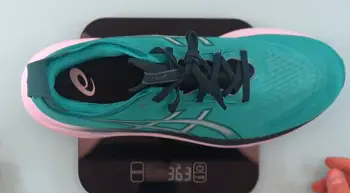
I ran both shoes on the same routes under similar conditions. On an easy eight-miler the Nimbus 28 made the pavement disappear.
Heel strikes landed soft, the transition stayed quiet, and my legs felt less taxed at the end. The Novablast 5 felt more alive on the same route.
Each step had a slight spring that kept the effort feeling light even when I stayed deliberately slow.
On a tempo session the difference widened. The Novablast encouraged me to hold the target pace with less mental effort.
The Nimbus required more conscious push because the foam simply did not return energy the same way.
For recovery runs the day after hard workouts the Nimbus became the clear favorite. Its protective nature helped my calves and feet feel better the next morning.
Fit differences also matter. The Novablast’s roomier forefoot worked well with my slightly wider feet, while the Nimbus offered a more wrapped, premium sensation that some runners prefer.
Both run true to size for me, though I recommend trying them on with the socks you actually train in.
Who Should Choose The Novablast 5?
If your week includes a mix of easy runs, longer efforts, and occasional faster work, the Novablast 5 covers more ground with one pair. Runners who like a lively feel underfoot, prefer lighter shoes, or want better value will find it the more practical choice. It suits neutral runners who land midfoot or slightly toward the forefoot especially well.
Who Should Choose The Gel Nimbus 28?
Choose the Nimbus if protection and plush comfort sit at the top of your priorities. Runners logging high weekly volume, those recovering from impact-related issues, or anyone who simply wants the softest possible easy-day experience will appreciate what it delivers. Heel strikers often notice the PureGEL benefit more clearly.
Also Read: Is Kenetrek Lineman Boots Worth It?
Frequently Asked Questions (FAQ)
It depends on your needs. The Novablast 5 is better for most runners because it is lighter, more versatile, and more fun across different paces. The Nimbus 28 is better if maximum protection on easy days is your main goal.
They value its deep cushioning, shock absorption, and stable neutral platform. The combination reduces impact stress on joints and soft tissue, which helps runners managing plantar fasciitis, general joint sensitivity, or high training loads.
Daily training that includes easy miles, long runs, and moderate tempo work. Its bounce and lower weight make it a strong one-shoe option for mixed weeks.
Neutral feet that need maximum cushioning. It works especially well for runners who want extra protection under the heel and forefoot without stability posting.
Final Thoughts
After logging serious miles in both, I keep the Novablast 5 as my primary daily trainer and reach for the Nimbus 28 when my legs need extra care.
You will probably land in a similar place once you match the shoe to how you actually train. The Novablast gives you more range and more enjoyment for less money.
The Nimbus delivers a specialized level of comfort that still earns its place in a well-rounded rotation.
Try both if you can, pay attention to how your legs feel the next day, and choose the pair that makes your next run something you look forward to rather than something you simply complete.
Recent Posts
If you enjoy creating personalized clothing, custom gifts, decorative home accessories, or small embroidery projects, a Poolin embroidery machine may be worth considering.Poolin offers...
Epi-Otic Advanced Ear Cleanser Reviews: Is It Worth Using for Your Dog?
If your dog frequently has dirty ears, unpleasant ear odors, or wax buildup, finding a gentle and effective ear cleaner can make a noticeable difference. Epi-Otic Advanced Ear Cleanser is...