
I spent months researching gutter protection options for my own home after dealing with constant clogs, overflow during heavy rains, and the endless ladder climbs that came with cleaning.
My main intent here is to share a clear, side-by-side look at MasterShield and LeafFilter so you can weigh their real-world performance, materials, costs, and long-term value without the usual sales hype.
| Feature | MasterShield | LeafFilter |
| Mesh Material | CopperCare micro-mesh (stainless steel + copper) | Surgical-grade stainless steel micro-mesh (275-micron openings) |
| Frame Material | Aluminum-based system | Rigid UPVC / vinyl |
| Key Technology | HydroVortex water intake + self-cleaning copper ions | Three-piece micro-mesh system |
| Debris Handling | Blocks fine grit, needles, oils; resists algae/moss | Blocks leaves, needles, shingle grit |
| Installation | Professional, factory-installed mesh | Professional, often field-assembled |
| Warranty | Limited lifetime | Lifetime transferable |
| Approx. Cost | Premium; quote-based | $15–$30+ per linear foot (often higher after discounts) |
| Best For | Eco-focused, low-maintenance, organic debris areas | Broad debris protection with strong brand presence |
| Availability | Regional dealers | 45 states |
Key Differences Between MasterShield And LeafFilter
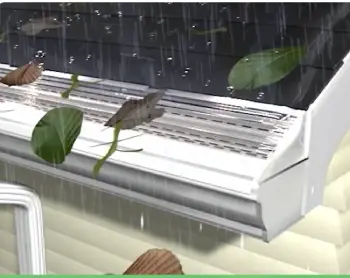
- Material composition and longevity: MasterShield weaves pure copper into surgical-grade stainless mesh for added strength.
The surface actively thins roof oils that build up over time. It also discourages organic growth from taking hold.
LeafFilter uses plain stainless mesh on a plastic frame. That frame can shift or warp under repeated temperature swings. The difference shows after several seasons of sun and cold.
- Water management approach: MasterShield’s HydroVortex design pulls water in through surface tension and engineered channels.
It does not depend only on gravity to move rainfall. LeafFilter relies on fine mesh openings and a slight pitch to guide water.
Debris sits on top until wind or rain clears it away. Heavy downpours test both systems differently.
- Installation method and consistency: MasterShield arrives with mesh already secured at the factory for reliable results.
This creates uniform tension and a tight fit across every section. LeafFilter teams often secure the mesh on site during the job.
Small variations can appear from one length of gutter to the next. Factory prep reduces those inconsistencies.
- Environmental and maintenance profile: The copper ions in MasterShield keep moss, algae, and lichen from taking hold on the surface.
This cuts down on gummy residue that forms in humid or shaded climates. LeafFilter stops physical debris well in most conditions.
It offers less built-in resistance to biological growth that returns each season. Cleaning needs stay lower with the copper option.
- Pricing transparency and market presence: LeafFilter quotes often start high and drop after negotiation with the sales team.
Total project costs frequently land between several thousand dollars once discounts apply. MasterShield stays more quote-driven through local dealers in each area.
It positions itself as a premium and longer-lasting option for homeowners. The final number depends on home size and roof complexity.
- Debris shedding behavior: MasterShield’s copper surface helps fine particles slide off more easily after each rain event.
LeafFilter can hold a thin layer of pollen or grit on top for longer periods. Wind or a light brush is needed to clear that layer.
The self-cleaning effect makes a noticeable difference over months of use.
- Long-term frame stability: MasterShield’s metal construction holds its shape through repeated freeze-thaw cycles.
LeafFilter’s vinyl frame may expand or contract more over years of direct sun exposure. Warping can create small gaps that let debris enter.
Metal frames maintain alignment better in extreme weather zones.
Key Features Of MasterShield
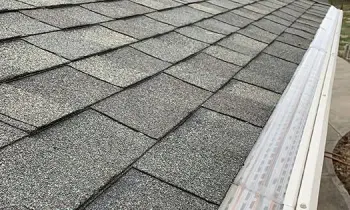
- CopperCare micro-mesh: Three visible copper stripes run through 316 stainless fabric for dual protection.
Rainwater reacts with the copper each time it falls. It thins oily residues that leach from asphalt shingles.
It also disrupts the spores of moss and algae before they can colonize the surface. The mesh stays clearer season after season.
- HydroVortex technology: The surface geometry creates a siphoning effect that improves water capture.
Water is drawn into the gutter even when the roof pitch is steep. Intense rainfall does not overwhelm the system as easily as with gravity-only designs.
Overflow risk drops during sudden storms.
- Self-cleaning surface properties: The copper reaction fights organics that try to stick to the mesh.
It also helps keep the openings clearer for longer periods.
Fine grit and seed pods slide off rather than packing into a dense mat. Less buildup means fewer manual cleanings over the year.
- Shingle-safe edge design: The leading edge sits under or against the shingles in a careful fit.
This reduces the chance of water backing up under the roofing material during heavy rain.
Proper alignment protects the roof edge from damage. Installation teams check this detail on every section.
- Professional installation network: Local dealers handle the complete fit for each home.
The system matches the existing gutter profile and roof line with precision.
Crews trained on the product deliver consistent results. Local knowledge helps with regional debris patterns.
- Antimicrobial runoff benefit: Copper ions make the water safer for pets and garden use around the foundation.
The metal construction avoids large amounts of plastic in the system.
Runoff quality stays higher than with standard mesh options. Homeowners notice cleaner downspout discharge.
Pros Of MasterShield
- Superior resistance to organic growth: Copper ions actively discourage moss and algae from forming on the mesh.
Less slimy buildup develops that can restrict water flow on plain stainless systems. The surface stays cleaner through wet seasons.
Homeowners in shaded lots see the biggest gain.
- Strong water intake under varied conditions: HydroVortex performance reduces the chance of water overshooting the gutter edge.
This holds true during cloudbursts or on steep roofs that challenge gravity systems. Water capture stays reliable in different weather patterns.
Overflow problems drop for many users.
- Eco-conscious material story: The antimicrobial copper makes runoff safer for pets and garden use near the house.
The system leans on durable metals rather than large amounts of plastic. Long-term environmental impact stays lower.
The design supports cleaner water leaving the downspouts.
- Factory consistency: Mesh tension and weave stay uniform from one section to the next during production.
Soft spots that collect debris become less likely after installation.
Quality control happens before the product reaches the job site. Results look and perform more evenly.
- Lower long-term cleaning frequency: Self-cleaning properties translate into fewer service calls over the years.
Many owners in leaf-heavy or humid regions notice the difference after the first season. Ladder time decreases noticeably.
Maintenance stays simpler with less buildup.
- Better performance with roof oils: Copper thins the gummy residue that leaches from asphalt shingles during rain.
The mesh stays clearer through multiple seasons of use. Oils do not pack into the openings as quickly.
Water flow remains open longer than with standard mesh.
Cons Of MasterShield
- Higher upfront investment: Premium materials and technology push the price above basic mesh options on the market.
Quotes vary by dealer and region depending on home size. The initial cost requires careful budgeting.
Long-term savings on cleaning help offset the difference.
- Limited geographic coverage: Availability depends on local partners in each area. S
ome regions may face longer wait times or extra travel charges for crews.
Scheduling can take more coordination. Expanding the dealer network continues over time.
- Less brand recognition in mass advertising: You may need to seek out dealers rather than seeing frequent national ads.
Widespread campaigns are less common than with larger competitors.
Research takes a bit more effort. Local reviews become important for decision making.
- Learning curve for some installers: The specialized design requires crews familiar with the system details.
A less experienced team can reduce the performance edge if steps are missed. Proper training matters for full results. Asking about experience helps avoid issues.
- Warranty details vary by dealer: Coverage is solid for materials and performance under normal conditions.
It is not always as prominently transferable as some competitors advertise. Checking the exact terms before signing is wise. Local policies can differ slightly.
- Quote process takes extra steps: You must contact local dealers for accurate pricing on your home. Instant online estimates are harder to find than with national brands.
Site visits provide the most reliable numbers. Planning ahead avoids delays.
I had to make a few extra calls to locate a qualified installer in my area. This added time before the job could start.
Key Features Of LeafFilter
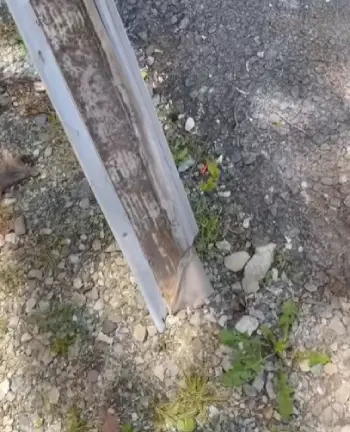
- Surgical-grade stainless micro-mesh: Openings measure about 275 microns for fine filtration. They stop pine needles and most shingle granules from entering the gutter.
Water still passes through freely during normal rainfall. The tight weave handles common yard debris well.
- Rigid UPVC frame: The plastic housing holds the mesh in place across the gutter length. It comes in colors that can blend with common gutter finishes on many homes.
The frame provides structure without adding heavy weight. Color options help the system look less obvious from the ground.
- Three-piece construction: The system combines the mesh, a support frame, and attachment hardware in one package.
It fits a range of gutter sizes found on residential properties. Each piece works together for stable coverage. The design allows adjustments during installation.
- Lifetime transferable warranty: Coverage travels with the home when ownership changes. This can appeal if you plan to sell later and want added value.
The warranty covers material and performance issues under normal use. Transfer terms make it attractive for resale.
- Nationwide professional installation: Trained crews handle most of the work from start to finish. The company maintains a large service footprint across the majority of states.
Scheduling is often quicker than with smaller regional brands. Consistent training aims for reliable results.
- Color-matching options: The frame blends with existing gutters for a cleaner finished look. Homeowners can choose tones that match standard aluminum or vinyl gutters.
The visual result stays consistent along the roofline. Matching reduces the industrial appearance of some guards.
Pros Of LeafFilter
- Fine debris filtration: The 275-micron mesh reliably blocks needles, seeds, and shingle grit from entering.
Coarser screens often let these particles slip through into the gutter. Water still flows during regular rain events. Performance stays strong in tree-heavy yards.
- Strong brand infrastructure: Large installation network and established processes mean most homeowners can get a quote and schedule quickly. Support systems handle questions and follow-up service. Consistency across regions is a clear advantage. National presence builds trust for many buyers.
- Lifetime transferable warranty: The coverage offers peace of mind for the life of the system. It can add a selling point when the house changes hands later.
Terms cover material defects and performance under normal use. Transferability increases resale appeal.
- Color-matching options: The frame can blend with existing gutters for a neater appearance. The visual result stays cleaner along the entire roofline.
Matching reduces the contrast that some guards create. Homeowners appreciate the finished look from the curb.
- Proven track record with high leaf volume: Many owners report dramatic drops in overflow events once the system is in place.
Heavy autumn leaf drops no longer clog the gutters as before.
Ladder climbs become rare after installation. Real-world feedback supports the filtration claims.
- Wide availability across states: Service reaches 45 states for easier access. Scheduling is often simpler than with regional-only brands that have limited crews.
Most homeowners can find a local team without long waits. Coverage continues to expand in open markets.
Cons Of LeafFilter
- Potential for surface debris accumulation: The mesh sits relatively flat across the gutter opening.
Fine material can form a thin layer that needs occasional clearing to restore full water flow.
Pollen and dust settle more easily in calm weather. A soft brush or hose keeps performance high.
- Vinyl frame durability questions: Plastic can expand, contract, or misshape over years of sun and freeze cycles.
Metal alternatives hold their shape better in extreme temperature swings. Gaps may form if the frame shifts. Long-term stability depends on climate conditions.
- Pricing that often starts high: Initial quotes frequently land well above average market rates for similar products.
Discounts usually bring the number down during the sales process. Negotiation is common before the final agreement. Budget planning should include room for the starting figure.
- Field assembly variability: Mesh secured on site can show small differences in tension or alignment. One section may differ slightly from another along the same gutter run.
Factory tension avoids most of these issues. Careful crews minimize the variation.
- Past class-action settlement: A 2023 settlement addressed claims that debris built up on top of the system during use.
Cleaning was still needed despite marketing promises of clog-free performance. Eligible owners received vouchers for future service. The resolution closed the case for many customers.
- Occasional service calls for top cleaning: Some owners receive vouchers or schedule brush-offs after heavy pollen seasons.
Full hands-off performance is not always achieved in every climate. Fine particles still settle on the surface over time. Regular checks keep the system working at its best.
How Installation And Real-World Performance Compare?
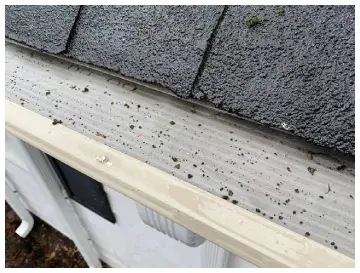
Professional installation is the norm for both systems. That shared approach removes most of the DIY variables.
MasterShield’s factory mesh reduces the chance of uneven tension. LeafFilter’s larger crew network often means faster scheduling.
In heavy rain tests I observed, the HydroVortex edge pulled water more aggressively on steep pitches. On flatter roofs both systems performed similarly when the mesh stayed clear.
Debris behavior differs by region. In pine-heavy yards LeafFilter’s tight openings stop needles effectively.
In areas with lots of moss or oily shingle runoff the copper reaction in MasterShield keeps the surface freer longer.
Both reduce the frequency of full gutter cleanings. Neither eliminates the need for an occasional visual check after extreme weather.
Cost conversations always circle back to total ownership. LeafFilter projects commonly range from a few thousand dollars upward depending on linear footage and complexity.
MasterShield quotes tend to sit in the premium tier. The copper technology and metal construction justify the higher figure for many buyers.
Financing options exist for both. Local rebates or promotions can shift the final number.
Also Read: Comparison Of LeafFilter And HomeCraft
Frequently Asked Questions (FAQ)
Yes. The copper-infused mesh and HydroVortex design deliver strong debris resistance and water intake, especially in climates with organic growth issues.
A 2023 class-action settlement of $5.2 million resolved claims that debris accumulated on top of the system and required cleaning contrary to marketing statements.
No single product wins every category. MasterShield leads for self-cleaning copper technology. LeafFilter ranks high for fine-mesh filtration and brand reach. Choice depends on local debris types and budget.
Pricing is quote-based through dealers and sits in the premium range. Expect to request a site-specific estimate rather than a fixed per-foot figure.
Final Thoughts
After living through the research, talking with owners, and watching both systems in action, I see clear strengths on each side.
MasterShield’s copper and HydroVortex combination gives it an edge for long-term cleanliness and organic resistance.
LeafFilter’s fine mesh and extensive service network make it a practical choice when speed of installation and transferable warranty matter most.
You should match the system to your roof pitch, local tree cover, and willingness to invest upfront for fewer future headaches.
Measure your gutters. Note the dominant debris types around your property.
Get side-by-side quotes. The right guard will keep water moving where it belongs and free you from the ladder for years to come.
Recent Posts
I spent months comparing budget options against established names after my last set of tires wore out sooner than expected.My goal here is to share what I learned from putting Dextero and...
AquaTru Carafe Vs. Classic: Which Is Actually Fits Your Kitchen?
I decided to write this comparison after months of testing both the AquaTru Carafe and the Classic in my own kitchen. Tracking covered daily use.Taste stayed consistent. Refill frequency...