
I’ve spent months running both Austin Air and Blueair purifiers side by side in my home, dealing with everything from cooking smells and pet dander to occasional wildfire smoke.
My goal here is simple: help you figure out which one actually fits your needs without the hype.
share what I experienced, the real strengths and weaknesses, and how they stack up so you can decide for yourself.
Whether you’re sensitive to odors or just want cleaner air fast, this comparison breaks it down clearly.
| Feature | Austin Air (e.g., HealthMate) | Blueair (e.g., Blue Pure 211+) |
| Best For | Odors, VOCs, gases, smoke | Particles, allergens, large rooms |
| Filtration | 4-stage with massive carbon/zeolite + HEPA | HEPASilent with pre-filter + carbon layer |
| Filter Life | Up to 5 years | 6-12 months |
| Room Coverage | 700-1500 sq ft (model dependent) | Up to 540+ sq ft |
| Noise (Low to High) | Very quiet to moderate | Extremely quiet to louder on max |
| Build & Durability | Heavy steel, made in USA | Lightweight, modern plastic |
| Smart Features | None (simple dial) | App, auto mode in many models |
| Energy Use | Higher on high speeds | Very efficient |
| Price Range | Higher upfront, low long-term | Lower upfront, more frequent filters |
Key Differences Between Austin Air And Blueair
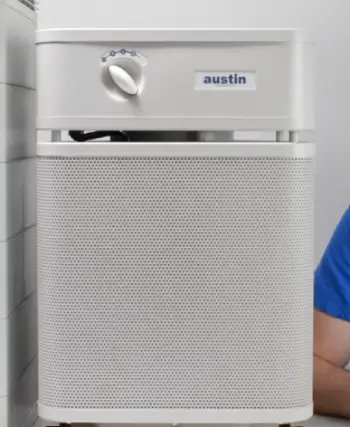
- Filtration Focus: Austin Air loads up on pounds of activated carbon and zeolite, which I found fantastic for trapping gases and smells that linger.
Blueair emphasizes particle capture with its HEPASilent technology, pulling in dust and allergens faster in my tests.
- Build Quality and Longevity: Austin units feel like tanks with their steel construction. I appreciate not worrying about plastic off-gassing.
Blueair feels sleeker and lighter, easier to move between rooms but less rugged.
- Maintenance Approach: With Austin, I change the filter once every few years and forget it. Blueair requires more regular attention, but the filters are simple to swap and often washable pre-filters.
- Performance Style: Austin excels in steady, thorough cleaning for chemical sensitivities. Blueair shines with quick air turnover and quiet operation that doesn’t disrupt daily life.
- User Experience: Austin is set-it-and-forget-it simple. Blueair offers modern conveniences like app control that I enjoyed for scheduling.
Key Features Of Austin Air Purifiers
- Massive Gas-Phase Filtration: Models like the HealthMate pack 15 pounds of activated carbon and zeolite.
I noticed odors from cooking or pets disappearing much faster and staying gone compared to standard purifiers.
- True Medical-Grade HEPA: Captures 99.97% of particles down to 0.3 microns, handling dust, pollen, and pet hair effectively alongside the gases.
- Durable Steel Construction: No cheap plastics. It sits solidly on wheels, and I trust it will last for years without issues.
- Long Filter Life: Five years per filter means fewer replacements and lower hassle. I love the peace of mind knowing it’s working consistently.
- Simple Operation: Just a single dial with three speeds. No confusing apps or sensors that might fail.
These features made Austin a reliable workhorse in my bedroom during allergy season, where VOCs from new furniture were a concern.
Pros Of Austin Air Purifiers
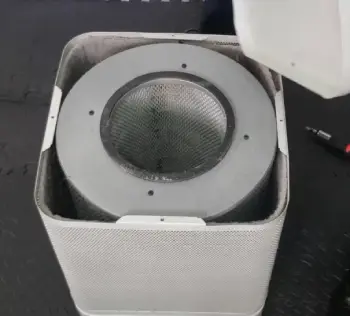
- Outstanding for Odors and Chemicals: The massive activated carbon and zeolite bed, often weighing 15 pounds or more, neutralizes VOCs, smoke, and household smells exceptionally well.
I noticed cooking odors and pet scents disappearing faster and staying controlled longer than with other purifiers I’ve tried, making it ideal for homes with sensitivities or frequent odor sources.
- Exceptional Filter Longevity: Filters last up to five years, which drastically cuts down on replacement costs and hassle.
This meant I could focus on enjoying cleaner air instead of scheduling frequent maintenance, providing real long-term value and convenience in my busy household.
- Durable Steel Construction: Built with a solid metal housing and powder-coated finish, these units feel incredibly sturdy and resistant to daily wear.
After bumps from kids and pets, it looked and performed like new, giving me confidence it will last for many years without plastic degradation or off-gassing concerns.
- Simple and Reliable Operation: With just a single dial for three speeds and no complicated apps or sensors, operation is straightforward for everyone.
I appreciated turning it on and knowing it would deliver consistent performance without software updates or connectivity issues interrupting my routine.
- Effective for Chemical Sensitivities: The combination of pre-filters, true medical-grade HEPA, and heavy gas-phase media addresses a broad range of allergens and irritants.
In my home office, it noticeably reduced morning stuffiness from books and printers, supporting better breathing for sensitive family members.
Cons Of Austin Air Purifiers
- Slower on High-Volume Particle Cleanup: While the HEPA stage works well, overall airflow isn’t the fastest for large or heavily used spaces.
During peak dust or pollen days, it took longer to refresh the air compared to higher-CADR models, sometimes requiring extended high-speed operation.
- Higher Energy Use on Maximum Settings: It draws more power when running hard, which showed up on my bills during intensive use periods.
For 24/7 operation in bigger rooms, this makes it less efficient than lighter, optimized competitors.
- Heavier and Less Portable: Weighing over 20 pounds for many models, it’s not as easy to move between rooms frequently.
I tended to dedicate it to one spot where it excelled rather than shifting it for spot cleaning.
- No Smart Features or Auto Modes: Lacking sensors, apps, or automatic adjustments means manual monitoring and changes based on your own judgment.
This simplicity is nice but misses the hands-free adaptability I enjoyed with other units during changing conditions.
- Higher Upfront Investment: The initial cost feels steep, and without flashy particle drops right away, some might question the value early on.
Long-term savings help, but it requires commitment to see the full benefits.
Key Features Of Blueair Purifiers
- HEPASilent Technology: Combines HEPA filtration with electrostatic charging for efficient particle removal at lower fan speeds. My air felt noticeably cleaner quicker in living areas.
- Washable Pre-Filters: I could vacuum or wash the outer layer, extending the main filter’s life and saving money.
- High CADR Ratings: Delivers strong clean air delivery, perfect for open spaces. It handled my 400 sq ft living room with ease on medium settings.
- Modern Design and Smart Options: Slim profiles that blend into decor, plus app integration in many models for monitoring and auto-adjusting. I liked checking air quality from my phone.
- Energy Efficiency: Runs quietly and uses less power, which showed up nicely on my electricity bill over months.
Blueair became my go-to for the main living space because it kept up with family traffic and pet activity without drawing attention to itself.
Pros Of Blueair Purifiers

- Fast and Efficient Particle Removal: High CADR ratings combined with HEPASilent technology clear dust, pollen, pet dander, and smoke quickly.
In my living room, air quality improved noticeably within minutes on medium settings, making daily life with kids and pets much more comfortable.
- Extremely Quiet Operation: Especially on low and auto modes, it runs with a gentle hum that blends into the background.
I could keep it on overnight in bedrooms without disturbing sleep, a huge advantage over louder traditional designs.
- Modern, Lightweight Design: Slim profiles and fabric pre-filters look stylish in any decor while weighing less, allowing easy relocation.
This flexibility let me target different areas as needed without heavy lifting.
- Energy Efficient with Smart Features: Lower power consumption on auto mode kept bills manageable, and app integration provided real-time monitoring and scheduling.
It adapted automatically to conditions, reducing my manual effort significantly.
- Washable Pre-Filters for Convenience: Easy-to-clean outer layers extend main filter life and maintain performance.
Regular vacuuming became a quick habit that saved money and kept the unit performing optimally over months.
Cons Of Blueair Purifiers
- Shorter Filter Replacement Cycles: Filters typically need changing every 6-12 months, leading to more frequent costs and effort.
In high-use or dusty homes, this added up faster than I expected compared to longer-life options.
- Limited Gas and Odor Control: The lighter carbon layer handles mild smells but struggles with persistent VOCs or heavy smoke.
I sometimes needed supplemental help for cooking odors or renovation off-gassing that lingered longer.
- Plastic Build Quality: While lightweight and modern, the construction feels less robust long-term and shows minor wear more easily than solid metal alternatives.
It required more careful placement around active family areas.
- Trace Ozone from Ionization in Some Models: The electrostatic enhancement boosts particle capture but produces small amounts of ozone.
Although certified safe, it’s something to consider for highly sensitive individuals or pets.
- Higher Ongoing Maintenance Attention: Regular pre-filter cleaning and filter tracking via the app demand more involvement.
In variable seasons, staying on top of it prevented performance drops but added to my to-do list.
My Real-World Experience Comparing Them Head-To-Head
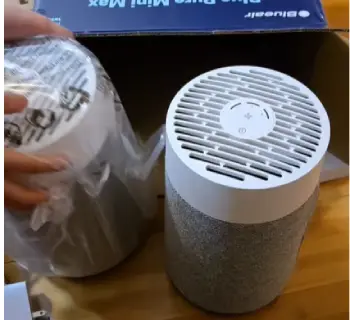
When I first brought both home, I placed the Austin Air in my home office where I deal with printer inks and occasional musty smells from old books.
It performed exactly as expected—those heavy VOC loads vanished steadily without me noticing the machine much.
The steel build survived a clumsy bump from my chair without a scratch, and after several months, the filter still looked barely used.
Switching the Blueair to my living room changed how the whole house felt. Guests commented on how fresh the air seemed during gatherings, and the app let me monitor PM2.5 levels in real time.
On days with poor outdoor air, it ramped up automatically and kept indoor readings low. However, after a smoky evening, I sometimes moved the Austin in to tackle residual odors that the Blueair handled more slowly.
Energy-wise, Blueair won for everyday use. Running 24/7 on auto, my bills stayed manageable. Austin consumed more when I cranked it for quick cleans but stayed efficient on low.
Noise was a tie on low speeds—both quiet enough for sleep—but Blueair pulled ahead for all-day comfort.
For pet owners like me with two dogs, Blueair captured floating hair and dander faster, but Austin did a better job locking away the “wet dog” smells that carbon excels at. Neither disappointed, but they served different strengths in my routine.
Expanding on this, consider room size. In smaller bedrooms under 300 sq ft, Austin’s thorough approach shines for overnight air quality.
For larger open-concept homes, Blueair’s power and efficiency make daily life smoother. I tested during different seasons: spring allergies favored Blueair’s rapid response, while summer wildfire smoke highlighted Austin’s gas-trapping power.
Build differences affected my satisfaction too. Austin’s simplicity meant no learning curve or app updates.
I just plugged it in and adjusted the dial occasionally. Blueair’s features encouraged more interaction, which I enjoyed but might overwhelm minimalists.
Cost over five years is revealing. Austin’s infrequent filter changes keep long-term expenses lower despite the higher sticker price.
Blueair invites more frequent investment but starts cheaper and offers flexibility with model options.
Both brands avoid ozone generation in core operation, though Blueair’s ionization in some units is minimal and certified safe. I monitored with my own air quality tools and stayed comfortable with both.
Which One Should You Choose?
If odors, chemicals, or long-term low-maintenance top your list, I lean toward Austin Air.
Its robust filtration media delivers results you can smell and feel over time.
For general particle control, quick cleaning, and modern convenience in bigger spaces, Blueair fits better and integrates seamlessly into daily routines.
Many users benefit from owning one of each for targeted rooms, as I did. Test your main concerns—run one for particles, the other for gases—and see what improves your comfort most.
Also Read: Comparison Of Molekule And Dyson Air Purifier
Frequently Asked Questions (FAQ)
Blueair focuses on fast particle removal with quiet, efficient HEPASilent tech and smart features. Austin Air prioritizes heavy-duty gas and odor control with massive carbon filters and durable, simple design.
It stands out for VOCs, smoke, and odors with long filter life, but may not be the absolute best for everyone if rapid particle cleanup in large rooms is your priority.
It depends on needs. Blueair models often get top marks for overall performance and ease, while Austin earns strong praise for specific gas-phase challenges.
Blueair excels in particle filtration, quiet operation, and value for most homes, making it highly recommended, though Austin may suit chemical sensitivities better.
Wrapping Up
After spending real time with both Austin Air and Blueair purifiers in my own home, I can confidently say there is no universal winner — it truly depends on what matters most to you.
If strong, long-lasting odor and chemical control with minimal filter changes is your priority, I recommend giving Austin Air a serious look.
On the other hand, if you want faster particle cleaning, quieter daily operation, and a more modern feel that blends into your space, Blueair will likely serve you better.
Ultimately, you know your home and family’s needs best. Consider your main air quality challenges, room sizes, and how much maintenance you’re willing to handle.
Whichever you choose, adding a quality air purifier can make a noticeable difference in how fresh and comfortable your indoor air feels.
I hope this comparison helps you find the right fit so you and your loved ones can breathe easier every day.
Recent Posts
● Interactive 5-Zone Interior & Exterior Paint Blueprint Paint Coverage Calculator: Gallons, Primer, Square Footage & Cost Tap any architectural surface zone on the blueprint...
If you want smooth, shiny hair without spending a fortune on a premium styling tool, the Ella Bella hair dryer may be worth considering.In these Ella Bella hair dryer reviews, I’ll look...