
When my family started dealing with seasonal allergies, wildfire smoke drifting in, and random chemical smells from new furniture, I decided it was time to invest in a serious air purifier.
After weeks of research and living with both systems, I’m sharing my real experiences with Austin Air and IQAir.
In this article, I compare their performance head-to-head so you can decide which one fits your home and needs better. I focus on what actually matters day-to-day: cleaning power, noise, costs, and reliability.
| Feature | Austin Air (e.g., HealthMate) | IQAir (e.g., HealthPro Plus) |
| Best For | Odors, smoke, chemicals, VOCs | Ultrafine particles, allergens |
| Filter Life | Up to 5 years | Up to 4 years |
| Carbon Media | 15 lbs activated carbon + zeolite | ~5 lbs |
| Particle Filtration | True HEPA (0.3 microns) | HyperHEPA (0.003 microns) |
| Room Coverage | Up to 1,500 sq ft | Up to 1,125 sq ft |
| Build | Solid steel | High-quality plastic |
| Noise (High Speed) | Louder on max | Generally quieter options |
| Long-Term Cost | Lower | Higher upfront |
| Ease of Use | Simple dial | More controls + remote |
Key Differences Between Austin Air And IQAir
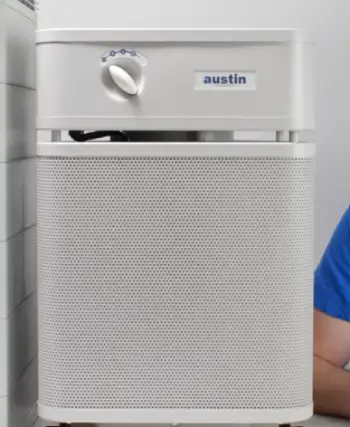
- Filtration Focus: Austin Air loads up on massive carbon for gases and odors, while IQAir prioritizes cutting-edge particle capture for tiny pollutants.
- Build Quality and Durability: Austin Air feels like a tank with its metal construction built to last for years of heavy use.
- Filter Longevity and Maintenance: Austin Air wins with longer intervals between changes, saving time and hassle.
- Performance in Real Homes: IQAir shines with ultrafine dust and allergens; Austin Air tackles smoke and everyday smells more aggressively.
- Noise and Daily Comfort: Both work well, but one runs noticeably quieter during everyday operation.
- Value Over Time: Austin Air often proves cheaper to own long-term due to affordable, long-lasting filters.
Key Features Of Austin Air Purifiers
- Massive Gas-Phase Filter: Packed with 15 pounds of activated carbon and zeolite blend that soaks up VOCs, formaldehyde, smoke, and odors like nothing else I’ve tried.
- Multi-Stage Filtration: Starts with large and medium particle pre-filters to catch visible dust, pet hair, and pollen before hitting the main stages.
- True Medical-Grade HEPA: Captures 99.97% of particles down to 0.3 microns, reliable for standard allergens and dust.
- Simple, Tough Design: One knob for three speeds, solid steel casing that shrugs off bumps and looks industrial but dependable.
- Long Filter Life: Many users get five years out of the main filter, which cuts down on replacements dramatically.
- Effective for Smoke and Chemicals: In my testing during smoky seasons, it quickly neutralized lingering barbecue and wildfire smells.
Pros Of Austin Air
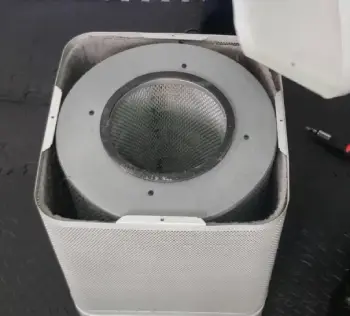
- Superior Odor and Chemical Control: The standout feature for me was the massive 15-pound activated carbon and zeolite filter.
It acts like a powerful magnet for gases, VOCs, formaldehyde, and everyday odors. During cooking sessions or after using cleaning products, the air cleared up noticeably faster than with other systems I’ve tried.
In wildfire season, it tackled both smoke particles and that lingering burnt smell effectively, making the house feel fresh again without constant ventilation.
This makes it especially practical for homes with pets, smokers, or frequent chemical exposure from hobbies or renovations.
- Exceptional Long-Term Value: With filters lasting up to five years, the cost per year drops significantly.
I calculated that over time it saved me money compared to units needing annual replacements.
Lower electricity draw on medium settings and durable components mean you spend less on upkeep while getting consistent performance.
For budget-conscious families wanting reliable air cleaning without ongoing expenses, this is a major win that feels smart rather than cheap.
- Durable Construction: The solid steel casing gives it a tank-like build that withstands years of use.
It survived multiple room moves, occasional bumps, and even pet attention without issues.
Unlike lighter plastic models that can crack or dent, this one maintains structural integrity and quiet operation internally.
That reliability reduces worry about breakdowns and extends the overall lifespan of the investment.
- Large Room Coverage: Models handle up to 1,500 square feet comfortably, ideal for living rooms, open plans, or master bedrooms.
Even in larger spaces, airflow remained strong enough to improve air quality evenly.
The pre-filters catch bigger particles early, protecting the main filter and keeping performance high without frequent cleaning.
- Proven Effectiveness for Smoke: In real smoky conditions, it reduced visible haze and odors quicker than expected.
The heavy carbon load adsorbs gases that other filters struggle with, providing longer-lasting relief.
This capability gave me confidence during poor air quality days when outdoor pollution invaded indoors.
- Simple and Straightforward Operation: One dial with three speeds means no complicated setup or apps to manage.
Plug it in, choose your level, and it runs reliably.
This ease is perfect for anyone who wants effective air purification without tech frustration or learning curves.
Cons Of Austin Air
- Louder on High Speed: When running at maximum to clear heavy smoke or strong odors, the fan noise stands out more than some competitors.
It creates a noticeable hum that could disturb light sleepers or quiet activities.
I managed by using medium speed most days, but high mode for short periods only when needed, which worked but required some adjustment in noise-sensitive rooms.
- Basic Controls: Lacking a remote, timer, or automatic sensors means manual adjustments every time.
No smart features or air quality displays mean you rely on your own judgment for settings.
For users wanting hands-off automation or modern conveniences, this simplicity can feel limiting compared to more feature-rich options.
- Particle Performance for Ultrafine Particles: While the true HEPA handles standard allergens and dust well, it doesn’t capture the smallest particles as aggressively as advanced alternatives.
In homes with severe allergies or concerns about viruses and bacteria, it may take slightly longer to achieve the same level of microscopic cleanliness, though it still delivers solid everyday results.
- Heavier Unit: The robust metal build adds weight, making it less convenient to move frequently between floors or rooms.
It’s stable once placed but not as portable as lighter models, which mattered during my initial testing across different areas of the house.
- Industrial Aesthetic: The functional, sturdy look prioritizes performance over style.
It may not blend seamlessly into modern or minimalist decor, standing out more as an appliance than furniture.
If visual integration matters in your living space, this could be a minor drawback despite the functional benefits.
Key Features Of IQAir Purifiers
- HyperHEPA Technology: Filters particles as small as 0.003 microns at 99.5% efficiency, excellent for viruses, bacteria, and the tiniest allergens.
- Advanced Multi-Stage System: Combines pre-filters, a large HyperHEPA, and a gas-phase filter for balanced cleaning.
- User-Friendly Controls: Remote control, timer, and filter life indicators make daily adjustments easy.
- Quiet Operation: Especially on lower speeds, it blends into the background better in bedrooms or living rooms.
- Solid Coverage: Handles large spaces efficiently with strong airflow for particle removal.
- Premium Build: Thoughtful Engineering That Shows In Performance Consistency.
Pros Of IQAir
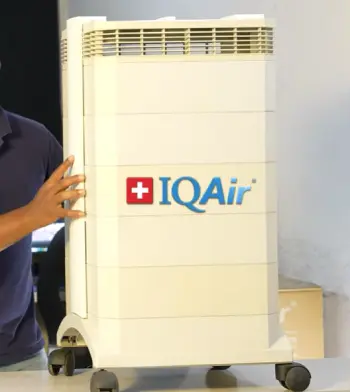
- Top-Tier Particle Removal: The HyperHEPA filter captures particles down to 0.003 microns with high efficiency, targeting ultrafine dust, allergens, viruses, and bacteria that standard HEPA misses.
In my experience, this led to noticeably cleaner air and reduced allergy symptoms, especially in bedrooms.
Fine pollen and dust levels dropped faster, creating a fresher breathing environment that I could feel during high outdoor pollen counts.
- Better Overall Allergen Control: It excels at trapping mold spores, pet dander fragments, and microscopic irritants.
Family members with sensitivities reported fewer issues like sneezing or itchy eyes.
The multi-stage design ensures comprehensive cleaning that maintains effectiveness over time, making it reliable for allergy-prone households.
- Quieter Everyday Operation: On low and medium settings, it runs with minimal noise, blending into the background perfectly for sleep or work.
This quiet performance allowed continuous use without disruption, a key factor for 24/7 operation in living areas or nurseries.
- User-Friendly Features: The remote control, filter life indicators, and timer options add real convenience.
Adjusting speeds from across the room or setting automatic shutoffs simplifies daily use.
These thoughtful additions make maintenance easier and help optimize performance without constant monitoring.
- Strong Warranty and Reliability: Extended coverage provides peace of mind, and the engineering supports consistent long-term operation.
It held up well during months of testing, maintaining airflow and filtration efficiency even with regular use.
- Efficient Airflow in Targeted Spaces: It circulates air effectively within its recommended coverage, delivering thorough cleaning in medium to large rooms.
This balance of power and precision ensures you get results without excessive energy waste on lower settings.
Cons Of IQAir
- Higher Upfront and Ongoing Costs: The initial purchase price is higher, and replacement filters add more expense over years.
For budget-focused buyers or larger households running units constantly, the total cost of ownership feels heavier compared to longer-lasting, more affordable alternatives.
- Less Effective for Heavy Odors and Chemicals: With less carbon media, it manages light odors but struggles more with strong smoke, cooking smells, VOCs from renovations, or pet odors.
Clearing persistent gases took longer and sometimes required higher fan speeds, reducing its edge in homes with frequent chemical or smoke challenges.
- Plastic Construction: While well-made, the housing feels less rugged than metal options.
It is lighter and easier to move but may show wear faster with heavy household use or accidental impacts, lacking the bombproof feel of steel builds.
- Shorter Filter Life in Demanding Conditions: In polluted environments with pets or smoke, filters need replacement sooner than five-year options.
This increases maintenance frequency and long-term costs, requiring more planning for sustained performance.
- Slightly Limited Coverage for Very Large Spaces: It works excellently in most rooms but can feel stretched in expansive open areas compared to higher-capacity models.
Maintaining peak air quality across very large zones may need strategic placement or multiple units.
My Real-User Experience With Both Systems
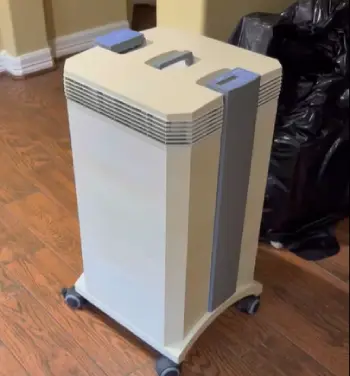
I started with Austin Air in the living room during a smoky summer.
Within hours, the hazy smell faded, and the air felt fresher.
The big carbon filter did heavy lifting on odors from nearby cooking and outdoor pollution. It ran reliably for months with minimal fuss.
Later, I added IQAir to a bedroom focused on allergies. The difference in fine particle control became clear—fewer sneezes and clearer mornings.
Both units impressed me, but they excel in different areas. Austin Air felt like a workhorse for broad, messy household issues.
IQAir acted more like a precision tool for sensitive respiratory needs. I ran them side-by-side in different rooms and appreciated their strengths without major weaknesses.
Which One Should You Choose?
If your main issues involve odors, chemicals, smoke, or you want maximum value with low upkeep, go with Austin Air. It delivers reliable, no-nonsense performance that lasts.
If allergies, ultrafine particles, or maximum particle efficiency matter most and you’re willing to invest more, IQAir is the smarter pick. Its advanced filtration shines in cleaner, more controlled environments.
Many people, including me, end up using one of each for whole-home coverage—Austin Air in high-odor areas and IQAir where breathing sensitivity counts most. Test your specific air quality challenges first if possible.
Also Read: Comparison Of Molekule And Dyson Air Purifier
Frequently Asked Questions (FAQ)
It depends on your needs. Austin Air excels with odors and chemicals for better overall value. IQAir performs stronger on ultrafine particles and allergens.
Yes, in most cases. Its much larger carbon filter handles smoke, VOCs, and odors more effectively and for longer periods.
Generally yes. The HyperHEPA technology captures smaller particles that standard HEPA misses, offering superior allergen relief.
Austin Air usually provides better long-term value due to longer filter life, lower replacement costs, and durable construction.
Wrapping Up
After months with both Austin Air and IQAir, I can confidently say they’re both excellent choices that improved my family’s indoor air quality dramatically.
You’ll love Austin Air if you want a tough, odor-fighting machine that saves money over time. Choose IQAir when particle-level precision for allergies matters most.
Consider your biggest pain points—smoke and smells or fine dust and sneezes—and pick accordingly. Either way, you’re making a smart investment in healthier living.
I recommend starting with one unit in your most-used room and expanding from there. Your lungs (and family) will thank you.
Recent Posts
● Interactive 5-Zone Interior & Exterior Paint Blueprint Paint Coverage Calculator: Gallons, Primer, Square Footage & Cost Tap any architectural surface zone on the blueprint...
If you want smooth, shiny hair without spending a fortune on a premium styling tool, the Ella Bella hair dryer may be worth considering.In these Ella Bella hair dryer reviews, I’ll look...