
I decided to write this article because I wanted a clear, practical breakdown of Barricade house wrap versus Tyvek so I could weigh real performance differences for my own projects and help others make smarter choices without the marketing noise.
My goal is to lay out the facts on strength, moisture control, durability, cost, and install experience so you can pick the wrap that actually fits your climate, budget, and timeline.
| Feature | Barricade House Wrap | Tyvek HomeWrap |
| Material Type | Cross-woven or non-woven polyolefin (often perforated or micro-porous versions) | Non-woven high-density polyethylene fibers |
| Water Resistance | Strong bulk water holdout; some versions pass high hydrostatic head tests | Excellent water holdout via microscopic pores; high hydrostatic performance |
| Vapor Permeability | Typically 11–16 US perms | Around 50–58 US perms |
| Tensile Strength | Higher (often 50–63 lbs/in MD) | Lower (around 30 lbs/in) |
| UV Exposure Rating | 9–12 months | About 4 months (120 days) |
| Air Resistance | High | High |
| Surfactant Resistance | Often good on premium versions | Generally lower |
| Transparency | Semi-transparent on many products | Opaque |
| Relative Cost | Lower | Higher |
| Drainage Options | Available with drainage plane versions | Standard sheet with optional drainage enhancements |
Understanding House Wrap Basics From A Practical Standpoint
When I first started looking at weather-resistive barriers, I realized both products exist to keep bulk water and air out of the wall assembly while letting water vapor escape so the framing and insulation can dry.
That balance matters more than brand loyalty. A house wrap sits behind the siding or cladding and acts as the secondary line of defense after the exterior finish.
If wind-driven rain sneaks past the siding or if air carries moisture inside, the wrap has to manage it without trapping it.
I approached this comparison the same way I approach any material decision on a build: look at how the product is made, how it behaves on site, and how it performs over years of exposure. Barricade and Tyvek take different manufacturing routes to reach similar goals, and those differences show up in strength, breathability, and price.
Key Differences Between Barricade And Tyvek
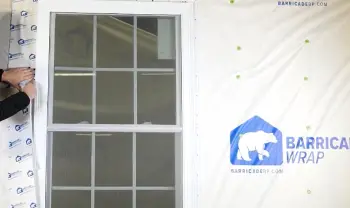
- Material construction and how it manages water and vapor: Barricade often uses a cross-woven polyolefin base that can be perforated or built with a micro-porous membrane.
The structure gives it solid tear resistance and in some lines a designed drainage path.
Tyvek spins continuous high-density polyethylene fibers into a non-woven sheet with millions of tiny pores.
Those pores block liquid water while allowing vapor to move freely.
- Strength and resistance to job-site abuse: Barricade typically posts higher tensile numbers which means it holds up better when wind tries to pull it off the wall or when a worker snags it with a tool.
Tyvek is strong enough for most residential work but can tear more easily around fasteners or in high winds if left exposed too long.
- UV tolerance and project timing flexibility: I pay attention to UV ratings because construction delays happen.
Barricade’s longer rating often nine to twelve months gives more breathing room if siding is postponed.
Tyvek’s shorter window means you need a tighter schedule or temporary protection.
- Visibility during installation: Many Barricade products are semi-transparent so I can still see the studs and sheathing seams.
That helps line up fasteners and catch framing issues early.
Tyvek is opaque so placement relies more on measuring and experience.
- Cost and availability: Barricade usually comes in at a lower price per square foot and is widely stocked.
Tyvek carries a premium that reflects its brand history and consistent performance data.
Key Features Of Barricade House Wrap
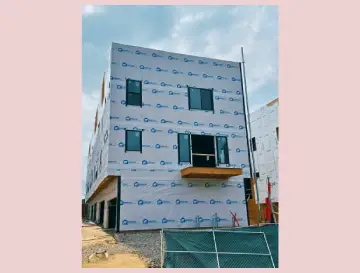
- Cross-woven or non-woven polyolefin construction with tear-stop design: The woven structure resists ripping even when a staple pulls or wind flaps the sheet.
I have seen it stay in place on windy sites where lighter wraps start to shred.
- Higher tensile strength ratings: Numbers in the fifty-plus pounds per inch range give confidence during installation and until the cladding goes on.
- Extended UV protection: Stabilizers allow longer outdoor exposure before degradation sets in.
That flexibility helps when weather or material delays push the schedule.
- Semi-transparent surface on many versions: Seeing the framing underneath reduces missed studs and makes layout faster.
- Options with built-in drainage patterns: Premium lines include surface textures that move water downward more effectively useful under stucco stone or fiber-cement where a drainage plane is required.
- Surfactant resistance on select products: Some formulations hold water better when exposed to wood sugars cleaners or certain cladding residues.
- Competitive pricing and wide roll sizes: Rolls come in common widths and lengths that match typical wall heights cutting waste.
- Code compliance and vapor permeability in the mid-range: Perm ratings around eleven to sixteen keep the wall able to dry while still blocking bulk water.
Pros Of Barricade House Wrap
- Higher physical durability on the job site: The elevated tensile strength means fewer tears from wind tools or accidental snags. I value that when the wrap has to sit exposed for weeks.
- Longer UV exposure window: Twelve-month ratings on some products reduce the risk of degradation if siding installation lags. That alone can save replacement cost and labor.
- Easier visual alignment during install: Semi-transparency lets me confirm fastener placement and framing layout without constant measuring.
- Lower material cost: The price difference adds up on larger homes or multi-unit projects. Savings can be redirected to better windows or insulation.
- Good drainage performance in premium versions: Textured surfaces move incidental water out of the wall cavity more effectively under certain claddings.
- Adequate vapor permeability without extreme openness: Mid-range perm ratings balance drying potential with reduced inward vapor drive in hot humid conditions.
- Cold-weather flexibility: Formulations that pass cold-bend tests stay workable in lower temperatures without cracking.
Cons Of Barricade House Wrap
- Perforated versions can show reduced water holdout under sustained pressure: Mechanical holes introduce potential paths for water if the coating or weave is stressed. Non-perforated lines avoid this issue but may cost more.
- Performance can vary across product lines: Basic builder-grade versions differ from premium drainage or high-performance membranes so reading the specific data sheet matters.
- Less brand recognition in some markets: Some inspectors or owners default to more familiar names which can create unnecessary questions.
- Potential for lower air resistance if seams are not carefully sealed: Like any house wrap improper overlapping or untaped joints reduce effectiveness.
- Availability of matching tapes and flashings may require checking stock: While compatible products exist the full accessory system is not always as widely promoted.
Key Features Of Tyvek House Wrap
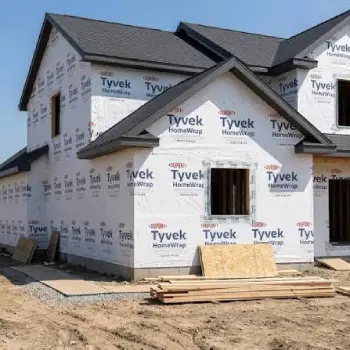
- Non-woven high-density polyethylene fiber web: The continuous fiber structure creates a uniform sheet without mechanical holes.
Water resistance comes from pore size rather than coatings or perforations.
- High vapor permeability: Ratings near fifty to fifty-eight perms allow walls to dry quickly when moisture does get inside.
That high breathability suits climates with large temperature swings.
- Strong water holdout under hydrostatic pressure: Independent tests show it can resist significant water columns without leaking which translates to good protection against wind-driven rain.
- Proven long-term field performance: Decades of use give a large body of real-world data on how it ages behind different claddings.
- Lightweight and flexible handling: The material conforms easily around corners windows and irregular framing without heavy wrinkling.
- Consistent air barrier qualities when seams are taped: Properly sealed it reduces air leakage that can carry moisture and waste energy.
- Compatibility with a full system of tapes and flashings: Matching accessories simplify detailing at penetrations.
Pros Of Tyvek House Wrap
- Excellent balance of water resistance and high vapor transmission: The non-woven structure blocks liquid water while allowing walls to dry rapidly. That combination has protected countless homes across varied climates.
- Uniform performance across the sheet: No reliance on punched holes means consistent behavior even if the surface is abraded lightly.
- Strong track record and wide professional acceptance: Most builders and inspectors recognize the product which can smooth the approval process.
- Good air barrier potential when detailed correctly: Taped seams create a continuous layer that cuts energy loss from air infiltration.
- Lightweight and easy to handle in most conditions: The material rolls out smoothly and cuts cleanly with a utility knife.
- Compatible with a mature ecosystem of tapes flashings and installation guides: Detailed instructions and matching products reduce guesswork at windows doors and penetrations.
Cons Of Tyvek House Wrap
- Lower tensile strength compared with some woven alternatives: It can tear more readily under high wind loads or rough handling requiring careful fastening and prompt cladding.
- Shorter UV exposure limit: Four months is usually enough for a well-scheduled job but delays force temporary covering or replacement of degraded sections.
- Higher material cost: The premium price is noticeable on larger projects and may not deliver proportional gains in every climate.
- Sensitivity to surfactants: Certain wood extractives detergents or cleaning residues can reduce water holdout over time if the surface is exposed to them.
- Opaque surface slows visual checks: Installers cannot see studs through the material so layout and fastening rely more on experience and measurement.
- High perm rating may allow more vapor movement than ideal in some assemblies: In hot-humid climates or walls with specific insulation strategies the high openness can increase inward vapor drive under solar heating.
How I Evaluate Performance In Real Conditions?
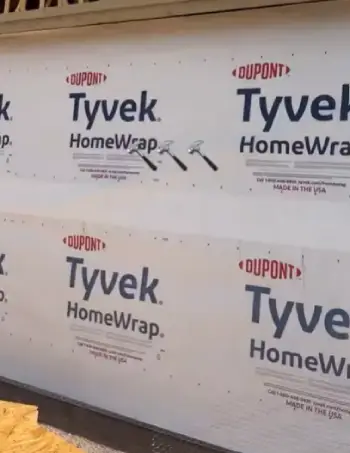
I look at four practical factors when choosing between these wraps. First is the expected exposure time before siding.
Longer UV ratings favor Barricade when schedules are uncertain. Second is the cladding type.
Stucco adhered stone or fiber cement often benefit from a dedicated drainage plane which some Barricade products supply. Third is climate.
High vapor permeability helps walls dry in mixed or cold climates giving Tyvek an edge in those zones while moderate permeability can limit solar-driven moisture in hot-humid areas. Fourth is budget and labor.
Lower material cost and easier visual installation with Barricade can reduce total installed cost.
Installation technique matters more than brand for both products. Horizontal seams must lap shingle-style vertical seams need tape or sufficient overlap and all penetrations require careful flashing.
Fasteners should hit framing members and the wrap must be free of large wrinkles that can trap water. I have seen both products perform well when detailed correctly and both fail when rushed or poorly sealed.
Durability after the cladding is on depends on the entire wall assembly. The wrap is only one layer. Sheathing type insulation strategy vapor control layers and cladding ventilation all influence long-term moisture balance.
Neither product is a magic shield both work best as part of a thoughtful system.
Cost And Value Considerations
Price per square foot is only part of the equation. I factor in waste from tears potential replacement after UV damage and labor time for careful fastening and taping.
Barricade’s lower sticker price and higher tear resistance can lower the installed cost on windy or delayed jobs.
Tyvek’s higher price buys a long performance history and high drying potential that some projects justify.
On a typical single-family home the difference might equal a few hundred dollars on larger projects the gap grows. I always calculate total installed cost rather than material cost alone.
Availability also affects value. Both products appear at major suppliers yet local stock can favor one brand.
Matching tapes and window flashings should be sourced at the same time to avoid compatibility questions later.
Installation Experience From A User Perspective
Rolling out either wrap is straightforward once the sheathing is complete. I start at the bottom and work upward maintaining proper overlaps.
With Barricade the semi-transparent quality lets me see framing members clearly which speeds fastening and reduces the chance of missing a stud. Tyvek requires more deliberate measurement or the use of layout marks.
Both materials cut easily but the higher-strength Barricade versions resist accidental tears when wind catches a loose edge. Sealing seams with compatible tape is critical for both untaped joints defeat the air and water barrier function.
Window and door openings demand extra attention. I integrate the wrap with flexible flashing so water drains outward rather than inward.
Corners and transitions to roof lines need the same care. Taking the time here pays off for years.
Also Read: Comparison Of Tyvek And Everbilt House Wrap
Frequently Asked Questions (FAQ)
Lower tensile strength can lead to tears in high wind UV rating limits exposure to about four months higher cost and sensitivity to some surfactants.
Barricade house wrap is a frequently chosen alternative that offers higher strength longer UV protection and lower cost while still meeting water and air resistance requirements.
Store-brand or generic wraps sold at big-box retailers are usually less expensive but often rely on perforations that can reduce water holdout compared with Tyvek’s non-woven structure performance varies by specific product.
Properly installed Tyvek resists bulk water penetration under normal wind-driven rain conditions leakage typically results from poor detailing damaged areas or extreme pressure beyond design limits.
Wrapping Up
After weighing the data and my own experience on multiple jobs I treat Barricade and Tyvek as tools matched to specific conditions rather than rivals.
If the schedule is tight winds are high or budget is constrained Barricade’s strength UV rating and price give it the edge.
If maximum vapor drying potential and a long field record matter most Tyvek remains a solid choice.
You should start by checking the climate zone cladding type expected exposure time and total installed cost for your project.
Then review the exact data sheets for the versions available in your area because both manufacturers offer multiple product lines.
Install either one with careful attention to overlaps fasteners and flashings and the wall assembly will stay dry and efficient for decades.
That practical approach has served me well and it will serve you too when you stand at the lumberyard deciding which roll to load onto the truck.
Recent Posts
● Interactive 5-Zone Interior & Exterior Paint Blueprint Paint Coverage Calculator: Gallons, Primer, Square Footage & Cost Tap any architectural surface zone on the blueprint...
If you want smooth, shiny hair without spending a fortune on a premium styling tool, the Ella Bella hair dryer may be worth considering.In these Ella Bella hair dryer reviews, I’ll look...