
If your older dog needs a food that feels more thoughtfully designed for the senior stage of life, I think Blue Buffalo Senior Dog Food is worth considering.
I like that it focuses on the nutritional needs that can change as dogs age, including maintaining muscle, supporting mobility, and providing balanced daily nutrition.
After looking at its ingredients, texture, feeding experience, and overall suitability for aging dogs, I found several things to appreciate along with a few limitations.
If you want a senior-focused formula from an established pet-food brand, I would consider buying Blue Buffalo Senior Dog Food after checking that it fits your dog’s individual dietary needs.
My First Experience With Blue Buffalo Senior Dog Food
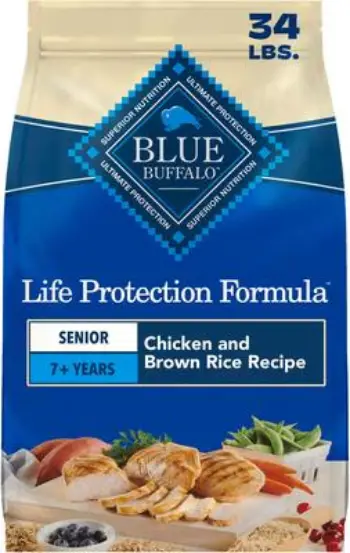
When I first started looking at senior dog food, I realized that feeding an older dog is not quite the same as feeding a young adult. My priorities changed.
I wanted something that could provide complete daily nutrition without making me feel like I was simply choosing another bag of regular adult dog food.
Blue Buffalo Senior Dog Food caught my attention because it is formulated specifically with older dogs in mind.
That distinction matters to me because senior dogs can gradually become less active, lose muscle condition, gain weight more easily, or become more selective about what they eat.
The first thing I noticed was how important portion control became. My older dog did not need the same amount of food that he used to eat when he was younger and more energetic.
I found that measuring meals instead of estimating portions made a noticeable difference in maintaining a consistent feeding routine.
Palatability was another major consideration. A nutritious food is not very useful if your dog refuses to eat it. My experience with senior formulas has taught me that texture, smell, kibble size, and individual preference can all affect acceptance. Blue Buffalo’s senior formula worked better when introduced gradually rather than replacing the previous food overnight.
I also paid attention to digestion. Whenever I change my dog’s diet, I watch for changes in stool consistency, appetite, energy, and general comfort. A gradual transition gave my dog more time to adjust.
What I appreciated most was the overall concept. Instead of simply looking for a food labeled “adult,” I could choose a formula intended for a different stage of life.
That said, I would not assume that every senior dog will respond exactly the same way. Your dog’s age, breed, activity level, weight, dental condition, allergies, and existing dietary requirements all matter.
For me, that is the biggest takeaway: Blue Buffalo Senior Dog Food can make sense as part of a senior dog’s routine, but the individual dog should always remain the focus.
Pros Of Blue Buffalo Senior Dog Food

- Designed Specifically for Senior Dogs
The biggest advantage for me is the senior-focused formulation. Instead of choosing a general adult food and hoping it meets the needs of an aging dog, I can start with a product designed around senior nutrition.
That makes meal planning feel more intentional.
Older dogs can change gradually, so having an age-specific formula gives me another tool for adjusting their diet as their lifestyle changes.
- Provides a Convenient Complete Meal Option
Convenience matters when you are caring for a dog every day.
I do not want to prepare complicated meals from scratch for every feeding unless there is a specific reason to do so. A commercially prepared senior formula can simplify the routine.
I can measure the appropriate portion, provide fresh water, and keep feeding times consistent.
That consistency is particularly useful when an older dog becomes less active.
- Good Option for Owners Seeking a Recognizable Senior Formula
Some pet owners simply feel more comfortable choosing a well-established pet-food company with different formulas for different life stages.
Blue Buffalo offers a broad range of dog foods, and having a senior-specific option makes it easier for me to compare formulas within the same general product family.
For someone who has already used the brand successfully, transitioning to a senior formula can also feel more straightforward.
- Can Support a More Structured Senior Feeding Routine
I like products that make it easier to establish a routine.
With an older dog, I want meals to happen at roughly consistent times, portions to remain controlled, and changes to be introduced gradually.
A senior formula can fit neatly into that system.
I can also monitor how my dog responds over several weeks rather than judging the food based on one meal.
- Suitable for Dogs With Changing Activity Levels
One of the biggest changes I noticed with aging dogs is that they simply do not burn energy the same way.
A dog that used to spend hours running around may eventually prefer shorter walks and longer naps.
That means feeding habits need to change too.
A senior formula can be useful when paired with appropriate portion control and regular activity.
- Supports a Practical Approach to Aging
I appreciate products that acknowledge aging as a normal life stage rather than treating it like a problem.
Senior dogs still want to eat, play, walk, explore, and interact with their families. Their nutritional needs may simply require more attention.
Blue Buffalo Senior Dog Food gives owners an option specifically aimed at that stage.
Cons Of Blue Buffalo Senior Dog Food

- It May Not Suit Every Senior Dog
This is probably the most important limitation.
Just because a food is labeled for senior dogs does not mean every senior dog will thrive on it.
Your dog may have food sensitivities, allergies, dental issues, digestive problems, kidney concerns, or another condition that requires a different nutritional strategy.
That is why I would never choose a senior food based only on the front of the bag.
- Individual Dogs Can React Differently
Two dogs can eat the same food and have completely different experiences.
One may eat it eagerly and have normal digestion, while another may show reduced interest or digestive changes.
I think this is why gradual introduction is so important.
- Some Dogs May Prefer Different Textures
Older dogs can become pickier about food texture.
Dental discomfort can also make hard kibble less appealing for some dogs.
If your dog struggles to chew, simply buying a senior kibble may not solve the issue. You may need to discuss texture and feeding options with your veterinarian.
- Portion Control Still Matters
A senior formula is not a free pass to feed unlimited amounts.
If your dog is less active, too much food can still contribute to weight gain.
I would rather measure meals and monitor body condition than rely on the assumption that a senior label automatically prevents weight problems.
- Price Can Be Higher Than Basic Dog Food
Specialized formulas can cost more than basic adult dog foods.
If you have a large dog, the monthly food budget can become noticeable.
For me, the important question is not simply whether the bag costs more. It is whether the food fits my dog’s nutritional needs, tolerance, and feeding routine.
Maintenance For Blue Buffalo Senior Dog Food
- Store the Food Properly
Proper storage is something I never overlook.
Once the bag is opened, I keep the food in a cool, dry place away from direct sunlight and moisture.
I prefer keeping the food in its original packaging inside an appropriate storage container rather than transferring everything without preserving the product information.
The original packaging can be useful because it contains feeding instructions, lot information, and other details I may need later.
- Keep the Feeding Area Clean
Older dogs deserve a clean eating environment just as much as younger dogs.
I wash food and water bowls regularly and avoid allowing old food to sit around for extended periods.
A clean feeding area also makes it easier to notice changes in appetite.
If my dog suddenly leaves meals untouched, I want to know whether it is a food issue, a routine issue, or potentially something else.
- Measure Every Meal
This is one of my biggest recommendations.
I used to think estimating portions was close enough, but measuring food is much more reliable.
As a dog ages, calorie requirements can change. A small daily excess can become significant over time.
I would rather use a consistent measuring method and adjust portions based on my dog’s body condition and professional guidance.
- Introduce Food Gradually
Whenever I change foods, I avoid making an overnight switch.
I gradually mix the new food with the previous food and increase the new portion over several days.
This gives my dog’s digestive system time to adjust and also lets me identify whether the new food causes problems.
If your dog experiences significant digestive upset, stopping the transition and speaking with a veterinarian is the safer approach.
- Always Provide Fresh Water
Food gets most of the attention, but water is equally important.
I keep fresh drinking water available throughout the day.
I also clean the water bowl regularly because older dogs should not have to deal with stale or dirty water.
- Monitor Body Weight
I do not rely only on the number on a scale.
I look at overall body condition, waist definition, mobility, appetite, and activity.
If my dog begins gaining weight, I take it seriously rather than waiting for the problem to become obvious.
Likewise, unexplained weight loss deserves attention.
- Watch for Changes in Appetite
An older dog becoming less interested in food can have many possible causes.
Sometimes it is simply preference, but persistent appetite changes should not automatically be blamed on the food.
I watch for patterns.
If my dog repeatedly refuses meals, suddenly eats much less, or shows other unusual changes, I would contact a veterinarian rather than repeatedly switching foods.
- Keep Exercise Appropriate
Food and activity work together.
I would not expect senior dog food to compensate for a completely inactive lifestyle.
At the same time, I would not push an older dog through exercise that is uncomfortable.
Gentle walks, appropriate play, and regular movement can help maintain a healthy routine when suitable for the individual dog.
- Pay Attention to Dental Health
Dental health can have a major effect on eating behavior.
If my dog suddenly struggles with kibble, chews differently, drops food, or seems uncomfortable while eating, I would investigate the cause rather than assuming the dog has simply become picky.
Sometimes the problem is not the food at all.
Comparison Of Blue Buffalo Senior Dog Food With Other Brands

- Blue Buffalo Senior Dog Food vs. Purina Pro Plan Senior
Both approaches recognize that older dogs have different nutritional requirements from younger adult dogs.
Purina Pro Plan offers senior-focused formulas with different nutritional targets, while Blue Buffalo provides its own senior-oriented formulations.
For me, the meaningful comparison is not which brand has the more impressive label. I would compare the specific formula, nutritional profile, calorie content, ingredients, feeding response, and my dog’s individual needs.
- Blue Buffalo Senior Dog Food vs. Hill’s Science Diet Senior
Hill’s Science Diet has a long-standing focus on life-stage nutrition and offers formulas designed for different ages and needs.
Blue Buffalo also provides senior-specific choices.
If I were comparing these foods for my dog, I would pay close attention to the exact formula rather than judging the entire brand.
The right choice can depend on age, size, activity, body condition, health status, and tolerance.
- Blue Buffalo Senior Dog Food vs. Royal Canin Senior
Royal Canin takes a highly targeted approach with formulas based on factors such as age, size, and specific nutritional requirements.
Blue Buffalo provides a different style of product range.
For me, the practical question would be whether the specific food matches my dog’s needs and whether my dog actually does well eating it.
- Blue Buffalo Senior Dog Food vs. Iams Senior Dog Food
Iams offers senior dog formulas designed to provide age-appropriate nutrition while remaining relatively practical for everyday feeding.
Blue Buffalo occupies a similar general category but has its own ingredient philosophy and product formulations.
I would compare calories, protein, fat, fiber, ingredients, feeding guidelines, price, and my dog’s response before making a decision.
Also Read: Is Jinx Dog Food Worth It?
Frequently Asked Questions (FAQ)
It can be a suitable option for some older dogs because it offers senior-focused nutrition, but individual needs should determine the final choice.
Veterinarians may have different preferences based on a dog’s health, nutritional requirements, clinical experience, or the specific formula being considered.
Blue Buffalo Senior is formulated specifically for older dogs, while other Blue Buffalo formulas may target different life stages, sizes, or nutritional needs.
There is no single universally accepted ranking. The appropriate choice depends on the specific formula and the individual dog’s nutritional needs.
Wrapping Up
After looking at the overall feeding experience, senior-focused nutrition, advantages, limitations, and practical maintenance, I can see why Blue Buffalo Senior Dog Food appeals to owners of aging dogs.
I especially like having a formula designed around the senior life stage rather than relying on a general adult recipe.
If your dog is healthy, accepts the food well, and does not require a specialized therapeutic diet, I would consider buying it as a senior-food option.
Just remember that portions, hydration, activity, dental health, and your dog’s individual response matter just as much as the label.
Recent Posts
I spent months comparing budget options against established names after my last set of tires wore out sooner than expected.My goal here is to share what I learned from putting Dextero and...
AquaTru Carafe Vs. Classic: Which Is Actually Fits Your Kitchen?
I decided to write this comparison after months of testing both the AquaTru Carafe and the Classic in my own kitchen. Tracking covered daily use.Taste stayed consistent. Refill frequency...