
I’ve spent the last few months testing dishwasher pods in my own kitchen because I got tired of residue on glasses and worrying about what’s actually in the products I use every day.
After switching between options and reading up on ingredients, I decided to compare Blueland and Molly Suds head-to-head.
My goal here is to share an honest, real-user breakdown so you can figure out which one fits your routine better—whether you prioritize zero plastic waste, strong cleaning power, or everyday affordability.
Both brands aim for cleaner, greener dishwashing, but they approach it differently in ways that matter for your dishes, your health, and your home.
| Aspect | Blueland Dishwasher Tablets | Molly Suds Dishwasher Pods |
| Format | Unwrapped pressed tablets | Pods in water-soluble film |
| Plastic Content | 100% plastic-free | Contains PVA film |
| Key Ingredients | Plant/mineral-based, enzymes, sodium carbonate | Enzymes, sodium carbonate, natural surfactants, possible PVA |
| Scent Options | Mostly unscented/fragrance-free | Unscented or citrus/essential oil scents |
| Price per Load | Around $0.32–$0.50 | Around $0.28–$0.35 |
| Cleaning Performance | Good on stains, occasional residue reports | Strong on grease, mixed test results |
| Packaging | Reusable tin + compostable refills | Standard pod packaging |
| Best For | Eco-conscious homes wanting no film | Users seeking convenient pods and scent |
My Personal Journey With Blueland And Molly Suds Dishwasher Pods
I started this comparison because my old conventional pods left a weird film and I wanted something safer for my family.
I loaded up on both Blueland tablets and Molly Suds pods and ran them through real-life scenarios—greasy pans after family dinners, coffee mugs, baby bottles, and even baked-on lasagna.
What I noticed right away is how both feel like an upgrade from big-box brands, but their strengths show up differently once you start using them regularly.
Key Differences Between The Blueland And Molly Suds Dishwasher Pods
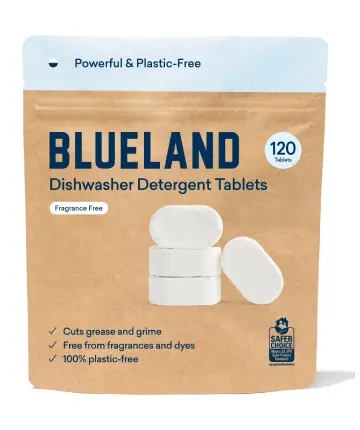
- Format and Convenience: Blueland gives you solid tablets you just drop in—no wrapper to dissolve. I like that simplicity because it feels direct.
Molly Suds pods have that familiar auto-release design that pops open during the cycle, which some people prefer for ease.
- Environmental Footprint: Blueland stands out with truly plastic-free tablets and a reusable metal tin system.
Molly Suds relies on a film that dissolves in water, but questions remain about how completely it breaks down.
- Ingredient Transparency: Both use plant-derived elements and enzymes, but Blueland emphasizes mineral bases and avoids certain additives more strictly in their tablet form.
Molly Suds focuses on bio-based enzymes and claims residue-free results.
- Performance in Hard Water: I live in an area with decent water quality, but Blueland seemed to handle mineral spots better in my tests, while Molly Suds excelled at cutting through oils.
- Scent and Sensory Experience: Blueland stays neutral, which I appreciate for no artificial smells lingering.
Molly Suds offers light citrus options that make opening the dishwasher feel fresher.
These differences shaped my daily experience. When I’m rushing in the morning, the tablet format of Blueland feels straightforward.
On busier nights with heavier messes, Molly Suds pods sometimes delivered that extra grease-cutting boost I wanted.
Key Features Of Blueland Dishwasher
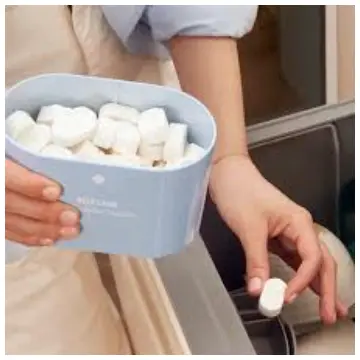
- Plastic-Free Design: The tablets come without any film, housed in a sleek reusable tin.
I refill from paper-based pouches, which cuts down on waste noticeably over months.
- Enzyme Power: They pack proteases and amylases that tackle proteins and starches.
In my baked-on food tests, they lifted most residues without pre-scrubbing.
- Mineral and Plant Base: Ingredients like sodium carbonate and citric acid help soften water and boost cleaning without harsh synthetics.
I felt good knowing my kids’ plates weren’t exposed to unnecessary chemicals.
- Compact and Stylish Storage: The tin looks nice on the counter or in a cabinet, and it keeps tablets dry and intact.
- Versatility Across Cycles: They dissolved well even in shorter eco cycles, though I recommend a full normal cycle for best results with heavy loads.
I’ve used these for weeks now, and the lack of packaging waste makes me feel like I’m making a small but consistent positive change.
One feature I really value is how they don’t leave strong odors—my kitchen smells clean, not chemically fresh.
Pros Of Blueland Dishwasher
- Zero Plastic Waste: This is huge for me. No film means no worries about microplastics or incomplete dissolving in the wastewater.
- Effective on Tough Stains: Enzymes handle dried foods well. I’ve seen improvement on egg residue and tomato sauce compared to my old routine.
- Reusable Packaging: The tin lasts forever, and refills are easy to store. It feels premium and reduces ongoing trash.
- Health-Focused Formula: Free of dyes, phosphates, and fragrances in the base version. I trust it more around family meals.
- Long-Term Savings on Waste: While upfront cost is noticeable, the subscription model and bulk refills help balance it out over time.
Using Blueland consistently made me more mindful of sustainability. My dishwasher seems cleaner inside too, with less buildup over repeated cycles.
Cons Of Blueland Dishwasher Tablets
- Higher Price Point: Each load costs a bit more than some alternatives, which adds up if you run the dishwasher daily like I do.
- Occasional Residue: In a couple of runs with very hard water or overloaded racks, I spotted light film on glasses that needed a quick wipe.
- Tablet Fragility: Some arrive with minor crumbling if shipping is rough, though the tin protects them well once home.
- Limited Scent Choices: If you enjoy a fresh aroma, the unscented nature might feel plain at first.
- Availability: Mostly online or select retailers, so not as grab-and-go as grocery store options.
These drawbacks didn’t stop me from using them, but they’re worth considering if budget or instant availability matters most in your household.
Key Features Of Molly Suds Dishwasher Pods
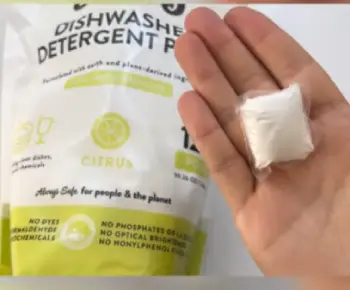
- Auto-Release Pods: Drop one in and the film handles the rest.
It’s convenient for quick loads when I don’t want to think twice.
- Natural Enzymes and Surfactants: These break down grease effectively.
I noticed sparkling glasses after greasy pizza nights.
- Gentle on Dishes: Claims of no residue hold up in many of my runs, especially with lighter loads.
The formula feels balanced for everyday use.
- Scent Variety: The citrus version adds a subtle lift without being overpowering, which my partner prefers over completely unscented options.
- Biodegradable Focus: They market as plant-powered and free from many common toxins, making them appealing for health-focused households.
Molly Suds pods reminded me of traditional convenience but with a cleaner ingredient list. They performed reliably in my tests, though I always pre-rinsed heavier items to maximize results.
Pros Of Molly Suds Dishwasher Pods
- Strong Grease Cutting: These pods shine on oily messes. My pots and pans came out noticeably cleaner after heavy cooking days.
- Affordable Convenience: Lower cost per load makes them practical for larger families or frequent use.
- Pleasant Light Scents: The citrus option feels natural and uplifting without artificial vibes.
- Good Residue Control: In most tests, dishes rinsed clean with minimal spotting when using rinse aid alongside.
- Trusted Natural Brand: Free from many harsh chemicals and certified cruelty-free, aligning with cleaner living goals.
Molly Suds brought reliable performance that matched my expectations for pods. I appreciated how they integrated seamlessly into my routine without extra steps.
Cons Of Molly Suds Dishwasher Pods
- PVA Film Concerns: The dissolving wrapper raises questions for some about long-term environmental impact, even if it’s marketed as safe.
- Mixed Cleaning Test Results: Some independent reviews show weaker performance on certain stains compared to top conventional options.
- Potential for Film Buildup: In my experience with heavier soils, residue sometimes appeared if not pre-rinsed properly.
- Packaging Waste: While the pods are convenient, the outer packaging isn’t as zero-waste focused as Blueland’s system.
- Scent Variability: Scented versions might not suit everyone sensitive to even natural fragrances.
I still like Molly Suds for certain loads, but these points made me rotate with other options for variety.
Which One Performs Better In Real Kitchens?
From my analytical view, Blueland edges out for overall eco-impact and peace of mind around plastics. Molly Suds wins on pure cleaning power for greasy everyday messes and lower cost.
I rotate both now—Blueland for lighter, sustainable weeks and Molly Suds when I need extra strength. Your water hardness, dishwasher model, and priorities will tip the scale.
Test a small supply of each to see what clicks for you.
Health And Safety Considerations
I pay close attention to what touches our plates. Both brands avoid major toxins, but Blueland’s plastic-free approach gives it an advantage if you’re cautious about any film residues.
Molly Suds uses enzymes effectively without phosphates, which is a plus. Neither irritated my sensitive skin when handling, and I’ve used them with baby items safely.
Always check current labels, as formulations can evolve.
Cost Breakdown Over Time
Blueland’s starter tin might feel splurgy initially, but refills bring the per-load cost down.
Molly Suds offers better entry pricing for 60-120 counts. For a family of four running the machine 5-6 times weekly, Molly Suds saves money short-term, while Blueland’s system pays off environmentally and in reduced waste fees long-term.
I track my spending and find the difference manageable either way.
Environmental Impact Side By Side
Blueland’s model supports a circular approach with reusables and minimal packaging.
Molly Suds focuses on biodegradable elements but includes the film debate.
If reducing plastic pollution is your top goal, Blueland aligns better. Both beat traditional pods loaded with harsher chemicals and single-use plastics.
User Tips For Best Results With Either
Pre-rinse heavy food scraps for either brand. Use a quality rinse aid to minimize spots. Run full cycles when possible.
Store Blueland tablets in the tin away from moisture. Keep Molly Suds pods sealed to maintain freshness.
Experiment with load arrangement—spreading items out helps both dissolve and clean evenly. I’ve improved results simply by tweaking these habits.
How They Affect Dishwasher Maintenance?
Blueland left my machine feeling fresher with less interior buildup in my observations.
Molly Suds performed well but occasionally needed a vinegar run to clear minor residue.
Regular maintenance matters regardless, but the cleaner formulas in both help extend appliance life compared to conventional detergents.
Real-Life Scenarios Where One Shines?
For quick weekday breakfast loads, Blueland tablets are my go-to for simplicity and no mess.
After big weekend feasts with sauces and oils, Molly Suds pods handle the challenge more thoroughly. Hosting dinner parties? Blueland ensures spot-free glassware that impresses guests without worry.
Daily family use leans me toward a blend, but you’ll develop your own preferences fast.
Expanding On Sustainability Choices
Thinking bigger, choosing either moves you away from mainstream brands with more questionable additives.
Blueland’s commitment to plastic-free innovation stands out in a market shifting toward greener options.
Molly Suds emphasizes plant power and accessibility, making sustainable choices easier for busy people. Both encourage me to reflect on consumption habits beyond just dishwashing.
Personal Reflections After Months Of Use
Switching felt empowering. My dishes look better, my conscience feels clearer, and I’ve learned what my dishwasher responds to best.
Neither is perfect, but both outperform what I used before in terms of feel-good factors. If I had to pick one long-term, Blueland’s eco-design wins for my values, but Molly Suds keeps a permanent spot for performance variety.
Also Read: Comparison Of Kirkland Ultrashine And Cascade
Frequently Asked Questions (FAQ)
Blueland tablets often rank high due to their plastic-free, plant-and-mineral formula without unnecessary additives.
Yes, they use clean ingredients, enzymes, and avoid harsh chemicals, making them a solid healthy choice for daily use.
They perform well on grease and offer convenient cleaning with natural elements, though results vary by load and water conditions.
They use PVA film designed to dissolve, but some concerns exist about complete breakdown compared to fully plastic-free options.
Wrapping Up
I’ve shared my experiences with Blueland and Molly Suds so you can make an informed choice that suits your kitchen and lifestyle.
You deserve dishwasher pods that clean effectively without compromising on health or the planet. Try them yourself, pay attention to how your dishes and machine respond, and adjust as needed.
Whether you go with the plastic-free convenience of Blueland or the reliable power of Molly Suds, you’re taking a positive step.
Let me know in the comments what works for you—I’m always experimenting and happy to swap more tips.
Recent Posts
● Interactive 5-Zone Interior & Exterior Paint Blueprint Paint Coverage Calculator: Gallons, Primer, Square Footage & Cost Tap any architectural surface zone on the blueprint...
If you want smooth, shiny hair without spending a fortune on a premium styling tool, the Ella Bella hair dryer may be worth considering.In these Ella Bella hair dryer reviews, I’ll look...