
Boba Nutrition Vs Boba Tea Protein: Which Is Better?
I’ve always been a fan of boba tea— that chewy, sweet indulgence hits the spot on a hot day.
But lately, I’ve been exploring boba tea protein powders as a way to get that familiar flavor without the guilt.
In this article, I’ll compare the nutritional aspects of traditional boba tea to these protein-packed alternatives, breaking down what each offers so you can decide what’s best for your routine.
My goal is to help you understand the trade-offs in calories, protein, and more, from a practical user’s viewpoint.
| Nutrient | Traditional Boba Tea (16oz serving, average) | Boba Tea Protein Powder (1 scoop serving, average) |
| Calories | 300-500 | 150-160 |
| Protein | 0-6g | 25g |
| Carbs | 45-70g | 3-7g |
| Sugars | 30-50g | Less than 1g |
| Fat | 5-10g | 3-3.5g |
| Fiber | 0-1g | 0g |
| Caffeine | 50-150mg (depending on tea base) | 20-50mg (from real tea extracts in some flavors) |
| Key Additives | Tapioca pearls, milk or creamer, syrups | Grass-fed whey isolate, natural flavors, monk fruit sweetener |
What Makes Traditional Boba Tea So Appealing?

As I sip on a classic milk tea with pearls, I can’t help but appreciate its origins. Boba tea, or bubble tea, started in Taiwan in the 1980s and has become a global sensation.
It’s basically tea mixed with milk, sweeteners, and those signature tapioca pearls that give it that fun, chewy texture.
From my experience, the appeal lies in the customization—you can choose black, green, or oolong tea bases, adjust sweetness levels, and add toppings like jelly or pudding.
It’s not just a drink; it’s an experience that feels playful and satisfying.
But let’s talk nutrition from a real-world angle. A standard 16-ounce serving often comes from places like Sharetea or Kung Fu Tea, where the base is brewed tea, but the add-ins pile on.
The tapioca pearls are made from cassava root, boiled and sweetened, adding a starchy chew. Milk or non-dairy creamer brings creaminess, and syrups provide that addictive sweetness.
I’ve noticed that while it’s refreshing, it’s easy to underestimate how it adds up daily if you’re grabbing one regularly.
Key Differences Between The Boba nutrition And Boba Tea Protein
- Calorie content: Traditional boba can hit 400+ calories per drink due to sugars and pearls, while the protein powder stays under 200, allowing me to enjoy the flavor without overindulging.
- Protein levels: Regular boba offers almost none, maybe 2-6 grams from milk, but the protein version packs 25 grams, turning it into a muscle-building option I’ve relied on.
- Carb and sugar load: Boba tea’s 50+ grams of carbs come from starches and sweeteners, spiking energy briefly, whereas the powder has just 5 grams, fitting better for low-carb days.
- Texture and experience: The real deal has that chewy fun with pearls, which I miss in the powder, but the latter is smoother and quicker to prepare.
- Health focus: Traditional is more recreational with potential antioxidants, but the protein emphasizes clean ingredients like whey isolate, appealing to my fitness goals.
Exploring Boba Tea Protein
I’ve been obsessed with boba for years—those chewy pearls, the creamy tea, the endless flavor combos. But as someone who’s trying to hit protein goals without ditching the fun, boba tea protein powder has become my secret weapon.
It’s basically the taste of my favorite bubble tea in a high-protein shake form, minus the 400+ calorie guilt trip.
In this deep dive, I’ll share everything I’ve learned about exploring these powders: the top brands, flavors that actually taste like the real deal, nutrition breakdowns, how to make them feel more like boba, and whether they’re worth adding to your routine.
Key Features Of Boba Nutrition
- Chewy tapioca pearls: These are the highlight, made from cassava starch, providing that satisfying texture I’ve come to love, though they add mostly empty carbs.
- Customizable bases: Whether black tea for boldness or green for freshness, the tea offers some antioxidants, and I enjoy tweaking it to my mood.
- Creamy elements: Milk or creamer gives it richness; I’ve opted for oat milk sometimes for a plant-based vibe, which alters the fat profile slightly.
- Sweetness options: Syrups let you control the sugar, but even at 50% sweetness, it’s still indulgent, making it feel like a treat rather than fuel.
- Topping variety: Beyond pearls, things like fruit jellies add fun, though they bump up calories without much nutrition.
Pros Of Boba Nutrition
- Social and enjoyable: Grabbing one with friends feels like a mini event; the variety keeps it exciting, and I’ve bonded over trying new flavors.
- Antioxidant potential: The tea base, especially green or oolong, provides polyphenols that support heart health, something I’ve read about and felt good including.
- Customizable for preferences: I can adjust ice, sweetness, or milk type, making it adaptable if I’m watching calories occasionally.
- Satisfying texture: Those pearls make it filling in a fun way, curbing hunger for a bit without feeling heavy.
- Cultural appeal: It’s a taste of Taiwanese tradition, and exploring authentic spots has broadened my palate.
Cons Of Traditional Boba Tea
- High sugar intake: With 30-50 grams per serving, it can contribute to weight gain or energy crashes, which I’ve experienced after too many.
- Calorie density: Easily 400 calories for something that doesn’t fill you up long-term, making it a sneaky addition to daily intake.
- Low nutritional value: Minimal protein or fiber means it’s not balanced; I’ve felt it more as a dessert than a meal.
- Potential additives: Some shops use artificial flavors or high-fructose syrups, which don’t sit well with my preference for natural stuff.
- Cost over time: At $5-7 per drink, it adds up if you’re hooked, unlike making something at home.
Introducing Boba Tea Protein Powder
Now, shifting gears to boba tea protein— this stuff caught my eye when I was looking for ways to boost my protein without boring shakes.
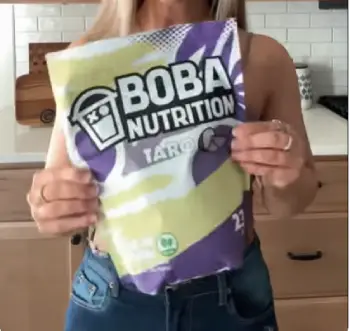
It’s essentially a whey protein isolate flavored to mimic boba teas, like classic milk tea or taro.
Brands like Boba Tea Protein use grass-fed whey, real tea extracts, and natural sweeteners like monk fruit to keep it clean.
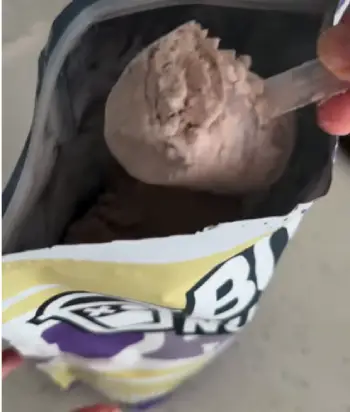
I’ve mixed it with water or almond milk, and it tastes surprisingly close to the real thing, minus the pearls.
What stands out to me is how it’s positioned as a fitness-friendly twist. Each scoop delivers a solid hit of protein without the carb overload, making it ideal post-workout.
Flavors vary, from jasmine to matcha, and some even have a bit of caffeine from the tea.
As someone who’s experimented with it, I find it mixes smoothly, no clumps, and satisfies that boba craving in a lighter form.
Key Features Of Boba Tea Protein
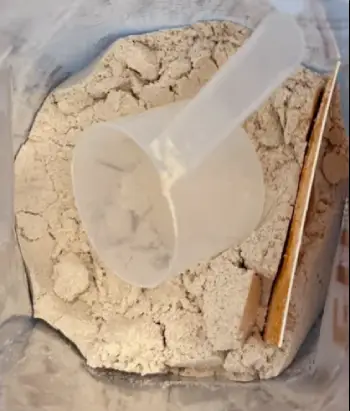
- High-protein whey base: 25 grams per scoop from grass-fed sources, which I’ve found helps with satiety and recovery after gym sessions.
- Real flavor extracts: Using actual tea leaves and ingredients like organic taro, it captures the essence without artificial tastes, something I appreciate for authenticity.
- Low-sugar formulation: Sweetened with monk fruit, keeping sugars under 1 gram, which means no crash like with regular boba.
- Caffeine boost in some: Certain flavors provide a mild energy lift, around 20-50mg, similar to a light tea, without jitters.
- Easy mixing: Dissolves well in liquids, and I’ve used it in smoothies or as a simple shake, making it versatile for busy days.
Pros Of Boba Tea Protein
- Protein-packed: 25 grams helps meet daily needs; I’ve used it to recover from workouts and stay full longer.
- Low-calorie indulgence: At 150 calories, it satisfies cravings without derailing my tracking, a big win for balance.
- Clean ingredients: Grass-fed whey and real extracts mean no junk; I feel better knowing it’s lactose-free and naturally sweetened.
- Versatile use: Mix into shakes, oatmeal, or yogurt—I’ve experimented and it elevates simple meals.
- Flavor variety: Options like chai or honeydew mimic boba without the guilt, keeping things interesting.
Cons Of Boba Tea Protein
- No real pearls: Lacks the chewy texture I crave; it’s more like a flavored shake than the full boba experience.
- Price per serving: Around $2 each, it’s pricier than basic protein, though I’ve found bundles help.
- Sweetener aftertaste: Monk fruit can taste off to some; it took me a few tries to adjust.
- Limited filling power: Without fiber, it doesn’t satisfy like a meal; I add extras for bulk.
- Availability: Not in every store, so ordering online is key, which delays gratification.
Nutritional Profile Of Boba Tea Protein
Analyzing the labels, a typical serving is about 35-40 grams of powder, yielding 150 calories.
The star is the 25 grams of protein from whey isolate, which is easy to digest and supports muscle repair. Carbs are low, around 5 grams, with negligible sugar, thanks to zero-calorie sweeteners.
Fats hover at 3 grams, often from natural sources like coconut.I’ve compared flavors—classic milk tea has a malty note from Yunnan black tea, adding about 30mg caffeine, while taro brings a nutty sweetness from real organic taro powder
. It’s 99% lactose-free, which is great for my sensitive stomach. Overall, it’s a lean option, but it lacks the fiber or micronutrients you’d get from whole foods.
How Traditional Boba Fits Into A Balanced Lifestyle?
Thinking analytically, traditional boba tea can be part of a varied diet if treated as an occasional treat.
I’ve learned to order smaller sizes or share one, cutting calories in half.
The tea’s antioxidants might offset some downsides, like reducing inflammation, but the sugar load could counter that if overdone.
For active folks, the carbs provide quick energy, but for sedentary days, it’s better skipped.
I’ve paired it with protein-rich meals to balance, turning it into a post-meal dessert.
On the flip side, if you’re managing blood sugar, the glycemic impact from pearls and syrups is notable.
Studies suggest high-sugar drinks link to insulin resistance, so I monitor how I feel after.
Opting for unsweetened tea bases helps, but it’s still not ideal for daily consumption.
Incorporating Boba Tea Protein Into Your Routine
From my trials, boba tea protein shines as a daily staple.
I mix it post-gym for recovery—the whey absorbs fast, aiding muscle synthesis.
With low carbs, it suits keto or low-sugar plans, and the flavors prevent boredom.
I’ve blended it with ice for a slushy vibe or added to coffee for a twist.
Analytically, the high protein supports satiety, potentially aiding weight management by reducing snacking. Whey also boosts metabolism slightly, per research.
But it’s not a whole food, so I combine it with fruits or nuts for completeness. For beginners, start with water to test taste, then experiment.
Potential Health Benefits And Drawbacks
Weighing both, traditional boba offers hydration and minor vitamins from tea, but the cons dominate for health-focused users.
It might hydrate better than soda, but sugars promote cavities or weight issues.
I’ve noticed better options at shops using fresh ingredients.
Boba tea protein, meanwhile, supports fitness goals with amino acids for repair.
Low sugar avoids crashes, and electrolytes in some flavors aid hydration. Drawbacks include possible whey sensitivity, though it’s minimal. Overall, it’s a smarter swap for protein needs.
Recipes And Hacks For Both
For traditional boba, I’ve made homemade versions: Brew black tea, add milk, honey, and cooked pearls—controls sugar to 20 grams. Add spinach for a green boost.
With protein powder, try a smoothie: Blend with banana, almond milk, and ice for creaminess. Or stir into yogurt for a parfait. These hacks make both more nutritious.
Long-Term Considerations
Over months, relying on traditional boba led me to extra pounds from calories. Switching to protein helped lean out while keeping flavors. Analytically, consistent high protein builds habits for better body composition.
But variety matters—don’t ditch real foods. I rotate both for enjoyment without extremes.
Also Read: Comparison Of Lunar Lifts And Boba Tea Protein
Frequently Asked Questions (FAQ)
No, traditional boba tea typically has 0-6 grams of protein per serving, mostly from milk if included.
No, it’s a powder without pearls; you mix it into drinks for flavor and protein.
Around 150-160 calories per scoop, depending on the flavor.
Traditional boba tea isn’t ideal due to high calories and sugar; opt for lighter versions or alternatives like protein powder for better results.
In wrapping up
I’ve shared my take on these two worlds because I know how tempting boba can be, and finding a healthier spin changed things for me.
You might love the classic for fun outings, but if you’re aiming for more protein and fewer calories, give the powder a shot—it could become your new go-to.
Whatever you choose, enjoy it mindfully, and let me know what you think.
Recent Posts
● Interactive 5-Zone Interior & Exterior Paint Blueprint Paint Coverage Calculator: Gallons, Primer, Square Footage & Cost Tap any architectural surface zone on the blueprint...
If you want smooth, shiny hair without spending a fortune on a premium styling tool, the Ella Bella hair dryer may be worth considering.In these Ella Bella hair dryer reviews, I’ll look...