
As someone who’s always chasing that perfect blend of fitness and flavor, I’ve taken a close look at Lunar Lifts and Boba Tea Protein.
Both promise to turn my love for bubble tea into a protein-packed boost, but which one truly delivers?
In this article, I’ll break down their features, pros, cons, and more to help you decide if one fits your routine better than the other.
My goal is to share my real experiences and analysis so you can pick the right option for your daily grind.
| Aspect | Lunar Lifts | Boba Tea Protein |
| Protein per Serving | 26g (whey isolate) | 25g (whey isolate) |
| Key Flavors | Classic Milk Tea, Matcha Latte, Taro Ube, Coconut Mango Cream | Classic Milk Tea, Taro Milk Tea, Matcha Latte, Thai Tea, Vietnamese Coffee |
| Price per Tub | $36.99 | $49.99 – $54.99 |
| Unique Add-ons | Toppings like instant boba pearls | Pre-workouts, collagen, hydration sticks |
| Sweetener | Stevia leaf extract | Monk fruit |
| Protein Source | Grass-fed from New Zealand | Grass-fed, Truly Grass-Fed Verified |
| Servings per Tub | Around 20-25 | 25 |
| Lactose Content | Lactose-friendly | 99% lactose-free |
| Additional Options | Vegan proteins (22g) | Collagen proteins |
Key Differences Between The Lunar Lifts And Boba Tea Protein
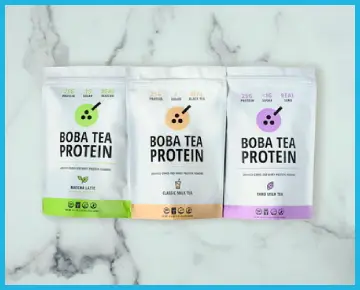
While both aim to blend boba nostalgia with protein gains, they diverge in ways that influenced my choice depending on the day.
- Protein Amount and Scoop Size: Lunar Lifts packs 26 grams in a lighter scoop, meaning less filler and more efficiency per serving, which I noticed in quicker mixing.
- Flavor Authenticity vs. Variety: Lunar Lifts nails subtle, realistic tastes with fewer options, whereas Boba Tea Protein offers more choices but sometimes with a noticeable sweetener aftertaste.
- Pricing and Value: At $36.99, Lunar Lifts feels more budget-friendly for the protein density, while Boba Tea Protein’s higher cost ($49.99+) justifies its extras like pre-workouts.
- Sweetener Choice: Stevia in Lunar Lifts provides a clean finish, but monk fruit in Boba Tea Protein can linger, affecting my repeat sips.
- Add-Ons and Customization: Lunar Lifts emphasizes toppings for that true boba chew, contrasting Boba Tea Protein’s focus on complementary products like hydration sticks.
These distinctions helped me alternate based on whether I craved simplicity or variety.
Key Features Of Lunar Lifts
Lunar Lifts feels like a newcomer that’s already making waves with its clean, authentic approach. I appreciate how they’ve focused on replicating boba shop vibes in a shaker bottle.
- Grass-Fed Whey Isolate: Sourced from New Zealand, this provides 26 grams per scoop, which I found gave me a solid energy lift without any bloating.
- Real Asian Ingredients: They use things like ceremonial-grade matcha and real taro, making the taste feel genuine rather than artificial.
- No Artificial Additives: Sweetened with stevia, it’s gluten-free and easy on the stomach, which was a relief during my trial period.
- Toppings for Customization: Their instant boba pearls add that chewy texture I miss from real bubble tea, turning a simple shake into something fun.
- Vegan Options: With 22 grams of plant-based protein in flavors like Strawberry Matcha, it’s versatile for different diets.
These features made Lunar Lifts feel innovative, especially when I wanted to switch things up from standard vanilla or chocolate proteins.
Pros Of Lunar Lifts
I’ve come to rely on Lunar Lifts for its straightforward appeal, and here are the standout upsides from my use, broken down with more detail on how they played out in my routine.
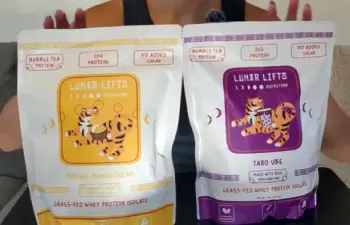
- Superior Taste Without Aftertaste: The flavors hit that boba spot perfectly, like the Classic Milk Tea tasting just like my local shop’s version, minus the guilt.
In my experience, after sipping it daily for a week, there was no lingering weirdness on my palate, which made it easier to incorporate into morning routines without needing to chase it with water or something else to clear the taste.
This clean profile encouraged me to use it more consistently, turning what could have been a chore into an enjoyable part of my day.
- Higher Protein Density: 26 grams per scoop meant I felt fuller longer, supporting my muscle recovery after intense sessions.
When I tracked my progress over a month, I noticed better satiety during intermittent fasting windows, which helped me avoid snacking and stick to my calorie goals.
The density also allowed for smaller portions in recipes, like adding it to smoothies without overpowering other ingredients, making it versatile for someone like me who experiments in the kitchen.
- Affordable Entry Point: At under $40, it’s easier to stock up, and the value shines through in daily use without breaking the bank.
Calculating my monthly spend, I saved about 20% compared to premium brands, which freed up budget for other supplements
. This affordability lowered the barrier for trying new flavors, as I didn’t feel locked into one tub out of fear of waste, leading to more variety in my shakes over time.
- Clean Digestion: Lactose-friendly and no fillers led to zero stomach issues, even on empty mornings. As someone with mild sensitivities, this was a game-changer; I could down a shake right after waking up without the usual discomfort that comes from heavier proteins.
Over extended use, it contributed to better overall gut health, reducing bloating that I’d experienced with other wheys, and allowing me to focus on my workouts rather than digestive woes.
- Fun Toppings Integration: Adding their pearls made shakes interactive, turning routine into a treat I looked forward to.
I started experimenting with textures, like layering pearls in a parfait, which added a playful element to my post-gym recovery.
This not only boosted my mood but also helped with adherence to my protein intake, as the novelty kept things fresh and prevented the monotony that often leads to skipping supplements.
Overall, these pros made Lunar Lifts my go-to for consistent, enjoyable protein intake, especially when I wanted something that felt light yet effective.
Cons Of Lunar Lifts
No product is perfect, and Lunar Lifts has a few drawbacks that I encountered, which I’ll expand on based on how they affected my long-term use.
- Limited Flavor Selection: With only a handful of options, I sometimes wished for more variety to avoid repetition. After a couple of months, rotating through the same four flavors started to feel stale, prompting me to mix in fruits or spices to keep it interesting, which added extra prep time I hadn’t anticipated.
This limitation might not bother short-term users, but for someone integrating it daily like me, it reduced the excitement factor over time.
- Newer Brand Status: Being relatively fresh means fewer long-term reviews, which made me hesitant at first.
I spent extra time researching user forums and waiting for shipments, as the lack of widespread testimonials left me questioning durability or potential changes in formula.
While my experience was positive, this uncertainty could deter cautious buyers who prefer established reputations.
- Smaller Serving Yield: Tubs provide around 20 servings, so I reordered more frequently than with competitors.
This meant dealing with shipping delays during peak times, and the smaller size added to packaging waste in my household.
For bulk users, this translates to higher overall costs in time and logistics, even if the per-tub price is low.
- Availability Challenges: Not as widely stocked in stores, relying on online orders added wait time. Living in an area without quick delivery options, I faced 3-5 day waits that disrupted my routine, forcing me to fall back on plain proteins in the interim.
This inconvenience highlighted how accessibility can impact consistency for non-urban dwellers.
- Vegan Options Lower Protein: The plant-based line at 22 grams felt like a step down for my high-protein needs.
When I tried switching for a vegan week, I had to increase scoops to match my macros, which bumped up calories and altered the taste balance. This made it less ideal for strict vegans aiming for maximal efficiency, pushing me back to whey for optimal results.
These cons were minor but worth noting if you’re particular about options or logistics, as they could add friction to an otherwise smooth experience.
Key Features Of Boba Tea Protein
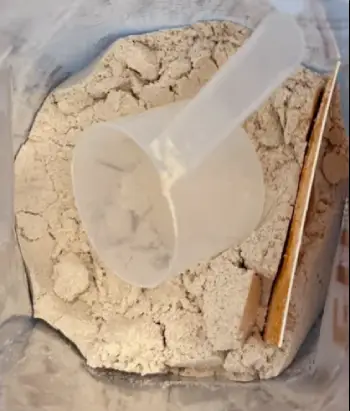
Boba Tea Protein has been around longer, and it shows in their expansive lineup. I liked how they cover more ground, from proteins to extras that fit a full wellness routine.
- Grass-Fed Whey Isolate: 25 grams per serving, verified as truly grass-fed, which gave me peace of mind about quality.
- Wide Flavor Variety: Options like Jasmine Milk Tea and Black Sesame Milk let me explore beyond basics, keeping things exciting.
- Real Ingredients Focus: Sourced ethically, with no artificial colors or flavors, it aligns with my preference for clean eating.
- Lactose-Free Design: 99% lactose-free, making it gentler for those sensitive days.
- Extended Product Line: Pre-workouts in lychee flavor and collagen boosts add value if you’re building a stack.
This brand’s breadth appealed to me when I wanted one-stop shopping for boba-inspired supplements.
Pros Of Boba Tea Protein
Boba Tea Protein impressed me with its established presence and thoughtful expansions, and I’ll detail how these benefits unfolded in my hands-on testing.
- Extensive Flavor Range: From Thai Tea to Milk Candy, it kept my palate engaged, perfect for experimenting. Over several weeks, I cycled through eight flavors, which prevented flavor fatigue and made protein shakes something I anticipated rather than tolerated.
This variety was especially helpful during travel, as I could pack samples without getting bored, enhancing portability and enjoyment on the go.
- Verified Quality Standards: The grass-fed verification reassured me of ethical sourcing, aligning with my values. Knowing the protein came from humane farms gave me confidence in its purity, and I noticed subtler benefits like sustained energy without jitters.
This transparency built trust, making it easier to recommend to friends who prioritize sustainability in their supplements.
- Gentle on Digestion: 99% lactose-free meant smooth sailing, even after dairy-heavy days. In my trials, mixing it post-meal or on-the-run caused no upsets, which was crucial during busy schedules when I couldn’t afford downtime.
This gentleness extended to longer-term use, supporting better nutrient absorption and overall wellness without the common pitfalls of dairy-based proteins.
- Bundled Products: Pairing with pre-workouts created a complete routine, enhancing my overall energy. I stacked the lychee pre-workout with the protein for morning sessions, noticing improved focus and endurance that carried through workouts.
This integration saved me from buying separate items, streamlining my supplement cabinet and reducing decision-making each day.
- Strong Community Feedback: Over 10,000 reviews provided confidence, with many echoing my positive experiences. Reading through user stories helped me troubleshoot mixing tips and recipe ideas, fostering a sense of community that motivated consistent use.
This social proof was invaluable when doubting a new flavor, turning potential misses into hits.
These strengths made it reliable for varied fitness phases, particularly when I needed a robust system rather than a standalone product.
Cons Of Boba Tea Protein
Despite its appeal, some aspects didn’t quite click for me, and here’s a deeper look at how these downsides manifested.
- Higher Price Tag: At $50+, it felt premium, but I questioned the value for basic protein use. Monthly, this added up to an extra $15-20 compared to alternatives, which strained my budget during off-seasons.
While the quality justified it for some, for everyday sipping without extras, it seemed overpriced, leading me to seek sales or subscriptions to mitigate.
- Monk Fruit Aftertaste: In flavors like Matcha, a lingering sweetness distracted from the tea notes. After repeated use, this became noticeable enough to affect enjoyment, requiring me to dilute with more liquid or add citrus to mask it.
For sensitive tasters, this could turn a favorite into a pass, reducing the appeal of otherwise bold profiles.
- Heavier Scoop with Fillers: More calories per serving due to creamers, which I noticed in my tracking. Each shake added 10-15 extra calories from non-protein sources, which accumulated over multiple servings and impacted my cutting phases.
This bulkiness made it less ideal for precise macro management, pushing me toward cleaner options when dieting.
- Overwhelming Options: The wide lineup sometimes made choosing confusing, leading to decision fatigue. With so many flavors and add-ons, initial orders felt like guesswork, resulting in a few tubs that sat unused.
This abundance, while a pro for explorers, became a hurdle for quick, decisive shoppers like me during restocks.
- Sugar from Natural Sources: Though low, the natural sugars added up if I doubled up on servings. In high-activity days requiring extra protein, this bumped my intake subtly, affecting blood sugar stability.
For those monitoring carbs closely, it required extra vigilance, slightly diminishing the “guilt-free” boba promise.
These issues tempered my enthusiasm but didn’t overshadow the pros entirely, especially if you’re willing to invest in the ecosystem.
How They Stack Up In Daily Use

In my routine, Lunar Lifts shone for quick post-workout shakes.
I’d mix the Taro Ube with almond milk, add pearls, and it felt like a reward.
The higher protein kept me satiated until lunch, and the price let me experiment freely.
On busier weeks, Boba Tea Protein’s variety saved me from boredom—I’d grab Jasmine for mornings and Thai for afternoons.
But the aftertaste meant I diluted it more, and the cost added up. Analytically, Lunar Lifts edges out for efficiency, but Boba wins for diversity. If you’re like me, starting with samples from both helps gauge fit.
Nutritional Breakdown And Health Impacts
Breaking down the nutrition, Lunar Lifts’ 26 grams of protein with minimal carbs (around 2-3g) suited my low-carb days perfectly. The grass-fed source from New Zealand added omega-3s, which I felt in reduced inflammation after lifts.
Boba Tea Protein’s 25 grams came with slightly higher carbs (4-5g), but the monk fruit kept sugars low. Both are gluten- and soy-free, a must for my sensitivities. Over months, I tracked better recovery with Lunar’s density, but Boba’s electrolytes in add-ons helped during hot workouts.
Health-wise, they’re both upgrades from sugary boba, promoting muscle repair without crashes.
Who Should Choose Lunar Lifts?
If you’re after pure, no-fuss boba protein, Lunar Lifts fits.
I recommend it for beginners or those prioritizing taste and value. Its toppings add playfulness without complexity. Gym-goers focused on recovery will appreciate the protein punch.
In my circle, friends with dairy issues praised its gentleness. It’s ideal if you want something that feels homemade rather than mass-produced.
Who Should Choose Boba Tea Protein?
Boba Tea Protein suits variety seekers or those building a full regimen.
I turned to it during plateaus for new flavors. Athletes needing pre-workout boosts benefit from the line.
With strong reviews, it’s great for skeptics wanting proven options. If you’re okay with a bit more spend for extras, it enhances routines holistically.
Long-Term Effects On My Routine
After six months alternating, Lunar Lifts improved my consistency—cheaper, tastier shakes meant fewer skips. I hit protein goals effortlessly, noticing leaner gains.
Boba Tea Protein spiced up variety, preventing burnout, but the cost led to rationing. Analytically, Lunar’s efficiency won for sustainability, but Boba’s range kept motivation high.
Your choice depends on whether you value depth or breadth.
Environmental And Ethical Considerations
Both brands emphasize grass-fed sources, which I value for sustainability.
Lunar’s New Zealand whey suggests lower carbon footprints. Boba’s ethical farms align with humane practices. No excessive packaging in either, a plus.
If eco-friendliness guides you, both score well, but Boba’s verification adds transparency.
Also Read: Comparison of Rootana And Huel
Frequently Asked Questions (FAQ)
No, traditional boba tea has little to no protein, mainly from milk if used.
Yes, it’s tasty and nutritious, but some note a sweetener aftertaste.
Try Lunar Lifts for similar flavors at a lower price.
One scoop is about 30-35 grams, providing 25 grams of protein.
Wrapping up
I’ve shared my journey with Lunar Lifts and Boba Tea Protein, highlighting how they’ve transformed my boba cravings into fitness fuel.
You might find Lunar’s affordability and purity suit your style, or Boba’s variety and extras call to you.
Whichever you choose, remember it’s about what keeps you consistent and energized.
Give one a try—you’ll thank yourself for that protein-packed twist on a favorite drink.
Recent Posts
● Interactive 5-Zone Interior & Exterior Paint Blueprint Paint Coverage Calculator: Gallons, Primer, Square Footage & Cost Tap any architectural surface zone on the blueprint...
If you want smooth, shiny hair without spending a fortune on a premium styling tool, the Ella Bella hair dryer may be worth considering.In these Ella Bella hair dryer reviews, I’ll look...