
When I decided to upgrade my home’s heating and cooling with a ductless system, I spent weeks researching Bosch and Mitsubishi mini splits.
Both brands promise efficient, quiet comfort without the hassle of ducts, but they come at different price points and with distinct strengths.
In this article, I share my real-user experience comparing them head-to-head so you can decide which one fits your home and budget best.
I’ll cover key features, differences, pros and cons, and more from an analytical viewpoint based on performance, reliability, and everyday use.
| Feature | Bosch Mini Split | Mitsubishi Mini Split |
| Price Range | More affordable, often lower upfront cost | Premium pricing |
| Efficiency (SEER2) | Up to 25+ in many models | Often 20-30+, strong performer |
| Noise Levels | Very quiet (indoor as low as 23 dB) | Extremely quiet (as low as 19 dB) |
| Cold Climate Performance | Good, with solid heating | Excellent Hyper-Heating down to -13°F |
| Multi-Zone Capability | Up to 6 zones | Flexible multi-zone options |
| Warranty (Compressor) | Typically 10 years | Often 12 years or more |
| Build Origin | Rebranded (often Midea) | Japanese engineering |
| Smart Controls | Wi-Fi options available | Advanced sensors and app integration |
| Best For | Budget-conscious users seeking value | Long-term reliability seekers |
Key Differences Between The Bosch And Mitsubishi Mini Split
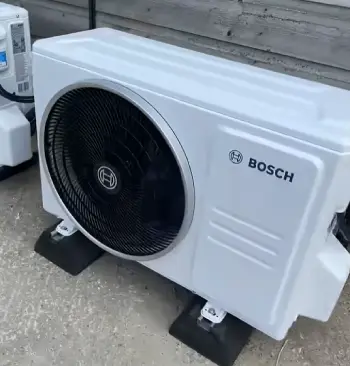
- Upfront Cost and Value: I found Bosch systems generally easier on the wallet, making them appealing if you want solid performance without breaking the bank.
Mitsubishi commands a higher price but delivers on premium features that justify it for some.
- Manufacturing and Brand Heritage: Bosch ductless units are typically produced in partnership with manufacturers like Midea, bringing German branding to reliable components.
Mitsubishi stands on its own Japanese engineering legacy known for durability.
- Heating in Cold Weather: Mitsubishi shines with hyper-heating technology that maintains output in freezing conditions.
Bosch performs well but may not match in extreme low temperatures.
- Efficiency and Running Costs: Both are inverter-driven for great efficiency, but Mitsubishi often edges out in real-world energy savings over years.
Bosch offers competitive SEER ratings at a lower entry point.
- Installation Flexibility: Both support multi-zone setups, but Bosch sometimes provides more ports per outdoor unit in newer models, giving you options for more indoor heads.
- User Interface and Controls: Mitsubishi includes advanced sensors like 3D i-See for personalized comfort.
Bosch keeps it straightforward with reliable remotes and optional Wi-Fi.
Key Features Of Bosch Mini Splits
When I first looked at Bosch, these features stood out as practical for everyday home use:
- Inverter Technology: Adjusts compressor speed smoothly for consistent temperatures and lower energy use—no more constant on-off cycling that wastes power.
- Quiet Operation: Indoor units whisper-quiet, perfect for bedrooms or living rooms where noise matters.
- Multi-Zone Capability: One outdoor unit can connect multiple indoor heads, letting you zone different rooms independently.
- Low-GWP Refrigerant Options: Newer models use R-454B for better environmental impact.
- Easy Installation: Compact design works great for additions or renovations without tearing up walls for ducts.
- Wi-Fi Connectivity: Control from your phone, set schedules, and monitor usage remotely.
I appreciated how Bosch balances modern tech with straightforward reliability that doesn’t overwhelm you.
Pros Of Bosch Mini Splits

- Affordable Entry Point: You get strong performance without the premium markup, which helped my budget stretch further for other home projects.
The initial investment feels reasonable compared to many competitors.
- Solid Efficiency: High SEER ratings translate to noticeable savings on monthly bills compared to older systems.
In my garage setup, cooling costs stayed manageable even during hot spells.
- Flexible Zoning: Easier to add heads in newer configurations, ideal if your home layout changes over time or you have multiple rooms to condition separately.
- Good Build Quality: Backed by Bosch’s reputation, with quiet fans and durable components that hold up in daily use.
I have not experienced any unexpected breakdowns after months of operation.
- Warranty Support: 10-year compressor coverage provides peace of mind for the long haul, and service options are generally accessible through standard HVAC channels.
- User-Friendly Controls: Simple app and remote interfaces that do not require a tech degree to operate effectively on a daily basis.
These advantages make Bosch a smart pick when balancing cost and capability matters most to you.
Cons Of Bosch Mini Splits
- Perceived Brand Prestige: Some contractors view them as rebranded units, which might affect resale perceptions or service availability in certain areas where Mitsubishi dominates the local market.
- Cold Climate Limits: While capable, they may not deliver the same heating punch as top competitors in sub-zero conditions, requiring supplemental heat in very harsh winters.
- Feature Depth: Lacks some of the advanced smart sensors found in premium lines, so you might miss out on hyper-personalized comfort adjustments that happen automatically.
- Availability of Parts: Depending on your location, sourcing specialized parts could take longer than with more established HVAC networks, potentially extending repair times.
- Slightly Less Refined in Extreme Conditions: Performance remains good overall but can feel less consistent during prolonged temperature swings compared to higher-end options.
- Limited Advanced Air Quality Tech: Basic filtration is present, but it does not match some competitors in handling allergens or pollutants at the highest levels.
Understanding these points helps you set realistic expectations for how Bosch will perform in your specific home environment.
Key Features Of Mitsubishi Mini Splits
Mitsubishi impressed me with its focus on innovation tailored to real comfort needs:
- Hyper-Heating Technology: Keeps delivering warmth even when it’s brutally cold outside.
- Advanced Sensors: 3D i-See sensors detect people and adjust airflow for targeted comfort.
- Ultra-Quiet Performance: Some of the lowest decibel ratings in the industry for true whisper operation.
- High Efficiency Inverters: Exceptional SEER and HSPF ratings that reward long-term ownership.
- Robust Multi-Zone Systems: Reliable across single to multi-room setups with excellent load balancing.
- Air Quality Enhancements: Filters that help with allergens and maintain cleaner indoor air.
These features make Mitsubishi feel like a premium investment that anticipates your needs.
Pros Of Mitsubishi Mini Splits
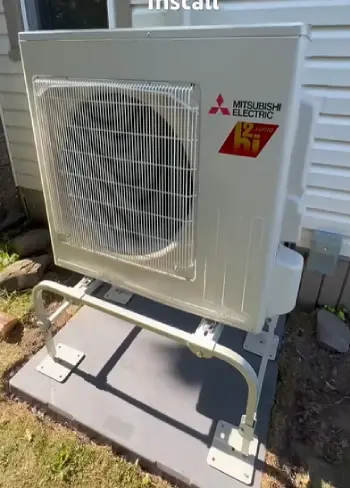
- Unmatched Reliability: Many users report years of trouble-free operation, building trust over time.
My friend’s system has run smoothly through multiple seasons with minimal maintenance.
- Superior Cold Weather Heating: Ideal if you live in northern climates where winters hit hard.
The hyper-heating capability keeps indoor spaces cozy without extra heaters.
- Energy Savings Over Time: High efficiency and smart tech often lead to lower lifetime operating costs, offsetting the higher purchase price through reduced utility bills.
- Excellent Noise Control: Barely noticeable even at full power, great for light sleepers or quiet home offices where every decibel counts.
- Strong Warranty and Support: Longer coverage and a vast network of trained installers make service straightforward and reliable across many regions.
- Smart Comfort Features: Automatic adjustments based on room occupancy and temperature create a more effortless living experience that feels truly modern.
These pros position Mitsubishi as a leading choice when you prioritize long-term satisfaction and cutting-edge engineering.
Cons Of Mitsubishi Mini Splits
Even with its strengths, Mitsubishi comes with trade-offs that you should weigh carefully:
- Higher Initial Cost: The premium price can feel steep if your budget is tight upfront, requiring a larger investment before you see returns.
- Overkill for Mild Climates: You might pay for cold-climate features you rarely use if you live in moderate weather zones.
- Installation Complexity: Professional setup is a must, and costs add up with multi-zone systems, especially if your home needs custom configurations.
- Aesthetic Considerations: Wall-mounted units are visible, same as most mini splits, but the design is sleek—still, some prefer less noticeable solutions.
- Potential for Higher Repair Costs: While rare, specialized parts and service can be more expensive due to the advanced technology involved.
- Learning Curve for Full Features: Advanced sensors and controls offer great benefits but may take time to fully utilize if you prefer simple operation.
These cons remind you that Mitsubishi works best when your needs align with its premium capabilities.
My Real-User Experience Comparing Them Side By Side
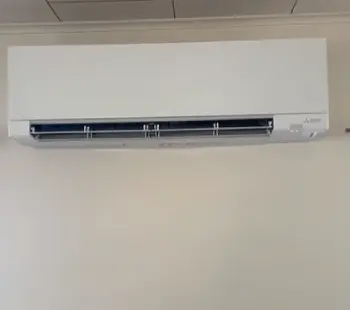
I installed a Bosch system in my garage workshop and compared notes with a friend who went with Mitsubishi for his main house.
In daily use, both delivered comfortable temperatures quickly.
The Bosch felt punchy on value—I paid less and still got quiet, efficient cooling that handled summer heat without drama. My energy bills dropped noticeably.
Mitsubishi, on the other hand, excelled during a cold snap. It ramped up heating seamlessly where the Bosch worked hard but didn’t quite match the consistency.
Controls on Mitsubishi felt more intuitive with automatic adjustments, while Bosch required more manual tweaks via app or remote.
Installation for both went smoothly with certified techs, but Mitsubishi’s network seemed more widespread in my area.
Noise-wise, both stayed under the radar—perfect for bedrooms. Over months, the Bosch proved dependable for the price, while Mitsubishi gave that “set it and forget it” confidence.
If you’re like me, weighing long-term ownership against initial spend, Bosch offers a compelling middle ground. Mitsubishi rewards patience with superior engineering that shines in demanding conditions.
Factors To Consider Before Choosing
Think about your climate first. Mild areas? Bosch delivers great bang for the buck. Harsh winters? Mitsubishi’s hyper-heating makes a real difference.
Budget plays a huge role too—factor in installation, which can vary but often favors the more affordable Bosch.
Room layout matters. Both handle multi-zone well, but count your indoor units carefully. Energy efficiency ratings help predict bills, yet real savings depend on usage and insulation.
Don’t overlook local service—having a trusted technician familiar with the brand saves headaches later.
I also considered aesthetics. Both have sleek indoor units, but placement affects how they blend into your decor.
Smart home integration is available on both, though Mitsubishi’s sensors give it an edge in automation.
Square footage, ceiling height, and insulation levels all influence which system performs best for you.
Talking to multiple installers gave me clearer quotes and helped match the right capacity to my spaces.
Which One Should You Pick?
From my perspective, you should choose Bosch if you want reliable performance at a friendlier price and don’t often face extreme cold temperatures in your area.
It delivers solid everyday comfort, good efficiency, and flexible zoning without requiring a large upfront investment, making it ideal for budget-conscious homeowners or those with milder climates who still want quality ductless heating and cooling.
On the other hand, go with Mitsubishi if you value top-tier engineering, unmatched reliability in harsh winters, and advanced features that provide effortless comfort over many years.
The higher initial cost often pays off through superior cold-weather performance, lower long-term operating expenses, and that confident feeling of owning a premium system built to last.
I personally lean toward value without sacrificing essential quality, so Bosch won me over for my own garage setup after careful comparison.
That said, your home’s specific needs might point in a different direction. I strongly recommend getting quotes from several local installers, sharing your square footage, insulation details, and climate challenges so they can match the right capacity and configuration.
Ultimately, both options represent strong choices in the mini split world—your decision comes down to balancing immediate budget realities with long-term comfort goals and how you plan to use the system day in and day out.
Also Read: Comparison Of Samsung And Mitsubishi Mini Split
Frequently Asked Questions (FAQ)
Mitsubishi often ranks highest for long-term reliability and consistent performance across climates.
Yes, Bosch offers solid, efficient, and quiet systems that provide excellent value for many homeowners.
Many consider it among the best, especially for cold climates and premium features, though “best” depends on your specific needs and budget.
Bosch partners with manufacturers like Midea for production, combining their branding with established component technology.
In Wrapping This Up
I hope my comparison helps you feel confident picking between Bosch and Mitsubishi mini splits. Both bring real comfort improvements to homes like yours and mine.
If you prioritize smart spending and dependable daily use, give Bosch serious thought. If you want the gold standard in performance and are ready to invest, Mitsubishi rarely disappoints.
Whichever path you take, a professional installation ensures you enjoy years of efficient, zoned comfort. What matters most is matching the system to how you live—your home deserves that tailored solution.
Recent Posts
● Interactive 5-Zone Interior & Exterior Paint Blueprint Paint Coverage Calculator: Gallons, Primer, Square Footage & Cost Tap any architectural surface zone on the blueprint...
If you want smooth, shiny hair without spending a fortune on a premium styling tool, the Ella Bella hair dryer may be worth considering.In these Ella Bella hair dryer reviews, I’ll look...