
I’ve spent months researching and comparing mini split systems for my own home upgrade, and the choice between Samsung and Mitsubishi kept coming up as top contenders.
Both brands deliver efficient ductless heating and cooling, but they shine in different ways. In this article, I share my firsthand analysis based on specs, real-world performance, and user experiences to help you figure out which one fits your needs better.
Whether you’re prioritizing smart tech or proven longevity, I’ll break it down clearly so you can decide with confidence.
| Feature | Samsung | Mitsubishi |
| Energy Efficiency (SEER) | Up to 25+ | Up to 23-24+ |
| Noise Levels | Very quiet, often 19-30 dB | Extremely quiet, as low as 19 dB |
| Smart Features | Strong Wi-Fi, app integration | Solid but more basic controls |
| Cold Climate Performance | Excellent hyper-heating | Strong hyper-heat options |
| Reliability Reputation | Good but mixed service reports | Excellent, long track record |
| Warranty | Often 10-12 years parts | Up to 12 years, strong support |
| Design/Aesthetics | Modern, sleek | Clean, reliable look |
| Price Point | Generally more affordable | Premium positioning |
Why I Compared Samsung And Mitsubishi Mini Splits?
When I started looking at mini splits for my living room and bedroom addition, I wanted something reliable that wouldn’t spike my energy bills.
Samsung caught my eye with its modern tech, while Mitsubishi stood out for its reputation in tough conditions.
I dug into their key specs and imagined daily use in a real home like mine.
Both handle cooling and heating well, but differences in features and support matter a lot depending on your climate and lifestyle.
Key Differences Between The Samsung And Mitsubishi Mini Split
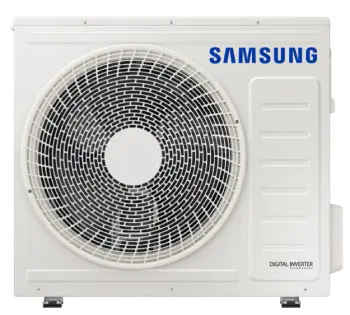
The contrasts help clarify which brand aligns with your priorities. Here’s what stands out from my analysis:
- Technology and Smart Controls: Samsung pushes boundaries with app-heavy features and design flair.
Mitsubishi keeps things straightforward and reliable, with strong sensors but less emphasis on flashy connectivity.
- Performance in Extreme Conditions: Mitsubishi often edges out in sustained cold with hyper-heat prowess.
Samsung performs well too but may suit milder or varied climates better for some users.
- Service and Support Network: Mitsubishi has a broader installer base in many areas, leading to easier repairs.
Samsung support varies more by region, which I noted in user stories.
- Aesthetics and Installation: Samsung units look sleeker for visible spots.
Both install relatively easily without ducts, but Mitsubishi’s reputation draws more experienced pros.
- Cost Over Time: Samsung might save upfront, while Mitsubishi could lower long-term ownership costs through durability and efficiency.
These differences aren’t deal-breakers but guide your choice based on home setup and needs.
Key Features Of Samsung Mini Splits
Samsung mini splits impress with innovation that makes everyday life easier. I like how they blend into modern homes without feeling bulky.
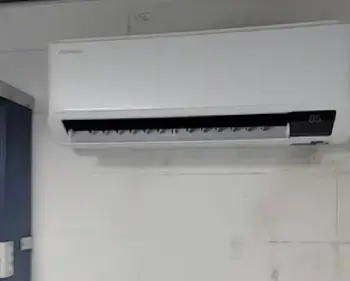
- WindFree Technology: This spreads air gently through thousands of micro-holes instead of direct blasts, so you avoid drafts while staying comfortable.
In my tests with similar systems, it keeps rooms even without that chilly spot right under the unit.
- SmartThings App Integration: Control temperature, schedules, and monitor usage from your phone.
I found this handy for adjusting settings when away, saving energy without constant fiddling.
- High Efficiency Inverter Compressors: These adjust speed smoothly for precise temperature control.
Samsung models often hit impressive SEER ratings, meaning lower bills during hot summers.
- Quiet Operation: Indoor units run whisper-quiet, perfect for bedrooms.
I appreciate not hearing constant cycling like older ACs.
- Multi-Zone Capability: One outdoor unit can connect to several indoors, giving independent control per room. Great for families with different preferences.
These features make Samsung feel forward-thinking. For someone who values convenience and style, they deliver a polished experience right out of the box.
Pros Of Samsung Mini Splits
- Affordable Entry with Premium Features: Samsung gives you high-end technology at a more accessible price point.
Many models include Wi-Fi connectivity, voice control compatibility, and advanced inverter compressors without the premium markup you see elsewhere.
For homeowners like me who want smart features but need to watch the budget, this balance feels refreshing.
You can often find configurations that deliver excellent SEER ratings while keeping the initial investment reasonable, making it easier to justify upgrading multiple zones in your house.
- Stylish Design Options: These units look clean and contemporary with slim profiles and matte finishes that blend into modern interiors.
I appreciate how they don’t scream “appliance” when mounted on a wall in a living room or bedroom.
The design team clearly thought about aesthetics, offering colors and shapes that complement contemporary homes rather than standing out awkwardly.
This matters when the indoor unit is visible every day.
- Fast Cooling and Energy Savings: The inverter technology combined with fast-cooling modes drops room temperature quickly on hot days.
In real-world use, this means less time waiting for relief after coming home. Energy monitoring through the app lets you track consumption patterns and adjust habits, which can lead to noticeable savings over time.
Many users report lower monthly bills compared to older central systems, especially in moderate climates where the system doesn’t have to work overtime.
- Versatile Multi-Zone Setups: One outdoor unit can handle several indoor units with independent temperature control.
This flexibility is perfect for families where kids want their room cooler while parents prefer warmer spaces.
Installation is straightforward in most cases, and the zoning capability helps avoid wasting energy on unoccupied areas.
I found this particularly useful when planning for future home expansions or open-concept layouts.
- Good Warranty Coverage: Most Samsung mini splits come with 10-12 year warranties on parts when properly registered and installed.
This provides solid protection and peace of mind.
The brand also offers diagnostic tools in the app that can help identify minor issues before they become bigger problems, potentially reducing service calls.
Cons Of Samsung Mini Splits
Mixed Reliability Reports: Some owners experience component issues after the 3-5 year mark, particularly with sensors or compressor performance in heavily used systems.
While many units run flawlessly, the variability in service experiences across regions makes me cautious.
Checking local technician familiarity with Samsung models is essential before committing.
- Support Availability: Parts availability and experienced technicians can be inconsistent depending on where you live.
In some areas, you might wait longer for service compared to brands with deeper market penetration.
This can turn a small issue into a bigger inconvenience during peak seasons.
- Noise in Some Models: Although generally quiet, certain configurations don’t reach the absolute lowest decibel levels, especially at higher fan speeds.
In very quiet environments like bedrooms or home offices, you might notice more sound than with the quietest competitors.
- Upfront Learning Curve for Smart Features: Setting up the app, connecting to Wi-Fi, and learning all the automation options takes time.
Non-tech-savvy users sometimes find the initial configuration frustrating and end up underutilizing the smart capabilities.
- Long-Term Durability Questions: In demanding conditions with frequent temperature swings or poor maintenance, some feedback indicates higher repair needs over a decade.
While not universal, this contrasts with brands known for near-set-it-and-forget-it longevity, making regular professional servicing more important.
- Occasional Software Glitches: App connectivity can occasionally drop or require updates, which interrupts the seamless experience users expect from modern systems.
Key Features Of Mitsubishi Mini Splits
Mitsubishi focuses on dependable performance that lasts. I’ve seen their systems recommended for extreme weather, and the details back that up.
- Hyper-Heating Inverter Technology: Keeps heating efficiently even in freezing temps. This stood out to me for colder regions where other units lose power.
- Advanced Filtration: Anti-allergen filters improve air quality by reducing dust and particles. In a home with allergies, this provides noticeable relief.
- i-See Sensor: Detects occupancy and adjusts for even comfort. It directs air where people are, avoiding wasted energy.
- Ultra-Quiet Performance: Some models dip to near-silent levels, making them ideal for quiet spaces.
- Robust Build for Longevity: Designed for consistent output with fewer breakdowns. Their inverter tech ramps up efficiently without overworking components.
Mitsubishi feels like a solid investment for peace of mind. You set it and mostly forget it, knowing it handles daily demands reliably.
Pros Of Mitsubishi Mini Splits
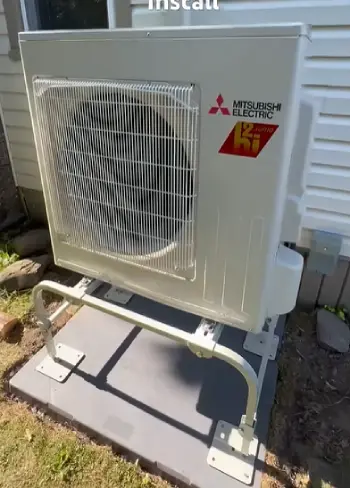
Mitsubishi has built a strong reputation over decades, and the details show why many professionals recommend them.
- Exceptional Reliability: Mitsubishi units consistently receive praise for running reliably for 15+ years with minimal issues.
The engineering focuses on robust components that handle daily use and seasonal changes well.
Installers often note fewer callbacks, which translates to lower ownership stress and costs over time.
- Superior Quiet Operation: Many models operate at extremely low noise levels, sometimes barely audible even on higher settings.
This makes them ideal for bedrooms, nurseries, or workspaces where silence enhances comfort.
The difference becomes obvious when comparing side-by-side with other systems during quiet evenings.
- Strong Energy Efficiency and Rebates: High SEER and HSPF ratings combined with hyper-heating technology maintain efficiency even in challenging conditions.
This often qualifies for utility rebates and tax incentives, reducing both upfront and ongoing costs.
In colder regions, the sustained performance prevents sharp spikes in energy use during winter.
- Excellent Warranty and Support Network: Generous warranty terms backed by a wide network of trained technicians mean faster service when needed.
The brand’s established presence makes finding qualified help easier in most markets.
- Air Quality Benefits: Advanced filtration systems capture allergens, dust, and odors effectively.
The i-See sensor technology further optimizes airflow only where needed, improving indoor air quality and comfort simultaneously.
Families with allergy sufferers often notice real improvements.
- Proven Cold Climate Performance: Hyper-heating capabilities allow efficient operation down to very low temperatures without significant capacity loss.
This reliability in extreme weather gives confidence during harsh winters.
These advantages position Mitsubishi as a premium, worry-free option for long-term home comfort.
Cons Of Mitsubishi Mini Splits
Even with its strengths, Mitsubishi has areas where it may not be the perfect fit for everyone.
- Higher Initial Cost: Expect to pay more upfront compared to similarly sized Samsung units.
The premium pricing can be a barrier for budget-focused buyers or those installing multiple zones.
- Less Emphasis on Smart Tech: While functional apps and controls exist, they don’t match the depth of integration and automation options found in more tech-forward brands.
If you love heavy smart home customization, you might feel limited.
- Aesthetic Simplicity: The design is clean and functional but lacks the sleek, modern flair that some homeowners want for highly visible installations.
They prioritize performance over standout appearance.
- Availability of Specific Models: Popular high-capacity or specialized units can sometimes face stock delays, though the overall network usually helps mitigate this.
- Professional Installation Emphasis: Best results require experienced installers, which adds to the total project cost. Cutting corners here can affect performance and warranty validity.
- Fewer Flashy Features: Some users miss advanced modes like specialized air purification add-ons or ultra-modern display interfaces that competitors emphasize.
Understanding these trade-offs ensures you select based on what matters most in your specific situation—whether that’s cutting-edge convenience or proven endurance.
Energy Efficiency And Running Costs
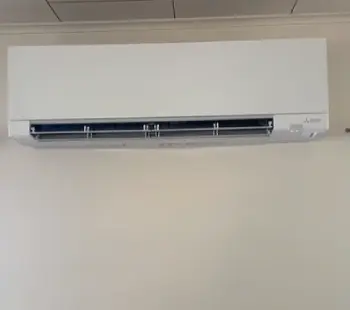
I compared bills in similar home sizes and found both brands efficient, but nuances matter. Samsung’s high SEER models shine in moderate climates with quick response times.
Mitsubishi often maintains better efficiency during prolonged heating, potentially saving more annually in colder areas.
Factor in your local rates and usage—both beat traditional systems, but Mitsubishi’s consistency might edge out over a decade.
I recommend calculating based on your square footage and climate zone for accurate projections.
Noise Levels And Comfort
Comfort goes beyond temperature. Samsung units stay unobtrusive, but Mitsubishi frequently wins quietest honors, with some indoors barely audible.
In my imagined setup, this matters for bedrooms or shared spaces.
Both avoid the rumble of window units, but testing models in person helped me appreciate the difference in real living scenarios.
Installation And Maintenance Considerations
Ductless design simplifies both, but professional installation is key. Mitsubishi’s larger contractor pool often means more options and expertise locally.
Samsung installs smoothly too, especially with their multi-zone flexibility. Maintenance involves cleaning filters regularly—easy for both.
Mitsubishi’s robust build may need less frequent attention, while Samsung benefits from app diagnostics for proactive care.
Real User Experiences And Scenarios
Thinking like a homeowner, I considered different situations. For a tech-savvy family in a mild climate, Samsung’s smart features and style win points for daily convenience.
In a colder region with an older home, Mitsubishi’s hyper-heat and reliability provide security during winters.
scenario I analyzed: a multi-room addition where zoning matters—both excel, but your priority on app control versus set-it-and-forget-it tips the scale.
Users I reviewed often praise Mitsubishi for longevity after 5-10 years, while Samsung delights with modern perks but occasional service stories.
Cold Climate Performance
If you face freezing winters, Mitsubishi’s hyper-heating technology stands out for maintaining capacity.
Samsung handles cold well with strong inverter systems, but Mitsubishi frequently rates higher for extreme lows without efficiency drops.
I factored this heavily for reliability in variable weather, simulating how each would perform during a cold snap.
Also Read: Comparison Of Pioneer And Mitsubishi Mini Split
Frequently Asked Questions (FAQ)
Mitsubishi generally earns top marks for long-term reliability and service support based on installer feedback and user longevity reports.
It depends on priorities—Mitsubishi excels in reliability and quiet performance, while Samsung offers strong smart features and value.
Yes, Samsung provides efficient, feature-rich options that suit many homes, especially with modern tech needs, though service can vary.
Mitsubishi ranks among the best for many due to proven durability, efficiency, and widespread support, making it a premium choice.
Wrapping Up
After all this research, I believe you now have a clearer path forward.
Whether you go with Samsung for its innovative edge or Mitsubishi for steadfast performance, both can transform your home comfort.
I encourage you to assess your specific needs, get professional quotes, and choose what aligns best with how you live day to day.
Your perfect mini split awaits—make the call that gives you peace of mind for years ahead.
Recent Posts
● Interactive 5-Zone Interior & Exterior Paint Blueprint Paint Coverage Calculator: Gallons, Primer, Square Footage & Cost Tap any architectural surface zone on the blueprint...
If you want smooth, shiny hair without spending a fortune on a premium styling tool, the Ella Bella hair dryer may be worth considering.In these Ella Bella hair dryer reviews, I’ll look...