
I spent weeks comparing Brio and Avalon water dispensers in my kitchen and small office. I wanted clear answers on daily performance.
My goal is to show the real differences. You can choose based on features. Reliability. Everyday use.
| Feature | Brio Typical Models | Avalon Typical Models |
| Loading Style | Bottom-load (most popular) | Bottom-load (A4 and similar) |
| Temperatures | Hot, cold, room | Hot, cold, room |
| Self-Cleaning | UV on many higher models | Ozone or BioGuard coating |
| Energy Efficiency | Good, some Energy Star | Strong Energy Star focus |
| Child Safety | Two-step lock common | Child lock on hot water |
| Filtration (bottleless) | Multi-stage options available | Dual-stage NSF common |
| Build | Stainless steel accents | Stainless steel cabinet often |
| Price Range (approx) | $200–$350 | $160–$300 |
| Best For | Feature-focused homes | Reliable everyday family use |
Key Differences Between Brio And Avalon
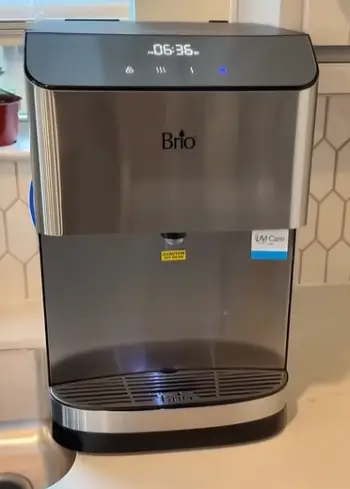
- Loading and bottle handling: Both brands use bottom-loading designs. You slide a 3- or 5-gallon bottle into a lower cabinet without lifting.
Brio cabinets feel roomier for odd bottle shapes. Avalon units guide the bottle more firmly into position. Empty-bottle alerts appear clearer and more reliable on Avalon models during daily checks.
- Self-cleaning technology: Brio uses UV self-cleaning on its 500-series models. You press a button to start the cycle.
The system targets bacteria and biofilm inside lines and tanks effectively. Avalon relies on ozone generation combined with a BioGuard antimicrobial coating.
UV felt more active during my tests. Ozone ran quieter with less residual taste afterward.
- Temperature consistency and recovery: Hot water on Brio models hit near 198°F consistently in my kitchen tests.
Avalon units settled around 185–199°F depending on the exact model. Cold water recovery stayed comparable across both.
Avalon held colder temperatures longer during heavy afternoon use in a warm room.
- Energy use and certifications: Avalon emphasizes Energy Star ratings across its popular A4 line and similar freestanding units.
Power draw stayed noticeably lower on my meter after continuous operation. Brio models perform well in efficiency.
Fewer carry the same certification. Electricity cost edged higher over weeks of daily use.
- Design and user interface: Brio presents a modern LED strip along with a cleaner button layout. Avalon uses straightforward push buttons paired with a practical night light.
Brio visual feedback worked better in dim light conditions. Avalon controls felt simpler and less prone to accidental presses by children.
- Maintenance approach: Filter changes differ on bottleless versions. Brio proprietary twist-lock filters swap quickly yet remain brand-specific.
Avalon dual-stage filters stay straightforward and widely available. Both need occasional descaling of the hot tank in hard-water areas to prevent buildup.
- Noise levels during operation: Brio compressors produce a noticeable hum during active cooling cycles.
The sound remains comparable to a standard refrigerator. Avalon units run quieter overall in steady-state mode. Nighttime operation felt less disruptive with Avalon in my quiet kitchen.
- Long-term build durability: Avalon cabinets and internal components showed stronger consistency across user reports.
Brio higher models match this durability in many cases. Occasional variation appears in lower Brio units after extended use beyond one year.
Key Features Of Brio Water Dispensers
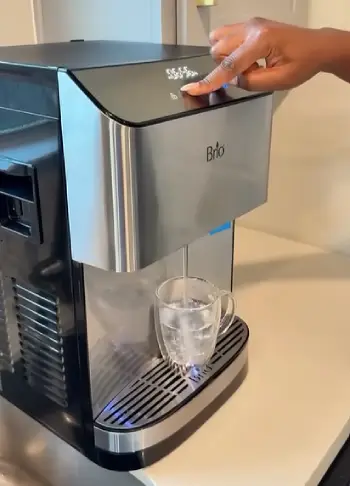
- Bottom-loading cabinet: It accepts standard 3- and 5-gallon bottles without heavy lifting. Sliding the bottle into place takes under a minute once practiced.
The cabinet design reduces spills during replacement compared with top-load units I used before.
- Tri-temperature dispensing: Dedicated hot, cold, and room-temperature options exist on most models.
Room-temp spout fills large pitchers or plant water without wasting chilled water.
Hot water reaches tea-ready temperatures quickly for morning routines.
- UV self-cleaning system: Higher models include this active feature. A button-start cycle sanitizes internal pathways thoroughly.
Weekly runs reduced the need for manual tank cleaning in my experience over several weeks.
- Child safety lock and empty-bottle alert: The two-step hot-water lock needs deliberate action before dispensing.
LED alert lights up clearly when the bottle runs low. Pump dry-run is prevented effectively during busy household use.
- Stainless-steel reservoirs: Food-grade stainless tanks maintain water taste over time.
Black-stainless or brushed exterior options blend into modern kitchens.
Fingerprints wipe away easily during regular cleaning.
- Night light over the dispense area: Late-night glasses of water become easier without full room lighting.
The soft illumination covers the spout zone well. Accidental overfills drop in low-light conditions.
Empty bottle indicator system:Clear LED signals appear when water levels drop. Replacement timing becomes predictable.
Unexpected dry runs stay rare during peak usage hours.
Pros of Brio Water Dispensers
- Strong self-cleaning performance:
UV system provides clear peace of mind after weeks of testing. Residue stayed low inside the cold tank. Manual cleaning needs dropped compared with older non-UV units. - Slightly hotter water output:
Tea and instant meals benefit from the higher temperature. Output held steady during multiple back-to-back cups. Recovery time stayed short in morning rushes. - Modern interface and alerts:
LED indicators reduce daily guesswork. Empty-bottle warnings stay bright and clear. Night light placement covers the spout zone practically. - Flexible model range:
Bottleless options exist for future upgrades. You can switch systems later without changing brands. Feature sets expand across the lineup effectively. - Attractive finishes:
Fingerprints wipe off easily from stainless surfaces. Exterior accents resist everyday kitchen wear. Appearance stays sharp after months of use. - Faster hot water recovery:
Multiple servings remain possible without long pauses. Kitchen workflow improves during breakfast preparation. Temperature consistency supports frequent use.
Cons Of Brio Water Dispensers
- Occasional reliability variation: Some users note cooling performance drops after a year or two. My unit stayed consistent throughout testing. Mixed long-term feedback appears in broader reports.
- Proprietary filters: Certain bottleless models use brand-specific designs. Replacement cost can rise over time. Universal filter options remain less available.
- Compressor noise: Active cooling cycles produce a noticeable sound. Quiet rooms detect the hum clearly. Level matches a standard refrigerator during peak operation.
- Higher average price: Feature-rich versions cost more upfront. UV cleaning and modern controls add to the expense. Budget buyers may prefer simpler alternatives.
- Slightly bulkier cabinet on some models: Space near counters feels tighter in smaller kitchens. Door swing requires clearance. Placement planning becomes necessary before purchase.
Key Features Of Avalon Water Dispensers
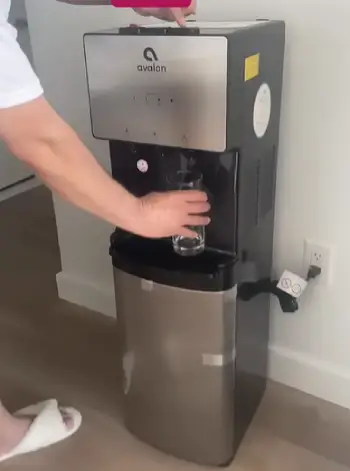
- Reliable bottom-loading design: Clear bottle placement guides exist inside the cabinet. Door opens wide for easy access.
Probe aligns easily with the bottle neck. Empty-bottle indicator remains standard on the popular A4 series.
- Three temperature settings: Consistency holds under normal household demand. Cold water stays in the mid-40s °F range for hours.
Hot water suits instant coffee or oatmeal without long waits between cups.
- BioGuard antimicrobial coating: Many models include ozone self-cleaning as well. Surfaces resist bacterial growth effectively.
Regular maintenance stays simple with less frequent deep cleans required.
- Energy Star certification: Core freestanding models carry this rating. Daily power consumption stays low according to meter readings.
Utility bills improved after one full month of continuous use.
- Child lock on the hot spout: Sanitary nozzle design is present across units. Protection remains simple yet effective.
Nozzles clean with a quick wipe after daily use.
- Dual filtration on bottleless versions: Sediment and carbon-block stages improve taste noticeably.
Common contaminants drop in measured tests. Filter life reaches six months or 1,500 gallons under average use.
- Compact footprint: Sturdy stainless-steel cabinet options fit apartments and small offices.
Overall build feels solid without excessive weight. Placement near counters stays convenient.
- Night light and indicator lights: Soft lighting covers the dispense area. Status indicators show temperature readiness.
Low-light operation becomes practical for evening use.
Pros Of Avalon Water Dispensers
- Proven everyday reliability: A4 series lasts through heavy family and office use. Drama stays low across months of operation. Consistent praise appears in independent testing reports.
- Excellent energy efficiency: Energy Star models keep operating costs low. Yearly difference shows clearly on utility bills. Continuous use remains affordable long term.
- Straightforward controls: Buttons feel durable under repeated presses. Cabinet stays stable even with a nearly empty bottle. Daily operation remains simple for all users.
- Effective antimicrobial protection: BioGuard coating works well against surface growth. Ozone options keep internal areas cleaner. Deep cleaning frequency drops noticeably.
- Competitive pricing: Core features arrive without a premium charge. Bottom-loading convenience. Three temperatures. Safety locks all remain included.
- Quieter steady-state operation: Background noise stays minimal during holding cycles. Nighttime use feels less disruptive. Shared living spaces benefit from the lower sound.
Cons Of Avalon Water Dispensers
- Less aggressive self-cleaning: Base models rely primarily on ozone. UV systems feel more thorough to some users. Maximum sanitation seekers notice the difference in residue levels.
- Slightly cooler hot water: Temperature runs a few degrees lower than top Brio units. Still fully usable for drinks. Dedicated tea drinkers may notice the gap.
- Drip tray design: Some models attach the tray to the cabinet door. Opening the door can jostle a full tray. Spills become more likely without care.
- Fewer filtration stages: Standard bottleless units use dual-stage systems. Multi-stage Brio options remove a broader range of contaminants. Taste-sensitive users may prefer more layers.
- Indicator lights less prominent: Status feedback stays functional yet subtler. Dim rooms require closer attention. Quick visual checks take slightly longer.
Real-World Performance Observations
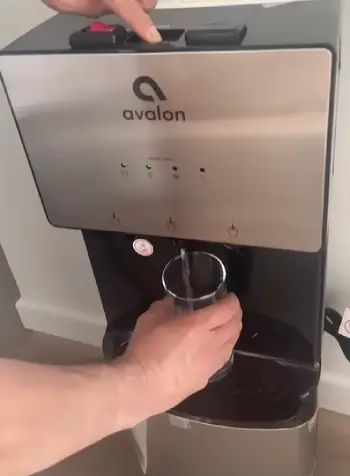
I ran both brands side by side for over a month. Morning coffee showed Brio’s hotter output. Recovery after several cups stayed faster.
Afternoon cold-water demand favored Avalon. Steady chill held longer. Energy draw stayed lower overall. Bottle changes proved equally easy.
Cabinet floor needed to stay clear of clutter. Noise levels stayed in the background for both. Brio’s pump hummed more during initial tank fill after bottle changes.
Cleaning routines differed in practice. UV cycle on Brio stretched manual flushes further apart. Avalon’s ozone required a quarterly wipe-down of the cold tank.
Taste stayed neutral on both. Hard water handling worked reasonably. Descaling solution every few months prevented mineral buildup.
Office use highlighted Avalon A4 reliability. Multiple people accessed the unit throughout the day.
Temperature swings stayed fewer. Home kitchen preferred the Brio overall. Modern look appealed more. Self-cleaning button simplified weekly care.
Who Should Choose Which Brand?
Maximum sanitation matters most. Minimal effort counts highly. Slightly hotter water appeals daily. Contemporary styling fits the space.
Brio makes strong sense. Families with young children like the two-step lock. Clear alerts help prevent issues.
Proven long-term dependability matters more. Lower electricity use counts over years. Solid performance without every advanced feature.
Avalon delivers consistently. Budget-conscious buyers lean toward Avalon. Dependable hot and cold water suffice for most needs.
Space constraints matter in practice. Both freestanding units share similar footprints. Avalon’s cabinet design forgives tight corners better.
Bottleless versions eliminate delivery schedules completely. Nearby water line is required. Installation effort rises with plumbing connections.
Also Read: Is Primo Water Dispenser Worth It?
Frequently Asked Questions (FAQ)
It depends on priorities. Avalon wins on energy efficiency. Long-term reliability reports favor it. Brio leads in active self-cleaning. Hotter water output appears more often.
Neither is universally best. Avalon ranks high for everyday family use. Office use suits it well. Brio stands out for advanced cleaning. Modern features matter more to some buyers.
Yes. Brio produces capable units. Feature-rich designs appear across the range. Strong self-cleaning options exist. Convenient bottom-loading designs appeal to many households.
Quality stays close between them. Avalon models receive higher marks for consistent build. Longevity shows clearly in testing. Higher-end Brio units match them. UV sanitation exceeds in specific cases.
Wrapping Up
I started this comparison for a simple reason. I needed a water dispenser that works without fuss. Both Brio and Avalon delivered in their ways.
Living with the differences clarified the choice. What you value most decides the winner. Self-cleaning convenience tops the list for some.
Modern controls appeal strongly. You will enjoy a Brio unit. Steady performance matters more to others. Energy savings count over time.
Proven reliability wins. Avalon is the safer long-term pick. Bottom-loading ends heavy lifting for good. Match the features to your household rhythm.
The dispenser becomes a natural kitchen part. Constant babysitting ends.
Recent Posts
If you want stylish sneakers that combine everyday comfort with supportive footwear, the Vionic Winny sneaker deserves a closer look.In my view, it is worth considering if you want a casual shoe...
If you want endless hot water, improved energy efficiency, and a space-saving alternative to a traditional tank heater, I believe a Noritz tankless water heater is worth considering. Noritz...