
I wanted a water dispenser that could make everyday drinking water easier without constantly filling pitchers or taking up too much kitchen space.
After using a Primo water dispenser, I found that its convenience, hot-and-cold water options, and bottle compatibility make it worth considering for busy households.
If you want quick access to chilled water and hot water for coffee, tea, or meals, I think you should buy a Primo water dispenser, especially if convenience matters more to you than having the absolute cheapest setup.
My First Experience With The Primo Water Dispenser
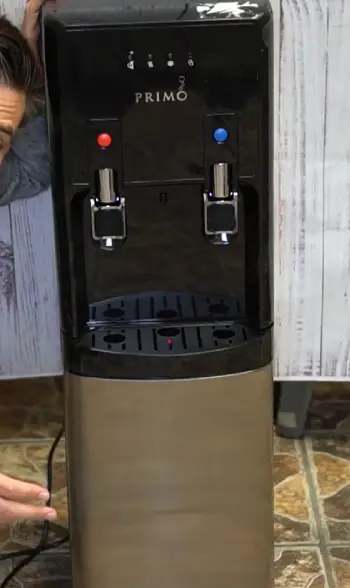
When I first started using a Primo water dispenser, the biggest difference I noticed was how much easier it made my daily routine.
Instead of opening the refrigerator every time I wanted cold water, I could simply place my glass underneath the dispenser and get chilled water within seconds.
That sounds like a small convenience, but I noticed it quickly became one of those household features I did not want to give up.
I could refill my bottle before leaving home, grab cold water while cooking, or fill a glass without opening the refrigerator door.
The hot-water function was equally useful. I regularly use hot water for tea, instant coffee, oatmeal, and other quick meals.
Having hot water available from the dispenser saved me from heating a kettle every time.
I also liked that the hot and cold functions were separated, which made the controls straightforward.
One thing I paid attention to was the overall design. Primo dispensers generally have a modern, appliance-like appearance rather than looking like a large office water cooler
. Depending on the model, you can find top-loading and bottom-loading designs, so I could choose the setup that suited my space and physical comfort.
The bottom-loading style particularly appealed to me because lifting a large bottle onto the top of a dispenser can be awkward. With a bottom-loading model, I could slide the bottle into the cabinet area instead of repeatedly lifting it overhead.
I also appreciated the ability to use different water sources depending on the setup. That gave me more flexibility than a basic countertop filter alone.
Still, I quickly realized that owning a dispenser is not completely maintenance-free. The machine needs cleaning, the bottle area needs attention, and I have to keep an eye on the water supply. If you ignore those tasks, even a convenient dispenser can become unpleasant to use.
Overall, my experience was positive. The dispenser made hydration easier, reduced small daily hassles, and gave me hot and cold water on demand. For me, those practical benefits were the main reason the Primo system earned a place in my kitchen.
Pros Of Primo Water Dispensers
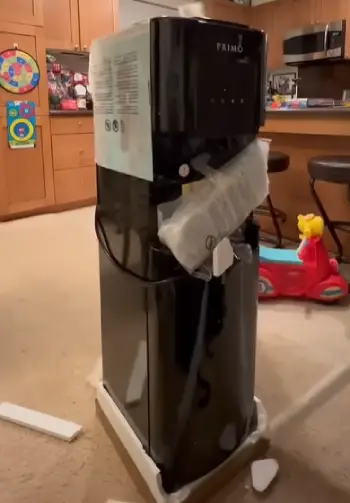
- Convenient Hot and Cold Water
For me, this is the biggest advantage. Having hot and cold water available from the same appliance is genuinely useful.
Cold water is ready when I come home from outside, while hot water is available when I want tea or another warm drink. I do not have to use separate appliances for these basic tasks.
That convenience becomes even more valuable when several people are using the dispenser throughout the day.
- Bottom-Loading Convenience
If you have ever lifted a heavy water bottle onto a dispenser, you know it can be annoying. I prefer bottom-loading designs because they reduce that hassle.
Instead of lifting the bottle above my shoulders, I can place it inside the lower cabinet area. That makes the setup much friendlier for people who have difficulty handling heavy containers.
It also feels more practical for frequent bottle changes.
- Cleaner-Looking Kitchen Setup
I think appearance matters more than people realize. A bulky appliance can make a kitchen feel cluttered.
Primo dispensers generally have a relatively polished appearance, and many models can fit naturally into kitchens, offices, garages, or entertainment areas.
I appreciate appliances that perform their job without becoming the visual centerpiece of the room.
- Easy Access for the Whole Family
A dispenser can make drinking water more accessible. Children and adults can quickly fill their cups or bottles without opening the refrigerator.
That can encourage everyone in the household to drink more water simply because it is easier to access.
- Multiple Temperature Options
I like having options. Sometimes I want very cold water, while other times I need warm or hot water.
A dispenser that offers different temperatures gives me more flexibility throughout the day. This is especially convenient when I am preparing beverages or quick foods.
- Less Dependence on Small Bottles
A large water container can replace a collection of individual bottles. From my experience, that can make the refrigerator less crowded and the kitchen more organized.
It can also make hydration feel more intentional because I have a dedicated water station instead of grabbing random bottles whenever I feel thirsty.
- Useful for More Than the Kitchen
I do not think you have to limit a Primo dispenser to the kitchen.
Depending on the model and your available space, it can work well in a home office, garage, basement, break room, or entertainment area.
If you spend a lot of time in one part of your home, having water nearby can be surprisingly convenient.
- Good Everyday Value
The real value for me comes from repeated daily use. I am not buying the dispenser because it performs one impressive trick. I am buying it because it makes dozens of small tasks easier.
When an appliance saves time every day, its usefulness adds up.
Cons Of Primo Water Dispensers
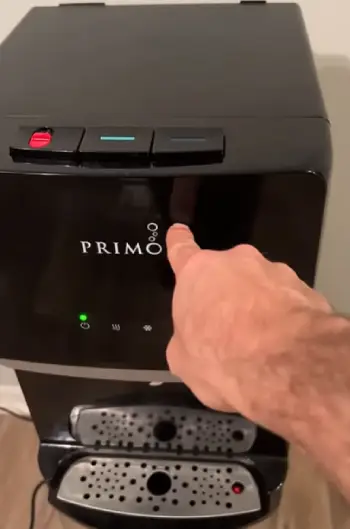
- Regular Cleaning Is Necessary
The biggest drawback is that I cannot simply install the dispenser and forget about it.
Water-contact areas need regular cleaning. The drip tray, dispensing area, bottle connection, and internal components can collect residue over time.
If I neglect cleaning, the machine can develop odors or become less pleasant to use.
- Bottles Can Be Heavy
Even though bottom-loading models make bottle replacement easier, the water containers can still be heavy.
I still need to move the bottle into position, and that can be inconvenient if I do not have enough storage space nearby.
- Requires Floor or Counter Space
A full-size dispenser takes up room. Before buying one, I recommend measuring the space carefully.
I learned that an appliance can look compact in product photos but feel larger once it is sitting beside cabinets or other kitchen equipment.
- Noise Can Vary
Some dispensers make noticeable sounds while cooling or heating water. I personally do not consider this a major issue, but if you are sensitive to appliance noise, placement matters.
I would avoid putting it immediately beside a bed or in an extremely quiet workspace.
- Ongoing Water Costs
The dispenser itself is only part of the expense. If you use large bottled water containers, you need to account for the continuing cost of water delivery, refills, or replacements.
That does not make the system bad, but it is something I would consider before buying.
Maintenance Tips For Primo Water Dispenser
- Clean the Dispensing Area Regularly
I start with the areas I touch most often. The dispensing nozzles and surrounding surfaces should be wiped regularly.
A clean cloth and appropriate cleaning method can help remove splashes, dust, and residue.
I do not wait until the area looks dirty. Routine cleaning is easier than trying to remove buildup later.
- Clean the Drip Tray
The drip tray is easy to overlook.
Water inevitably gets into the tray when I fill glasses or bottles. If I leave it unattended, it can develop residue and unpleasant smells.
I recommend removing the tray when possible, washing it thoroughly, drying it, and putting it back securely.
- Follow the Manufacturer’s Cleaning Instructions
I avoid experimenting with aggressive chemicals inside a water dispenser.
Different models can have different cleaning requirements, so I follow the instructions provided for the specific dispenser.
This is particularly important for internal water pathways and components that come into contact with drinking water.
- Keep the Bottle Connection Clean
The area where the bottle connects to the dispenser deserves extra attention.
Dust or residue around this connection can eventually make its way into areas you would rather keep clean. I inspect the connection whenever I replace a bottle.
- Replace Water Containers Properly
When replacing a container, I make sure it is positioned securely.
A poorly seated bottle can cause leaks, air-flow problems, or inconsistent dispensing. Taking an extra moment to check the connection can prevent unnecessary messes.
- Do Not Block Ventilation
I leave adequate space around the dispenser.
Cooling systems need airflow to operate properly. If I push the machine tightly against a wall or surround it with clutter, it may have a harder time releasing heat.
Good placement is a simple way to support reliable operation.
- Keep the Exterior Dry
I wipe the exterior whenever I clean the kitchen.
Water around electrical appliances is never something I want to ignore. Keeping the surrounding area dry also prevents stains and makes the dispenser look newer.
- Pay Attention to Unusual Changes
If the water starts tasting different, the dispenser develops an unusual smell, dispensing becomes inconsistent, or the appliance behaves differently, I investigate rather than ignoring it.
Small changes can sometimes be signs that cleaning or servicing is needed.
- Follow Filter Replacement Guidance When Applicable
Some Primo setups include filtration features, while others depend on bottled water. If your particular model uses a replaceable filter, I would keep track of its replacement schedule.
A neglected filter can affect taste and overall water quality.
- Give the Dispenser a Deeper Cleaning Periodically
Daily wiping is not enough by itself.
I prefer to schedule a more thorough cleaning periodically. That helps me deal with areas that are not visible during normal use.
The exact cleaning frequency depends on the model, usage, water source, and manufacturer’s instructions.
- Handle Seasonal Storage Carefully
If I ever need to store the dispenser for an extended period, I would not leave water sitting inside it.
The unit should be handled according to its storage instructions, including draining and drying where appropriate. Proper storage can help prevent stagnant water and unwanted odors.
Comparison Of Primo Water Dispenser With Other Brands
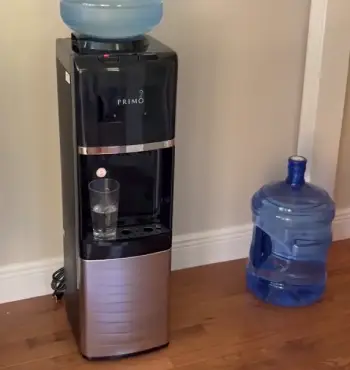
- Primo vs Avalon
Avalon is another recognizable option in the home water dispenser category. When I compare the two, I focus heavily on design, loading style, temperature controls, capacity, and long-term convenience.
Primo has a strong appeal if I want a dispenser ecosystem that emphasizes bottled-water convenience. Avalon can be attractive when I am primarily comparing individual dispenser features and appliance design.
For me, the better choice depends on whether I prioritize the overall water-delivery setup or simply want a dispenser with specific features.
- Primo vs Brio
Brio dispensers often appeal to people who want modern-looking appliances with multiple temperature settings and different configuration choices.
When comparing Brio with Primo, I would look closely at the exact model rather than judging the brands generally.
Primo makes sense for someone who values easy household access to bottled water and convenient hot-and-cold dispensing. Brio may appeal more to someone focused on dispenser design and particular filtration or temperature features.
- Primo vs Whirlpool
Whirlpool is a familiar appliance name, but I would not automatically choose a brand simply because I recognize it.
With a water dispenser, I care about the actual configuration, maintenance requirements, cooling performance, bottle compatibility, and ease of use.
Primo has the advantage for me when I want a dedicated water station rather than treating the dispenser as just another general appliance.
- Primo vs Glacier Bay
Glacier Bay offers water-related household products, and its dispensers can be worth considering depending on the model and availability.
My approach would be simple: compare the loading system, temperature options, dimensions, maintenance requirements, and ownership costs.
Primo remains appealing when I want a straightforward household water-dispenser setup with strong everyday convenience.
Who Should Buy A Primo Water Dispenser?
I think a Primo dispenser is a good match for busy families, home-office users, older adults who prefer easier access to water, and anyone who regularly drinks bottled or delivered water.
It can also be useful if you dislike constantly refilling a refrigerator pitcher.
If you entertain frequently, a dedicated water station can be helpful because guests can serve themselves without repeatedly opening your refrigerator.
I would also consider one for a garage or workspace where walking back to the kitchen for every drink becomes annoying.
Who Might Want Something Else?
I would hesitate if you have very limited floor space.
I would also think twice if your main goal is simply the lowest-cost way to get filtered drinking water. In that situation, a basic countertop filter or faucet filtration system could make more financial sense.
The same goes for people who dislike routine appliance maintenance. A dispenser requires more attention than a simple water pitcher.
Is A Primo Water Dispenser Worth It?
For me, the answer is yes, but the value depends on how you use it.
The biggest benefit is convenience. I get cold water when I want it, hot water when I need it, and a dedicated place for drinking water.
The biggest drawback is that I have to maintain it. Bottles also require ongoing spending and physical handling.
When I balance those factors, I see the Primo dispenser as a practical appliance rather than a luxury gadget. If you drink plenty of water every day and want easier access to it, the convenience can justify the cost.
Also Read: Comparison Of Brio And Primo Water Dispenser
Frequently Asked Questions (FAQ)
The company has faced legal claims involving aspects of its products and business practices. The details depend on the specific lawsuit, so buyers should distinguish allegations from proven findings.
There is no single best brand for everyone. Primo, Avalon, Brio, and other established brands can be good choices depending on features, budget, and maintenance preferences.
A Primo dispenser can potentially last several years with proper use and maintenance, but lifespan varies by model, usage, and care.
Certain Primo-related products have been subject to safety notices or recalls at different times. Check the current status for your exact model before relying on general recall information.
Final Verdict
After using a Primo water dispenser, I see it as a practical upgrade for anyone who wants convenient hot and cold drinking water at home.
It is not completely maintenance-free, and ongoing water costs matter, but the everyday convenience is hard to ignore.
If you want an easy household hydration station and are willing to clean and maintain it regularly, I would recommend buying a Primo water dispenser.
Recent Posts
● Interactive 5-Zone Interior & Exterior Paint Blueprint Paint Coverage Calculator: Gallons, Primer, Square Footage & Cost Tap any architectural surface zone on the blueprint...
If you want smooth, shiny hair without spending a fortune on a premium styling tool, the Ella Bella hair dryer may be worth considering.In these Ella Bella hair dryer reviews, I’ll look...