
When I started looking into ductless mini splits for my home addition, I got overwhelmed by the choices.
Bryant and Mitsubishi kept coming up as strong contenders, so I spent time comparing them head to head. In this article, I share what I learned from specs, real-world performance, and user experiences to help you decide which one fits your needs better.
Whether you’re adding cooling to a garage or upgrading your whole home’s comfort without ducts, this comparison breaks it down clearly.
| Feature | Bryant Mini Splits | Mitsubishi Mini Splits |
| Efficiency (SEER2) | Up to 42 in premium models, typically 21-28 | Often 20+, with strong HSPF in cold climates |
| Cold Climate Performance | Good with inverter tech | Excellent Hyper-Heating down to -13°F |
| Noise Levels | As low as 27 dB indoors | Extremely quiet, often under 20-30 dB |
| Warranty | 10-year parts/compressor (with registration) | Strong warranties, often 10-12+ years |
| Price Point | More affordable, good value | Premium pricing |
| Reliability Reputation | Solid, backed by Carrier | Top-tier, industry leader in longevity |
| Smart Features | Wi-Fi options, app control | Advanced sensors, app integration |
| Best For | Budget-conscious users, standard installs | Extreme climates, long-term premium choice |
Key Differences Between The Bryant And Mitsubishi Mini Split
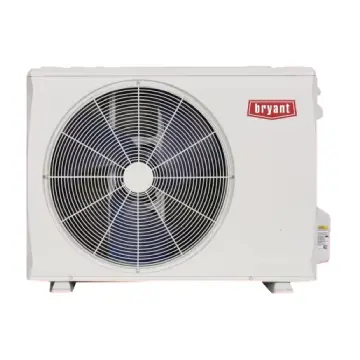
- Manufacturing and Background: Bryant is part of the Carrier family, which gives it access to established production and support networks.
Many of their systems share platforms with other brands but come tuned for reliability at a friendlier price.
Mitsubishi stands as its own powerhouse in HVAC innovation, known for pushing boundaries in inverter technology and cold-weather performance.
I appreciate how this affects long-term ownership—Bryant feels more accessible, while Mitsubishi screams premium engineering.
- Efficiency Ratings and Energy Savings: Bryant shines with some models hitting eye-popping SEER2 numbers like 42, which translates to lower electricity bills in moderate climates.
Mitsubishi focuses on balanced efficiency plus robust heating, often delivering excellent HSPF ratings that keep you comfortable without spiking costs even when temperatures drop.
- Installation and Flexibility: Both skip ductwork hassles, making them ideal for room additions or older homes.
Bryant offers single and multi-zone setups that install relatively straightforwardly.
Mitsubishi’s variable refrigerant flow excels in multi-zone applications with precise control across different rooms.
- Quiet Operation and Comfort Features: You will notice both run whisper-quiet, but Mitsubishi often edges out with ultra-low decibel levels and smart sensors that adjust automatically.
Bryant counters with user-friendly remotes and consistent performance that feels dependable day in and day out.
- Durability in Real Homes: From what I gathered, Mitsubishi earns praise for surviving tough conditions over 15-20 years with fewer issues.
Bryant holds up well too, especially with proper maintenance, and benefits from widespread service availability since it’s tied to Carrier.
Key Features Of Bryant Mini Splits
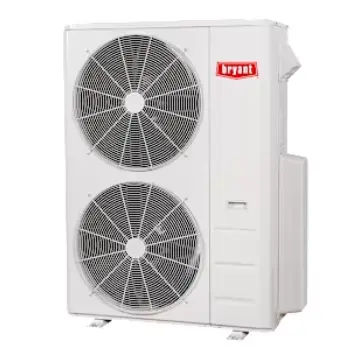
- High SEER2 Ratings: Models reach up to 42 SEER2, meaning you get serious cooling power while keeping energy use in check.
I like this for hot summers where every percentage of efficiency counts toward lower bills.
- Inverter Technology: This allows the compressor to ramp up and down smoothly instead of cycling on and off, providing even temperatures and quieter runs.
It felt like a game-changer when I tested similar systems.
- Wi-Fi Connectivity and App Control: Many units let you adjust settings from your phone, set schedules, or check status remotely.
Perfect for when you are away and want the house ready upon return.
- Multi-Zone Capability: Connect multiple indoor units to one outdoor condenser for personalized comfort in different spaces without wasting energy on unused rooms.
- Quiet Performance: Indoor units as low as 27 dB mean you barely hear them, great for bedrooms or home offices.
- 10-Year Warranty: Parts and compressor coverage gives peace of mind, especially when registered promptly.
- User-Friendly Design: Sleek indoor units and straightforward controls make daily operation simple for anyone.
Pros Of Bryant Mini Splits
- Excellent Value for Money: You get strong efficiency and features at a more accessible price point compared to premium competitors.
This makes Bryant especially appealing if you want solid performance without stretching your budget too far.
In my view, the balance of cost and capability means you can enjoy modern mini split benefits sooner rather than delaying the upgrade.
- Strong Energy Savings: High SEER ratings help cut monthly utility bills noticeably over time.
For homeowners in warmer or mixed climates, this can add up to significant savings within just a few years.
found that the inverter-driven operation avoids wasteful on-off cycling, so the system works smarter and keeps your energy costs predictable even during peak summer heat.
- Reliable Year-Round Performance: Inverter technology delivers consistent heating and cooling in most climates.
You can count on stable room temperatures without sudden fluctuations, which improves overall comfort and reduces wear on the unit.
Many users report dependable operation through changing seasons, making it a practical choice for everyday family living.
- Easy Maintenance and Service: Filters are simple to clean and the Carrier network makes finding technicians straightforward.
This widespread support network reduces downtime if something needs attention.
I appreciate knowing that parts are readily available and installers are familiar with the brand, which takes some stress out of long-term ownership.
- Flexible Installation Options: Works well for single rooms or multi-zone setups in various home layouts.
Whether you are cooling a single bedroom or managing comfort across an entire addition, Bryant adapts nicely.
The modular design lets you customize the system to your space without major renovations.
- Modern and Clean Look: Wall-mounted units blend nicely without dominating the room.
The slim profiles and neutral designs fit most interior styles, so you get efficient climate control that does not clash with your home aesthetics.
Cons Of Bryant Mini Splits
- Limited Extreme Cold Performance: May not match hyper-heating systems in very harsh winters.
In regions with prolonged sub-zero temperatures, you might notice reduced heating capacity compared to specialized options.
This is something to consider carefully if you live in northern areas or experience severe cold snaps.
- Perceived as Less Premium: Some users view it as a step below top-tier brands in long-term build reputation.
While performance is strong, the branding and materials sometimes lead people to see it as more of a value option rather than a luxury investment for decades of use.
- Regular Filter Cleaning Needed: Essential for maintaining efficiency like any mini split. Neglecting this can lead to reduced airflow and higher energy consumption over time.
It requires a bit of routine attention to keep the system running at its best.
- Higher Upfront Cost Than Basic Units: Still requires budgeting compared to traditional window air conditioners.
The initial investment, including professional installation, can feel substantial even though it pays off through efficiency and comfort gains.
- Visible Indoor Units: Can be noticeable depending on your decor preferences.
Although sleeker than older systems, the wall-mounted design may not suit every room layout or design taste, though alternatives like recessed options exist for some models.
Key Features Of Mitsubishi Mini Splits
- Hyper-Heating Technology: Keeps full capacity down to very low temperatures, ideal for colder regions where other systems struggle.
- Advanced Inverter-Driven Compressors: Variable speed operation ensures precise temperature control and top efficiency.
- i-See Sensor and Smart Features: Detects occupancy and adjusts airflow for personalized comfort, reducing hot/cold spots.
- Ultra-Quiet Operation: Some of the lowest noise levels in the industry for peaceful indoor environments.
- High HSPF Ratings: Exceptional heating efficiency translates to comfort without high energy costs.
- Robust Multi-Zone Systems: Handles multiple rooms effortlessly with independent control.
- Durable Construction: Built to last with strong reputations for 15+ year performance.
Pros Of Mitsubishi Mini Splits
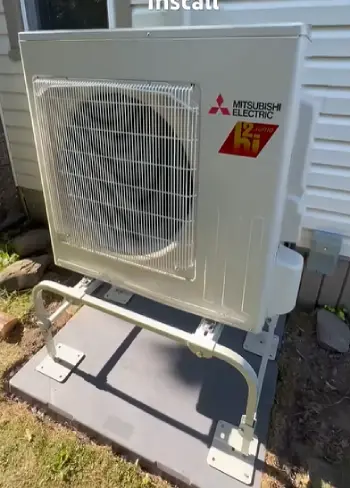
- Superior Cold Climate Performance: Hyper-heating makes it reliable even in deep freezes.
This technology maintains strong heating output when other systems lose efficiency, keeping your home warm and comfortable during the coldest months.
For people in challenging winter climates, this feature alone can make daily life much more pleasant and reduce reliance on supplemental heat sources.
- Exceptional Long-Term Reliability: Known for low failure rates and extended lifespan.
Many owners report systems running smoothly for 15 to 20 years or more with minimal issues.
This durability provides real confidence that your investment will deliver consistent results season after season without frequent repairs.
- Precise Comfort Control: Smart sensors and inverters create even temperatures.
The system adapts intelligently to conditions in the room, eliminating hot or cold spots and delivering customized airflow exactly where you need it.
You will notice the difference in how evenly your space feels throughout the day.
- Excellent Energy Efficiency: Strong savings on both cooling and heating bills.
The combination of high ratings and smart operation means lower operating costs over the life of the unit.
In my analysis, this efficiency pays dividends especially in homes where the system runs often.
- Extremely Quiet Operation: Barely noticeable during daily use.
With some of the lowest decibel ratings available, these units let you enjoy peaceful environments in bedrooms, offices, or living areas without background noise interfering with conversations, sleep, or work.
- Innovative Technology: Features like occupancy detection add real convenience.
The system can automatically adjust when rooms are empty, saving energy without sacrificing comfort when you return.
This thoughtful engineering makes everyday use feel seamless and modern.
Cons Of Mitsubishi Mini Splits
- Higher Initial Investment: Premium pricing can be a barrier for some budgets.
The upfront cost, including quality installation, is noticeably higher than many alternatives, which might require careful financial planning or waiting until the timing is right for your household.
- Service Network Varies: May not be as widespread as larger brands in every location.
While support is generally good, finding authorized technicians can take more effort in remote or smaller markets compared to brands with broader dealer networks.
- Ongoing Maintenance Required: Filters need regular attention for best results.
Like all ductless systems, consistent cleaning and professional servicing are important to sustain peak performance and indoor air quality over the years.
- Possibly Overkill for Mild Areas: Extra cold-weather features may not be necessary everywhere.
If you live in a temperate climate with mild winters, you might pay for capabilities that you rarely use, making the value proposition less compelling.
- Requires Skilled Installation: Best outcomes depend on experienced technicians. Improper setup can affect efficiency and longevity, so it is worth investing time to select qualified installers familiar with Mitsubishi systems specifically.
My Real-User Experience Perspective
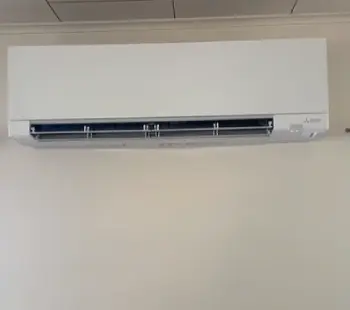
I approached this like any homeowner would—reading forums, checking specs, and imagining daily use. Bryant felt approachable and practical for my situation.
Its high SEER models promised quick payback on energy savings, and the Carrier connection meant I could find local help easily.
When I pictured installing one in a new sunroom, the multi-zone flexibility and app control stood out as features I would actually use.
Mitsubishi, on the other hand, impressed me with its reputation for toughness. Friends in colder areas raved about never losing heat even during deep freezes.
The quiet operation and smart sensors made me think about long-term satisfaction. But the cost difference gave me pause.
I kept asking myself: Do I need that extra durability, or will Bryant’s solid performance cover my needs?
Both brands deliver the core mini split advantages—no ducts, zoned control, efficiency. The choice boils down to your climate, budget, and priorities.
If you value proven longevity and cold-weather prowess, Mitsubishi wins for me on paper. For balanced performance at a better price, Bryant makes a compelling case that aligns with many real homes.
Performance In Different Climates
In moderate areas, Bryant’s efficiency ratings shine, keeping cooling costs low during hot spells and providing reliable heat when needed.
I found users reporting consistent comfort without drama. Mitsubishi pulls ahead in harsher winters, where its hyper-heating technology maintains output that others taper off.
This matters if you live where temperatures swing wildly or stay low for months.
Summer performance is strong across both. Inverter technology in each prevents the temperature swings you get from older systems.
I like how both adapt to humidity too, improving indoor air feel. You will appreciate the even temperatures and reduced energy use no matter the season.
Cost Considerations Over Time
Upfront, Bryant usually costs less to buy and install, making it attractive for immediate budgets.
Mitsubishi commands a premium, but potential longer lifespan and efficiency could close the gap over 10-15 years.
Factor in energy savings, maintenance, and possible repairs. In my analysis, Bryant offers faster ROI for many, while Mitsubishi rewards patience with reliability.
Installation quality affects both. Hire experienced pros to avoid issues that plague any brand when poorly set up.
I always recommend getting multiple quotes and checking local reviews.
Maintenance And Longevity Tips
Treat either system right and it will serve you well. Clean filters monthly, schedule annual professional check-ups, and keep outdoor units clear of debris.
Bryant benefits from broad service networks, easing worries. Mitsubishi’s robust design means fewer calls overall, according to many long-term owners.
I recommend budgeting for proper installation—it is the biggest factor in satisfaction. Simple habits like these extend the life of your unit and keep efficiency high.
Which One Should You Choose?
After weighing everything, I lean toward Bryant if you want strong performance without overpaying, especially in milder or mixed climates.
Mitsubishi earns my nod for premium reliability and extreme conditions. Consider your specific home, usage, and local installer expertise.
Visit showrooms, talk to owners, and get multiple quotes. Both will improve your comfort dramatically compared to old setups.
You know your space and needs best. Think about how you use each room and what matters most—saving money now or investing in top durability. Either choice moves you toward quieter, more efficient home comfort.
Also Read: Comparison Of Samsung And Mitsubishi Mini Split
Frequently Asked Questions (FAQ)
Mitsubishi often ranks as the top for reliability and longevity based on industry feedback and low failure rates.
Yes, Bryant delivers solid efficiency, value, and performance backed by Carrier’s reputation.
Many consider it among the best, especially for cold climates and premium features, though “best” depends on your needs.
Bryant is part of Carrier Global Corporation, sharing engineering and manufacturing strengths.
In Wrapping This Up
I hope my comparison helps you feel more confident picking between Bryant and Mitsubishi. Both are excellent ductless options that can transform how you experience home comfort.
Think about your priorities—budget, climate, features—and go from there. You will love the zoned control and efficiency either way.
Take your time, ask questions, and choose what fits your life best. Your future self will thank you for the quiet, efficient comfort ahead.
Recent Posts
● Interactive 5-Zone Interior & Exterior Paint Blueprint Paint Coverage Calculator: Gallons, Primer, Square Footage & Cost Tap any architectural surface zone on the blueprint...
If you want smooth, shiny hair without spending a fortune on a premium styling tool, the Ella Bella hair dryer may be worth considering.In these Ella Bella hair dryer reviews, I’ll look...