
Carlson The Very Finest Fish Oil is a popular omega-3 supplement for people who want to support their heart, brain, eyes, and overall wellness.
I would consider buying it if I wanted a liquid fish oil with EPA and DHA, a long-standing reputation, and different flavor options.
However, I would check the omega-3 concentration, freshness testing, ingredients, and price before choosing it.
If you want a convenient way to add omega-3s to your routine, this fish oil deserves consideration, provided it fits your dietary needs and health goals.
My First Experience With Carlson The Very Finest Fish Oil
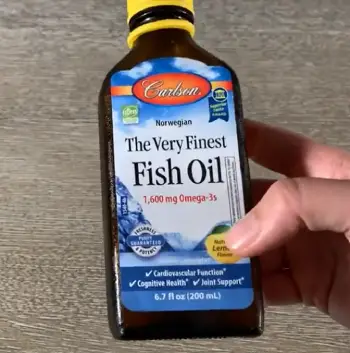
When I evaluate a fish oil supplement, I look beyond its label and marketing claims.
I want to know how easy it is to take, what nutrients it provides, how it tastes, and whether it offers good value over time.
Carlson The Very Finest Fish Oil stands out because it comes in liquid form, making it an alternative to swallowing multiple softgels every day.
My first impression of Carlson The Very Finest Fish Oil is that it is designed for people who want a straightforward source of marine omega-3 fatty acids. The product is associated with Carlson, a supplement brand known for its fish oil products.
The liquid format is particularly appealing if you dislike large capsules. Instead of swallowing several softgels, you can measure a serving and take it directly or incorporate it into an appropriate cold food.
I would still follow the specific product label because serving sizes and formulations can vary.
I also appreciate that the product emphasizes EPA and DHA, two omega-3 fatty acids that play important roles in the body. EPA and DHA are involved in normal cellular function, while DHA is particularly important for the brain and retina.
However, I would not assume that a supplement is automatically superior simply because it comes from an established brand. I would examine its nutritional panel, serving size, ingredient list, expiration date, and available quality-testing information before purchasing it.
Taste is a major factor when choosing liquid fish oil. Even a well-formulated supplement becomes difficult to use consistently if its flavor is unpleasant.
Carlson offers flavored versions, including lemon, which may make the experience more pleasant for people who dislike the characteristic taste of fish oil. The exact flavor options depend on the product variant available in your market.
I would take the recommended serving with a meal rather than treating it like a beverage. Taking fish oil with food may improve tolerance for some people and can help reduce fishy burps.
One practical consideration is that liquid fish oil requires a little more attention than capsules. You need to measure the correct amount, close the bottle securely, and store it according to the label. That is manageable, but it is worth considering if you travel frequently or prefer supplements that require minimal preparation.
Pros Of Carlson The Very Finest Fish Oil
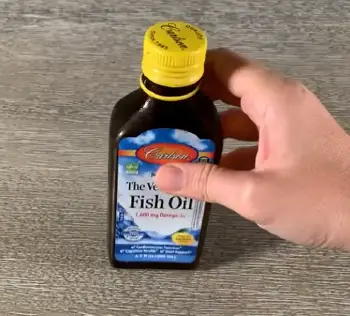
- Provides Important Omega-3 Fatty Acids
The most important advantage is its supply of EPA and DHA. These fatty acids contribute to normal cardiovascular function and other physiological processes.
DHA is especially relevant to the structure of the brain and retina, while both fatty acids are incorporated into cell membranes throughout the body.
For someone whose diet contains little seafood, a fish oil supplement may be a practical way to increase omega-3 intake. However, I would still treat it as a nutritional supplement rather than a guaranteed way to prevent disease.
- Convenient Liquid Format
The liquid format is a strong selling point. Some people find softgels difficult to swallow, particularly when they are large or need to take several servings of different supplements.
With liquid fish oil, you measure the recommended serving instead of swallowing multiple capsules. This can simplify your routine.
The format may also make it easier to adjust the serving when the product label allows different quantities. I would never increase the amount without checking the EPA and DHA content and considering advice from a healthcare professional.
The downside is that liquid products require careful handling. If you prefer something you can carry in a bag without worrying about leakage, softgels may be more practical.
- Flavored Options Can Improve Palatability
The flavor of fish oil can make a noticeable difference to everyday use. Lemon-flavored formulations may be more appealing than products with a strong natural fish taste.
I see this as a practical advantage rather than a nutritional one. Flavor does not determine omega-3 quality, but a product you tolerate well is easier to use consistently.
If you are particularly sensitive to fishy aftertaste, I would check the exact flavor variant and look for information about freshness and storage. A strong rancid odor or unusual taste should not be dismissed as normal.
- Established Supplement Manufacturer
Carlson has a long-standing presence in the nutritional supplement market, especially in the omega-3 category. That history may give shoppers a useful starting point when comparing products.
However, brand reputation should be only one part of your decision. I would also look for transparent labeling, batch-specific testing where available, contaminant controls, and information about oxidation.
The most reliable purchasing decision comes from evaluating the actual product rather than relying entirely on a company’s reputation.
- May Fit Different Dietary Routines
Liquid fish oil can be incorporated into a daily routine with relatively little effort. You can take the measured serving with a meal, provided you follow the label instructions.
For people who already take other supplements, I would check the ingredients and serving sizes to avoid unintentionally duplicating nutrients or combining several products that contain fish oil.
I would also consider whether a food-first approach might be simpler. Eating fatty fish can provide omega-3s alongside protein and other nutrients, while a supplement offers a more concentrated and convenient option.
Cons Of Carlson The Very Finest Fish Oil
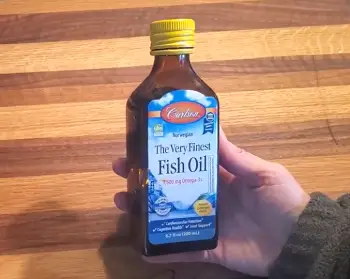
- Liquid Fish Oil Can Be Messy
The most obvious inconvenience is handling the liquid. Measuring spoons or dispensing directly from the bottle can lead to spills if you are not careful.
The bottle also needs to be closed securely after every use. If oil remains around the opening, the container can become sticky or unpleasant to handle.
This is a relatively minor issue, but it matters if you prefer a simple, portable supplement.
- Storage Requires Attention
Fish oil contains polyunsaturated fats that can oxidize when exposed to oxygen, heat, and light. Oxidation can affect quality and produce unpleasant odors or flavors.
Liquid products may require refrigeration after opening, depending on their specific formulation and label instructions. I would never assume that every fish oil product has identical storage requirements.
If you travel often or keep supplements in a warm kitchen, you need to think about whether you can store the bottle correctly.
- Possible Fishy Burps and Digestive Discomfort
Some people experience fishy burps, nausea, heartburn, loose stools, or an unpleasant aftertaste when taking fish oil.
These effects are not unique to Carlson. They can occur with various fish oil products and may depend on the amount consumed, meal timing, and individual tolerance.
Taking the recommended serving with food may help, but it will not eliminate symptoms for everyone. If discomfort continues, I would stop taking the supplement and discuss alternatives with a healthcare professional.
- Not Everyone Needs a Supplement
One of the biggest disadvantages is that fish oil may be unnecessary for someone who already gets enough omega-3s through their diet.
Supplements are not a replacement for an overall balanced eating pattern. If your goal is general wellness, I would consider your current seafood intake and nutritional needs before spending money on another bottle.
I would also avoid assuming that fish oil will prevent heart attacks, treat joint disease, or improve memory in otherwise healthy people. Evidence differs depending on the condition, dosage, and population being studied.
- Price and Value Can Vary
The cost of Carlson The Very Finest Fish Oil depends on bottle size, flavor, retailer, and local availability.
A bottle that looks affordable may not provide the best value if it contains fewer servings or less EPA and DHA per serving than a competing product.
I would compare the cost per serving and the amount of combined EPA and DHA rather than relying on the shelf price alone. For buyers outside the United States, import costs and product authenticity may also affect value.
Maintenance Tips For Carlson The Very Finest Fish Oil
- Follow the Label’s Storage Instructions
My first step would be to read the storage directions before opening the bottle. Some liquid fish oils require refrigeration after opening, while specific products may have different instructions.
If refrigeration is required, I would return the bottle to the refrigerator promptly after measuring a serving. I would avoid leaving it on the kitchen counter for extended periods.
I would also keep the bottle away from direct sunlight, radiators, ovens, and other sources of heat. A cool, appropriately stored environment helps protect the oil from unnecessary exposure to conditions that encourage oxidation.
- Close the Bottle Immediately
Oxygen exposure can contribute to oil oxidation. That makes the bottle cap more important than it might initially seem.
After taking a serving, I would close the cap firmly and wipe away any oil around the opening. This helps prevent residue from accumulating and keeps the container easier to handle.
I would avoid transferring the oil into another container unless there were a specific, safe reason to do so. The original packaging is generally the simplest option for preserving product information and following the manufacturer’s storage guidance.
- Use Clean Measuring Equipment
I would use a clean, dry measuring spoon or the dispensing method specified by the manufacturer.
Adding water, food residue, or other substances to the bottle can compromise cleanliness. I would never pour a partially used serving back into the original container.
Accurate measurement also matters nutritionally. A larger serving may contain more EPA and DHA than intended, so estimating the amount by eye is not a good habit.
- Check the Expiration Date and Product Condition
Before using the supplement, I would inspect the expiration date and packaging. I would not use a bottle that is damaged, leaking, or appears to have been improperly stored.
Fish oil naturally has an odor, so smell alone is not a perfect quality test. However, a distinctly rancid, paint-like, or unusually unpleasant odor, especially when accompanied by an abnormal taste or appearance, is a reason to stop using the product and contact the seller or manufacturer.
I would not try to hide an unusual smell by mixing the oil into flavored foods.
- Avoid Heat and Prolonged Exposure to Air
I would take the serving promptly rather than leaving it exposed to air for long periods.
I would also avoid heating fish oil or adding it to hot dishes. Heat is unnecessary for consumption and may affect the oil’s quality.
If I wanted to mix it into food, I would choose a suitable cold food and consume it shortly afterward, provided the product instructions permit this use.
- Build a Consistent, Sensible Routine
Consistency should not mean taking a supplement without understanding why you need it.
I would first establish my dietary goals, check how much EPA and DHA the product supplies, and follow the recommended serving. Taking it with a meal may help reduce digestive discomfort.
If I were taking other supplements, I would review their labels to avoid duplicating fish oil unnecessarily. I would also keep track of any side effects and discuss persistent concerns with a healthcare professional.
Comparison Of Carlson The Very Finest Fish Oil With Other Brands
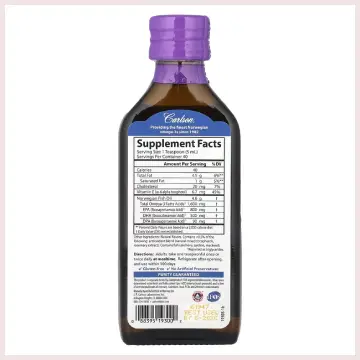
- Carlson The Very Finest Fish Oil vs. Nordic Naturals
Carlson and Nordic Naturals are both established names in the omega-3 supplement category.
Both offer products intended to supply EPA and DHA, but their formulations and serving sizes vary.
I would lean toward Carlson if I specifically wanted a liquid product and found a flavor I enjoyed.
Its liquid format may be convenient for someone who dislikes swallowing capsules.
Nordic Naturals may appeal more to shoppers who prefer softgels or want to compare different omega-3 formulations. Its product range includes options with different concentrations and intended uses.
I would not declare either brand the winner without comparing the exact products. I would check EPA and DHA per serving, independent testing information, expiration dates, and cost per gram of omega-3s.
My choice would depend on which product best matches my nutritional needs and which format I could use comfortably and consistently.
Carlson vs. Nature Made Fish Oil
Nature Made is worth comparing if affordability and convenient capsule formats are priorities. Its fish oil products vary in omega-3 concentration, so I would read the individual label rather than assume every bottle provides the same nutritional value.
Carlson has a practical advantage for people who prefer liquid supplements. Nature Made may be more convenient for those who want premeasured capsules without refrigeration requirements specific to some liquid products.
Price alone would not determine my decision. I would compare the daily serving cost and actual EPA and DHA amounts, then consider whether the product has appropriate quality information and suits my dietary preferences.
Carlson vs. NOW Foods Omega-3
NOW Foods is another option I would consider when comparing product selection and budget. Its omega-3 range includes formulations that may appeal to shoppers looking for straightforward daily supplementation.
Carlson may be a better fit if I specifically want a liquid product with a flavor option. NOW Foods may suit me if I prefer capsules and find a product that delivers the desired EPA and DHA amount at a competitive cost.
The most useful comparison is between exact formulations rather than brand names. I would also check storage requirements, testing transparency, and the number of servings in each bottle before making a decision.
Carlson vs. Kirkland Signature Fish Oil
Kirkland Signature is worth considering for shoppers who prioritize cost and larger package sizes. Depending on the product, its fish oil supplements may offer a convenient capsule-based option.
Carlson’s liquid format provides a different experience, particularly for people who dislike swallowing softgels. However, a larger bottle or a lower price per capsule does not automatically make a supplement better value.
I would calculate the cost of obtaining the amount of EPA and DHA I actually need. I would also verify that the product is authentic, correctly stored, and within its expiration date.
For me, Carlson would make more sense if I wanted liquid fish oil and valued that format enough to justify its cost. Kirkland could be more attractive if a suitable capsule product offered a better price per serving.
Also Read: Is Cliganic Organic Jojoba Oil Worth It?
Frequently Asked Questions (FAQ)
There is no single best product for everyone. Look for clearly stated EPA and DHA amounts, credible purity and oxidation testing, and appropriate storage instructions.
Fish oil has not been universally discontinued or discouraged. Evidence for routine supplementation varies, and it may not prevent cardiovascular events in everyone.
Carlson is an established supplement brand. I would still evaluate each product’s ingredients, testing information, expiration date, and suitability for my needs.
Both offer omega-3 products. The better choice depends on the specific formulation, EPA and DHA concentration, freshness controls, price, and your preferred format.
Wrapping Up
I would recommend considering Carlson The Very Finest Fish Oil if you want a liquid omega-3 supplement with EPA and DHA and prefer it to swallowing capsules.
Its practical format and flavored options make it appealing, but proper storage and careful product selection matter.
Before buying, compare the exact nutrient amounts, quality information, and cost with alternatives such as Nordic Naturals.
If you already eat plenty of oily fish, you may not need a supplement at all.
Recent Posts
● Interactive 5-Zone Interior & Exterior Paint Blueprint Paint Coverage Calculator: Gallons, Primer, Square Footage & Cost Tap any architectural surface zone on the blueprint...
If you want smooth, shiny hair without spending a fortune on a premium styling tool, the Ella Bella hair dryer may be worth considering.In these Ella Bella hair dryer reviews, I’ll look...