
I’ve spent years running dishwashers in my own kitchen, testing loads of greasy pans, sticky breakfast plates, and hard-water glassware, all while switching between Cascade and Finish pods.
My goal here is simple: share what actually works so you can pick the right one for your dishes, water type, and budget without guessing.
| Feature | Cascade Pods | Finish Pods |
| Primary Strength | Grease cutting & baked-on food | Spot-free shine & hard water |
| Cleaning Power | Excellent on tough soils | Very good, strong on film |
| Hard Water Performance | Good | Excellent |
| Scent Options | Fresh, lemon, Free & Clear | Fresh, lemon, some unscented |
| Formats | Multi-chamber ActionPacs | Multi-chamber Powerball |
| Price per Load | Moderate to higher | Often lower to moderate |
| Residue Risk | Low with premium lines | Low, strong rinse-aid help |
| Best For | Heavy daily messes | Glassware & mineral-heavy water |
My Real Experience With Both Brands
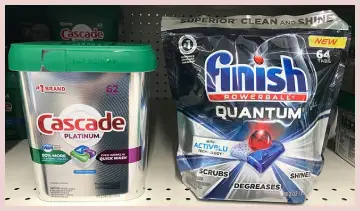
- Cascade on heavy messes: I loaded overnight casserole dishes with baked cheese and grease.
Cascade Platinum Plus cleared every surface in one cycle. No scrubbing was needed afterward.
- Finish on glassware: I washed wine glasses and clear bowls in hard water. Finish pods left them clearer with almost no spots.
The shine lasted through the next day.
- Side-by-side protein test: Dried egg and oatmeal went into matching loads.
Cascade removed more residue from the plates.
Finish left fewer particles on the filter.
- Eco cycle results: Short cool washes showed mixed outcomes.
Cascade sometimes left mild film. Finish dissolved more evenly on those lighter cycles.
- Long-term machine check: After weeks of Cascade use the filter stayed freer of grease.
Finish slowed mineral buildup on the spray arms.
- Scent and storage notes: Cascade Free & Clear worked best for plastic containers. Both brands needed dry sealed storage.
Damp hands caused pods to stick in humid weather.
- Daily habit change: I stopped pre-rinsing with either brand on normal loads. Cascade saved more time on greasy pans.
Finish reduced the need for extra rinse aid on glasses.
Key Differences Between Cascade And Finish Dishwasher Pods
- Cleaning focus: Cascade leans hard into grease-fighting power often powered by Dawn-inspired surfactants and enzymes that break down proteins and starches while the competing brand puts more emphasis on sequential release technology and built-in rinse-aid action that targets mineral deposits and spotting.
- Water type response: In soft or average water Cascade removes stuck-on egg and cheese with almost no residue yet in harder water the other brand usually leaves clearer glasses and less film on the machine itself.
- Pod construction: Both use dissolvable film but Cascade’s premium lines pack larger liquid chambers for degreasers and boosters whereas the rival relies on its signature Powerball or multi-chamber design that times the release of powder gel and shine agents.
- Scent and sensitivity options: Cascade gives you a true Free & Clear choice free of dyes and heavy fragrance while the alternative offers fewer fragrance-free pods but keeps scents consistent across its lineup.
- Value and pack sizes: The competing brand frequently undercuts on cost per load in larger counts and Cascade’s top tiers cost more yet often need fewer pre-rinses which can balance the higher sticker price if you hate scrubbing first.
Key Features Of Cascade Dishwasher Pods

- Multi-enzyme and Dawn-powered formula: Enzymes target starches and proteins. The liquid portion attacks grease the moment water hits the pod.
This combination handles twenty-four-hour dried food without a pre-rinse more reliably than basic powders.
- ActionPac design with liquid top: The dissolvable film opens fast. The larger liquid chambers in Platinum Plus deliver extra degreaser and softener.
Fewer leftover bits remain in the dispenser cup.
- Phosphate-free and septic-safe: Every major Cascade pod line skips phosphates.
These pods have run for months in a home with a septic system without issues.
- Spot and film control: Premium versions include agents that reduce hard-water marks.
Results stay solid in moderate water. Pure hard-water households may still add a separate rinse aid.
- Free & Clear option: No dyes appear in the formula. No heavy perfume is present. This option suits users bothered by scents.
It also works well for baby bottles with minimal leftover aroma.
Variety of strength levels: Complete works for everyday loads. Platinum handles tougher messes.
- Platinum Plus tackles the heaviest grease. The pod matches the mess without over-dosing every cycle.
Pros Of Cascade Dishwasher Pods
- Superior grease and baked-on removal: Cascade Platinum Plus strips dried marinara and egg yolk that other pods left behind because the combination of enzymes and liquid degreaser simply works harder on fatty soils.
- Reliable no-pre-rinse performance: Most days dirty plates load straight from the table and Cascade consistently delivers clean results without the extra water and time of hand-rinsing.
- Clear Free & Clear choice: Sensitive noses and households with infants appreciate a truly fragrance-free option that still cleans well.
- Strong independent test results: Across multiple lab and home tests Cascade’s top pods rank at or near the top for overall soil removal.
- Good machine safety: Phosphate-free formulas and septic compatibility give peace of mind for long-term use.
- Consistent dissolving power: The pods break down fully even on cooler eco cycles so you rarely find leftover film or undissolved bits in the dispenser or on dishes.
- Wide pack size range: From small trial counts to large bulk tubs the options make it easy to stock up without running out mid-week.
Cons Of Cascade Dishwasher Pods
- Higher cost on premium lines: Platinum Plus can run forty to fifty cents per load and if full loads run daily the difference adds up compared with value brands.
- Scent can be noticeable: The fresh and lemon versions leave a clean smell that some people love and others find strong on plastic containers.
- Occasional film in very hard water: Without extra rinse aid glasses in high-mineral areas sometimes show light spotting.
- Candy-like appearance of some pods: Bright colors mean storage must stay high and dry away from kids and pets.
- Bulk tubs take shelf space: Larger containers are convenient for frequent users yet they can feel bulky in smaller kitchens with limited storage.
- Premium versions feel wasteful for light loads: Using a top-tier pod on barely soiled plates can feel like overkill when a milder formula would do the job.
Key Features Of Finish Dishwasher Pods
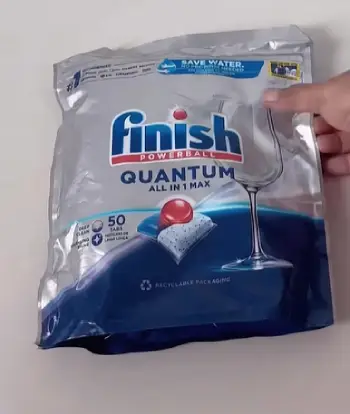
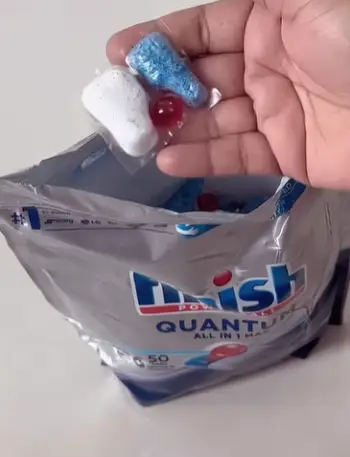
- Powerball or multi-chamber release: The red ball or separate chambers release detergent enzymes and rinse-aid components at different points in the cycle.
This staged approach helps prevent redeposit of soil. Glassware stays clearer in hard-water tests.
- Built-in shine protection: Many pods include dedicated rinse-aid technology. Glasses come out with fewer water spots.
A separate bottle of rinse aid can often be skipped.
- CycleSync-style timing: Higher-end lines claim to match ingredient release to the wash phase. Better results appear on shorter eco cycles.
Performance improves compared with some single-chamber pods.
- Strong performance on mineral film: This formula shines when calcium and magnesium levels run high.
Stainless interiors stay cleaner longer between machine-cleaning sessions.
- Broad availability and value packs: Larger counts often drop the per-load cost noticeably.
The pods dissolve cleanly. Undissolved film rarely remains if the dispenser stays dry.
- Focus on no-pre-rinse claims: These pods market the ability to skip rinsing. Real-world results stay good on normal soils.
Very heavy baked-on layers still benefit from a quick scrape.
Pros Of Finish Dishwasher Pods
- Excellent spot and film resistance: In hard-water kitchens these pods regularly leave clearer glassware and less cloudy film on the dishwasher walls.
- Strong value in larger packs: Cost per load often lands lower than Cascade’s top tiers while still delivering solid cleaning.
- Built-in rinse-aid action: Many formulas reduce the need for a separate product and that simplifies the daily routine.
- Effective staged cleaning: The multi-chamber design helps keep soils from resettling especially on shorter cycles.
- Consistent everyday performance: For average family loads these pods get the job done without drama.
- Good results on mixed material loads: Plastics glass and stainless steel all come out clean without needing special cycle adjustments in most cases.
- Easy resealable packaging: The tubs seal tightly and help keep moisture out so pods stay fresh longer even in humid kitchens.
Cons Of Finish Dishwasher Pods
- Slightly less aggressive on the toughest grease: In side-by-side tests with heavy oil and cheese Cascade sometimes edges it out.
- Fewer true fragrance-free options: Sensitive users have fewer choices than with Cascade.
- Individual wrapping on some lines: Certain tablets come wrapped which adds plastic waste and an extra step.
- Scent strength varies: Some versions leave a noticeable fragrance that lingers on plastics.
- Performance can drop on very short cycles: Lightweight eco washes sometimes leave a bit more residue if the water temperature stays too low.
- Less variety in strength levels: The lineup feels more uniform so matching a lighter or heavier formula to the exact mess is not always possible.
Real Kitchen Performance: What I Learned Running Both?
I ran parallel loads for three weeks. Breakfast plates with dried oatmeal, lunch containers with peanut butter residue, and dinner pans with roasted vegetable oils all went into the same machine on the same cycle.
Cascade Platinum Plus cleared the protein soils faster and left fewer particles in the filter. The other brand produced shinier wine glasses and less white residue on the heating element.
Water hardness mattered most. In moderately hard municipal water both performed well.
When I temporarily switched to a friend’s very hard well water the competing pods pulled ahead on glass clarity. Soft water tipped the scale back toward Cascade’s grease power.
Temperature and cycle length also played roles. On eco cycles the timed-release design helped more. On heavy or pots-and-pans cycles Cascade’s liquid boosters shone.
Storage habits matter for both. Keep the tub sealed and dry. Damp fingers can soften the film and cause pods to stick together or fail to dissolve fully.
I learned that the hard way after a humid summer week left a half-dissolved Cascade pod in the cup.
Choosing Based On Your Household
If your family cooks a lot of saucy, cheesy, or oily meals and you hate pre-rinsing, Cascade’s stronger degreasing formula will probably save you time and frustration.
If your water leaves white spots on every glass and you want maximum shine without adding extra products, the other brand is the smarter daily driver.
Budget shoppers can start with larger packs from the value-focused line or Cascade Complete rather than the top Platinum lines. Sensitive households should try Cascade Free & Clear first. People who already own a separate rinse aid can lean either way and still get great results.
I keep both brands on the shelf now. Cascade for the weekend roast-pan loads and the alternative for the midweek glass-heavy runs. That hybrid approach has given me the cleanest overall results with the least effort.
Long-Term Machine Care Considerations
Both brands claim to help keep the dishwasher itself cleaner.
In practice the competing formula seemed to slow the buildup of mineral scale on the spray arms and door gasket in hard-water tests.
Cascade kept the filter freer of greasy sludge. Running a monthly machine cleaner still helps regardless of which pod you choose.
Septic systems handled both without complaint in my experience. The phosphate-free formulas reduce the environmental load compared with older detergents.
Cost Over A Year
Assuming three hundred loads a year a forty-cent Cascade pod costs about one hundred twenty dollars.
A thirty-cent pod from the other brand lands around ninety dollars. Factor in water savings from skipping pre-rinses—up to twenty gallons per load in some claims—and the higher-priced pod can still come out ahead if it truly eliminates that extra step.
Also Read: Comparison Of Cascade Complete And Platinum
Frequently Asked Questions (FAQ)
No. Cascade is made by Procter & Gamble. The other brand is made by Reckitt. They are competing brands with different formulas.
Cascade pods use a water-soluble PVA film. The company states it dissolves completely and does not break into conventional microplastics. Independent sources generally support that the film dissolves rather than persisting as plastic particles.
It depends on your water and messes. Cascade often ranks highest for overall soil removal. The alternative frequently wins for hard-water shine. Store brands can also perform well for the price.
Cascade edges out for heavy grease and baked-on food. The other brand is usually better for spot-free glass in hard water. Test both in your own machine for the clearest answer.
Wrapping Up
I’ve washed thousands of loads with both brands and still reach for them depending on the day’s dishes.
You now have the side-by-side details, real performance notes, and practical trade-offs. Pick the one that matches your water, your cooking style, and your budget, then enjoy cleaner dishes with less effort.
The right pod turns the dishwasher from a chore into a quiet win every single night.
Recent Posts
● Interactive 5-Zone Interior & Exterior Paint Blueprint Paint Coverage Calculator: Gallons, Primer, Square Footage & Cost Tap any architectural surface zone on the blueprint...
If you want smooth, shiny hair without spending a fortune on a premium styling tool, the Ella Bella hair dryer may be worth considering.In these Ella Bella hair dryer reviews, I’ll look...