
I’ve spent months switching between Celsius and Bloom energy drinks in my daily routine, tracking how each one affects my focus, workouts, and overall feel.
My goal here is to break down the real differences so you can decide which fits your energy needs without the usual marketing noise.
| Feature | Celsius (12 oz standard) | Bloom (12 oz) |
| Caffeine | 200 mg (up to 270 mg in some lines) | 180 mg (natural from green coffee) |
| Calories | 10 | 10 |
| Sugar | 0 g | 0 g |
| Key extras | MetaPlus blend, chromium, ginger, high B vitamins + C | Prebiotic fiber, L-theanine, ginseng, lychee, apple cider vinegar |
| Focus style | Strong stimulation + metabolism push | Smoother energy with calm focus |
| Best for | Workouts, fat-burning claims | Everyday wellness, gut support |
| Flavors | 20+ options | Mostly fruity refresher styles |
What Each Drink Actually Is From A Real User Perspective?
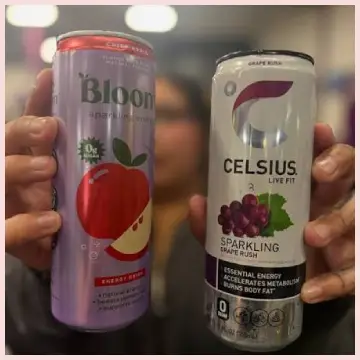
I treat energy drinks like tools, not magic potions. Celsius positions itself as a performance drink.
It leans hard into thermogenic claims—basically promising to help your body burn a few extra calories while giving you a solid caffeine hit.
The formula includes a proprietary MetaPlus blend that packs taurine, guarana seed extract, green tea extract, ginger root, and glucuronolactone.
You also get a solid dose of B vitamins and vitamin C plus chromium, which some people link to blood sugar support.
Bloom takes a different route. It markets itself more as a wellness energy option.
The caffeine comes from green coffee bean extract, and the can adds prebiotic fiber, L-theanine, Asian ginseng, patented lychee and green tea extracts, plus a splash of apple cider vinegar.
The idea is energy that feels cleaner and includes a nod toward gut health and steady focus.
Both sit at roughly 10 calories and zero sugar per 12-ounce can. Both use sucralose for sweetness. Both claim to be vegan and free from artificial colors in most versions.
The real split shows up in how the caffeine hits and what else rides along for the ride.
Key Differences Between The Celsius And Bloom Energy Drink
- Caffeine dose and feel: Celsius starts at 200 mg and climbs higher in some versions, delivering a stronger and faster lift that works well for intense sessions, while Bloom’s 180 mg feels gentler and produces fewer edge-of-jitters moments especially if coffee was already consumed earlier in the day.
- Ingredient philosophy: Celsius stacks ingredients that target metabolism and physical output for a performance-focused result, whereas Bloom stacks ingredients that aim for calm focus and digestive support creating a more wellness-oriented experience overall.
- Sweetener and aftertaste: Both rely on sucralose yet the artificial sweetness sometimes stands out more clearly in Celsius, while Bloom’s fruit-forward flavors often mask it better for many palates during repeated use.
- Gut and recovery angle: Bloom includes actual prebiotic fiber around 1 g plus apple cider vinegar for a lighter stomach feel after meals, while Celsius does not offer that same digestive support element in its formula.
- Flavor range and availability: Celsius offers a wider selection that shows up in more stores making it easier to find consistently, whereas Bloom stays more limited but continues expanding its fruity lineup over time.
Key Features Of Celsius
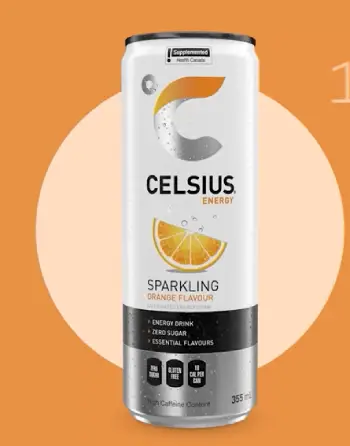
- MetaPlus proprietary blend: This is the heart of the drink.
Taurine, guarana, green tea extract standardized for EGCG, ginger, and glucuronolactone sit together to support energy and mild thermogenesis that usually kicks in within 15 to 20 minutes.
- High vitamin profile: You get well over 100 percent of several B vitamins plus vitamin C and chromium.
These support energy metabolism on paper and give extra peace of mind that the drink is not just empty caffeine.
- Zero sugar and low calorie: Ten calories keeps it friendly for anyone watching intake.
The complete lack of sugar means no sharp spike and crash from carbs during the day.
- Wide flavor variety: From sparkling peach mango to more intense options, Celsius covers a lot of ground.
Rotating flavors helps prevent boredom over longer periods of regular use.
Performance positioning: The brand leans into fitness culture and many people drink it before the gym which matches how it delivers decisive stimulation for physical activity.
Pros Of Celsius
- Stronger caffeine impact: The 200 mg baseline delivers reliable alertness that helps power through long afternoons or tough workouts when a more decisive energy push is needed.
- Metabolism-focused ingredients: Ginger, green tea extract, and chromium create a formula that feels purposeful for active people and sometimes produces a mild warming sensation that lines up with the thermogenic marketing.
- Excellent vitamin content: The robust B-vitamin package covers a useful gap if the daily diet happens to run light on those particular nutrients.
- Broad flavor selection and easy availability: Celsius can be found almost anywhere and the wide range of options keeps the habit sustainable without forcing the same taste every time.
- Clean label relative to traditional energy drinks: No sugar and no artificial colors in most cans plus a clear focus on functional ingredients place it ahead of many older high-sugar options.
Cons Of Celsius
- Higher caffeine can feel sharp: On low-sleep days or when stacked with other sources the 200 mg or more sometimes brings restlessness so total daily intake needs careful watching.
- No calming counterpart: Without something like L-theanine the stimulation stays more linear which some people love while others find it a bit much for everyday non-training use.
- Sucralose aftertaste for sensitive palates: The artificial sweetness stands out more in certain flavors and while not a deal-breaker it remains noticeable for those who prefer cleaner taste profiles.
- Thermogenic claims are modest: Any calorie burn beyond the drink itself stays small so it works best when treated as a bonus rather than a primary fat-loss tool.
- Can feel more performance only: If a gentle afternoon lift without gym-level intensity is the goal Celsius sometimes feels heavier than necessary for lighter daily needs.
Key Features Of Bloom
- Natural caffeine from green coffee bean: The 180 mg comes from a plant source rather than pure anhydrous caffeine and the delivery feels slightly smoother though individual response can still vary from person to person.
- Prebiotic fiber and apple cider vinegar: Roughly 1 g of prebiotic fiber plus ACV appears in the formula and while one can will not transform gut health the inclusion signals a clear priority beyond pure stimulation alone.
- L-theanine and ginseng: L-theanine pairs with caffeine to soften the edge for many users while ginseng adds an adaptogen note that supports calmer focus on busy workdays or lighter activity.
- Lychee and green tea extracts: These bring antioxidant claims and a metabolism angle that give Bloom a unique bright and fruity flavor profile different from most standard energy drinks on the market.
- Zero sugar and low calorie: The same 10-calorie zero-sugar setup as Celsius makes it easy to fit into most eating patterns without adding unwanted carbs or energy crashes later.
Pros Of Bloom
- Smoother energy curve: The combination of 180 mg caffeine plus L-theanine produces steady focus without the sharp peak that sometimes appears with higher-dose options making it suitable for desk work or light activity.
- Added wellness ingredients: Prebiotic fiber, apple cider vinegar, ginseng, and lychee create a more rounded formula that feels less like pure stimulation and more like a functional everyday drink.
- Pleasant fruit-forward taste: Many of the flavors taste bright and refreshing so they go down easily even on days when something intense does not appeal.
- Lower caffeine relative to many competitors: The 20 mg difference still provides substantial energy yet matters on days when personal tolerance runs lower than usual.
- Zero sugar and low calorie: Matching the practical benefits of Celsius it fits cleanly into most eating patterns without adding sugar-related crashes later in the day.
Cons Of Bloom
- Slightly less punch: On heavy training days the 180 mg sometimes feels borderline and the extra kick available from higher-caffeine options becomes more desirable.
- Limited flavor and store presence: Fewer options and less consistent shelf space mean settling for whatever is available happens more often than with wider-distributed brands.
- Prebiotic amount is small: One gram of fiber will not transform gut health so the benefit remains a nice addition rather than a meaningful daily change.
- Still contains sucralose: The same artificial sweetener situation appears here and people who avoid it entirely will need to look for different alternatives.
- Newer brand recognition: Celsius has longer market presence while Bloom still feels like the up-and-comer in many stores and regions.
How They Feel In Everyday Use?

I have used both for morning starts, pre-workout, and mid-afternoon slumps.
Celsius shines when I need decisive energy.
The stimulation arrives faster and lasts through a training session. I feel more ready to move. Bloom works better when I want mental clarity without physical intensity. Writing, meetings, or light movement pair nicely with it.
Taste is personal. Celsius often has a sharper, more classic energy-drink profile. Bloom leans juicier and lighter.
Neither tastes like sugar bombs because there is no sugar.
The artificial sweetener is present in both, so if that bothers you, neither will fully satisfy.
Price sits in the same ballpark for single cans. Multi-packs bring the cost down for both. Availability still favors Celsius in most places I shop.
Who Should Choose Which?
If your main goal is gym performance, fat-burning support claims, or maximum alertness, Celsius lines up better.
The higher caffeine and MetaPlus ingredients match that intention. If you prefer a gentler lift, value gut-friendly additions, and want calm focus for work or study, Bloom makes more sense.
Caffeine sensitivity matters. Anyone who reacts strongly to stimulants should start with Bloom’s lower dose and test tolerance.
People who already drink multiple coffees should treat either can as a significant portion of their daily limit.
Most guidelines suggest healthy adults stay under 400 mg total caffeine per day.
Neither drink replaces sleep, food, or water. I use them as occasional tools, not daily crutches.
Both avoid the high sugar of older energy drinks, which already puts them ahead of many options on the shelf.
Also Read: Comparison Of Alani And Bloom Energy Drink
Frequently Asked Questions (FAQ)
Bloom edges slightly ahead for many people because of the lower caffeine and inclusion of prebiotic fiber plus L-theanine, though both remain low-calorie, zero-sugar options.
The healthiest choice depends on individual needs, but options with zero sugar, moderate caffeine, and useful extras like vitamins or fiber generally rank higher than high-sugar traditional drinks.
Yes relative to many classic energy drinks, thanks to zero sugar, natural caffeine source, and added functional ingredients focused on focus and gut support.
No. Celsius avoids sugar and includes vitamins, placing it well above high-sugar competitors, though its higher caffeine requires careful use.
Final Thoughts
After rotating both drinks for months, I keep both in the fridge. Celsius is my go-to when I need a stronger push for workouts or long days.
Bloom is the one I reach for when I want energy that feels more balanced and easier on the system.
You will get the best results by matching the drink to the day’s demands rather than declaring one universal winner.
Pay attention to how your body responds, watch total caffeine, and treat either can as a tool rather than a habit.
That approach has worked best for me, and I expect it will help you land on the right choice for your routine.
Recent Posts
● Interactive 5-Zone Interior & Exterior Paint Blueprint Paint Coverage Calculator: Gallons, Primer, Square Footage & Cost Tap any architectural surface zone on the blueprint...
If you want smooth, shiny hair without spending a fortune on a premium styling tool, the Ella Bella hair dryer may be worth considering.In these Ella Bella hair dryer reviews, I’ll look...