
Climate Guard windows offer several styles, custom sizing, and energy-efficient features, but are they worth the investment?
After examining the brand’s product range, customer feedback, warranty information, and competing window manufacturers, I would be cautious about recommending them.
If you are replacing expensive home windows, I believe you should compare better-established alternatives before committing to Climate Guard, particularly if dependable customer service and long-term value are your priorities.
My First Experience Researching Climate Guard Windows

When I started evaluating Climate Guard windows, I wanted to understand whether the company offered the kind of reliability homeowners expect from a long-term home improvement investment.
Windows are not something you replace every year. You expect them to operate smoothly, protect your indoor space from outdoor temperatures, reduce unwanted noise, and maintain their appearance for years.
That makes choosing the right manufacturer especially important.
My first impression was that Climate Guard has a reasonably broad product selection.
The company manufactures vinyl windows in different configurations, including double-hung, single-hung, casement, awning, sliding, picture, bay, bow, and specialty-shaped designs. It also offers patio doors and other exterior products. This variety gives homeowners several options when planning a renovation.
However, a wide product selection does not automatically mean a brand delivers a consistently satisfying ownership experience.
I wanted to look beyond the appearance of the windows and consider the things that can become frustrating after installation.
One important detail I found is that Climate Guard is a Chicago-based manufacturer that has been producing windows and doors locally since 1975.
Its products are made for the regional market, with particular attention to the changing weather conditions experienced in the Chicago area. The company also offers custom manufacturing and installation services.
I consider local manufacturing a potential advantage because it can make communication, product selection, and project coordination more straightforward for homeowners in the company’s service area. However, location also matters.
A manufacturer with a strong regional presence may not be the most practical choice for someone living outside its normal service territory.
Another aspect I examined was customer feedback. I would not ignore negative reviews when evaluating a window company.
Complaints involving installation delays, communication problems, warranty assistance, or difficulty resolving product concerns deserve attention because they can affect the entire ownership experience.
At the same time, I would distinguish verified customer experiences from isolated online comments rather than assuming every complaint represents every installation.
The company’s published warranty information is another factor worth examining. Climate Guard advertises a limited lifetime warranty, but I would carefully read the exclusions, transfer conditions, coverage limitations, and service procedures before signing an agreement.
A lifetime warranty sounds reassuring, but its practical value depends on how easily customers can obtain assistance when something goes wrong.
I would also pay close attention to the installation process. Even a well-manufactured window can perform poorly if the opening is measured incorrectly, the frame is not properly secured, or the surrounding insulation and flashing are inadequate. In my opinion, installation quality deserves as much attention as the window itself.
After considering these factors, I would not rush into purchasing Climate Guard windows. The brand has some attractive features, but homeowners should investigate its service record, compare written estimates, and examine independent customer feedback before making a final decision.
My overall approach would be simple: compare the actual window specifications, installation terms, warranty coverage, and total project cost rather than choosing a product based on promotional claims alone.
Also Read: Is Andersen Acclaim Windows Worth It?
Pros Of Climate Guard Windows
- Long Manufacturing History
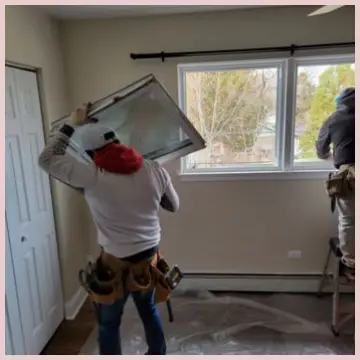
One advantage is the company’s manufacturing history. Climate Guard states that it has been producing windows and doors in Chicago since 1975.
For homeowners, an established manufacturing operation can offer reassurance that the company has experience with window production and regional installation requirements.
I also appreciate that the manufacturer operates a factory and showroom rather than relying entirely on an unfamiliar third-party supplier.
However, longevity alone does not guarantee excellent customer service or consistent product quality. I would still investigate recent customer experiences before making a commitment.
- Wide Selection of Window Styles
Another positive is the availability of different window configurations.
If you are renovating several rooms, having access to double-hung, casement, slider, awning, and picture windows can simplify the selection process.
You can also choose designs that complement your home’s architecture instead of forcing every opening into the same configuration.
For example, I would consider casement windows for rooms where ventilation is important and picture windows for areas where an unobstructed view matters more.
This flexibility is useful, although it is not exclusive to Climate Guard.
- Custom Manufacturing Options
Standard-sized windows do not fit every home perfectly. Older properties, renovated buildings, and houses with unusual openings may require custom measurements.
Climate Guard advertises custom manufacturing based on the dimensions of individual window openings.
I consider this a practical advantage because an appropriately sized replacement window can help reduce gaps and simplify installation.
Nevertheless, I would insist on professional measurements and written confirmation of the dimensions before approving production.
- Vinyl Requires Relatively Little Maintenance
Vinyl frames are generally easier to maintain than traditional wood frames.
You do not normally need to sand, stain, or repaint them regularly. Cleaning with mild soap and water is usually sufficient for ordinary dirt and environmental residue.
This can reduce routine maintenance expenses over time.
However, vinyl can still experience discoloration, scratches, seal problems, or mechanical issues. Low maintenance should never be confused with maintenance-free ownership.
- Different Glass Packages
Climate Guard offers multiple glass options, which gives customers some flexibility when selecting their windows.
Depending on the selected configuration, features such as insulated glass, low-emissivity coatings, and specialty glazing may improve comfort and help manage solar heat.
I would particularly examine the NFRC performance information when comparing different models.
Look at the U-factor, Solar Heat Gain Coefficient, Visible Transmittance, and air leakage information where available.
These measurements provide a much more useful comparison than broad advertising statements about energy efficiency.
Cons Of Climate Guard Windows
- Customer Feedback Needs Careful Investigation
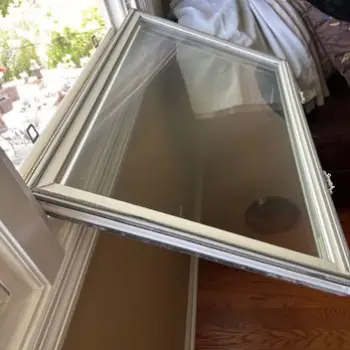
One of my biggest concerns is the importance of checking customer experiences across multiple independent platforms.
Negative reviews can reveal problems that product descriptions never mention. For example, customers may report delayed projects, incorrect measurements, installation mistakes, communication difficulties, or disappointing after-sales assistance.
I would pay particular attention to repeated complaints rather than isolated incidents.
I also want to be fair: the available GuildQuality feedback is not uniformly negative. Its published profile shows substantial positive feedback alongside individual complaints, including a verified report involving delayed scheduling and an incorrect installation.
Therefore, I would not describe every Climate Guard customer as dissatisfied. However, I would not dismiss negative experiences either.
My concern is that even a relatively small number of serious installation or service problems can become expensive for homeowners.
- Limited Geographic Availability
Climate Guard has a strong Chicago-area focus.
This can be inconvenient if you live outside its established service region. Window installation requires accurate measurements, transportation, qualified installers, and accessible after-sales support.
I would not choose a regional manufacturer simply because its product specifications look attractive if obtaining repairs later could become difficult.
Before considering the company, confirm that your property is within its service area and that the same company will be responsible for installation and warranty assistance.
- Pricing Is Not Universally Transparent
Window replacement costs depend on several variables, including dimensions, glass packages, frame construction, hardware, installation requirements, and the number of openings.
Climate Guard provides a pricing tool and offers customized estimates, but I would not rely on a general advertised price as a realistic estimate for an entire renovation.
The absence of one universal price makes comparisons more complicated.
I would request an itemized quotation and compare it with at least two competing manufacturers.
- Warranty Exclusions Require Attention
A lifetime warranty sounds impressive, but I would carefully examine the actual coverage.
For example, Climate Guard’s published warranty excludes certain problems associated with improper installation, improper flashing, building settlement, structural failure, and harmful cleaning products.
The warranty also states that in-home service may involve a fee at current rates.
Another important condition is that the warranty claim must be submitted in writing within two weeks of discovering the issue.
These requirements are important because homeowners may assume that every repair is automatically covered.
I would request a written explanation of the warranty process before purchasing.
- Installation Quality Can Be a Concern
Window performance depends on more than manufacturing quality.
An incorrectly installed window may allow water infiltration, air leakage, or condensation around the frame.
Poor flashing and inadequate insulation can also create problems that become noticeable months after installation.
This is why I would ask detailed questions about the installation team, project supervision, cleanup, and responsibility for correcting mistakes.
If a contractor is involved, I would make sure the warranty clearly explains which company handles installation-related problems.
- Energy Savings Are Not Guaranteed
Climate Guard promotes energy-efficient window technology, but I would avoid assuming that replacing every window will automatically produce substantial savings.
Your results depend on the condition of the existing windows, local climate, insulation, heating and cooling systems, window orientation, and selected glass package.
A high-quality replacement window can improve comfort, but the actual savings will vary.
I would compare the NFRC ratings of the proposed window against competing products rather than accepting general claims about reduced energy bills.
- Long-Term Value Is Difficult to Judge Without Model-Specific Evidence
A window may look excellent immediately after installation but develop problems after years of exposure to sunlight, moisture, temperature changes, and repeated operation.
I would want long-term evidence about frame durability, insulated glass seals, hardware performance, and warranty responsiveness.
Without sufficient model-specific information, it is difficult to make a confident judgment about the long-term value of every Climate Guard product.
For that reason, I would prefer to compare its exact model against independently evaluated alternatives.
Also Read: Is Andersen 10 Series Storm Door Worth It?
Maintenance For Climate Guard Windows
- Clean the Glass Regularly
I recommend cleaning window glass whenever dust, fingerprints, water spots, or environmental residue become noticeable.
Use a soft microfiber cloth, lukewarm water, and a mild glass-cleaning solution.
Avoid abrasive materials that could scratch the surface.
If your windows have specialized coatings, check the manufacturer’s cleaning instructions before applying commercial cleaning products.
I would also avoid cleaning glass under intense direct sunlight because cleaning solutions can dry too quickly and leave streaks.
- Wash Vinyl Frames Carefully
Vinyl frames generally require simple cleaning.
Use mild soap mixed with water and a soft cloth to remove ordinary dirt. Pay attention to corners, frame joints, and areas where dust tends to accumulate.
Avoid strong solvents, abrasive powders, and harsh chemicals.
These substances can damage the frame surface or affect its appearance.
After cleaning, rinse away soap residue and dry the surfaces with a soft towel.
- Inspect Weatherstripping
Weatherstripping helps reduce unwanted air movement around movable window sections.
Over time, it can become compressed, loose, dirty, or damaged.
I would inspect the weatherstripping periodically, especially before particularly hot or cold seasons.
If you notice drafts around a closed window, check whether the weatherstripping is properly positioned.
Do not immediately assume that the entire window needs replacement. Sometimes the problem involves a small component that can be repaired.
- Keep Window Tracks Clean
Sliding windows and double-hung windows can collect dirt inside their operating tracks.
This buildup can make opening and closing difficult.
Use a vacuum cleaner with a narrow attachment to remove loose debris. Then wipe the tracks with a damp cloth.
Make sure the tracks are completely dry before operating the window again.
I would avoid applying excessive oil or grease because these products can attract additional dust.
- Inspect Locks and Operating Hardware
Window locks, handles, hinges, and balances should operate smoothly.
If a lock becomes difficult to engage, inspect the surrounding frame for dirt or visible misalignment.
Casement window hinges should also be checked for unusual movement.
Use only manufacturer-approved lubricants when lubrication is necessary.
Never force a window that feels stuck. Excessive pressure can damage the operating mechanism or frame.
- Check Insulated Glass for Condensation
Condensation on the inside surface of glass does not automatically mean the window is defective.
Indoor humidity, temperature differences, and ventilation all influence condensation.
However, moisture or fogging between the glass panes can indicate a failed insulated glass seal.
I would monitor this problem carefully and document any visible changes.
If fogging develops between panes, contact the manufacturer or installer to determine whether the insulated glass warranty applies.
7. Examine Exterior Caulking and Seals
Exterior caulking helps prevent water from entering gaps around window openings.
Over time, exposure to sunlight and changing temperatures can cause sealants to crack or separate.
Inspect the perimeter of your windows for visible gaps, peeling material, or damaged joints.
If you notice a problem, arrange an appropriate repair instead of applying random sealants over the existing material.
Incorrect sealing can interfere with drainage and potentially make moisture problems worse.
- Maintain Proper Drainage
Many window systems include drainage openings designed to allow accumulated moisture to escape.
These openings should remain clear.
Check the exterior sill and drainage areas for leaves, dirt, and other debris.
Never block drainage openings with caulk or paint.
Proper drainage is especially important because trapped water can contribute to damage around the window opening.
- Inspect Windows After Severe Weather
Strong winds, heavy rain, hail, and storms can affect windows and surrounding exterior materials.
After severe weather, inspect the frames, glass, locks, and nearby walls.
Look for cracks, damaged screens, loose exterior trim, and water stains.
If you discover damage, photograph it and contact the appropriate repair professional.
I would also keep records of the inspection because documentation can be helpful when discussing a warranty claim.
Comparison Of Climate Guard Windows With Other Brands
- Climate Guard vs Andersen Windows
Andersen is one of the most established names in the residential window industry.
The company offers multiple product collections with different frame materials, designs, and performance characteristics.
Compared with Climate Guard, Andersen provides a broader national product presence and a larger selection of window systems.
I particularly like the fact that buyers can investigate several product lines depending on their budget and architectural preferences.
However, Andersen products can be expensive, and the final installation cost depends on the selected collection and contractor.
I would consider Andersen if I wanted a well-established alternative with extensive product options.
- Climate Guard vs Pella Windows
Pella is another major manufacturer worth considering.
Its product selection includes vinyl, wood, fiberglass, and other window configurations.
I appreciate the flexibility this provides because homeowners can choose different materials depending on the appearance and performance they want.
Pella also offers multiple price levels, so you are not necessarily restricted to its most expensive products.
Compared with Climate Guard, Pella has a broader national presence and extensive retail and dealer availability.
If I were comparing these two manufacturers, I would pay particular attention to the Pella 150 and 250 vinyl collections and the exact Climate Guard model being quoted.
- Climate Guard vs Marvin Windows
Marvin is particularly interesting for homeowners who prioritize premium construction and architectural flexibility.
Its collections include wood, fiberglass, and other specialized window options.
I would consider Marvin for a renovation where appearance, customization, and long-term design consistency are important.
However, premium window systems can require a larger investment.
Climate Guard may appeal to someone who prefers locally manufactured vinyl products in the Chicago area, but I would compare the complete specifications and installation costs before deciding.
- Climate Guard vs JELD-WEN Windows
JELD-WEN offers a variety of residential window styles and materials.
Its product selection includes vinyl, wood, and other configurations suitable for different types of homes.
One advantage is that its products are available through a broad network of retailers and distributors.
This may make it easier to compare models and obtain estimates in different markets.
I would consider JELD-WEN when looking for a more widely distributed alternative, particularly if I wanted to compare several price categories.
- Climate Guard vs Simonton Windows
Simonton is worth examining if you are specifically interested in vinyl replacement windows.
The brand offers several collections with different design and performance features.
I like that it gives buyers another way to compare vinyl construction without limiting their search to a single regional manufacturer.
When comparing Simonton with Climate Guard, I would examine glass packages, air leakage ratings, frame construction, hardware, and installation coverage.
The cheapest quotation would not automatically be my preferred option.
- Climate Guard vs Window World
Window World is another recognizable replacement-window provider.
Its business model emphasizes replacement windows and installation services, with product options and pricing varying by location.
For homeowners who want a straightforward replacement project, it may be worth obtaining an estimate.
I would compare the total installed cost, product specifications, warranty exclusions, and service arrangements against Climate Guard.
Neither company’s promotional price should determine the final decision without reviewing the written agreement.
Frequently Asked Questions (FAQ)
Climate Guard Windows & Doors is a Chicago-based window and door manufacturer. The company states that it has manufactured windows locally since 1975 and produces custom vinyl window products.
There is no single fixed price. Costs depend on window dimensions, style, glass package, customization, and installation. The company offers customized estimates and an online pricing tool. I recommend obtaining an itemized quote before purchasing.
Andersen, Pella, and Marvin are three prominent window manufacturers. They offer different product materials, collections, and price categories, so the best choice depends on your requirements.
Consumer Reports evaluates individual window models rather than declaring one manufacturer the universal winner. Its 2026 replacement-window testing highlights products from manufacturers including Andersen, JELD-WEN, Marvin, Pella, American Craftsman, and Preservation. You should compare the specific model ratings before choosing.
Final Verdict
I would not make Climate Guard my first recommendation for a major window replacement project.
Although the company has an established manufacturing history, several window styles, and published warranty coverage, I believe buyers should investigate customer service, installation reliability, and warranty limitations carefully.
I would compare Andersen, Pella, and Marvin before spending my money.
For an investment that should last many years, choosing a manufacturer with independently tested products and dependable service matters more than an attractive sales offer.
Recent Posts
If you're looking for impact windows that can protect your home from hurricanes, flying debris, heavy rain, and unwanted outside noise, Caner Impact Windows may be worth considering. I...
Swash laundry detergent is worth considering if you want a convenient, concentrated formula that cleans everyday clothes without requiring large amounts of detergent. I like its simple...