
The Andersen 10 Series storm door offers attractive styling, ventilation, and additional protection for your entryway, but its reported customer complaints make me hesitant to recommend it.
Although the design has appealing features, I believe buyers should carefully consider its durability, installation requirements, and long-term value before purchasing.
If reliability and hassle-free operation are your priorities, I would explore better-reviewed alternatives first.
My First Experience With The Andersen 10 Series Storm Door
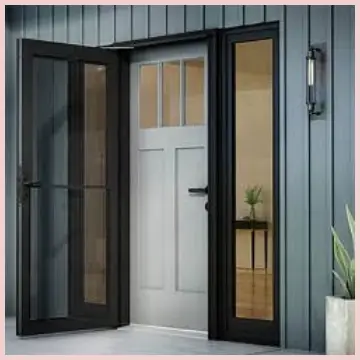
When evaluating the Andersen 10 Series storm door, I look beyond its appearance and advertised features.
A storm door should do more than make your entrance look attractive. It should protect your main entry door, improve ventilation, provide convenient access, and operate smoothly throughout everyday use.
The Andersen 10 Series initially caught my attention because of its modern appearance and practical design.
Andersen is a familiar name in the door and window industry, and the 10 Series is positioned as an option for homeowners who want a combination of ventilation, visibility, and protection.
However, I would not automatically associate a recognizable brand name with a satisfying ownership experience.
One of the first things I consider when evaluating a storm door is how comfortably it operates. You might open and close your storm door several times every day, so the handle, hinges, closer, and locking mechanism need to work consistently.
Even a visually appealing door becomes frustrating when it requires extra effort to close or does not latch properly.
The Andersen 10 Series has features designed to make everyday use convenient, but customer feedback deserves attention.
Negative reviews across ecommerce platforms raise questions about whether buyers consistently receive the quality and performance they expect.
Also Read: Is Andersen 200 Series Patio Door Worth It?
Pros Of The Andersen 10 Series Storm Door
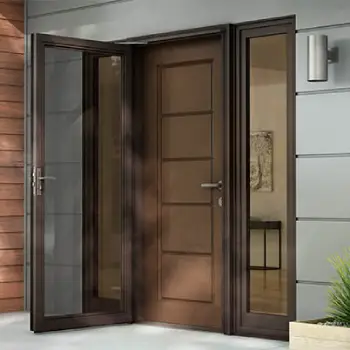
- Attractive Exterior Appearance
The first advantage is its appearance.
A storm door is a visible part of your home’s exterior, so its design matters. The Andersen 10 Series offers styling intended to complement residential entryways.
I appreciate products that provide an additional layer of protection without making the entrance look overly industrial.
For homeowners updating an older entrance, a modern storm door can make the entire doorway look more finished.
However, I would not allow attractive styling to outweigh concerns about durability and customer satisfaction.
- Additional Protection for the Main Entry Door
A storm door creates another barrier between the primary entry door and outdoor conditions.
This can help reduce direct exposure to rain, windblown debris, and everyday environmental wear.
I consider this useful because the main entry door is an important part of your home’s exterior.
Protecting it can help maintain its appearance over time, although the actual protection depends on proper installation and weather conditions.
- Natural Light
Another potential advantage is improved natural lighting.
A storm door with a glass panel allows daylight to reach the entryway while the main door remains closed.
This can make a darker entrance feel brighter and more welcoming.
I particularly appreciate this feature in homes where the front entrance does not have nearby windows.
The amount of light depends on the glass configuration, surrounding architecture, and exterior conditions.
- Ventilation Opportunities
Ventilation is another reason to consider this product.
When outdoor temperatures are comfortable, homeowners can benefit from opening the primary entry door while keeping a screen barrier in place.
This allows fresh air to circulate without leaving the entrance completely exposed.
For households that enjoy natural ventilation, this can be a practical feature.
I would still verify the exact screen arrangement before purchasing because configurations may differ.
- Recognizable Manufacturer
Andersen has an established presence in the residential door and window market.
For some buyers, choosing a familiar manufacturer provides reassurance when comparing construction, product documentation, replacement parts, and customer support.
However, I would separate the reputation of the manufacturer from the performance of an individual product.
A well-known brand can still have products that receive disappointing customer feedback.
- Potential Improvement in Entryway Functionality
A properly selected storm door can make an entrance more versatile.
You can enjoy daylight, ventilation, and an additional barrier without constantly exposing the main entry door.
These are meaningful benefits when the product works correctly.
My concern is not that the Andersen 10 Series lacks useful design ideas. It is that buyers should carefully investigate whether its real-world performance matches their expectations.
- Multiple Design Considerations
The availability of different configurations and appearance options can make the 10 Series worth investigating for homeowners with specific entryway preferences.
A storm door should fit the existing exterior rather than force you to compromise on the overall appearance.
Still, I would confirm the exact model number, dimensions, hardware arrangement, and included accessories before making a decision.
Cons Of The Andersen 10 Series Storm Door
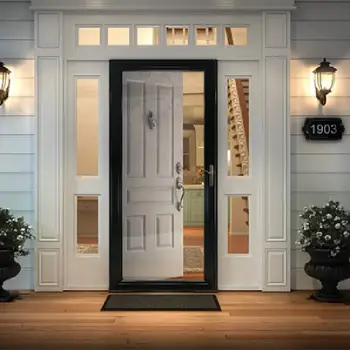
- Disappointing Customer Reviews
One of the biggest reasons I would hesitate to purchase this storm door is its reported negative customer feedback.
Customer reviews can reveal problems that product descriptions do not adequately communicate.
For example, buyers may report issues involving installation, hardware, fit, finish, or long-term operation.
I would not assume every complaint applies to every 10 Series configuration. Nevertheless, recurring complaints deserve attention.
When spending money on a door that should remain functional for years, I want confidence in its overall reliability.
- Potential Installation Frustrations
Storm door installation requires accurate measurements and careful alignment.
If the mounting frame does not sit correctly, the door may develop uneven gaps or operational problems.
I would be particularly cautious if buyers report difficulties with instructions, hardware alignment, or fitting the door into existing openings.
These issues can make a supposedly convenient home improvement project more complicated.
You may also need professional installation, which increases the total cost.
- Hardware Reliability Concerns
Handles, latches, hinges, and closers are essential parts of a storm door.
If any of these components malfunction, everyday convenience can disappear quickly.
For example, a faulty latch can prevent the door from securing properly. A problematic closer can cause slamming or incomplete closing.
I would examine customer feedback specifically for repeated hardware complaints.
Replacement-part availability is another important factor to investigate.
- Possible Fit and Alignment Problems
A storm door should fit the opening without leaving unnecessary gaps.
Incorrect alignment can interfere with the latch and affect how securely the door closes.
This is not necessarily a problem unique to Andersen, but it is something I would investigate carefully when reading reviews.
I would also avoid ordering before confirming the door’s required mounting dimensions.
- Maintenance Requirements
Every storm door needs some maintenance.
Glass requires cleaning, screens need occasional attention, and moving hardware should be inspected.
However, I prefer products that do not require frequent adjustments or repeated repairs.
If an owner experiences recurring problems with the closer, latch, or screen components, maintenance can become frustrating.
That is one reason I would compare other manufacturers before deciding.
- Questions About Long-Term Value
A product’s purchase price does not tell you its entire value.
You should also consider installation expenses, replacement parts, maintenance, and the time required to address problems.
A less expensive storm door may become costly if it requires repeated repairs.
Likewise, a more expensive model may offer better value if it performs consistently.
I would not purchase the Andersen 10 Series based on its advertised features alone.
- Customer Support and Warranty Considerations
Warranty coverage can make a significant difference when purchasing a home improvement product.
Before buying, I would carefully read the applicable warranty documentation.
Pay attention to what is covered, how long coverage lasts, and whether labor, installation, or replacement components are included.
I would also investigate how customers describe their experiences obtaining support.
A warranty is useful only when its terms are clear and the claims process is practical.
Also Read: Is Luminaire Retractable Screen Door Worth It?
Maintenance For The Andersen 10 Series Storm Door
- Clean the Glass Regularly
Glass panels collect fingerprints, dust, rain spots, and outdoor residue.
I recommend cleaning them periodically with a suitable glass cleaner and a soft microfiber cloth.
Avoid abrasive cleaning pads because they can scratch surfaces.
For stubborn marks, use a gentle cleaning solution and wipe the surface carefully.
I would also clean both sides of the glass whenever practical.
Clean glass improves visibility and helps your entrance maintain a neat appearance.
- Inspect the Screen Components
Screen material can accumulate dust and debris over time.
I would inspect the screen for tears, loose edges, and areas where the material has separated from its frame.
Use a soft brush or gentle vacuum attachment to remove accumulated dust.
If the screen requires washing, follow the manufacturer’s cleaning instructions.
Avoid applying excessive pressure because screen material can stretch or become damaged.
Small tears should be addressed before they become larger problems.
- Check the Door Closer
The closer deserves regular attention because it controls the door’s movement.
I would observe how the door behaves when released.
Does it close smoothly? Does it slam? Does it stop before reaching the latch?
These observations can help identify problems early.
If the closer has an adjustment mechanism, follow the manufacturer’s instructions when changing its settings.
Avoid forcing the mechanism or making random adjustments.
If the closer appears damaged or leaks fluid, investigate the appropriate replacement procedure.
- Inspect Hinges and Fasteners
Hinges support the door’s weight and allow it to move.
Over time, repeated operation and environmental exposure can affect screws and other fasteners.
I would periodically inspect the hinge area for looseness, unusual movement, or visible damage.
Tighten loose hardware only when appropriate, using the correct tools.
Do not overtighten screws because doing so may damage the frame or mounting surface.
If a hinge appears bent or structurally damaged, replacing the affected component may be necessary.
- Keep the Track and Frame Clean
Dust and debris around the frame can affect how the door operates.
I recommend wiping accessible surfaces with a soft cloth.
Pay attention to corners and areas where dirt accumulates.
If your specific configuration includes sliding or removable components, follow its maintenance instructions.
Avoid using excessive water around hardware and joints.
Keeping the frame clean also makes it easier to identify corrosion, cracks, or other visible problems.
- Check the Handle and Lock
A handle should operate smoothly without excessive force.
I would test the locking mechanism periodically to ensure it engages properly.
If the handle feels loose or the latch becomes difficult to operate, investigate the cause rather than forcing it.
Check the mounting screws and alignment.
If the lock does not engage consistently, professional adjustment may be safer than attempting complicated repairs yourself.
- Inspect Weatherstripping
Weatherstripping helps reduce unwanted gaps around the door.
It can also limit the entry of dust and insects.
Over time, weatherstripping may become compressed, loose, or damaged.
I would inspect the perimeter regularly and look for visible gaps.
If replacement is necessary, use a compatible component recommended for the particular model.
Incorrectly sized weatherstripping can interfere with the door’s closing action.
- Protect the Finish
The exterior finish is exposed to sunlight, rain, humidity, and airborne dirt.
I recommend washing the frame gently with mild soap and water when needed.
Avoid harsh chemicals and abrasive materials unless specifically approved by the manufacturer.
After cleaning, dry the surface with a soft cloth.
Regular cleaning can help preserve the appearance of the frame and make signs of wear easier to notice.
Comparison Of Andersen 10 Series Storm Door With Other Brands
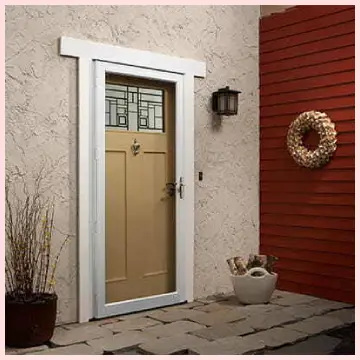
- Andersen 10 Series vs. Larson Storm Doors
Larson is one of the recognizable alternatives in the storm door market.
When comparing Larson with the Andersen 10 Series, I would pay attention to ventilation options, glass configurations, hardware quality, and installation requirements.
Larson offers multiple storm door styles, including full-view and ventilating configurations.
I would compare the specific models rather than assume every Larson product is automatically better.
However, if I found a Larson model with stronger customer feedback and a suitable warranty, I would be more comfortable considering it.
- Andersen 10 Series vs. Pella Storm Doors
Pella is another manufacturer I would include in my comparison.
Pella offers residential door products with different designs and performance considerations.
When comparing the brands, I would examine frame construction, glass options, hardware, weather resistance, and available service support.
For me, the most important question is whether the specific Pella model provides dependable everyday operation.
I would also compare installation costs because professional fitting can significantly influence the final purchase price.
- Andersen 10 Series vs. EMCO Storm Doors
EMCO is another name worth investigating when shopping for storm doors.
EMCO products are associated with the broader Andersen storm door product ecosystem, so I would pay attention to the exact product line rather than treating the brands as completely independent alternatives.
I would compare the available configurations, installation instructions, replacement parts, and warranty terms.
If you are considering an EMCO model, make sure you understand how its construction and included hardware differ from the particular Andersen 10 Series model you are evaluating.
- Andersen 10 Series vs. ProVia Storm Doors
ProVia is worth considering if you are interested in comparing additional residential door manufacturers.
I would investigate its available storm door offerings, construction options, customization, and local dealer support.
One advantage of comparing through a local dealer is that you may be able to discuss installation requirements and available service before purchasing.
I would not assume that a premium-looking product guarantees better durability.
Instead, compare written specifications, warranty conditions, and customer experiences.
- Andersen 10 Series vs. Custom-Built Storm Doors
A custom-built storm door can be an interesting alternative when your existing doorway has unusual dimensions.
Standard storm doors are designed for common residential openings, but older houses sometimes have nonstandard frames.
A custom option may provide a more precise fit.
However, customization can increase the purchase price and installation time.
I would consider this route if standard models repeatedly create fitting problems.
For a straightforward entrance, a well-reviewed standard model may be more practical.
Also Read: Is Phantom Retractable Screen Door Worth It?
Frequently Asked Questions (FAQ)
I would not recommend it as a first choice because reported negative customer feedback raises concerns about overall satisfaction. Compare alternatives before purchasing.
Its features can include glass panels, ventilation options, screen components, an exterior frame, locking hardware, and a door closer. Exact features depend on the configuration.
Installation depends on your existing door opening, measurements, mounting conditions, and experience. Careful measuring and following the manufacturer’s instructions are essential.
Clean the glass and frame regularly, inspect the screen, check hinges and fasteners, examine the closer and latch, and replace damaged weatherstripping or hardware when necessary.
Final Verdict
The Andersen 10 Series storm door has some worthwhile design features, but I cannot confidently recommend it given the reported customer dissatisfaction.
A storm door should offer dependable operation, convenient ventilation, and lasting protection without creating unnecessary maintenance problems.
I would compare better-reviewed Larson, Pella, and other suitable alternatives before spending money.
If reliability matters more than brand recognition, I believe looking beyond the Andersen 10 Series is the smarter buying decision.
Recent Posts
Milgard Styleline Vs. Tuscany: Which Vinyl Window Series Fits Your Home Better?
I wrote this article after spending time comparing Milgard Styleline and Tuscany windows for my own home projects and for friends who kept asking which one actually made sense. My goal is to...
Andersen Truscene Vs. Regular Screens: Which Delivers Better Views And Airflow
I spent weeks comparing Andersen TruScene screens against regular ones after replacing windows in my own home. The differences changed how I experience every room. My goal here is to give...