
If you’re considering Conklin roof coatings to extend the life of your commercial or residential roof, I recommend thinking twice before making the investment.
While the brand has a long history and performs well in certain situations, I found that its high price, installation requirements, and mixed customer feedback make it difficult to recommend over several competing roof coating systems.
Before you spend your money, it’s worth understanding both the strengths and the weaknesses from a real user’s perspective.
My Personal Experience With Conklin Roof Coatings
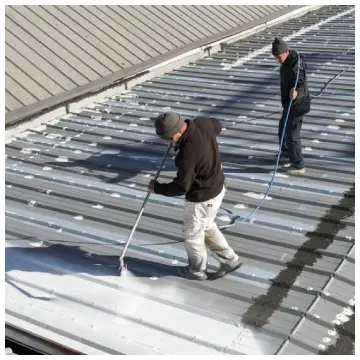
When I first started looking into roof restoration systems, Conklin was one of the names that kept appearing.
Contractors often praised its reflective coatings and long-standing reputation, while marketing materials promised energy savings, leak protection, and years of extended roof life.
Naturally, I expected premium performance because the price certainly reflected that expectation.
The installation process immediately stood out. Unlike many consumer-friendly roof coatings, Conklin products are generally installed by authorized contractors.
While this can ensure a professional application, it also limits flexibility if you enjoy tackling home improvement projects yourself.
Finding a certified installer wasn’t difficult, but scheduling the work took longer than expected, and the labor costs added significantly to the overall investment.
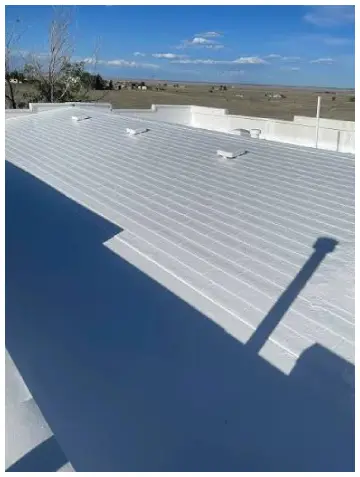
Initially, the roof looked fantastic. The bright white coating gave the roof a clean appearance, and I noticed that the attic stayed slightly cooler during sunny afternoons.
Reflective coatings naturally reduce heat absorption, so this wasn’t surprising. If your building experiences excessive summer heat, you’ll probably appreciate this improvement.
Unfortunately, my enthusiasm faded after spending more time researching real customer experiences and talking with property owners who had used the product for several years.
While many reported excellent durability, others complained about peeling, cracking around seams, difficult warranty claims, and the need for regular inspections to maintain performance.
These complaints weren’t isolated enough for me to ignore.
Another issue I encountered was the total ownership cost. The product itself is premium-priced, but preparation work can become expensive depending on your roof’s condition.
Cleaning, repairing damaged areas, sealing seams, and applying multiple coats all increase labor expenses. By the time everything was finished, the project cost substantially more than I originally anticipated.
Maintenance also turned out to be more involved than I expected. Although Conklin coatings can last many years, they aren’t a “coat it and forget it” solution.
Periodic inspections, cleaning, and touch-ups remain necessary if you want the roof to continue performing well.
One thing I genuinely appreciated was the improved appearance. The roof looked newer, reflected sunlight effectively, and temporarily restored confidence in an aging roofing system.
However, cosmetic improvements alone don’t justify a premium price if long-term reliability doesn’t consistently match expectations.
After weighing everything—the cost, installation limitations, mixed owner experiences, and competing products on the market—I personally wouldn’t recommend Conklin roof coatings for most homeowners.
While they certainly work well when installed correctly and maintained diligently, I believe there are better-value alternatives that provide similar protection with fewer concerns and lower ownership costs.
Pros Of Conklin Roof Coatings
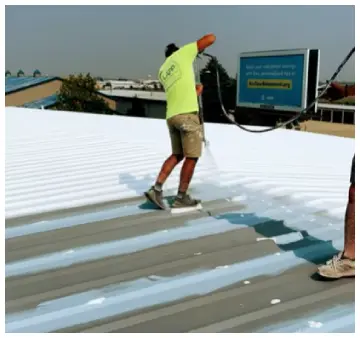
- Excellent Solar Reflectivity
One feature I genuinely liked was the coating’s ability to reflect sunlight.
During hot summer months, I could tell that the roof wasn’t absorbing nearly as much heat as before.
If your property receives intense sunlight throughout the day, this reflective surface may help reduce indoor temperatures and potentially lower cooling expenses.
Unlike darker roofing materials, the bright white finish keeps the roof noticeably cooler. That’s beneficial for both comfort and the lifespan of the underlying roofing materials.
- Can Extend Roof Life
Replacing an entire roof is expensive. One reason many people choose Conklin is the possibility of extending an existing roof’s service life.
When the roof is still structurally sound, a quality coating can seal minor imperfections, protect against UV damage, and delay a full replacement. This makes roof restoration appealing for commercial buildings and warehouses.
However, it’s important to understand that coatings cannot fix major structural damage. Severely deteriorated roofs still require replacement.
- Professional Installation Quality
Since Conklin products are generally installed by trained contractors, the workmanship is often more consistent than DIY-applied coatings.
Professional installers know how to prepare surfaces properly, repair seams, reinforce flashing, and apply the correct coating thickness.
While this increases installation costs, it also reduces the chances of user error that frequently causes coating failures.
- Strong UV Protection
Sunlight is one of the biggest enemies of roofing materials.
Conklin coatings create a protective layer that shields the roof from constant ultraviolet exposure. Over time, this can slow material deterioration and reduce surface cracking caused by prolonged heat.
If your building experiences year-round sun exposure, UV protection becomes a valuable advantage.
- Waterproofing Benefits
One benefit I appreciated was improved resistance against rainwater.
Properly installed coatings help seal small gaps, fasteners, and seams that might otherwise allow moisture penetration.
While I wouldn’t rely on the coating to solve major leaks, it certainly provides another protective barrier against normal weather conditions.
- Energy Efficiency Potential
Because reflective coatings reduce heat absorption, HVAC systems may not work as hard during hot weather.
Although actual energy savings vary depending on climate, insulation, and building design, some property owners notice lower cooling costs after installation.
I wouldn’t purchase Conklin solely for energy savings, but it can be an added bonus if your roof receives heavy sun exposure.
- Attractive Appearance
A freshly coated roof simply looks better.
If your existing roof appears faded or weathered, Conklin coatings restore a cleaner, brighter appearance that can improve curb appeal for commercial buildings and residential properties alike.
For businesses, maintaining a professional-looking property can create a stronger first impression.
- Seam Reinforcement Options
Many roof failures begin around seams and flashing.
Conklin systems often include reinforcing fabric combined with specialized coatings to strengthen vulnerable areas.
This additional protection helps reduce water intrusion when installed correctly.
- Long Product History
Conklin has been in the roofing industry for decades.
That long history gives some buyers confidence because the company has continued producing roof restoration products for many years.
Established manufacturers often have more technical resources and contractor networks than newer competitors.
- Environmentally Friendly Roof Restoration
Restoring an existing roof instead of replacing it entirely reduces construction waste.
Rather than sending thousands of pounds of roofing materials to landfills, coatings allow many roofs to remain in service longer.
If sustainability matters to you, roof restoration can be an environmentally responsible option.
- Minimal Business Disruption
Commercial property owners often appreciate that coatings can sometimes be installed without shutting down normal operations.
Unlike complete roof replacement projects, restoration usually produces less noise, less debris, and shorter project timelines.
This can be especially valuable for warehouses, retail stores, schools, and office buildings.
- Good Performance When Installed Perfectly
To be fair, Conklin performs well under ideal conditions.
When the roof is thoroughly cleaned, repairs are completed correctly, weather conditions cooperate, and experienced contractors perform the installation, many users experience years of satisfactory performance.
Unfortunately, these ideal conditions don’t always exist, which explains why customer experiences vary so widely. The inconsistency between excellent installations and disappointing long-term results is one of the biggest reasons I hesitate to recommend the product despite its technical strengths.
Cons Of Conklin Roof Coatings
- Premium Pricing Makes It Difficult to Justify
The first drawback you’ll likely notice is the price.
Conklin roof coatings sit in the premium category, and the cost goes far beyond purchasing the coating itself.
Surface preparation, repairs, primers, reinforcing fabric, and professional labor can quickly increase the total project cost.
If you’re already spending thousands of dollars, you’ll naturally expect outstanding long-term value. Unfortunately, not every customer feels they receive that return on investment.
- Installation Is Highly Dependent on Contractor Skill
A roof coating is only as good as its installation.
Even high-quality materials can fail if the roof isn’t cleaned properly, damaged areas aren’t repaired, or the coating isn’t applied at the correct thickness.
Because Conklin relies heavily on trained installers, your experience depends greatly on the contractor you hire. Two customers using the same product may end up with completely different results.
- Not a Permanent Roofing Solution
One misconception I noticed is that some buyers expect roof coatings to perform like a brand-new roof.
That’s simply unrealistic.
Even the best coating cannot replace deteriorated decking, rotten wood, severe water damage, or structural roofing issues. If your roof has significant problems, a coating may only postpone a necessary replacement.
- Regular Maintenance Is Still Necessary
Many buyers assume roof coatings eliminate maintenance.
That isn’t true.
Even after installation, you’ll still need periodic inspections, debris removal, drain cleaning, and occasional repairs. Ignoring maintenance can shorten the coating’s lifespan and reduce its effectiveness.
- Limited DIY Appeal
If you’re someone who enjoys handling home improvement projects yourself, Conklin may not be the ideal choice.
Because the system is commonly installed by authorized contractors, homeowners have less flexibility compared to many retail roof coatings available at home improvement stores.
- Weather Conditions Affect Installation
Roof coatings require favorable weather during application.
Rain, excessive humidity, cold temperatures, or extreme heat can interfere with curing and adhesion.
This means projects sometimes need to be postponed, which can be frustrating if you’re trying to repair a leaking roof quickly.
- Repairs Can Become Expensive
If a section of the coating becomes damaged, repairs aren’t always as simple as touching up paint.
The damaged area often requires cleaning, preparation, reinforcing materials, and multiple coating layers to restore proper protection.
Professional repair costs can add up over time.
- Performance Depends on Roof Condition
Conklin performs best on roofs that are already in relatively good shape.
If the existing roof has widespread deterioration, trapped moisture, poor drainage, or structural damage, the coating may not provide the expected performance.
In those situations, replacing the roof may ultimately be the smarter financial decision.
- Warranty Expectations Can Be Confusing
Warranty coverage often depends on several factors, including the specific product used, installation quality, maintenance records, and contractor compliance.
Some customers report positive warranty experiences, while others feel the claims process is more complicated than expected.
For that reason, I always recommend reading every warranty document carefully before committing to the installation.
Maintenance Tips For Conklin Roof Coatings
- Clean Debris Regularly
Leaves, dirt, branches, and other debris trap moisture on the roof.
Over time, trapped moisture may contribute to premature wear and encourage algae or mold growth.
Keeping the roof clean also allows rainwater to flow freely toward drains and gutters.
- Remove Standing Water Promptly
Flat roofs commonly develop areas where water remains after rainfall.
While many coatings resist moisture, standing water over long periods places additional stress on the roofing system.
If you frequently notice ponding water, consult a roofing professional to determine whether drainage improvements are needed.
- Keep Gutters and Drains Clear
Blocked gutters can cause water to back up onto the roof surface.
Regularly removing leaves, dirt, and debris helps maintain proper drainage and reduces unnecessary stress on the coating.
This is one of the simplest maintenance tasks you can perform.
- Address Small Damage Immediately
Tiny cracks rarely stay tiny forever.
If you notice peeling, punctures, or damaged seams, schedule repairs as soon as possible.
Delaying repairs often allows water to penetrate beneath the coating, increasing repair costs later.
- Avoid Unnecessary Foot Traffic
Every time someone walks across the roof, the coating experiences wear.
Limit roof access to necessary inspections and maintenance work.
When technicians need rooftop equipment servicing, encourage them to use designated walking paths whenever possible.
- Trim Nearby Tree Branches
Overhanging branches can scratch the coating, drop debris, and increase the likelihood of storm damage.
Keeping trees properly trimmed also reduces the amount of leaves accumulating on the roof.
- Inspect After Severe Storms
High winds, hail, and heavy rain can damage even professionally installed coatings.
After significant weather events, inspect the roof or arrange for a professional evaluation.
Catching storm damage early can prevent water from entering the building.
- Keep Records of Maintenance
I always recommend documenting every inspection, cleaning, and repair.
Maintenance records may prove valuable if warranty questions arise in the future.
They also help identify recurring problem areas that deserve closer attention.
- Schedule Professional Roof Evaluations
Even if everything appears normal, having the roof professionally inspected every few years provides added peace of mind.
Experienced roofing contractors often identify developing issues before they become visible to property owners.
Preventive maintenance almost always costs less than emergency roof repairs.
Comparison Of Conklin Roof Coatings With Other Brands
- Conklin vs Henry Roof Coatings
Henry offers several acrylic and silicone roof coating products that are widely available and generally more affordable than Conklin.
While Conklin emphasizes contractor-installed systems, Henry provides options for both professionals and experienced DIY users.
For many homeowners, Henry represents better overall value because replacement products and maintenance materials are easier to obtain.
- Conklin vs Gaco Roof Coatings
Gaco has earned a strong reputation for silicone roof coatings, particularly on flat roofs that experience standing water.
Compared with Conklin, Gaco products often receive praise for their excellent moisture resistance and long-term waterproofing performance.
If ponding water is a recurring issue, Gaco may be the stronger choice.
- Conklin vs Kool Seal
Kool Seal focuses on cost-effective roof restoration.
Although it doesn’t always offer the same premium positioning as Conklin, many property owners appreciate its affordability and straightforward application.
If budget is your primary concern, Kool Seal deserves consideration.
- Conklin vs Ames Roof Coatings
Ames products appeal to homeowners who want flexible, environmentally conscious coating options.
Several Ames coatings are relatively easy to apply, making them attractive for smaller residential projects.
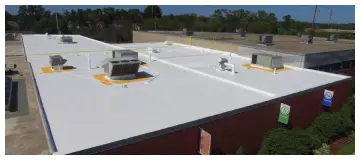
Conklin generally targets larger commercial applications, while Ames often feels more homeowner-friendly.
- Conklin vs Heng’s Roof Coatings
For RV owners, Heng’s is a much more specialized option.
Conklin isn’t designed specifically for recreational vehicles, whereas Heng’s products are formulated for RV roofing systems.
Choosing the right coating depends heavily on the type of roof you’re protecting.
Which Brand Would I Choose?
If I had to purchase another roof coating today, I probably wouldn’t choose Conklin.
While I respect the company’s history and acknowledge that many installations perform well, the premium pricing combined with inconsistent customer experiences makes it difficult for me to justify the investment.
Also Read: Is Henry Elastomeric Roof Coating Worth It?
Frequently Asked Questions (FAQ)
Conklin roofing systems are known for their reflective coatings, professional installation network, and long history in the roof restoration industry. Compared to many competitors, they can provide excellent UV protection and help extend the life of an existing roof when installed correctly. However, I don’t believe they offer the best overall value. Their premium pricing, dependence on certified installers, and mixed customer reviews make brands like Henry, Gaco, or other reputable coating manufacturers more appealing for many property owners. If you’re looking for consistent value and broader product availability, I recommend comparing several brands before making a decision.
Roof coatings aren’t a perfect solution for every roof. They cannot repair structural damage, replace rotten decking, or solve major roofing problems. Most coatings require thorough surface preparation, periodic maintenance, and favorable weather during installation. Performance also depends heavily on the quality of the application. In addition, some coatings may peel, crack, or wear prematurely if installed incorrectly or applied to roofs that aren’t suitable for restoration. While coatings can extend roof life, they should never be viewed as a permanent substitute for a roof replacement.
The warranty on Conklin roofing depends on several factors, including the specific coating system used, the roof condition before installation, the application method, and whether the installation meets the manufacturer’s requirements. Different Conklin systems offer different warranty terms, and coverage may also depend on ongoing maintenance and periodic inspections. Before purchasing, I recommend reviewing the complete warranty documentation with your contractor so you clearly understand what is covered, what maintenance is required, and what situations may void the warranty.
There isn’t one roof coating that is perfect for every situation. The best choice depends on your roof type, local climate, drainage conditions, and budget. Silicone coatings generally perform very well on roofs with frequent ponding water because they resist moisture effectively. Acrylic coatings are often a good option for areas with strong sunlight and lower humidity due to their excellent reflectivity and affordability. Polyurethane coatings are valued for their durability and impact resistance. Rather than selecting a product based solely on brand recognition, I recommend choosing a coating that matches your roof’s specific needs and is installed by an experienced professional.
Final Verdict
After reviewing Conklin roof coatings from both a technical and practical standpoint, I can’t confidently recommend them to most homeowners or commercial property owners.
While the products offer strong reflectivity, professional-grade installation, and the potential to extend a roof’s lifespan, the premium cost and inconsistent long-term customer experiences make them a risky investment.
I believe there are several competing roof coating brands that provide similar performance with better overall value and more consistent satisfaction
If you’re planning a roof restoration project, take the time to compare alternatives before committing to Conklin—you may find a solution that better fits your budget and expectations.
Recent Posts
I spent months comparing budget options against established names after my last set of tires wore out sooner than expected.My goal here is to share what I learned from putting Dextero and...
AquaTru Carafe Vs. Classic: Which Is Actually Fits Your Kitchen?
I decided to write this comparison after months of testing both the AquaTru Carafe and the Classic in my own kitchen. Tracking covered daily use.Taste stayed consistent. Refill frequency...